Newsletters




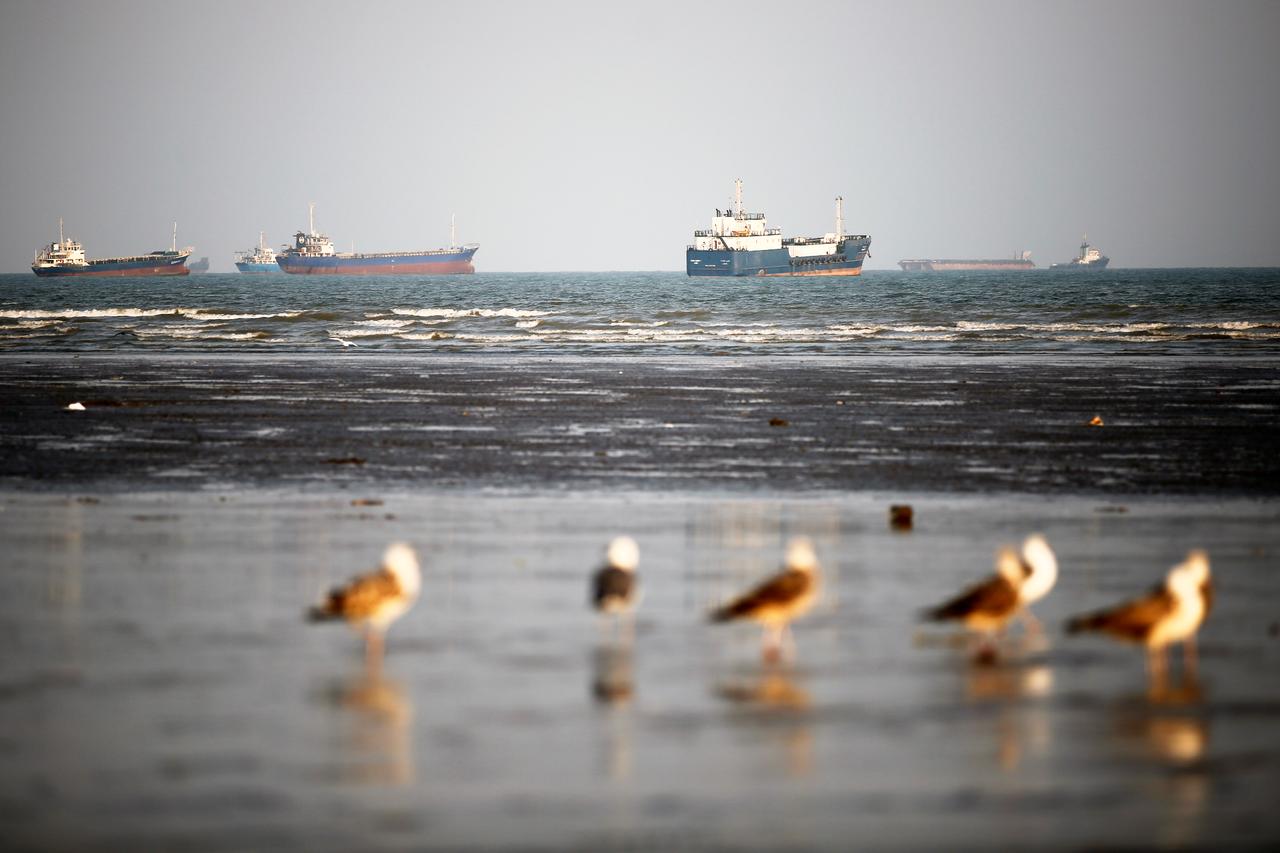
The US military said Saturday that more than 1 billion barrels of crude oil have been escorted out of the Persian Gulf through the Strait of Hormuz in recent months, even as it credited an "ironclad blockade" with driving Iranian oil exports to zero.
The figures were announced by Adm. Brad Cooper, commander of US Central Command (CENTCOM), in a video statement released Saturday morning on social media.
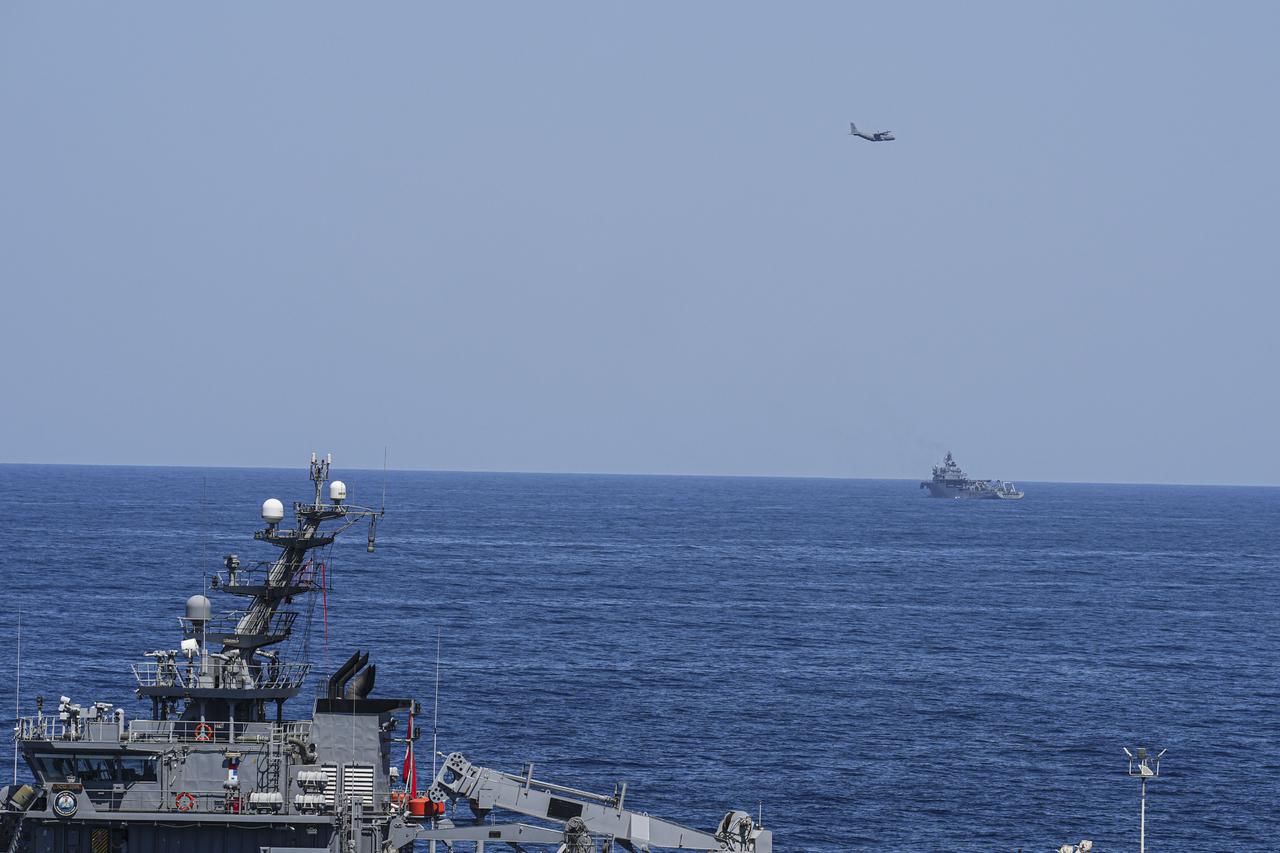
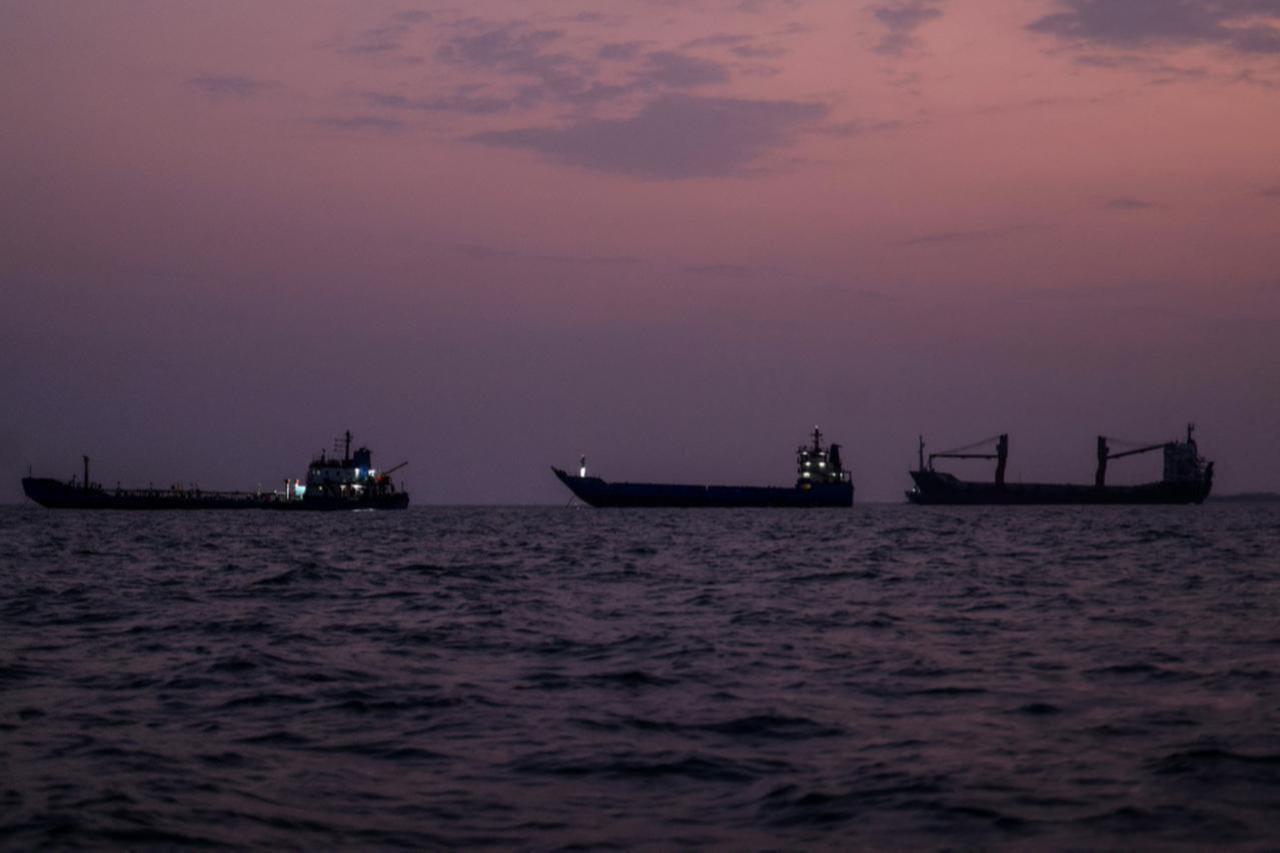
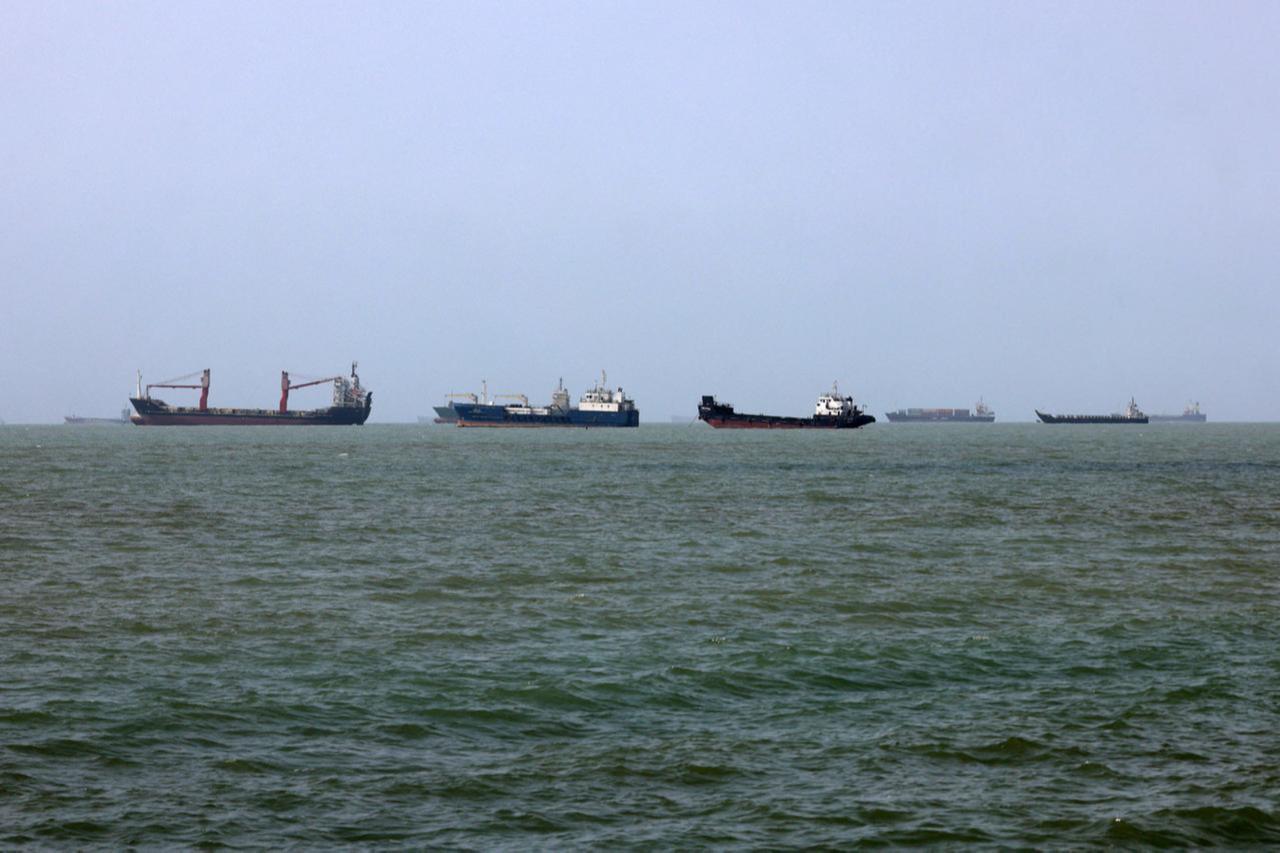
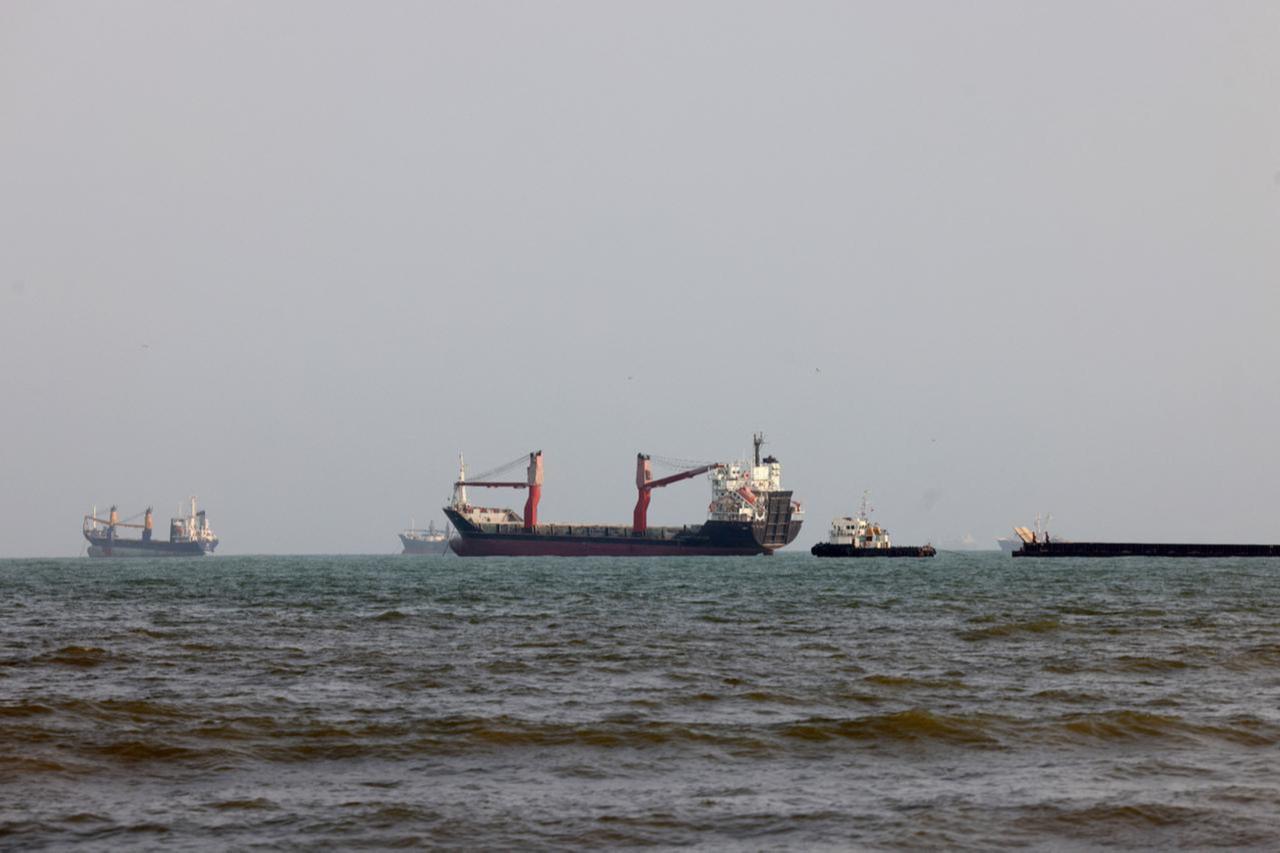
Cooper said CENTCOM forces have supported the transit of more than 2,000 commercial vessels through the strategic waterway, one of the world's most important energy corridors, by providing coordinated protection.
"CENTCOM forces have supported more than 1 billion barrels of crude oil leaving the Gulf," Cooper said.
Cooper said Iran has exported "zero barrels" of oil during the period, a halt he attributed directly to the US military presence in the strait. He said the primary shipping lanes had been cleared of mines, allowing thousands of vessels to pass through safely.
The Strait of Hormuz, which separates the Persian Gulf from the Gulf of Oman, is one of the world's busiest chokepoints for oil and gas shipments, with a significant share of global seaborne crude passing through its narrow channel.
Cooper said the pace of shipping through the strait has accelerated sharply in recent weeks.
"The volume of crude oil, cargo and liquid natural gas these past two weeks is higher than at any point in the last six months," he said, adding that the trend reflects the effectiveness of the US operation.
He said Washington is continuing to coordinate with the six member states of the Gulf Cooperation Council, along with insurers and shipping companies, to further expand traffic through the waterway.
"Even with this progress, we remain clear-eyed and laser-focused as we work with our teammates in the US interagency, as well as all six partners in the Gulf Cooperation Council, known as the GCC, as well as insurance and shipping companies to increase the volume of traffic flow through the Strait of Hormuz," Cooper said.
Cooper also said the US is working with Gulf states to strengthen their air defense capabilities, though he did not offer specifics on the scope or timeline of that cooperation. Kuwait, Bahrain, the United Arab Emirates and Jordan have each faced repeated drone and missile attacks from Iran, according to Cooper.
The announcement followed a turbulent stretch for global energy markets. Diesel prices in the United States climbed to an all-time high above $6 a gallon in recent weeks. Brent crude, the international benchmark, rose from $93 a barrel on Sept. 4 to $109 on Sept. 10 before easing to close this past week at $103.


 Set as preferred source
 Set as preferred source


 1 min read
 1 min read