Newsletters


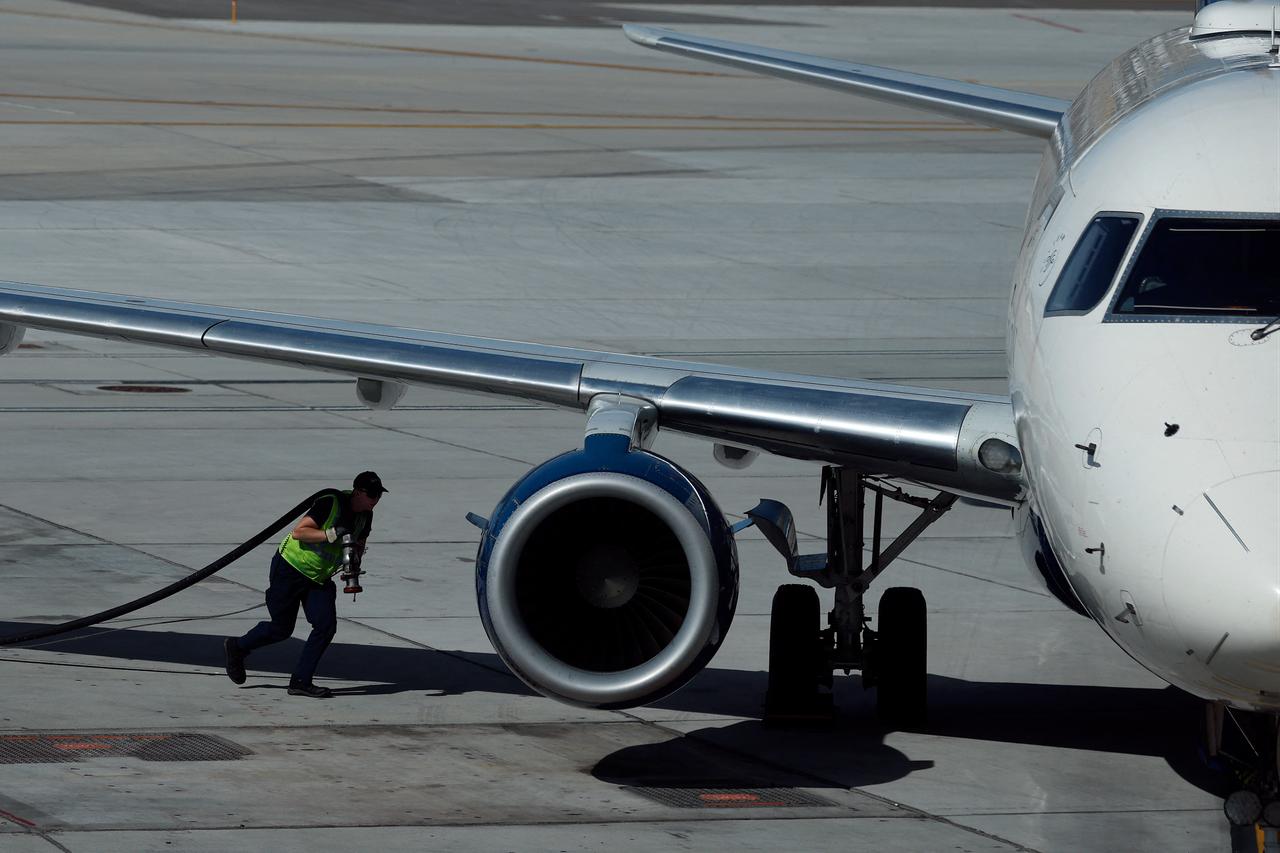


European airports face “systemic” jet fuel shortages within three weeks if the Strait of Hormuz is not reopened, Europe’s airport industry warned EU officials on Friday.
The International Monetary Fund (IMF) cut its global growth forecast and said there would be "no neat and clean return to the status quo" even if the fragile ceasefire holds, with ship traffic through the strait still below 10% of normal volumes days after the truce was announced.
Airports Council International Europe wrote to EU Transport Commissioner Apostolos Tzitzikostas, warning of a crisis on the horizon.
"If the passage through the Strait of Hormuz does not resume in any significant and stable way within the next three weeks, systemic jet fuel shortage is set to become a reality for the EU," the letter, seen by the Financial Times (FT), said.
ACI Europe said jet fuel reserves were running low and that "the impact of military activity on demand" was further straining supplies. The approaching peak summer season, “when air travel underpins the tourism ecosystem on which many EU economies rely,” intensified concerns, the letter said.
The group called for EU-wide monitoring of jet fuel supply.
"There is for now no EU-wide mapping/assessment and monitoring of jet fuel production and availability," it said.
"A supply crunch would severely disrupt airport operations and air connectivity, with the risk of harsh economic impacts for the communities affected and for Europe in case of a systemic shortage," the group noted.
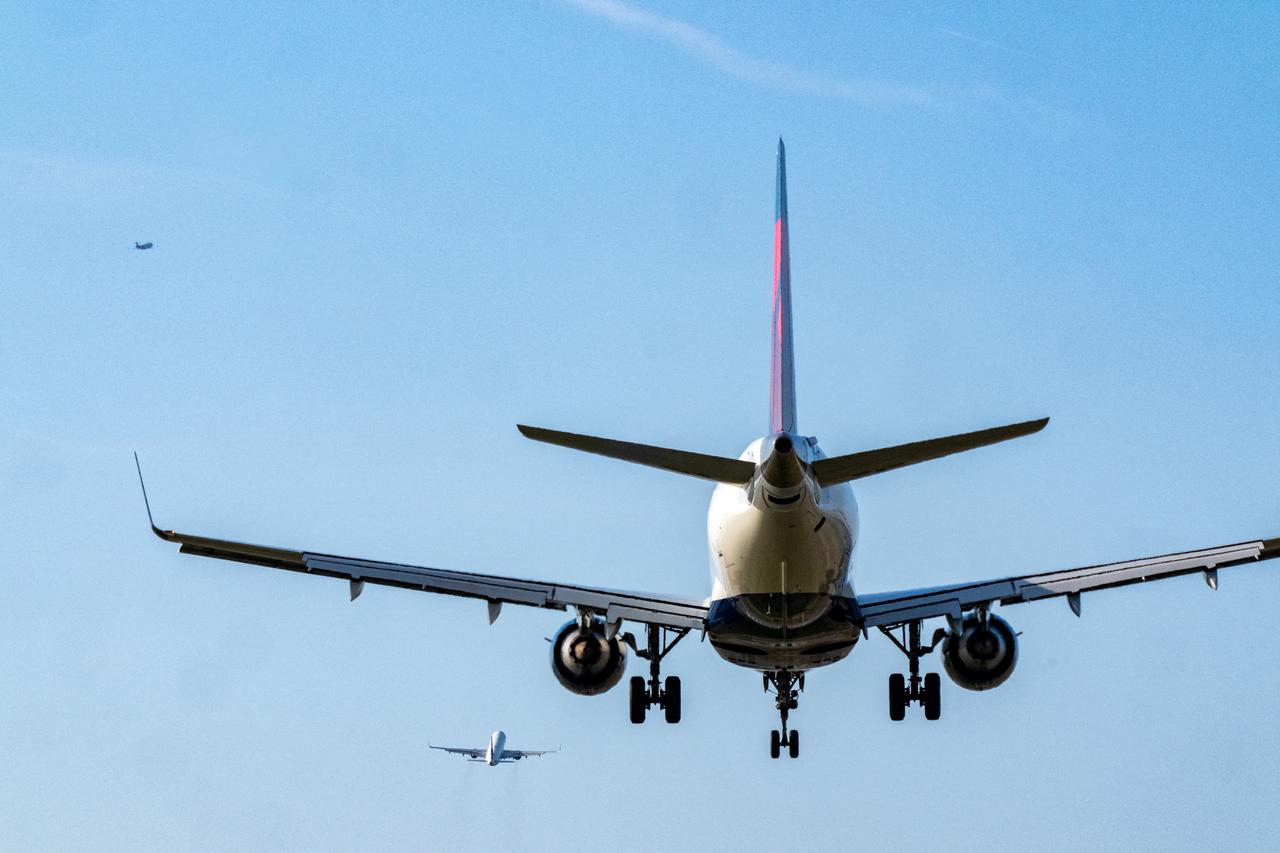

Benchmark north-west European jet fuel prices closed at $1,573 a tonne Thursday, according to price reporting agency Argus Media, up from approximately $750 a tonne before the Iran war.
Global jet fuel prices rose 110% from $99.4 per barrel on Feb. 27 to $209 on April 3, according to IATA data. The CIF price of jet fuel in northwest Europe climbed to $216.9 per barrel.
The worst-hit region for price increases has been Asia, with prices up 163% year-on-year. European prices were up 138%.
Some Asian countries, including Vietnam, have begun rationing jet fuel. Four Italian airports last weekend introduced restrictions after a disruption at a key supplier.
Delta Air Lines said it would cut capacity by 3.5%, including some midweek and overnight flights, expecting $2 billion in additional fuel costs between April and June. Air New Zealand has cut some flights due to higher fuel costs. Polish airline LOT is cutting less popular services and expects to raise ticket prices.
European airlines said they had enough fuel for several weeks, but suppliers are unable to guarantee deliveries into May.
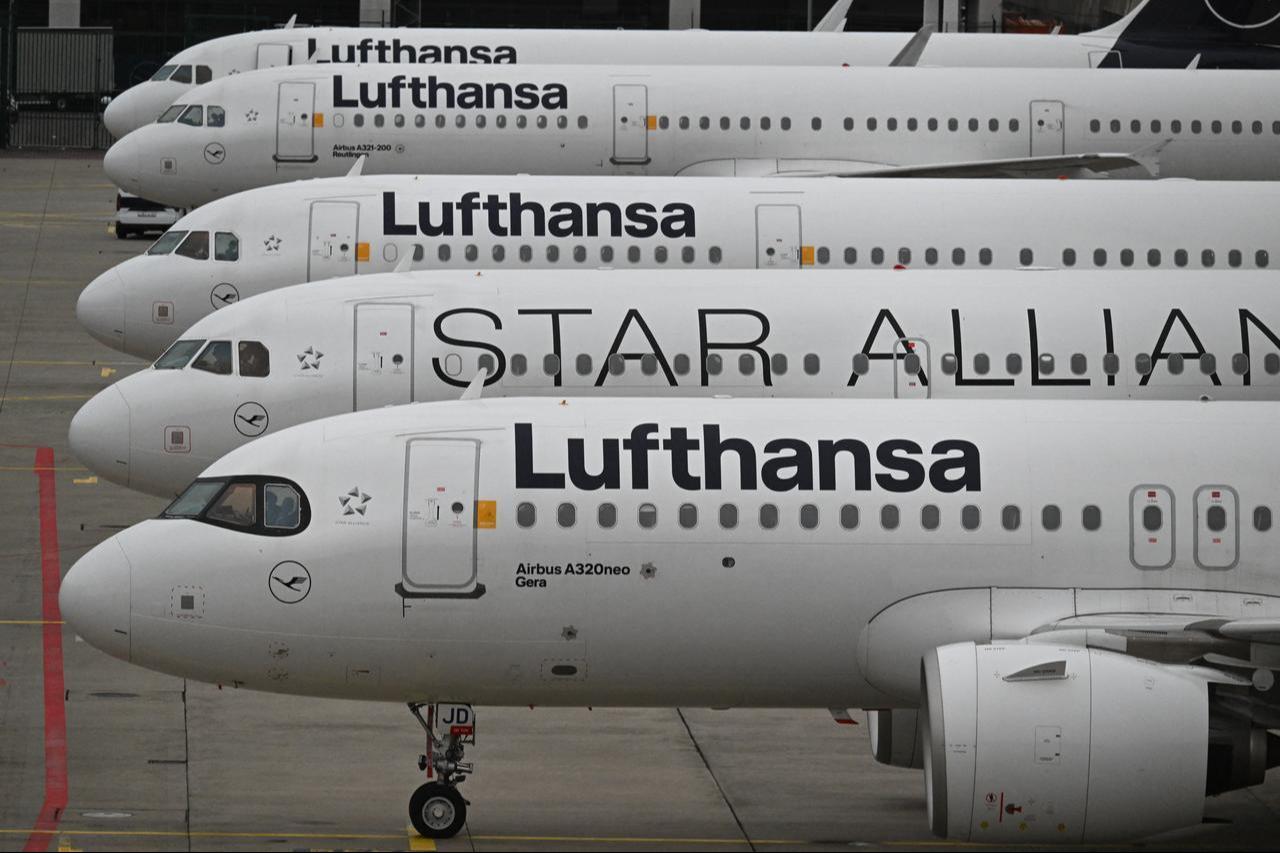
The Strait of Hormuz is the transit route for approximately 40% of the world's jet fuel supply.
According to Türkiye's state-run Anadolu Agency (AA) data compiled from S&P Global Commodity Insights, the Middle East supplies around 177,000 barrels per day of jet fuel to northwest Europe, 31,000 barrels to southern Europe and the Eastern Mediterranean, 100,000 barrels to Africa and 17,000 barrels to Asia.
A further 34,000 barrels pass through the Suez Canal into the Red Sea, most destined for Egypt.
Disruptions to maritime traffic through the strait have severely affected supplies of around 15 million barrels per day of crude oil and 5 million barrels per day of refined petroleum products since the war began Feb. 28.
Ship traffic through the strait remained below 10% of normal volumes on Thursday, despite the ceasefire. Hundreds of tankers have been unable to get through since the war began. Brent crude oil prices remained at around $96 per barrel on Friday.
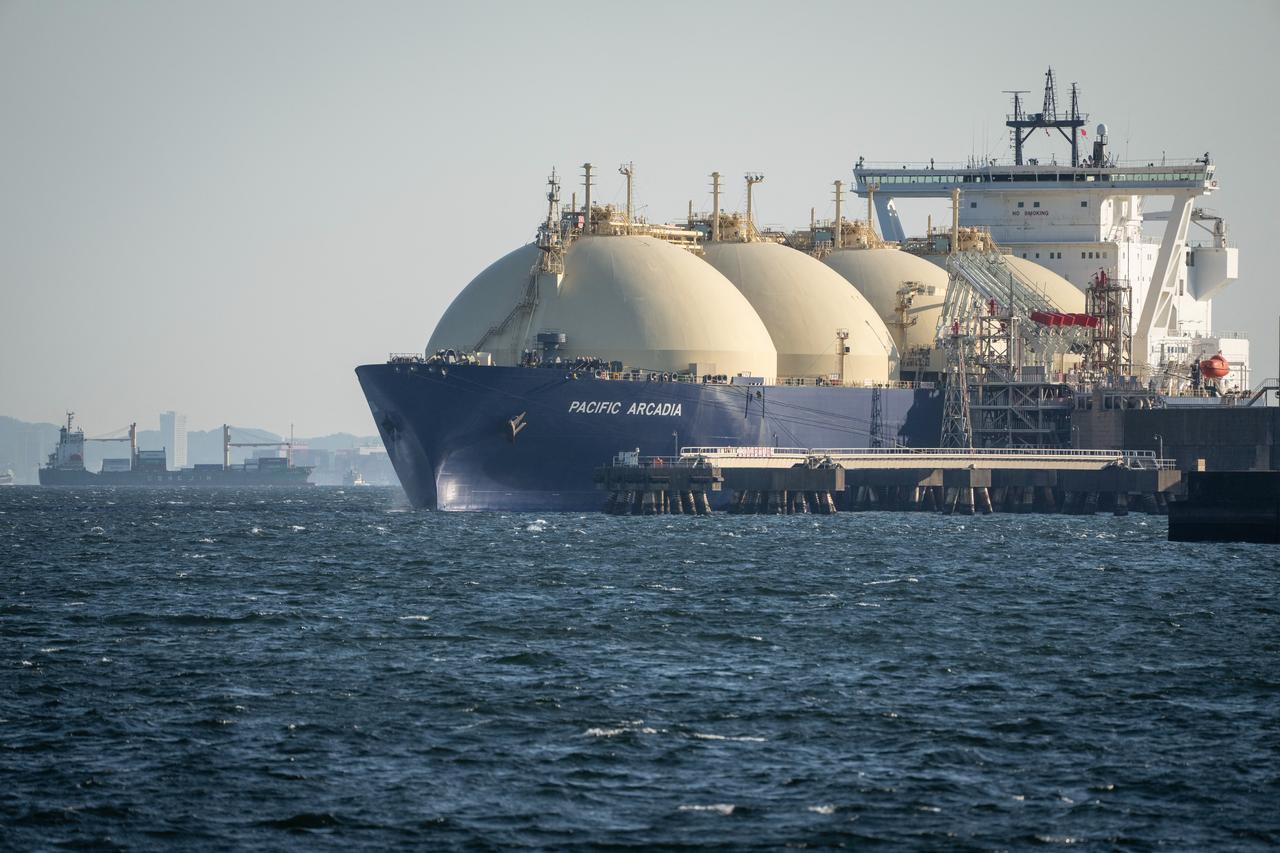
IMF Managing Director Kristalina Georgieva said the fund would lower global growth forecasts because of the war's "scarring effects," including infrastructure damage, supply disruptions and a loss of market confidence.
"Even in a best case, there will be no neat and clean return to the status quo ante," Georgieva said.
"The fact is, we don't truly know what the future holds for transits through the Strait of Hormuz," Georgieva noted.
Georgieva said the IMF anticipated providing $20 billion to $50 billion in emergency balance-of-payments support to countries affected by the war.
"The lower bound prevailing if ceasefire holds," she said. The World Bank said it could deploy up to $25 billion "very quickly" and up to $60 billion over the longer term, World Bank President Ajay Banga said.
The IMF chief warned of the conflict's asymmetric impact on the world's poorest countries. "Spare a thought for the Pacific Island nations at the end of a long supply chain, wondering if fuel still reaches them in the wake of such a severe disruption," she said.
The IMF also flagged food security risks. The conflict has caused a 13 percent reduction in daily global oil flow and a 20% cut in liquefied natural gas, sending energy prices soaring and disrupting supply chains.
Georgieva said high fertilizer prices, natural gas being a key input, would push 45 million more people into hunger, bringing the total to more than 360 million.
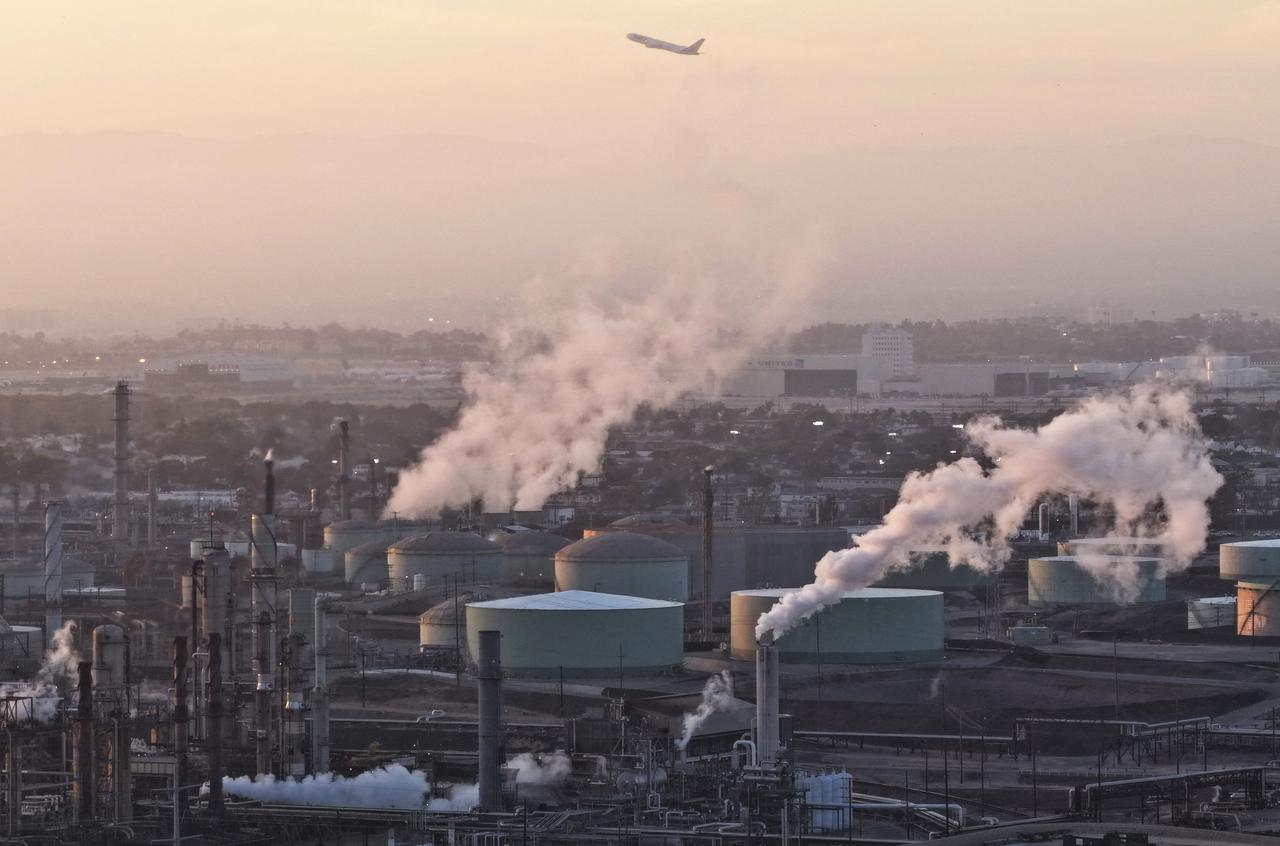
Excluding Iran, overall regional economic growth was expected to slow to just 1.8% in 2026, a downgrade of 2.4% points from pre-war projections, the World Bank said Wednesday.
The bank described the Middle East as experiencing "a serious and immediate economic toll" from the war.
The IMF and World Bank formed a coordination group to address energy market impacts of the war, with a top-level meeting of that body scheduled for Monday.


 Set as preferred source
 Set as preferred source


 3 min read