Newsletters





Europe is entering a new era of climate disruption, with some of the most severe heat waves in recorded history pushing temperatures beyond 40°C (104°F) across France, Spain, Germany, the United Kingdom, and Central Europe. Scientific evidence increasingly shows that these extremes are not isolated weather anomalies, but a direct consequence of human-driven climate change.
Yet Europe’s response reveals a deeper failure of imagination. Instead of confronting the scale of a systemic climate and infrastructure crisis, political debate has narrowed the issue into a technical question of consumer adaptation: how quickly can more air conditioners be installed?
A structural mismatch now sits at the core of Europe’s crisis. The continent’s infrastructure, spanning housing, rail networks, hospitals, and energy systems, was built for a historically temperate climate, not for sustained exposure to extreme heat exceeding 40°C.
What is emerging is not a temporary strain but a fundamental breakdown of design assumptions that no longer align with physical reality.
The consequences are increasingly visible across interconnected systems. Rail infrastructure begins to fail under thermal expansion, with tracks deforming in so-called “sun kink” events. Hospitals are pushed toward operational limits as heat-related emergencies surge beyond normal capacity.
Schools are forced to suspend or shorten operations because indoor environments become unsafe without adequate cooling. At the same time, power generation itself becomes constrained, as nuclear and thermal plants are required to reduce output when cooling water temperatures rise beyond safe thresholds.
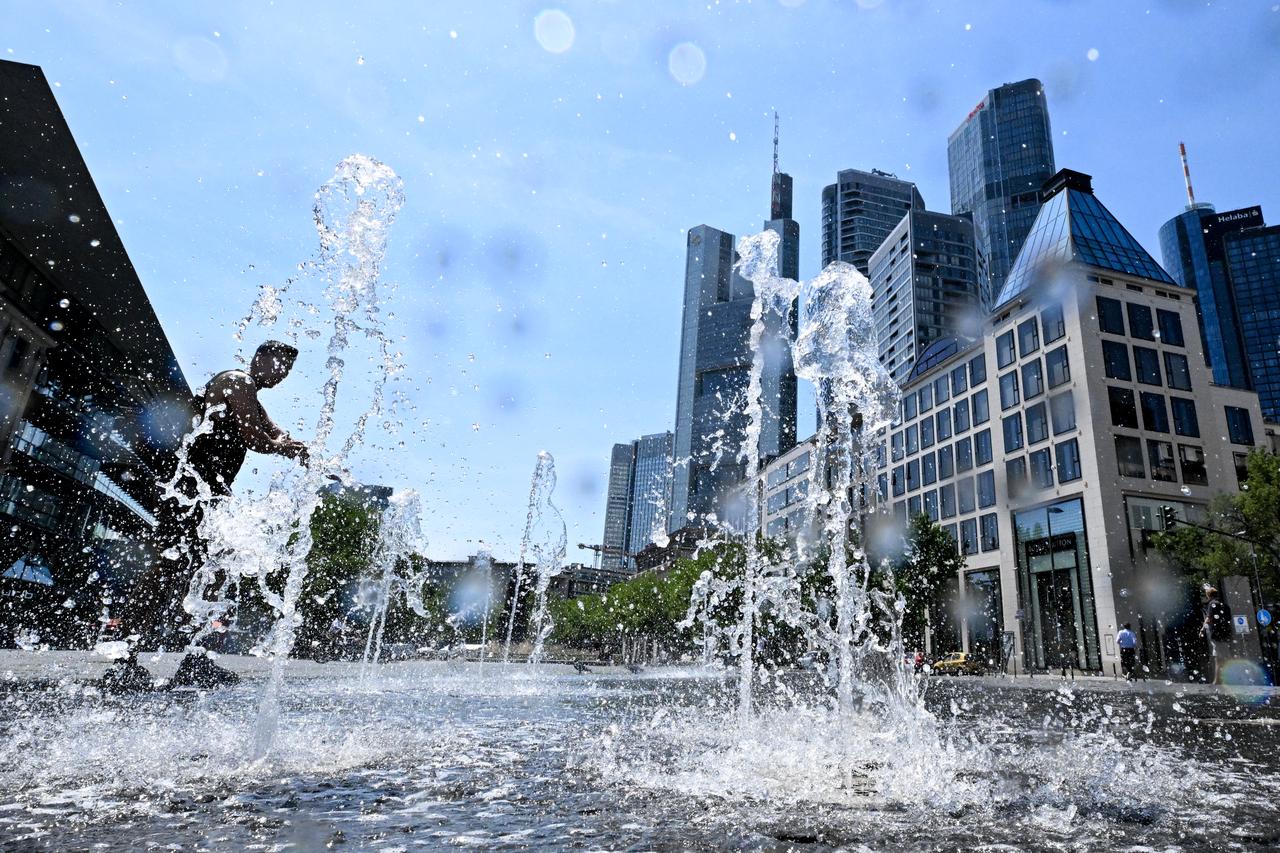

Europe’s surging demand for air conditioning reflects systemic underpreparedness rather than successful climate adaptation. Recent European Union assessments reveal that extreme heat events are driving massive spikes in electricity consumption, straining grid infrastructure at the exact moments it is under maximum stress.
Yet Europe remains fundamentally unprepared for the climate conditions it is now facing. Only around 20% of European households have air conditioning, compared with roughly 90% in the United States and Japan. The gap is often described as a cultural difference. But this explanation ignores the deeper structural problem: Europe spent decades designing buildings, energy systems and urban environments around the assumption that severe summer heat would remain limited and temporary.
That assumption has now collapsed.
The continent’s low air-conditioning penetration reflects adaptation planning. Building regulations historically focused on retaining heat during cold winters rather than preventing overheating during extreme summers.
The numbers reveal how quickly this outdated model is being challenged. According to European Commission energy efficiency data, the number of room air-conditioning units in the European Union increased from fewer than 7 million in 1990 to around 57 million by 2020.
Current projections suggest the number could exceed 100 million units by 2030, with around 70 million households potentially having at least one air conditioner, roughly 35% of European households.
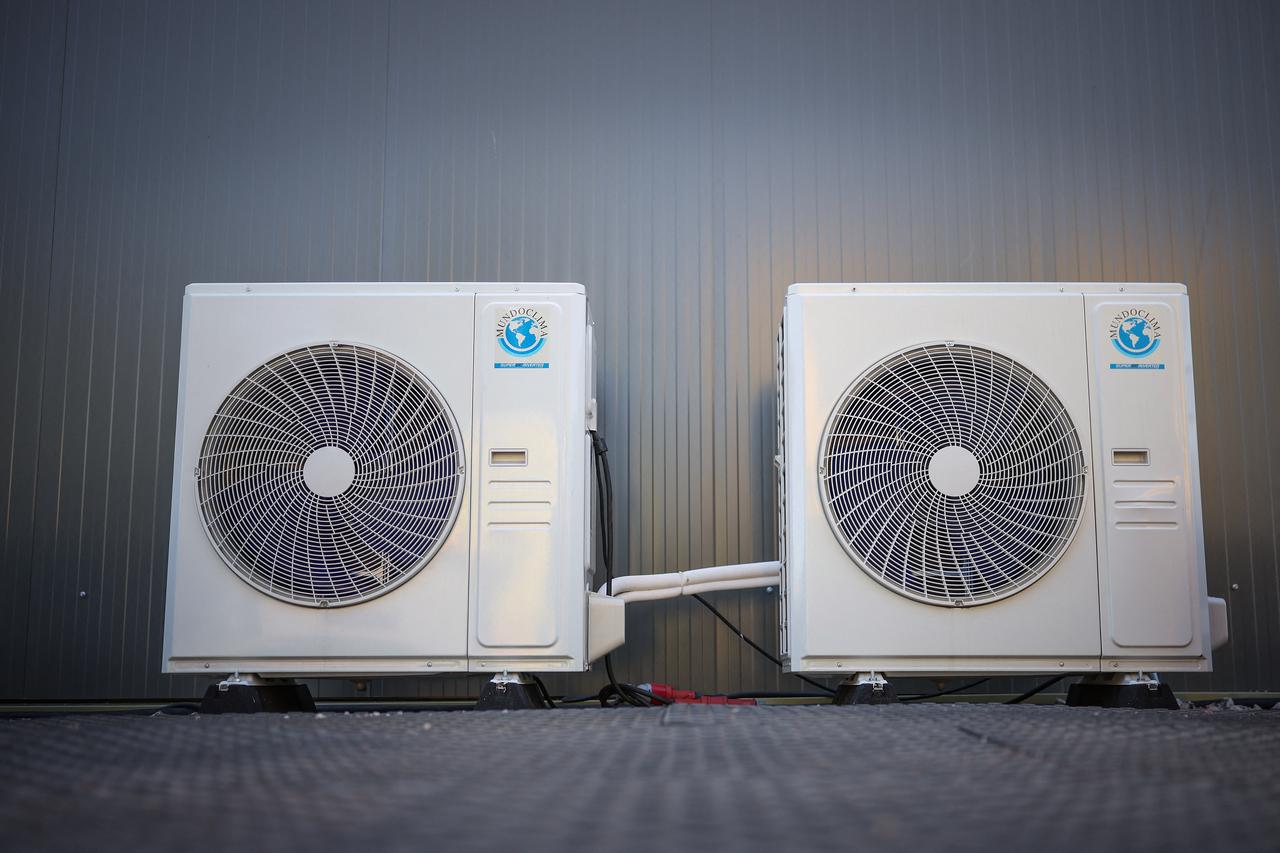
The scale of this shift is visible in the household energy data. According to the ODYSSEE-MURE energy efficiency database, air conditioning accounted for around 2.4% of household electricity consumption in the EU in 2023.
While this share may appear relatively small, the growth trend reveals a much bigger transformation: average annual electricity consumption linked to air conditioning increased from around 21 kilowatt hour (kWh) per household in 2000 to 87 kWh in 2023 as cooling equipment became more widespread.
According to Eurostat, while total household energy consumption in the EU slightly declined in 2024, energy use for space cooling moved in the opposite direction. Compared with 2023, energy consumption for space cooling increased by 15.3%, making it one of the fastest-growing household energy categories. By contrast, energy used for space heating declined by 1.2% over the same period.
Air conditioning merely treats the symptom of a larger systemic failure across Europe.
The continent's historic cities, transport networks, and energy grids were engineered for a temperate climate that has vanished. Today, intensifying heat waves are turning this design mismatch into an active crisis—baking buildings, buckling rail tracks, and straining power grids not built for prolonged heat spells.
The climate has shifted; the infrastructure must follow suit before it breaks entirely.


 Set as preferred source
 Set as preferred source


 1 min read


 1 min read