Newsletters


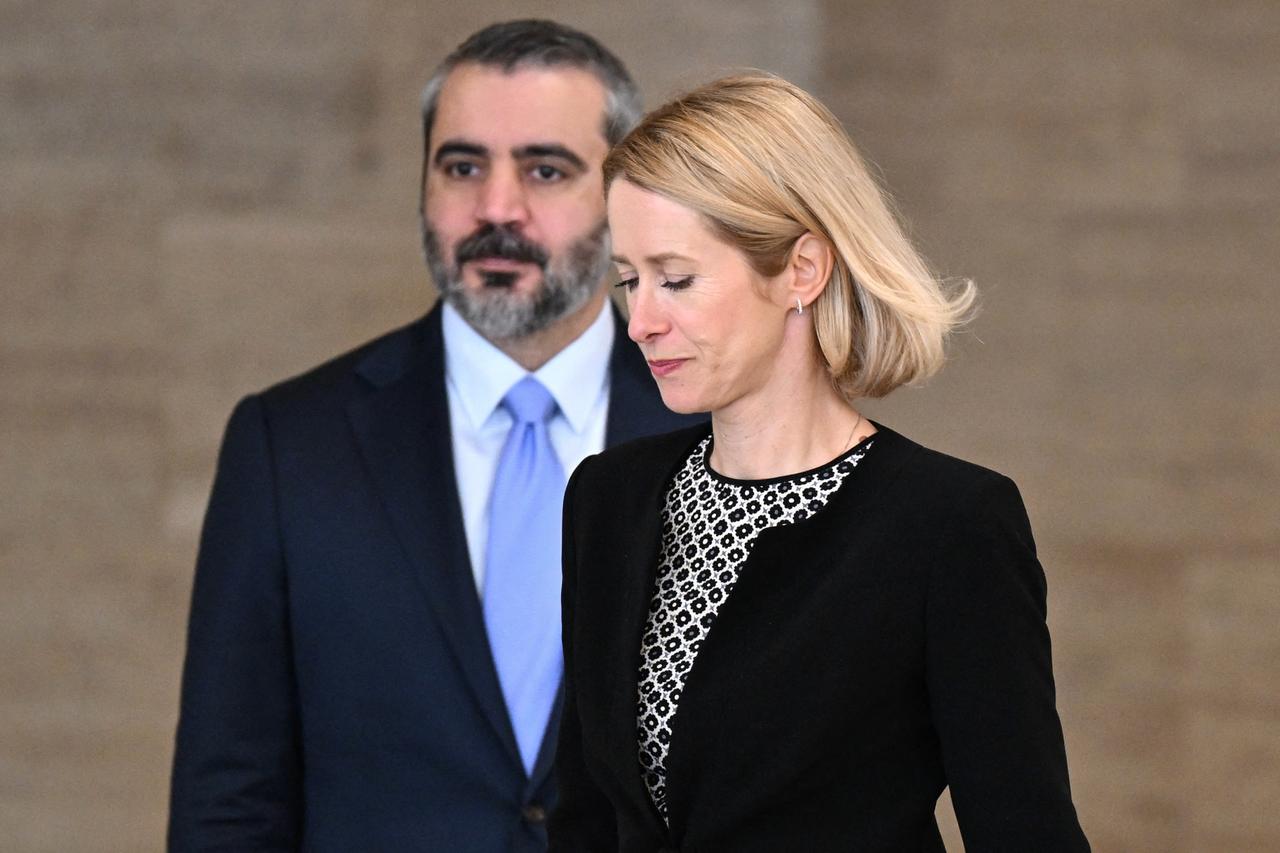


The European Union's top diplomat said Tuesday that Brussels wants to deepen its partnership with Syria and help finance the country's recovery, but she tied further support to continued domestic reform, during a visit to Damascus that Syrian officials described as the first by an EU foreign policy chief in 15 years.
Kaja Kallas, the EU's high representative for foreign affairs and security policy, met with Syrian Foreign Minister Asaad al-Shaibani at the Tishrin Palace before holding a joint press conference.
"The European Union is using its political and economic tools to help Syria on the path of inclusive and peaceful transition," Kallas said.
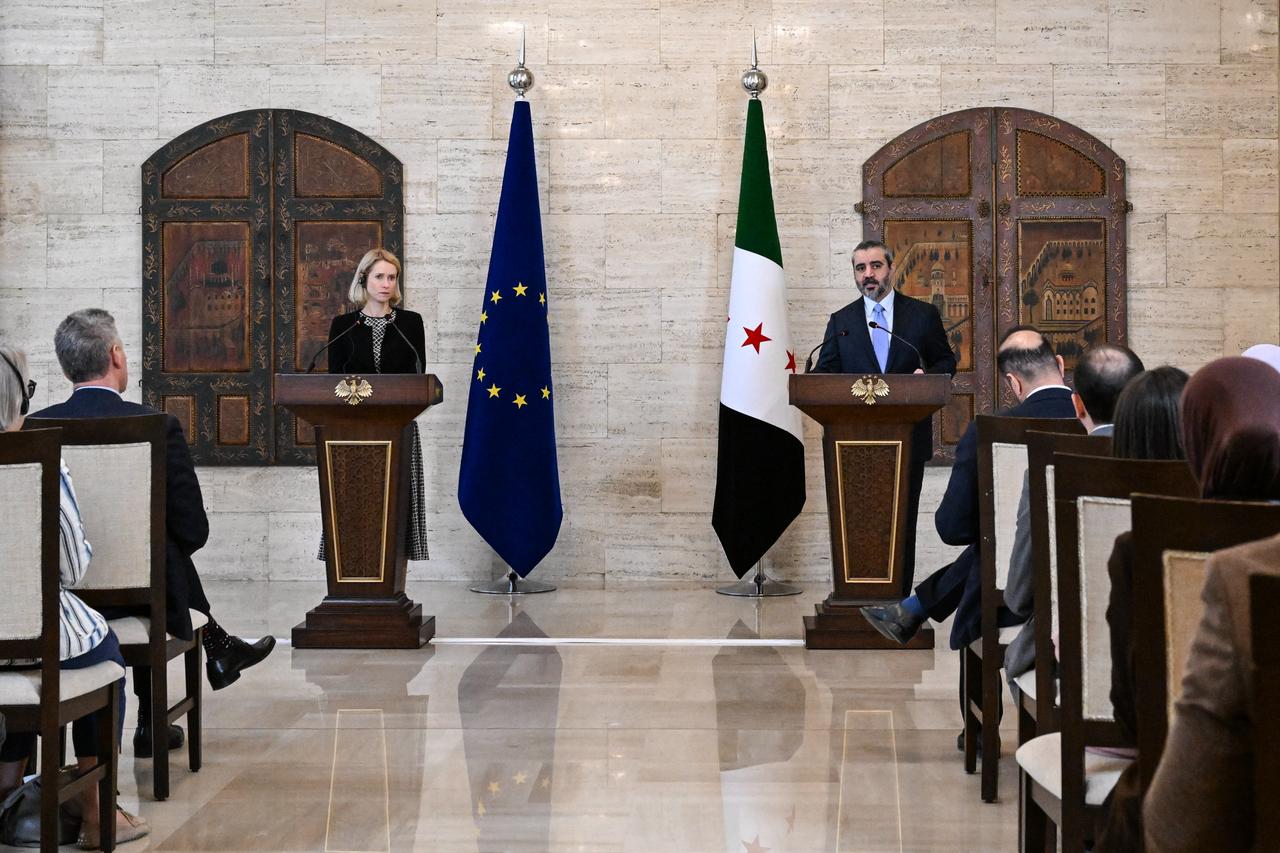

The talks focused heavily on updating the legal framework governing EU-Syria relations.
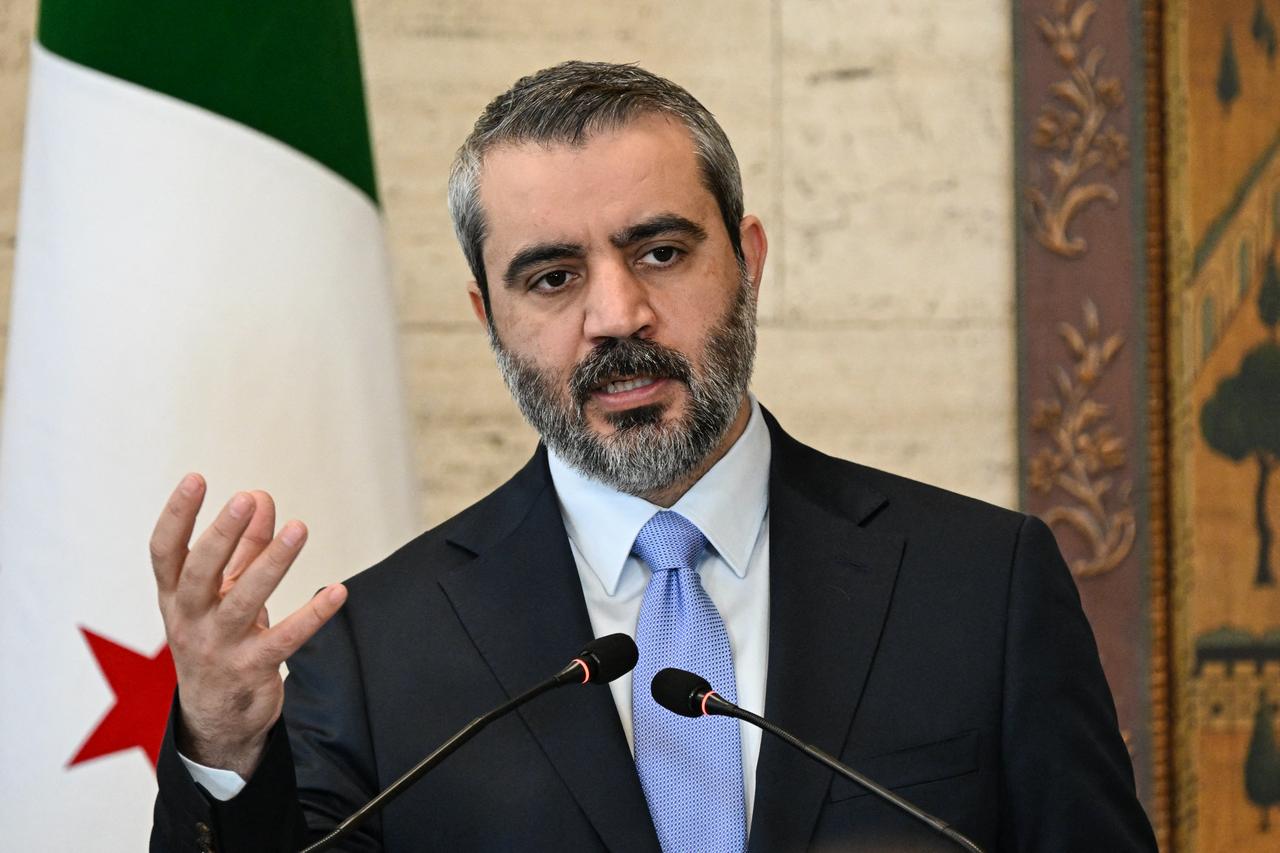
Shaibani said the two sides aim to produce a joint scoping document by the end of the first quarter of next year for a new partnership agreement that would replace one dating to 1977, with negotiations to proceed through technical committees.
He said Syria also intends to raise its diplomatic representation in Brussels to ambassador level and hopes to be included in the EU's multiannual financial framework for 2028-2034, adding that Damascus wants to "elevate our cooperation to the level of a strategic commitment," including in governance and public services.
Kallas struck a similar tone but emphasized conditions. "Now we aim to mobilize even more investment and upgrade our partnership.
But that's also very much dependent on Syria's side," she said, calling for stronger institutions, rule of law and the equal participation of women, along with reconciliation and transitional justice.
"Aid alone cannot build Syria," she said. "Foreign and domestic investment needs trust, and trust needs security, clear rules, rule of law, functioning institutions." She added, "We are ready to help to build the institutions."
The visit builds on a shift in EU policy since the fall of longtime ruler Bashar al-Assad in December 2024, after which the bloc lifted economic sanctions and, in May, restored a formal EU-Syria cooperation agreement.
Kallas said the EU is already providing 620 million euros for recovery, humanitarian needs and institution-building.
European Commission President Ursula von der Leyen told Syrian President Ahmed al-Sharaa in January that Europe would "do everything it can" to support the country's recovery.
Shaibani noted that on May 18 the EU removed several Syrian state institutions, including the defense and interior ministries, from its sanctions list, and that the European Commission took part in a workshop on a national framework for voluntary returns in early September, alongside the launch of a technical support platform for Syrian institutions.
Syria has endured more than 13 years of conflict that killed more than half a million people and devastated its infrastructure and industry, driving millions of Syrians abroad.
Syrians have made up the largest single group of asylum-seekers in the EU over the past decade, and the bloc has pushed for large-scale returns as conditions stabilize.
Shaibani said Syria continues to implement its national framework for voluntary returns and has been active in fighting cross-border crime, illegal migration, drug smuggling and human trafficking.
"We discussed ways to support the capacities of the Syrian coast guard, in the belief that the security of the Mediterranean also begins with our shores," Shaibani said. "Syria's security is an integral part of Europe's own security," he added, a framing Kallas's visit appeared to echo.
Shaibani said Syria's position on sanctions has not changed: while Damascus supports continued sanctions on figures associated with the former regime, it wants remaining sanctions lifted from state institutions and government-affiliated bodies, arguing they obstruct recovery.
He said Syria has abandoned its weapons-of-mass-destruction programs, regained its rights within the Organisation for the Prohibition of Chemical Weapons, and that a file related to the former regime at the International Atomic Energy Agency has been closed.
He pointed to the convening of the People's Assembly in July and the integration of the Syrian Democratic Forces into state institutions as steps strengthening the country's unity.
On regional conflicts, Shaibani said, "We rejected turning our territory into a platform for any attack," and voiced solidarity with Gulf states and Jordan following Iranian strikes, calling for diplomatic solutions.
He also renewed criticism of Israeli strikes on Syria, saying they target a country in recovery and that Europe should not limit itself to statements of concern.
He called on the EU's Foreign Affairs Council to explicitly characterize the Israeli attacks and to demand that Israeli forces withdraw to earlier lines, and urged that the issue be placed on the agenda of the EU's Political and Security Committee.
Shaibani also reiterated that the Golan Heights are Syrian territory and cited U.N. Security Council Resolution 497, which declared Israel's annexation of the territory "null and void."
He said Syria welcomed the EU's rejection of Israeli sovereignty over the Golan, reaffirmed Syria's adherence to the 1974 Agreement on Disengagement of Forces, and called for EU support in renewing the mandate of the U.N. Disengagement Observer Force.
"Our request from our partners is simple and direct," Shaibani said. "As the president said, say what international law says."


 Set as preferred source
 Set as preferred source


 1 min read
 1 min read