Newsletters





Former Greek prime minister Alexis Tsipras has launched a new left-wing party, seeking to return to the center of Greek politics after months on the sidelines and unite a fragmented opposition ahead of elections scheduled for 2027.
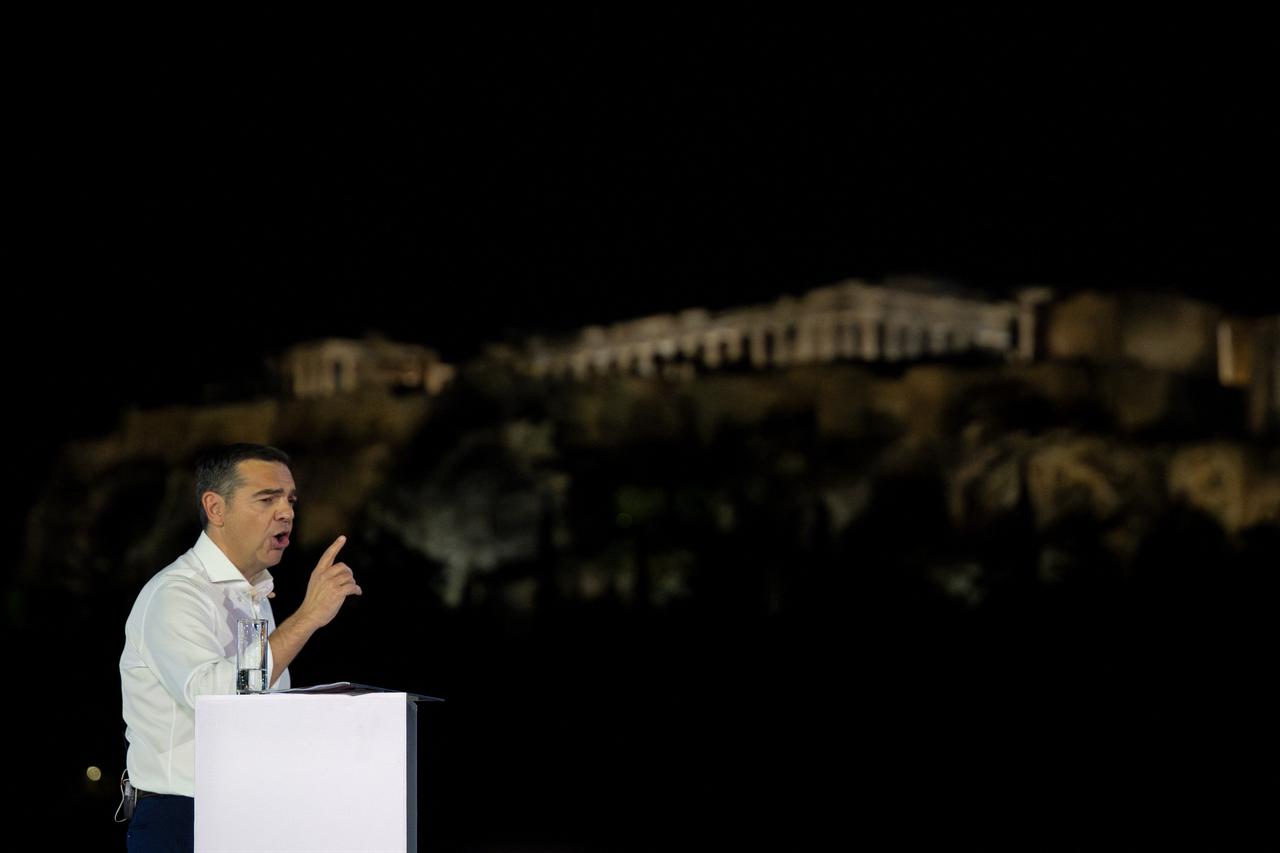
Speaking Tuesday at a rally in central Athens, with the Acropolis illuminated behind him, Tsipras said his new party, the Greek Left Alliance, or ELAS, would seek to form “a broad progressive alliance” bringing together “the radical left, social democracy and political ecology.”
“This is the governing left of the new era,” Tsipras told thousands of supporters gathered in Thiseio, at an event broadcast live on television and social media.
The 51-year-old said he was returning “to restore trust where disappointment prevails today,” and argued that Greece “needs a shock of integrity and democracy” after years under conservative Prime Minister Kyriakos Mitsotakis.
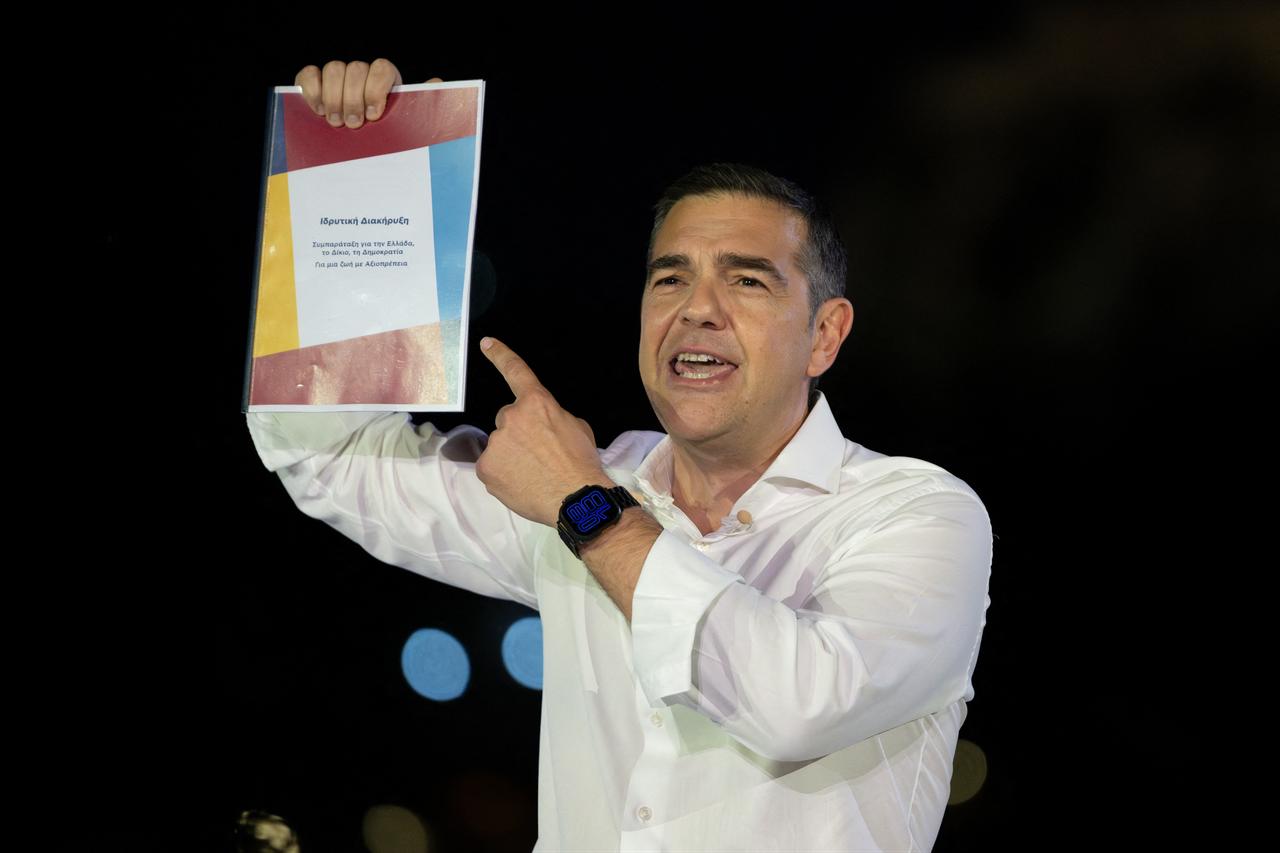

Tsipras said his new party aimed to “end the authoritarianism and corruption that are the hallmark of today’s government.”
He accused the current government of presiding over political and moral decline, saying the Greek state had “fallen into the hands of a caste that treats it as spoils.”
He cited corruption allegations, the Tempe rail disaster and wiretapping claims as signs that Greece was “steadily regressing” and drifting away from European democratic standards.
Tsipras said the new party would build on Greece’s “great progressive political and national traditions.”

Tsipras rose to prominence during Greece’s debt crisis and became the country’s youngest prime minister in 150 years when he came to power in 2015.
He had promised to eliminate austerity and later clashed with the European Union and International Monetary Fund, to which Greece owed money, bringing the country close to exiting the eurozone.
The former radical communist ultimately backed down and signed a final rescue deal that allowed Greece to overcome the crisis in 2018.
The compromise split his Syriza party, which later lost successive elections to Mitsotakis’s New Democracy Party. Tsipras stepped down as Syriza leader in 2023 after another defeat and resigned as a member of parliament in October.
Antonis Papargiris, research director of polling firm GPO, told AFP that Tsipras “will attempt to present himself as the deterrent capable of dislodging Mitsotakis.”
Papargiris said Tsipras’s goal was “to secure second place and the role of leader of the opposition,” with national elections after 2030 as a longer-term target for a renewed bid for power.
Opinion polls have shown that up to 18% of respondents could back a party led by Tsipras, enough for second place. He is also expected to attract several Syriza lawmakers and cadres.
The new party’s name drew immediate criticism because ELAS is also the acronym of Greece’s police and the name of the communist guerrilla force that fought the Nazis during World War II.
Several of Tsipras’s former supporters have also criticized his move toward the political center.
“I think that Alexis Tsipras believes that the story of the left is over for him,” his former finance minister Euclid Tsakalotos told Action24 last week.
Rising prices and a series of scandals have weakened support for Mitsotakis’s government, now in its seventh year in power.
The issues include a farm subsidy scandal investigated by the EU and a wiretapping scandal in which cabinet members, journalists and socialist opposition leader Nikos Androulakis were targeted.
There is also widespread anger over the slow investigation into Greece’s worst train disaster, which killed 57 people in 2023 and took three years to reach trial.
Elections are scheduled for 2027, though there is speculation they could be held as early as September.
An Alco poll this month showed nearly 80% of Greeks believe laws are applied only “selectively,” while nearly 50% said rule of law issues would influence their vote.
Mitsotakis remains ahead in the polls, but Greece’s political landscape has grown more fragmented, with as many as three new potential parties emerging.
Former conservative prime minister Antonis Samaras, a longtime critic of Mitsotakis who was expelled from New Democracy in 2024, is also strongly rumored to be planning a challenge.
Maria Karystianou, who became prominent while campaigning for victims of the 2023 train disaster in which she lost her daughter, also announced a new party on May 21.
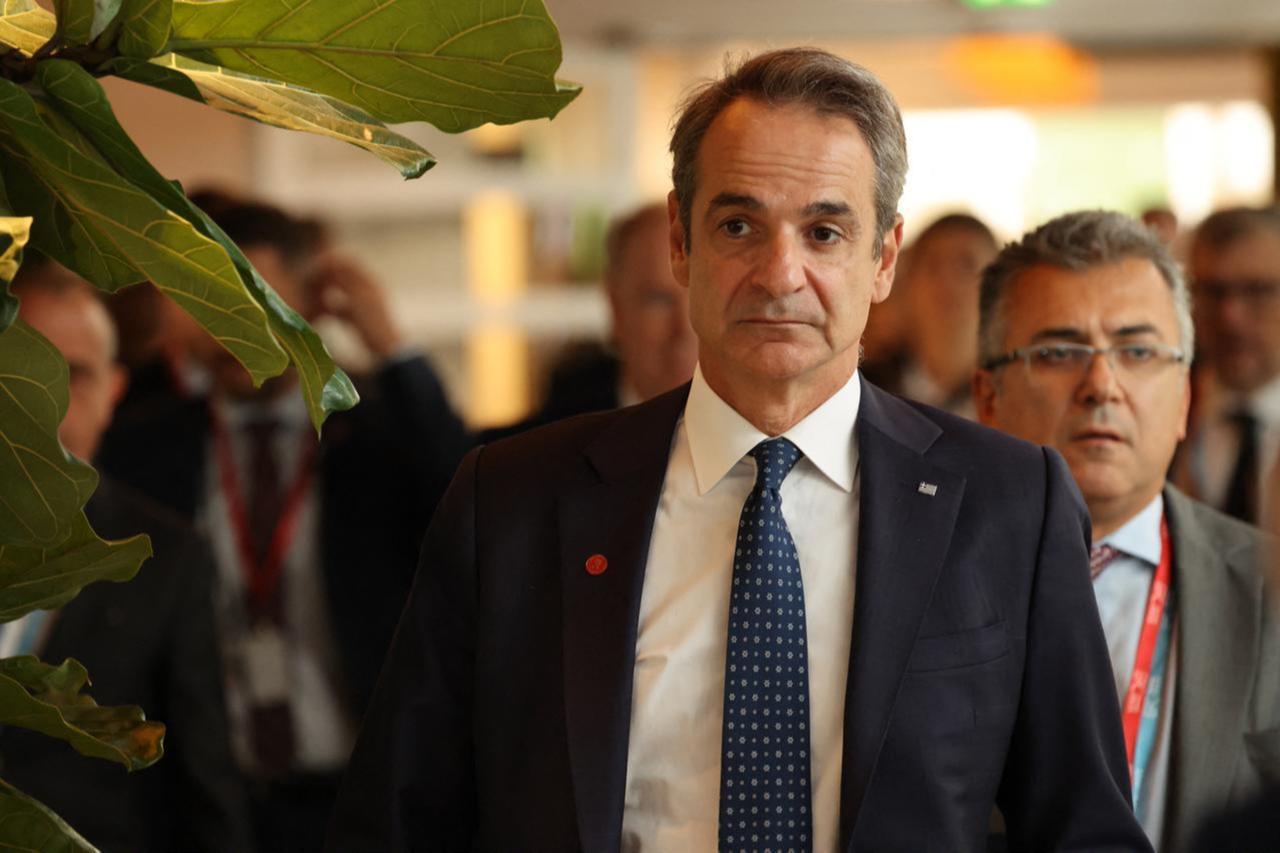
Mitsotakis told his cabinet this week that the new parties “seem to repeat old patterns of thinking,” describing the emerging landscape as a “political Babel whose only common ground is the denunciation of the government.”


 Set as preferred source
 Set as preferred source


 1 min read
 1 min read