Sign in
 Newsletters


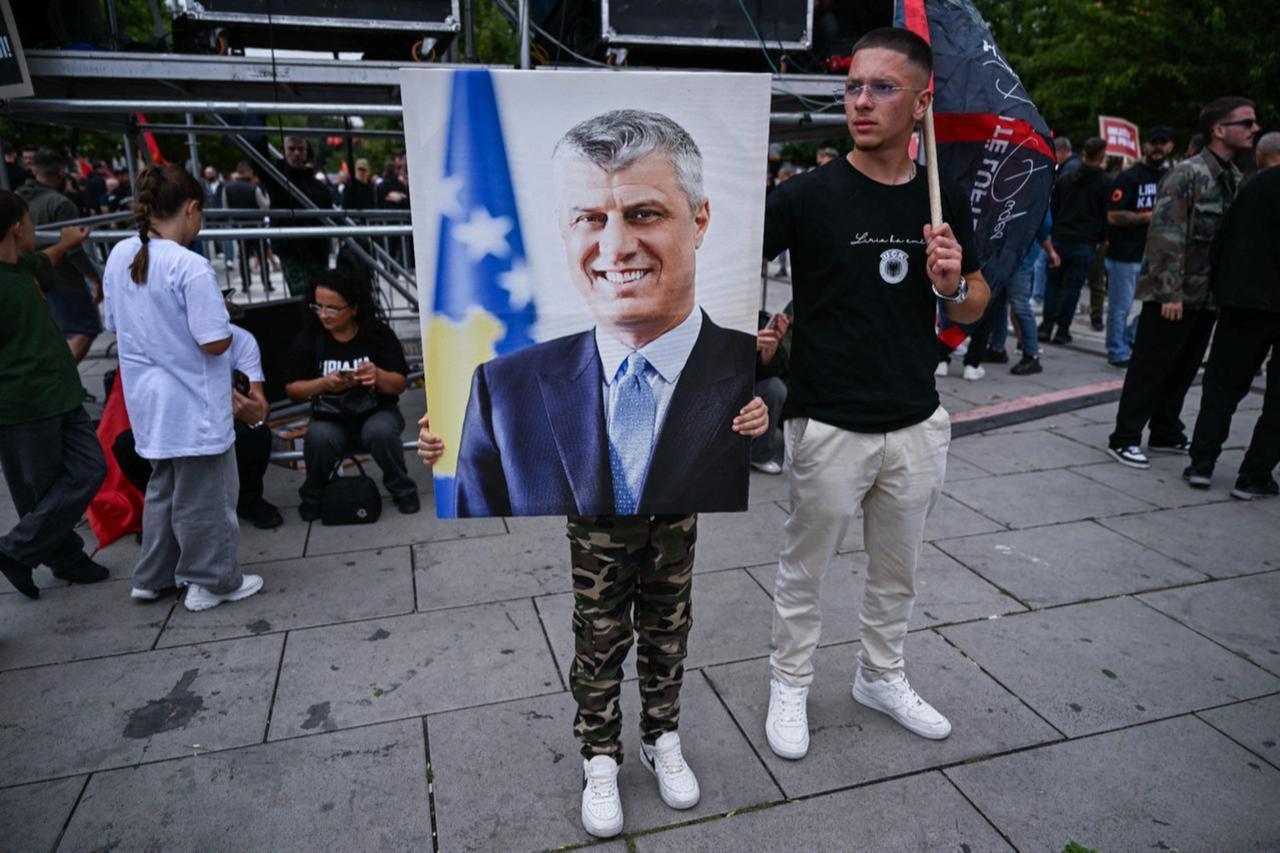


Former Kosovo President Hashim Thaci was sentenced to an additional 17 months in prison Tuesday after a special tribunal in The Hague found him guilty of attempting to influence prosecution witnesses and disclosing confidential information during his war crimes trial.
The Kosovo Specialist Chambers convicted Thaci, 58, on nine of 11 charges, including obstructing court officials, violating the confidentiality of proceedings and interfering with witnesses.
The ruling follows his September conviction for war crimes, including murder, torture and unlawful detention during Kosovo's 1998-1999 war for independence from Serbia, for which he received a 25-year prison sentence.
Thaci has denied wrongdoing and plans to appeal his war crimes conviction.

Presiding Judge Christopher Gosnell found that Thaci shared confidential information about prosecution witnesses with associates visiting him in detention in 2023 and instructed them on what witnesses should say during his trial.
The judge described the offenses as an "attack on the integrity of the judicial system," emphasizing their seriousness.
In one instance, Kosovo Liberation Army (KLA) veteran Fadil Fazliu passed instructions from Thaci to a witness, telling him to deny receiving messages from the former president if questioned by prosecutors.
Fazliu and another visitor, Bashkim Smakaj, each received 12-month prison sentences but were released after receiving credit for time served.
Former Deputy Prime Minister Hajredin Kuci received a one-month suspended sentence, while former Malisheva Mayor and KLA commander Isni Kilaj was acquitted.
Thaci reportedly shouted, "This is politics, not justice" after the verdict, according to Kosovo media.
Prosecutor Kimberly West welcomed the ruling, saying it sent a "clear message" that attempts to interfere with witnesses or disclose confidential court materials would be punished regardless of a person's position.
Prosecutors had sought a six-year sentence in the witness tampering case.
Thaci, a former KLA commander who later served more than seven years as prime minister, played a prominent role in Kosovo's 2008 declaration of independence.
The KLA emerged during the 1990s amid growing repression of ethnic Albanians in Kosovo, then a Serbian province. The conflict ended in 1999 after NATO airstrikes forced Serbian forces to withdraw.
Thaci's political standing was later affected by a 2010 Council of Europe report alleging links to organized crime and wartime abuses, alongside accusations of corruption and concentrating political power.
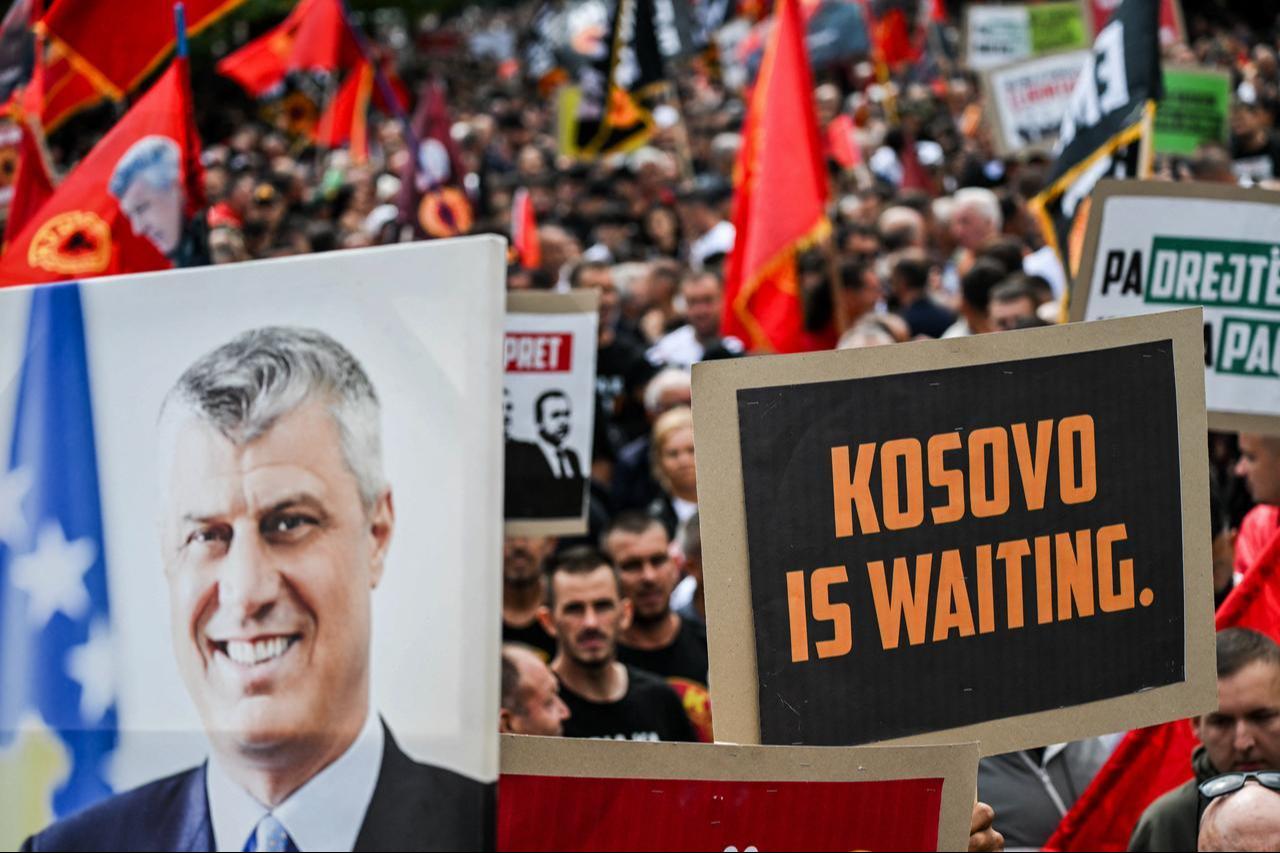
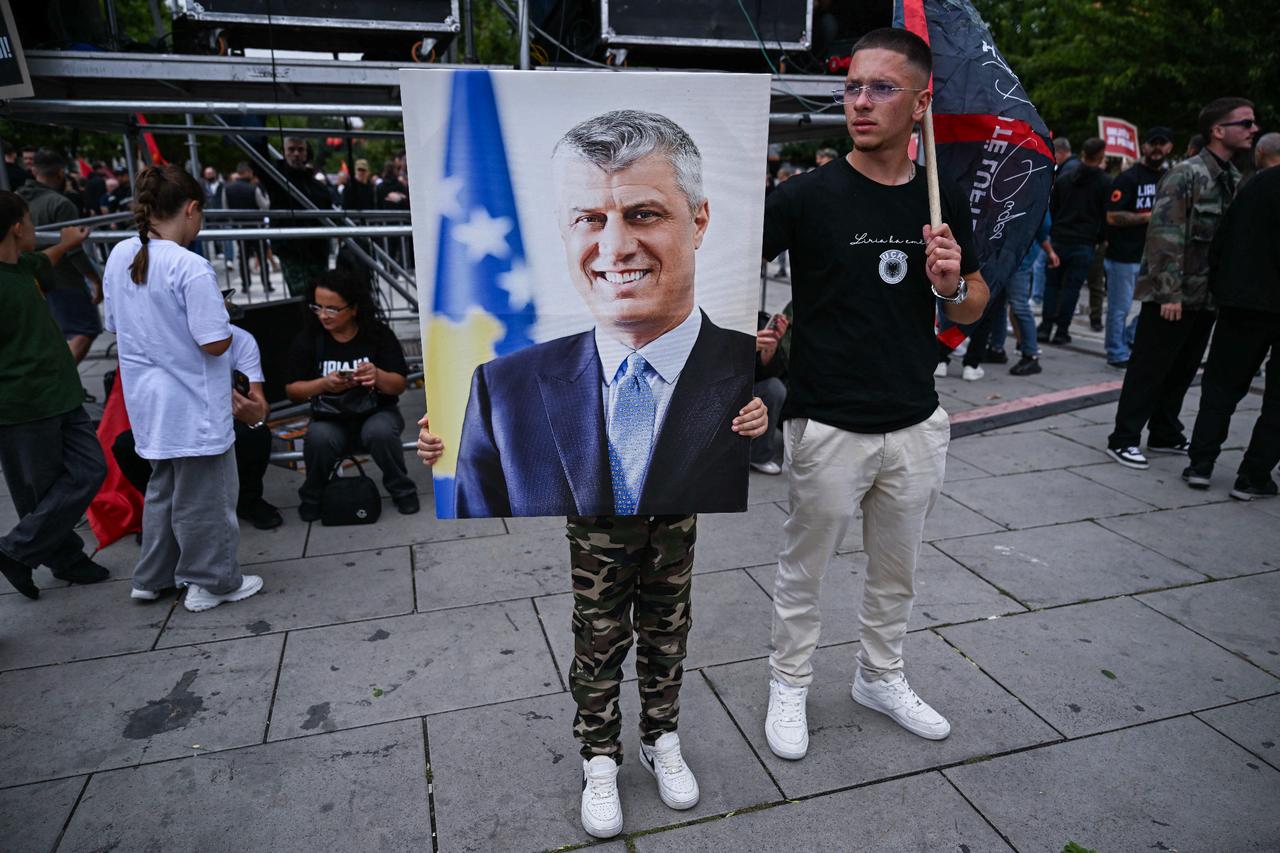
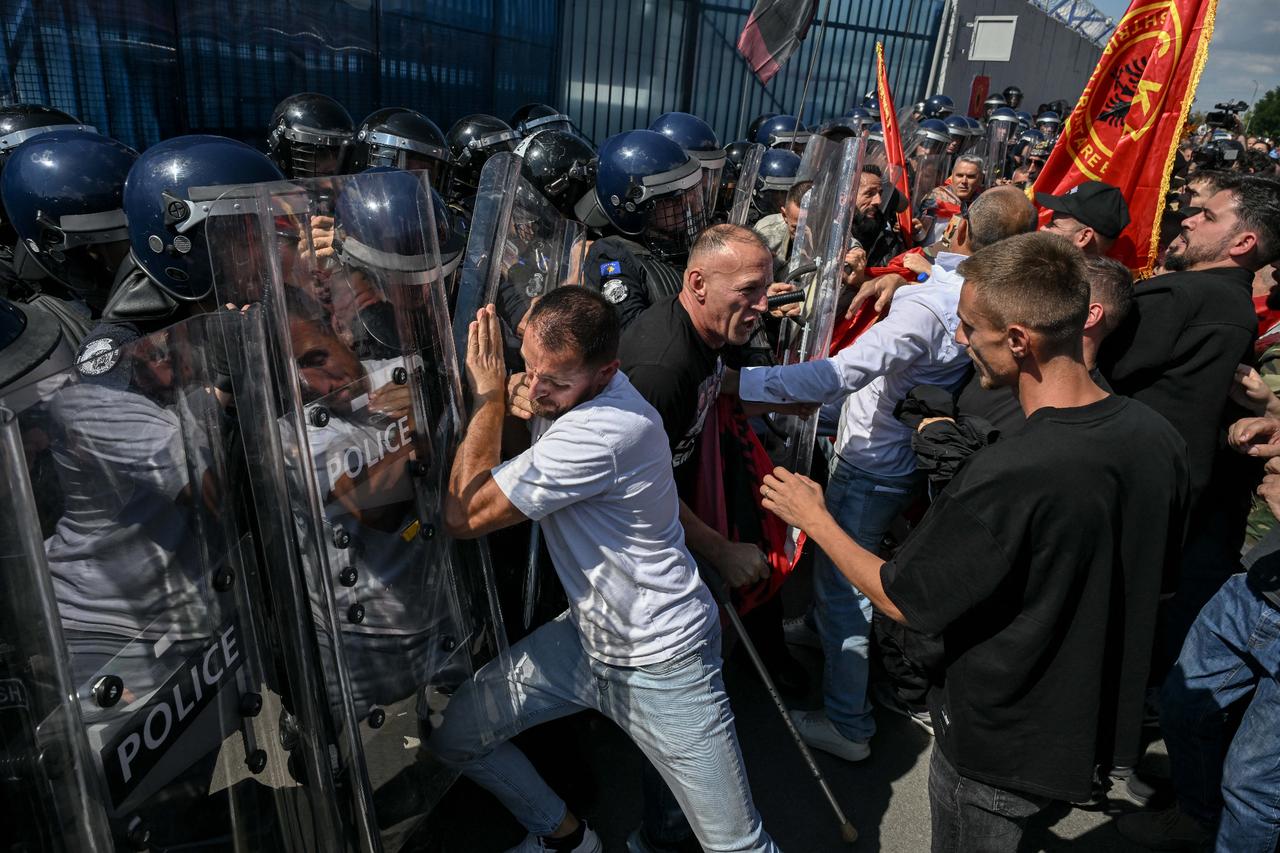
His September war crimes conviction sparked protests across Kosovo, where many ethnic Albanians continue to regard former KLA leaders as independence heroes.
The unrest prompted a political agreement to restrict the powers of the Kosovo Specialist Chambers, which operates in The Hague as part of Kosovo's judicial system to ensure independent and secure proceedings.
Kosovo's parliament voted last month to significantly limit the court's authority, although it remains unclear whether the changes will affect Thaci's war crimes conviction.


 Set as preferred source
 Set as preferred source


 1 min read
 1 min read