Sign in
 Newsletters


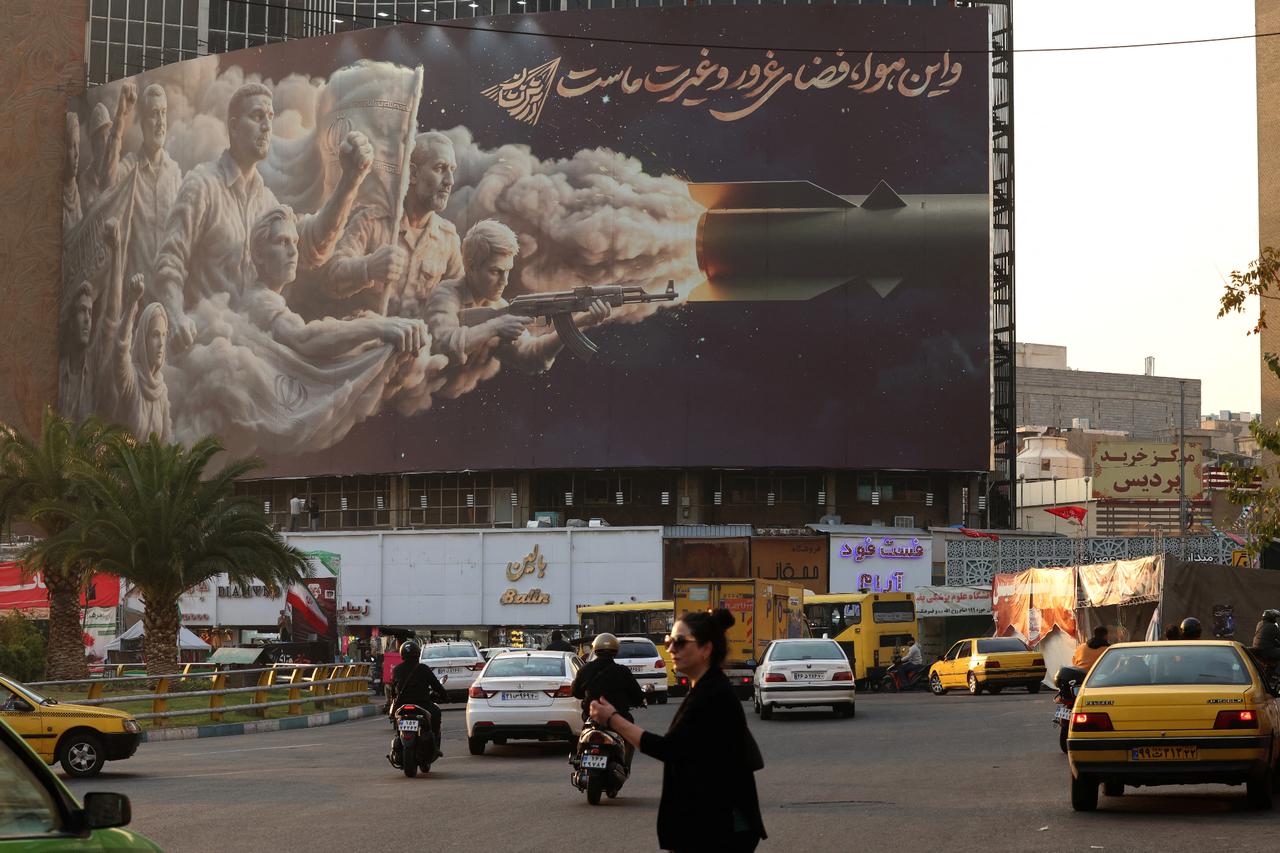


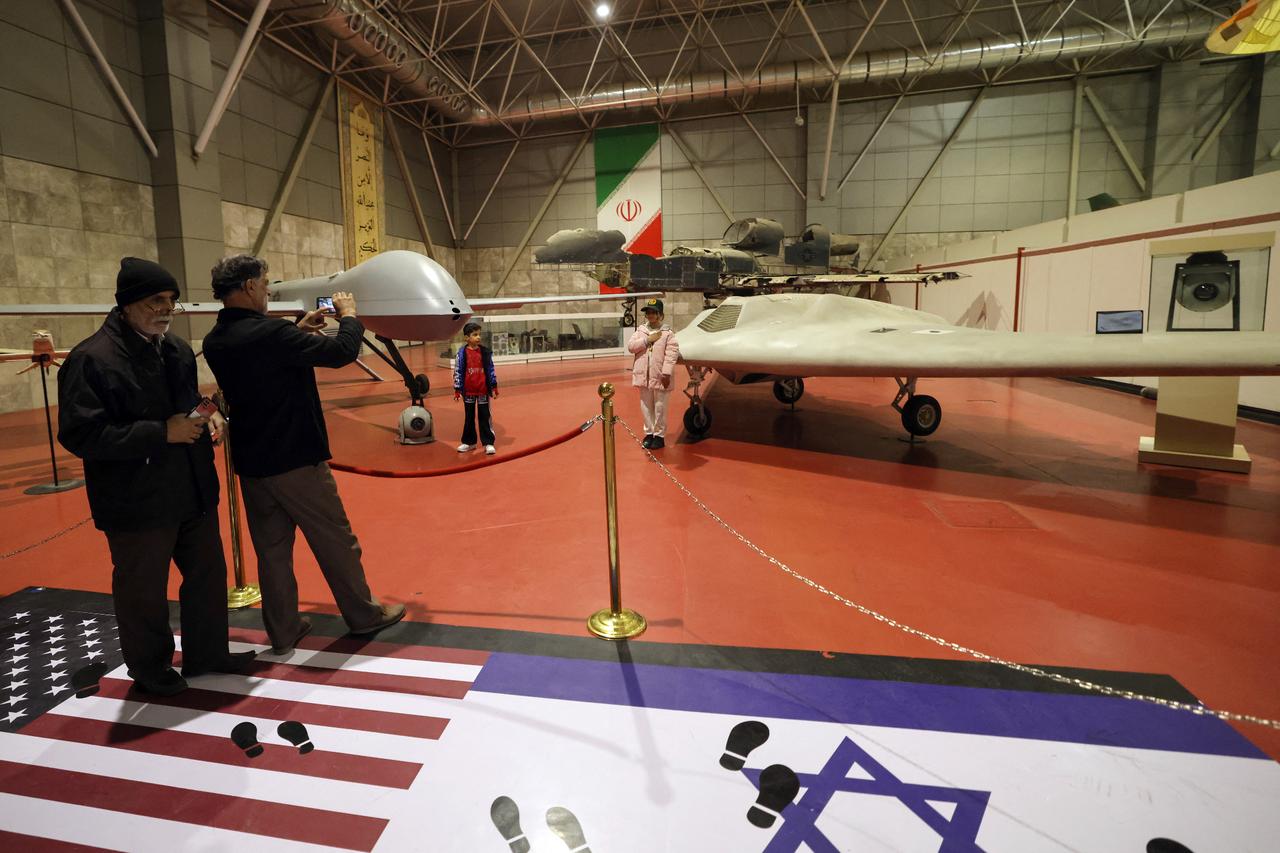
Iran on Tuesday dismissed as "fabricated" a CNN report that it was developing plans to detonate a so-called dirty bomb in Washington, accusing the U.S. and Israel of laying the media groundwork for further attacks on the country.
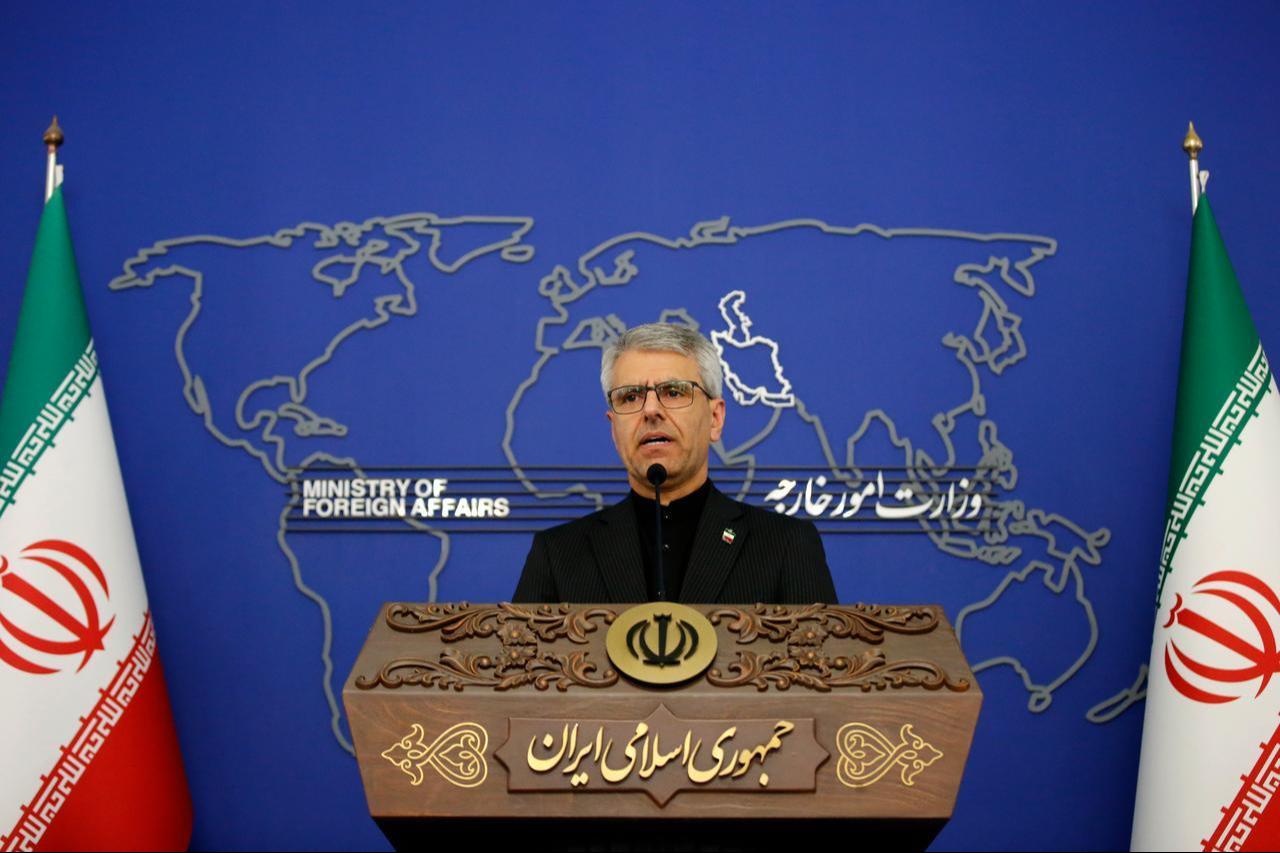
"Those who initiated the aggression against Iran are now seeking to lay the media groundwork for their sinister designs by manufacturing and disseminating baseless allegations, including the recent claims published by The New York Times and the fabricated media narrative surrounding an alleged ‘dirty bomb’ propagated by CNN," Foreign Ministry spokesman Esmaeil Baghaei wrote on X.
"Step by step, they are attempting to manufacture a veneer of legitimacy for further aggression and atrocities," he said.
"Iran knows well how to respond to any act of aggression and ensure that it is met with an unforgettable response," the Iranian official added.

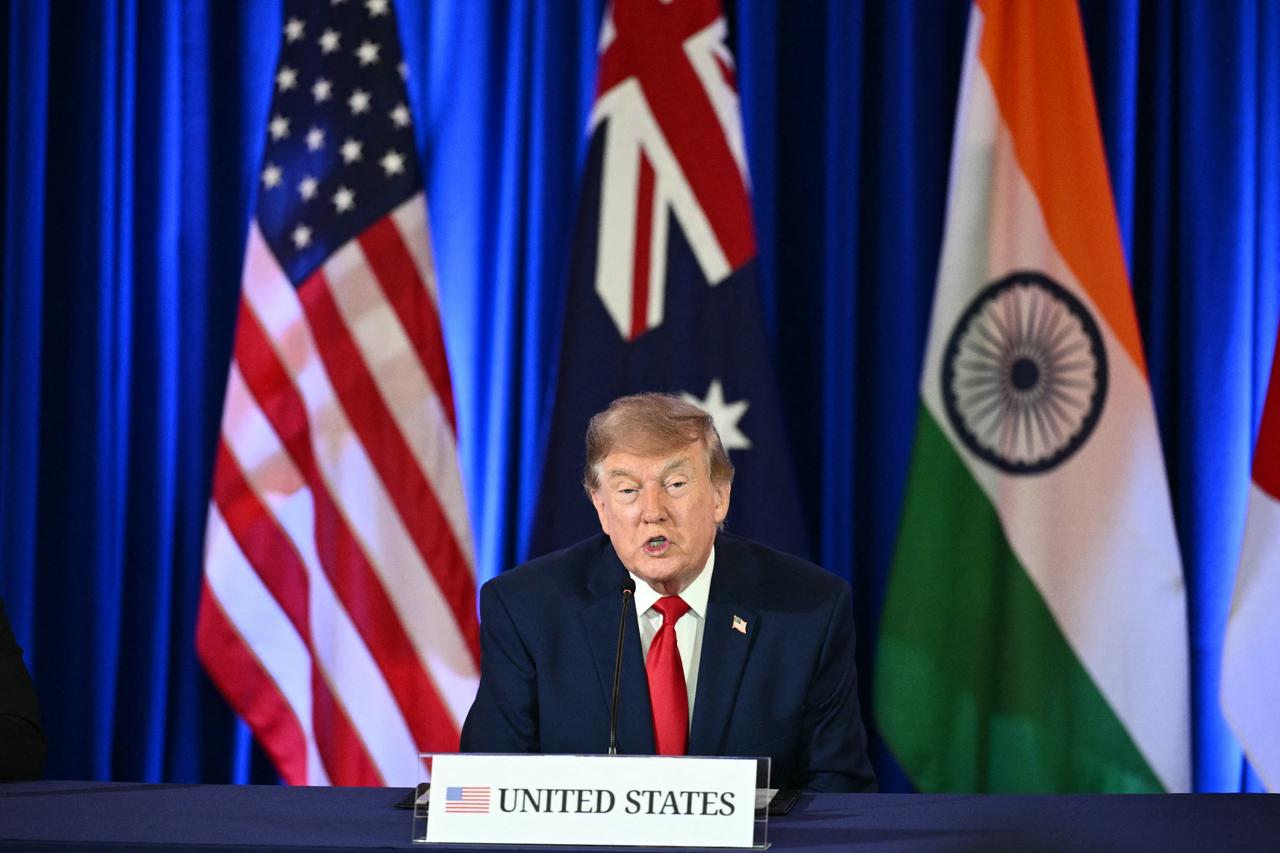
U.S. President Donald Trump nodded when asked by a reporter in Manila whether Iran was planning to detonate a dirty bomb in the U.S. capital. "We’re looking into it," he said.
Asked whether there was an imminent threat, Trump said: "Well, if there is, they will pay a price the likes of which no country has ever paid before."
He added: "I hope it’s not, but we take it very seriously because they happen to be crazy."
CNN reported Monday, citing seven U.S. officials, that U.S. intelligence indicates Iran is developing plans to target senior Trump administration officials with a dirty bomb or chemical weapon in Washington, though officials are divided on whether Tehran can or will carry it out.
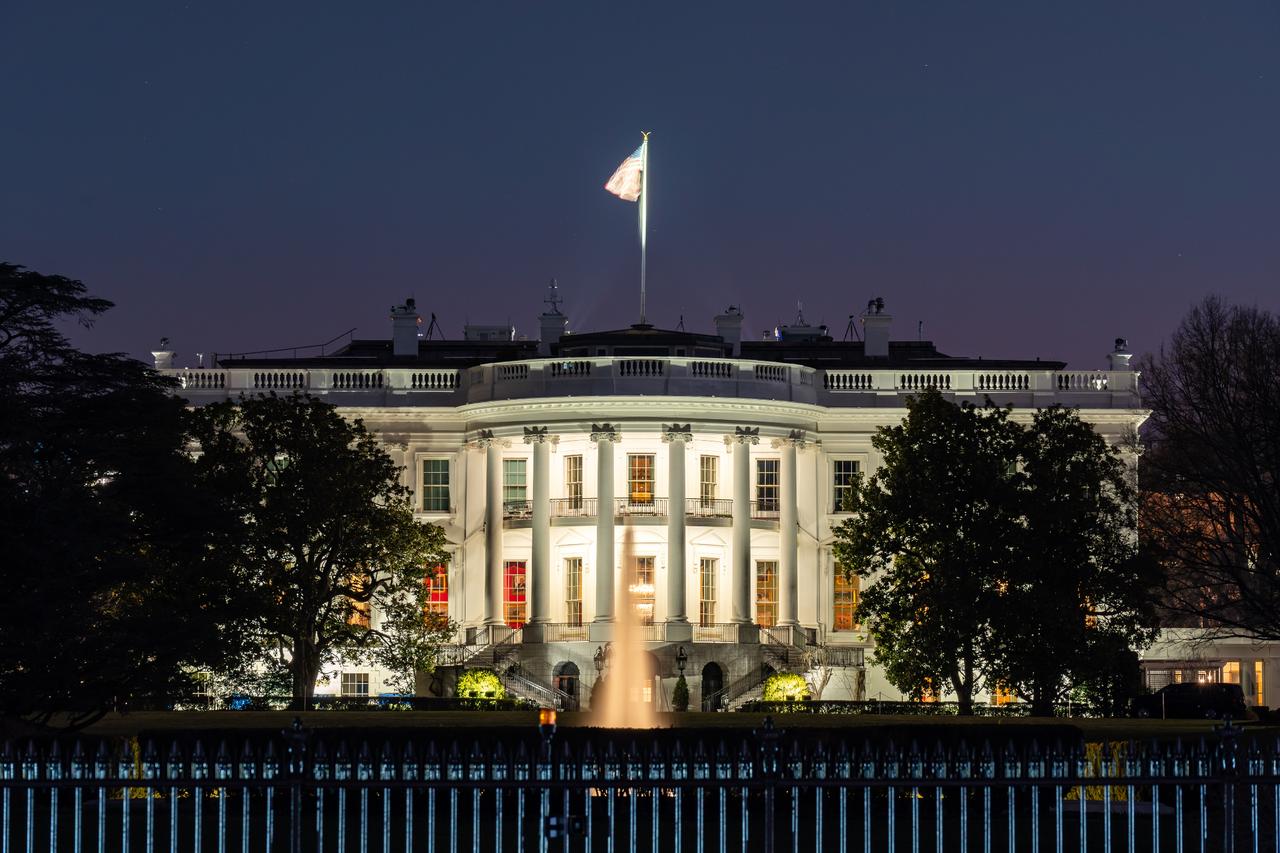
The White House said there were "no credible threats to the homeland" at this time.
Iran’s U.N. mission said Tehran “categorically rejects and unequivocally refutes the false and fabricated allegations” regarding chemical weapons.
Baghaei also rejected a New York Times (NYT) report linking Iranian dams to missile sites as "baseless allegations" aimed at “justifying attacks on a country’s vital infrastructure.”
He said U.S. and Israeli strikes had targeted water reservoirs in Khomeyn, Haftkel and Bamani; desalination facilities on Qeshm Island, in Nikshahr; in Tis and the village of Banji in Jask, cutting water to civilians.
 1 min read
"Portraying the geographical proximity of civilian infrastructure to military facilities as grounds for designating it a legitimate military target is neither a credible argument nor a substantiated claim. Rather, it is a sinister fallacy," he wrote, citing Article 56 of Additional Protocol I to the Geneva Conventions, which protects dams.
The international community "must recognize that silence and appeasement in the face of sinister campaigns to normalize flagrant violations of international legal norms will have devastating consequences, not merely for the region, but for humanity as a whole," Baghaei said, as Tehran rejected the dirty bomb claims.


 Set as preferred source
 Set as preferred source


 1 min read