Newsletters


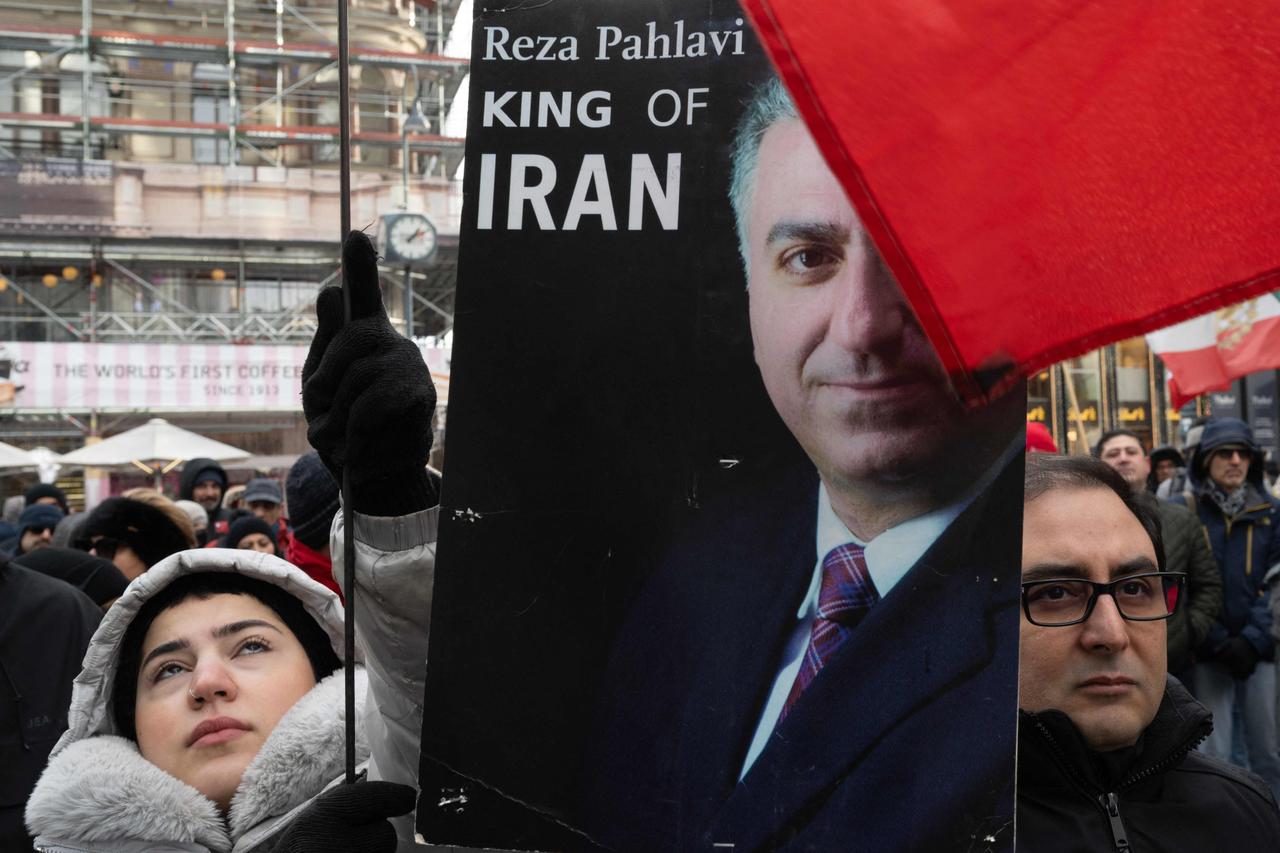


Reza Pahlavi, the 65-year-old son of Iran’s last shah, has moved back to the center of Iranian opposition politics as large-scale protests spread across the country.
He has lived in exile in the United States since the 1979 revolution and now presents himself as a transitional figure who can help end the rule of Supreme Leader Ali Khamenei while guiding Iran toward a secular democratic system.
His renewed visibility comes as demonstrations fill streets in over 100 towns and cities across Iran. Protesters face internet shutdowns and violent crackdowns as security forces attempt to contain unrest.
In several cities, crowds chant references to the former monarchy and raise the pre-revolution Lion and Sun flag, while analysts and opposition figures remain divided over whether Pahlavi represents a unifying leader or a polarizing heir to a disputed past.
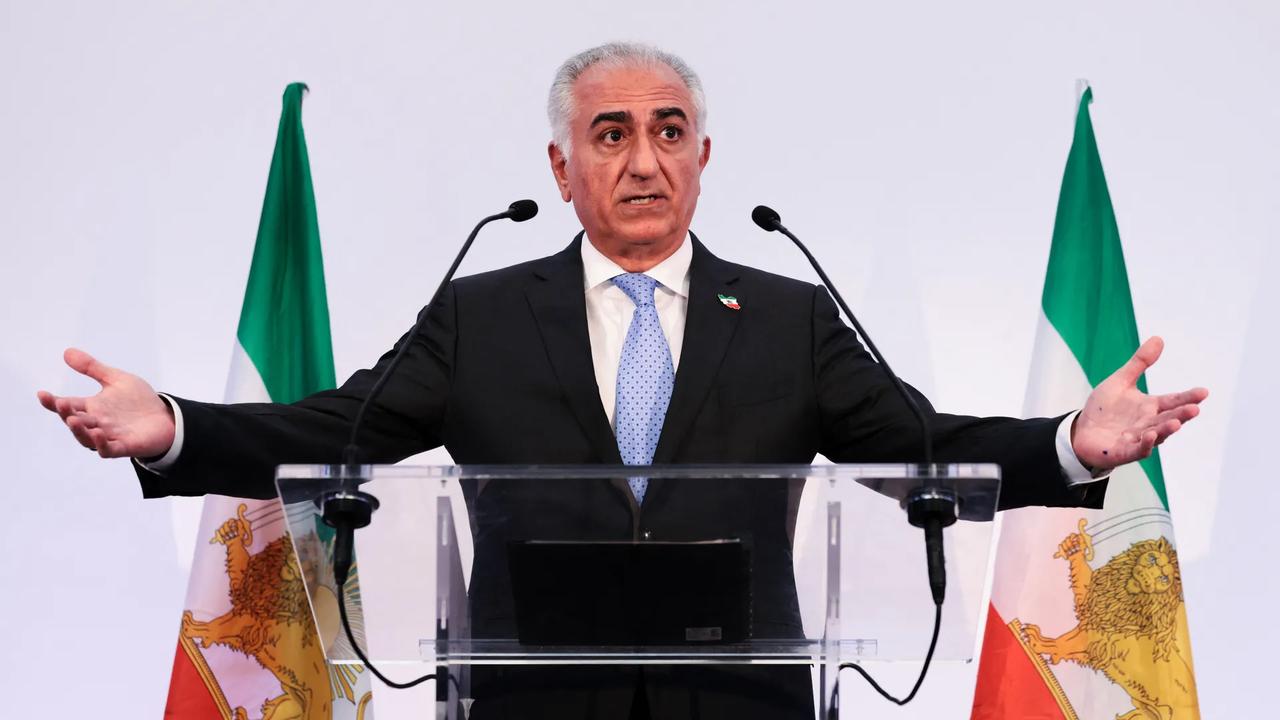

Reza Pahlavi was born in Tehran in 1960 and was named crown prince as a child before leaving Iran at 17 for fighter pilot training in the United States.
The monarchy collapsed while he was abroad, and he has not returned to Iran since. He later studied political science in the United States and built his life there with his wife, Yasmine Pahlavi, and their three daughters.
For decades, he presented himself as an advocate of nonviolent change and a national referendum on Iran’s political future. He has consistently rejected violence and distanced himself from armed opposition groups, while his efforts to build exile-based opposition coalitions have struggled with internal disagreements and limited reach inside Iran.
Nonetheless, his family legacy continues to shape public perception, as some Iranians recall the Pahlavi era as a period of modernization and closer ties to the West, while others associate it with repression and the Savak secret police. This divide remains central to reactions to his current political role.
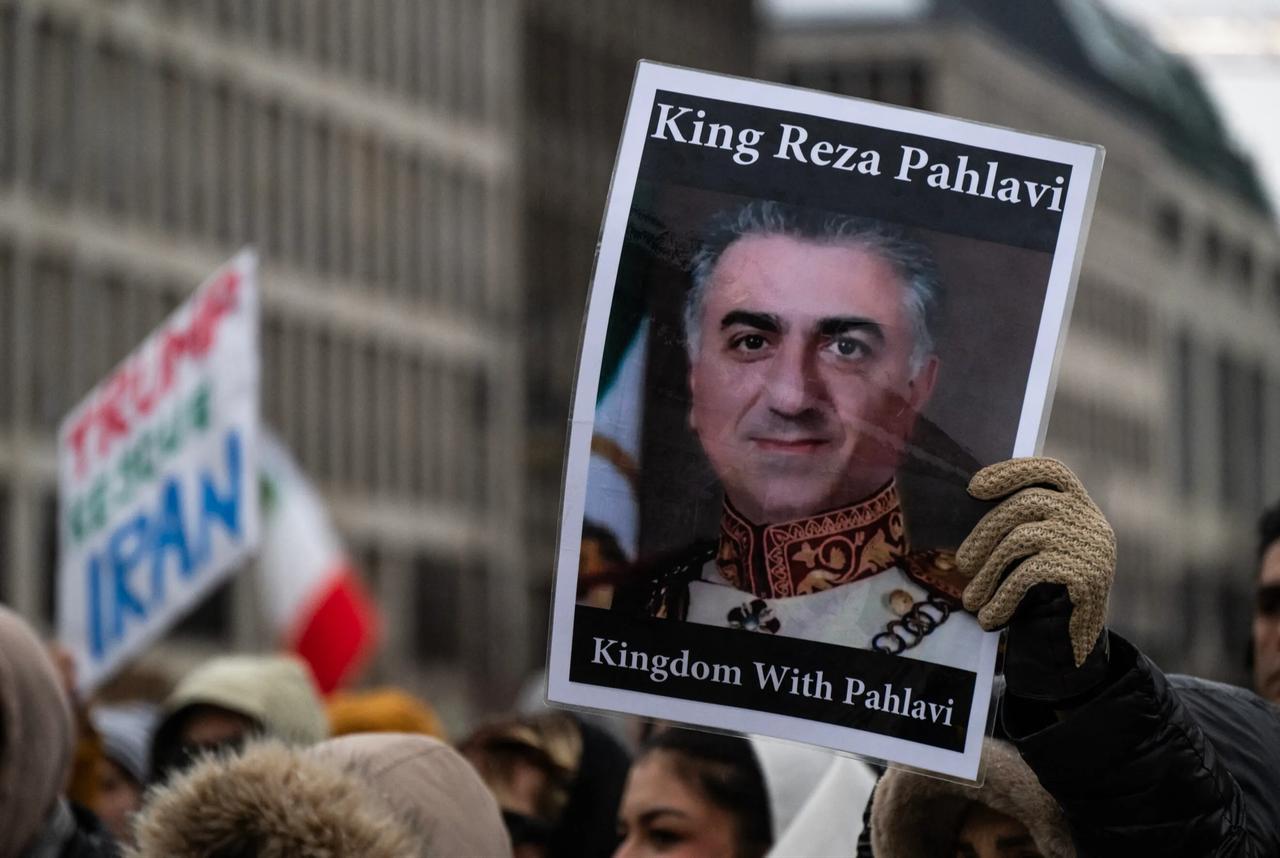
As protests escalated, Pahlavi intensified his public messaging and positioned himself as a voice of direction for the opposition.
He argued change must come from inside Iran rather than through foreign military intervention, saying, “People are already on the streets with no help,” while describing an economic crisis where “people can’t even afford a kilo of potatoes, never mind meat,” as reported by Politico.
He has called for sustained demonstrations and longer occupation of city centers. His rhetoric recently sharpened when he declared on X, “Our goal is no longer merely to come into the streets. The goal is to prepare to seize city centers and hold them.”
He has also urged workers in transport, oil, and gas to launch nationwide strikes to “cut off the financial lifelines” of the state, while appealing to security forces to defect and asking supporters to raise the Lion and Sun flag during protests. Politico adds that he has encouraged foreign financial support for striking workers and called for more Starlink terminals to bypass state internet shutdowns, describing satellite connections as a vital communication lifeline during blackouts.
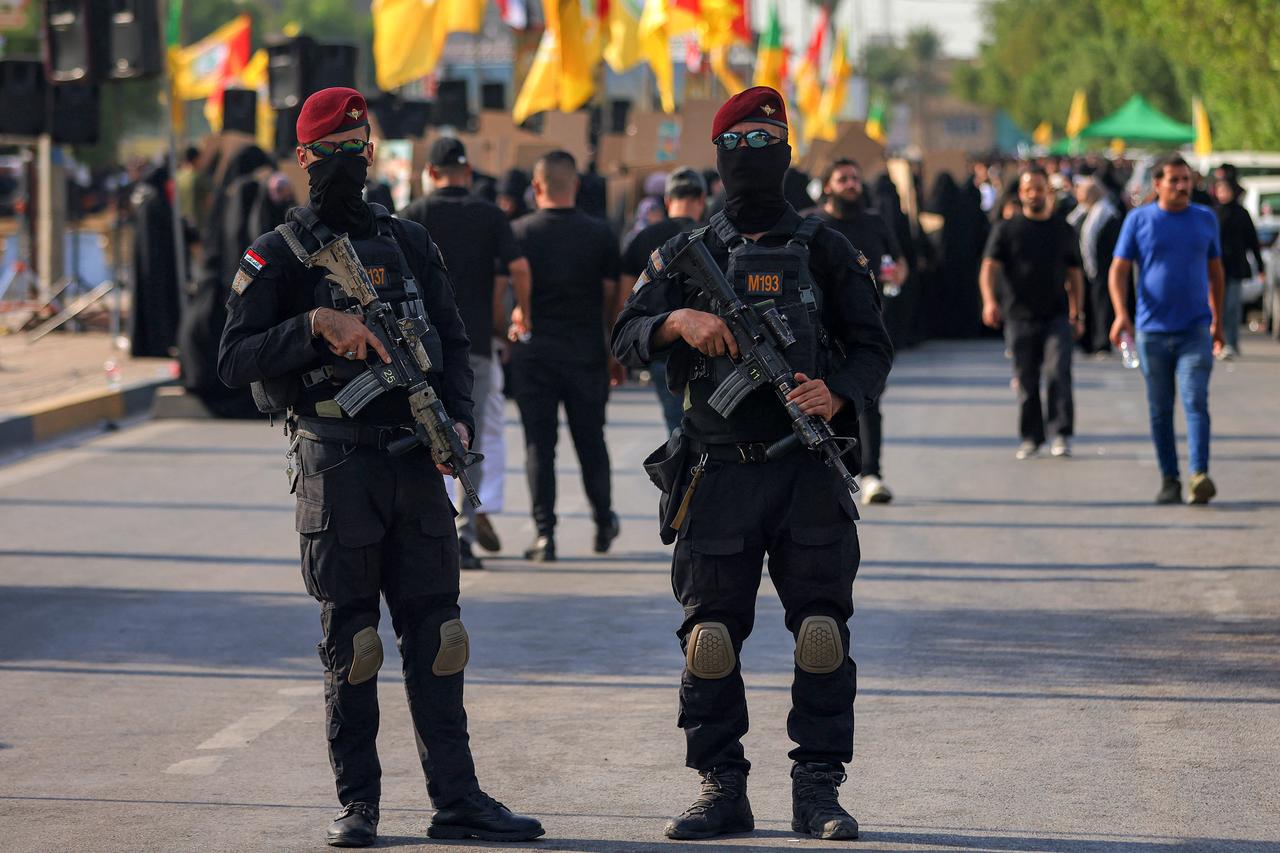
Security forces have responded with force. The Iranian Human Rights group based in Norway estimates 648 people killed and more than 10,000 arrests. An Iranian official said about 2,000 people, including security personnel, have died during the protests, while official Iranian authorities have not released verified casualty figures. The reports stress that numbers vary and remain difficult to confirm under severe communication restrictions.
Reza Pahlavi’s core strategy focuses on fracturing the regime from within by encouraging defections across the security forces and state institutions.
Politico reports that he believes successful civil resistance requires the tacit non-intervention of the military, while repeatedly arguing that parts of the security apparatus face economic hardship and may resist continued repression.
He has paired this approach with an offer of amnesty, launching a secure portal for regime defectors to register support for overthrowing the government. He claimed 50,000 apparent defectors signed up by July and later described the figure as “tens of thousands” pending verification.
In his Jan. 5 Wall Street Journal interview, he rejected foreign-led regime change operations.
When asked about a Venezuela-style intervention, he said, “I don’t think it’s necessary,” adding that “change in Iran is ultimately in the hands of the people of Iran themselves.” He also said he does not support “any kind of outside intervention, either military or special ops,” because he believes “the regime is collapsing.”
He described the current moment as different from past failed protest movements, stating, “The planets are aligned,” while pointing to economic collapse, internal fragmentation, and widespread demonstrations across more than 100 cities as factors that make this wave unprecedented.
He has outlined a transition plan designed to avoid institutional collapse, warning against repeating Iraq’s post-2003 de-Baathification experience. “Iran still has to function,” he said.
“Somebody has to pick up the garbage. Somebody has to bring in the goods to the stores.” On justice and reconciliation, he argued for accountability for top officials while offering broad amnesty for lower-level personnel, saying, “There has to be an element where, for the greater good of the nation, you call for some degree of forgiving without forgetting.”
He has repeatedly presented himself as ready to lead a transitional administration through a constitutional conference followed by a referendum. He told Politico in February that the day after such a referendum would mark “the end of my mission in life,” while stressing that democratic options should remain open and that he will not decide whether Iran becomes a monarchy or a republic.
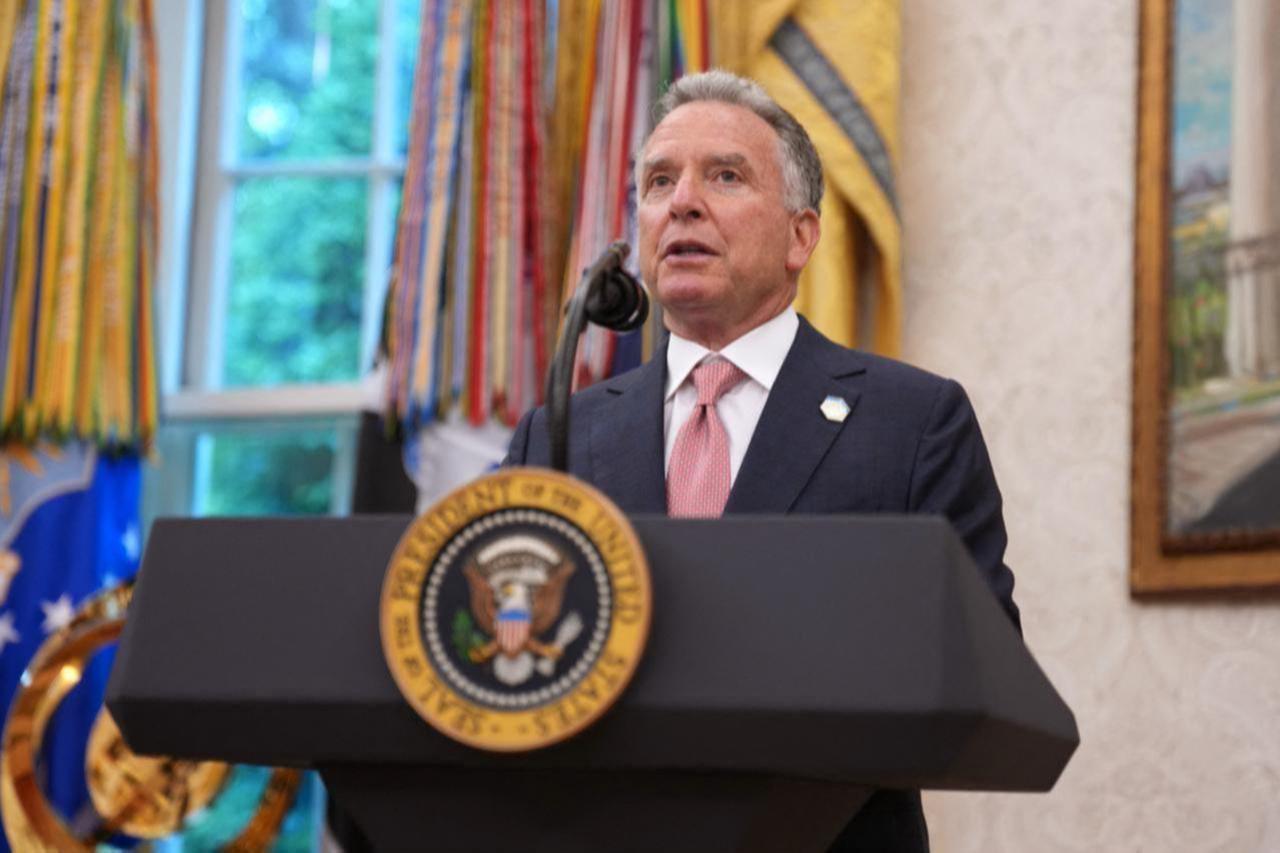
US envoy Steve Witkoff met secretly with Pahlavi to discuss the protests, describing it as the first high-level contact between the Trump administration and Iranian opposition figures since the unrest began.
Axios' report adds that US officials initially did not view him as a significant political player but reassessed after protesters in multiple cities began chanting his name during demonstrations.
The administration is considering non-kinetic responses to support protesters, and one U.S. official acknowledged surprise at Pahlavi’s growing visibility in street protests. Polling data cited in the report shows a divided landscape, with surveys as recent as November 2025 indicating that roughly one-third of Iranians support Pahlavi while another one-third strongly oppose him, suggesting name recognition but not consensus backing.
Analysts remain split over his role. Some describe him as a unifying focus for nationalist sentiment among protesters, especially younger Iranians born after 1979 who express nostalgia for a pre-revolution image of Iran.
Others question whether this reflects durable political support or a temporary rallying symbol shaped by the current unrest.
He also continues to face criticism linked to the authoritarian record of his father’s rule and his long absence from Iran.
Opponents point to accusations that figures around him attack rival dissidents or benefit from online manipulation that amplifies his image.
Pahlavi continues to frame his role as transitional rather than permanent. In his recent WSJ interview, he said he does not seek executive power, stating, “My preoccupation is not to be in a position of governance or authority,” and described his role as helping Iranians shape their own political future through a democratic process.
This context explains why the protest wave has pushed the exiled crown prince back into the center of Iran’s opposition landscape. Some supporters treat him as a figure of direction, while critics question how far his influence reaches inside the country. His actions during this period will shape the role he occupies in Iran’s opposition movement.


 Set as preferred source
 Set as preferred source


 3 min read