Newsletters




The specter of violent non-state actors rising from state collapse is rarely hypothetical in the Middle East’s history. The rapid ascent of Daesh in post-2003 Iraq, an organization that at its height controlled territory larger than some nation-states, demonstrates the catastrophic potential of institutional collapse combined with militarized populations and ideological fervor.
Iran's case is different. As some might think, Iran is not a state led by one charismatic figure with an iron fist like Saddam’s Iraq; it is an ideologically driven 47-year-old regime with a unique history and customs. Despite its grave human rights violations, civilian killings across the Middle East, and oppressive methods inside the country, it is not a regime that keeps its existence and legitimacy solely with violence and clientelism networks like some of its neighbors. It operates a large state apparatus with high expertise in weaponry, diplomacy, and the vast geography of the Middle East. The country has also run many bloody proxy wars.
Despite being portrayed as irrational religious zealots who harm others, the Iranian regime can run complex relations and acts often based on reason. If the ‘brain team’ is taken out with a weekslong joint U.S.-Israeli aerial operation, the US might end up confronting dozens of extremist structures who can use arms, who know the Middle East, and who are motivated to take revenge on "anyone." The Trump team may be aware of this looming danger, and this awareness may explain its hesitancy to engage in wide-scale military action against Iran.
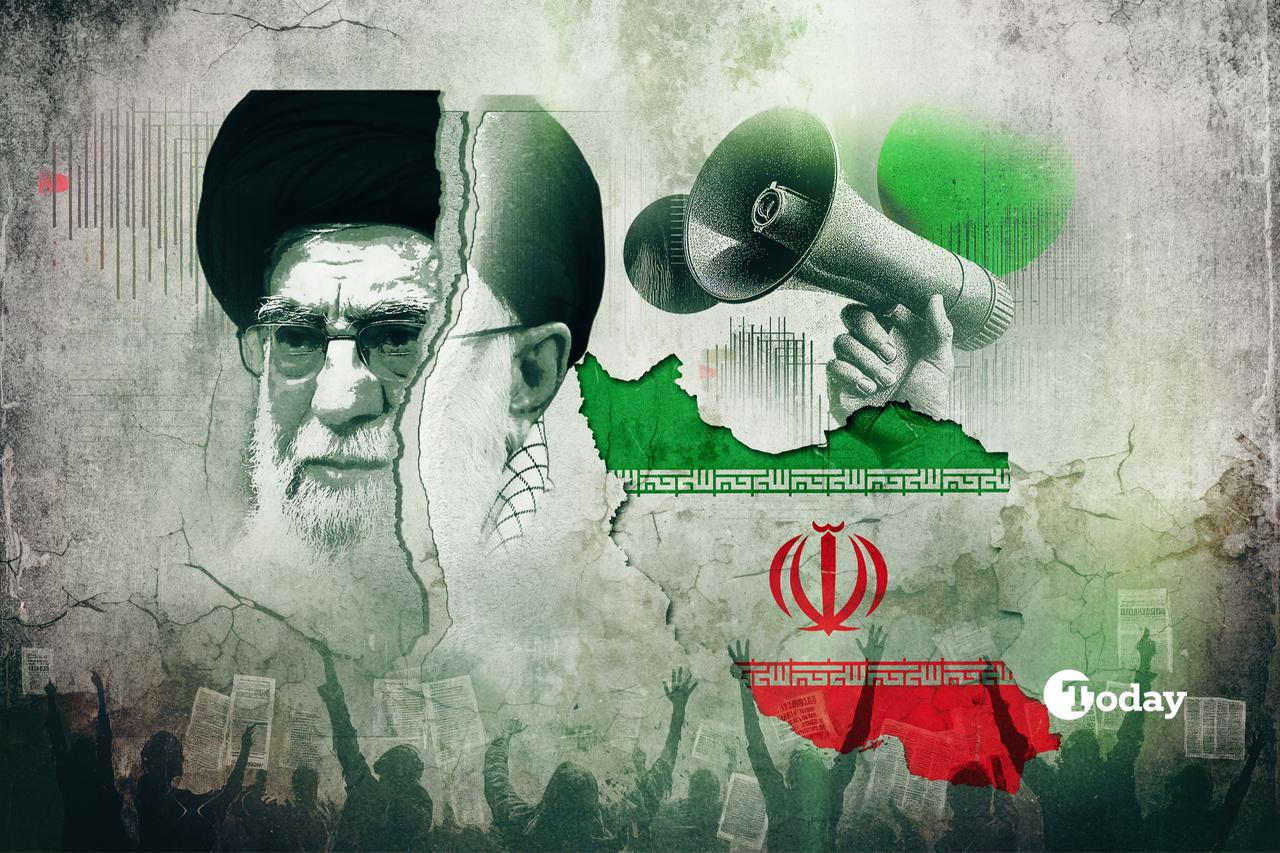
Foreign intervention against the Iranian regime, combined with the citizens' protests and leading to a regime collapse, carries an equally grave strategic risk: igniting a far larger, more sophisticated, and more resilient terrorist entity drawn from the remnants of Iran’s military-security apparatus and proxies. This would result in a vicious cycle of violence across the Middle East region, and to say the least, disrupt the U.S.-led security infrastructure.
At the heart of such a likelihood is the Islamic Revolutionary Guard Corps (IRGC). Founded right after the 1979 revolution, the IRGC has grown into a parallel military, political, economic, and intelligence juggernaut that answers directly to Iran’s Supreme Leader Ali Khamenei. Yet, the supreme leader is not far from being their only sacred figure for the IRGC. They are fed by a centurieslong ideology that is based on victimhood stories in Shia mythology and Persian nationalism. Far from being merely domestic guardians, the IRGC and its expeditionary arm, the Quds Force, have institutionalized transnational militant support as a core strategy of Iranian statecraft.
With an active force estimated at up to 200,000 personnel, plus hundreds of thousands of Basij militia members embedded throughout Iranian society, its structure is vast, organized, and deeply ideological.
And its high-ranking team, capable of running military and managerial operations, is far more than Israel is capable of killing with highly planned assassination campaigns. They are not based in Dahiyeh apartments or in Beirut's narrow streets like Hezbollah's senior team.
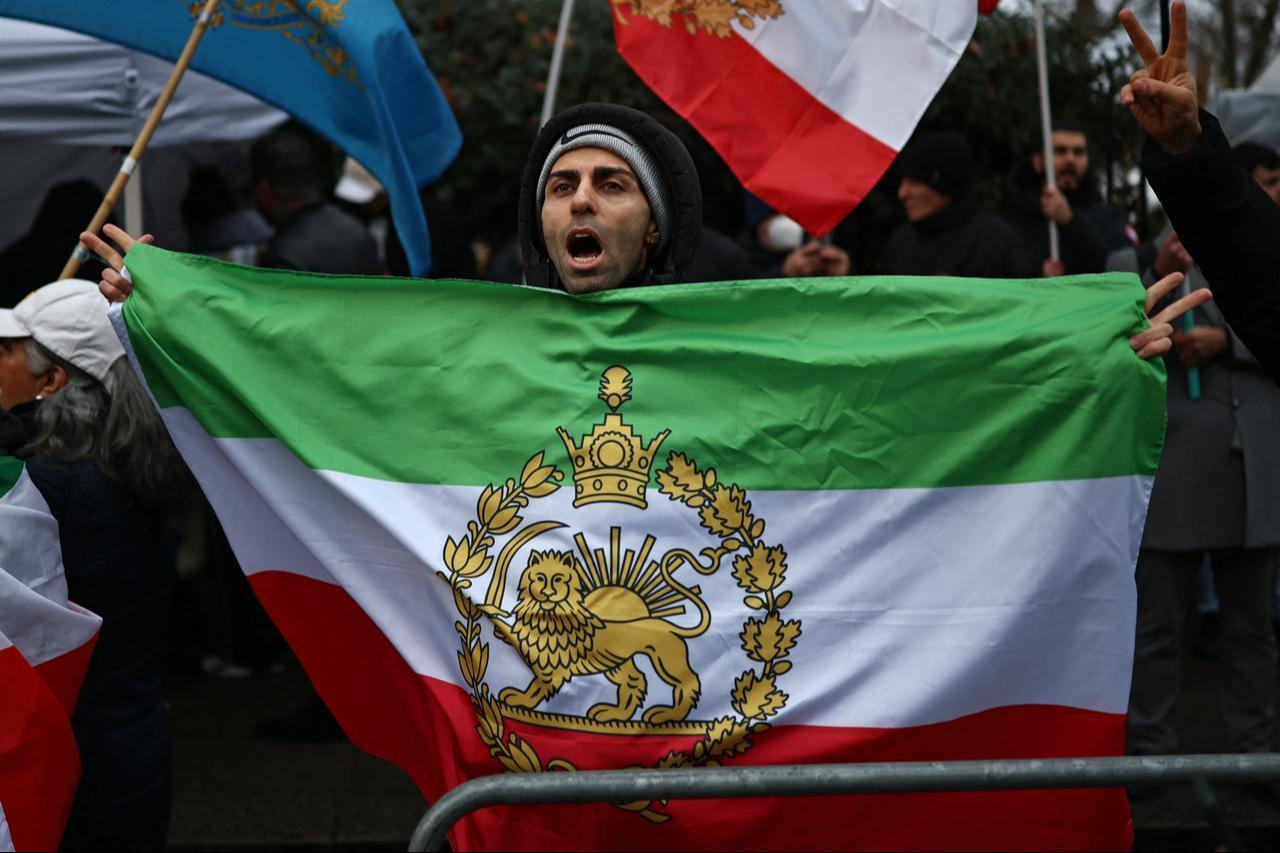

Unlike Daesh, whose ideology was rigid but narrow and mostly focused on taking revenge on the West after years of occupation of Muslim lands, the IRGC’s ideological foundation is more expansive and political. Its ideology also includes Persian nationalism along with a distinct interpretation of Islam. Its pan-ideological commitment extends beyond sectarian lines and has allowed Iran to cultivate diverse armed affiliates across hundreds of thousands of square miles of geopolitical hotspots.
This transnational vision is not theoretical. U.S. and international intelligence assessments confirm Iran’s use of asymmetric tactics, including explosive devices, advanced unmanned aerial systems, assassination plots, and direct attacks on U.S. and allied forces. Moreover, outside the Middle East, Iran’s global espionage and terror infrastructure has been implicated in plots in Europe and beyond, showing capability and intent that go far beyond its borders.
When hierarchical command structures disintegrate, the trained military personnel do not simply vanish. Instead, they often become the backbone of insurgent and extremist groups. In the early 2000s, Iraqi Baathist officers and Sunni militants merged to form the leadership cadres of Daesh, translating military expertise into terrorism. A similar pattern could unfold with remnants of the IRGC, Basij, and Shia militias, which lost their patron: armed, experienced, and ideologically indoctrinated combatants suddenly alienated from the state they once served.
Iran’s military personnel are not a monolithic block, but many within the IRGC and Basij view their mission as existential. If you push for a regime change with a military operation, Iran's collapse might result in much bigger bloodshed in the region.
Western policymakers must grapple with a critical choice: intervention that risks the unintended creation of global terrorist networks versus alternative strategies that prioritize containment, deterrence, and negotiated denuclearization.
Current evidence suggests that unilateral sanctions and terrorist designations have had limited success in altering Iran’s regional behavior, though they do exact economic pain on civilians and potentially fuel anti-Western sentiment.
This complex matrix suggests that Iran’s collapse could beget dozens of extremist entities with deeper roots in both statecraft and global militancy.


 Set as preferred source
 Set as preferred source


 7 min read