Newsletters


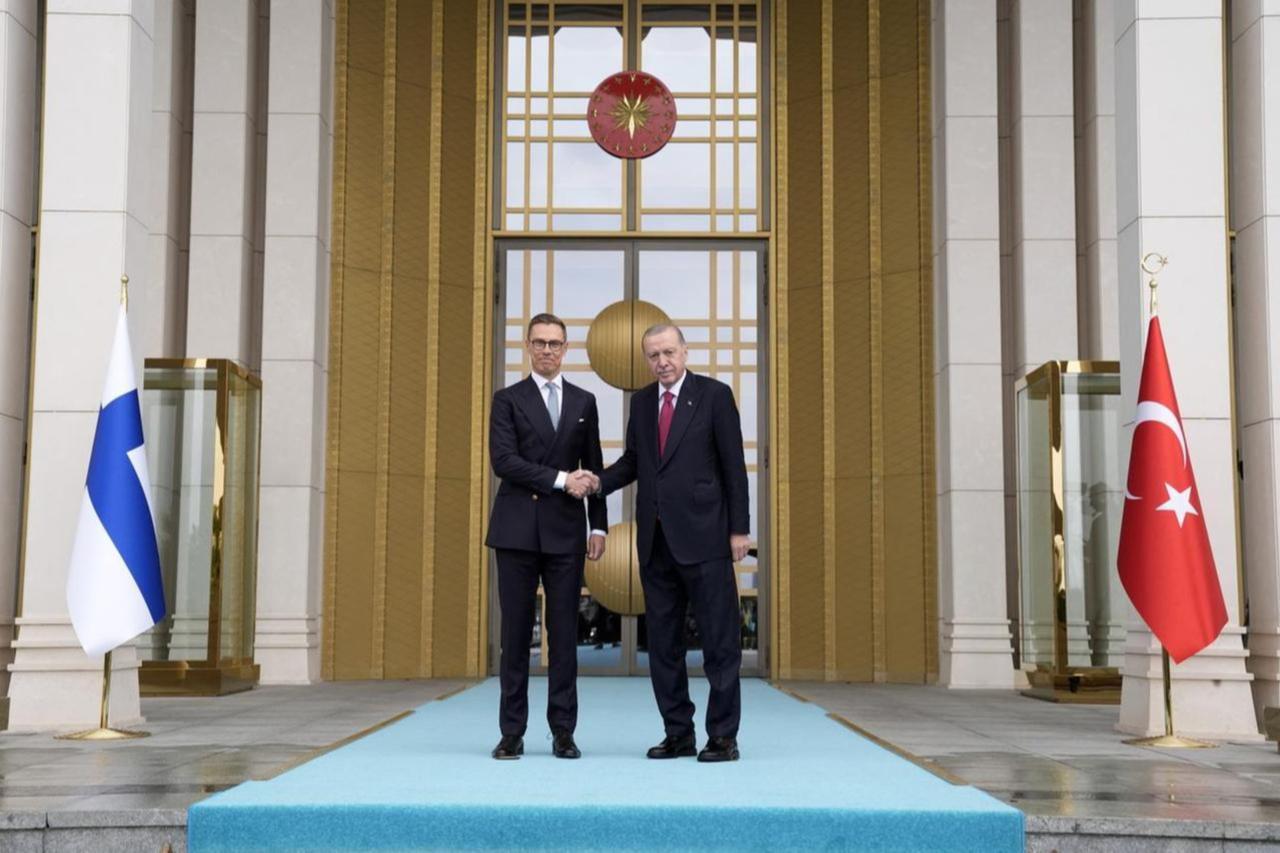


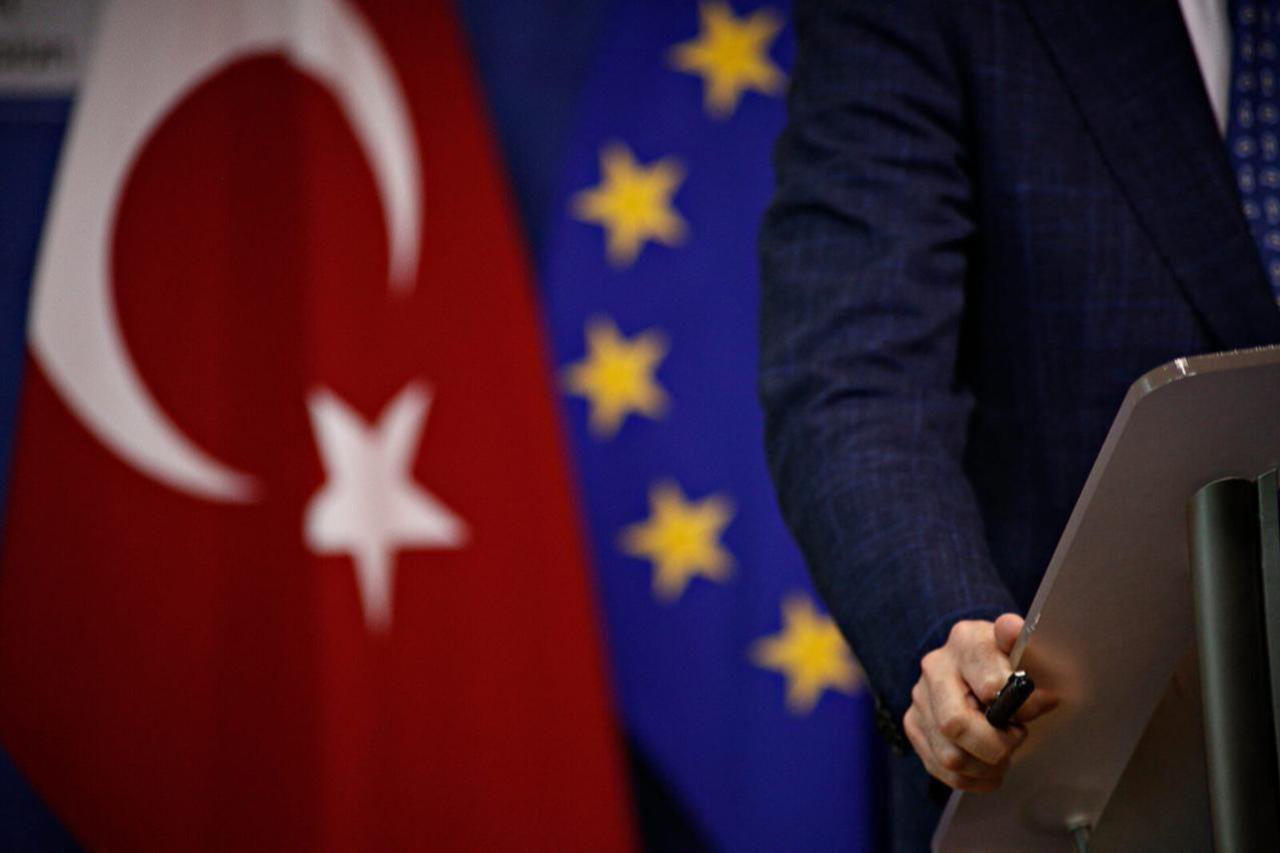
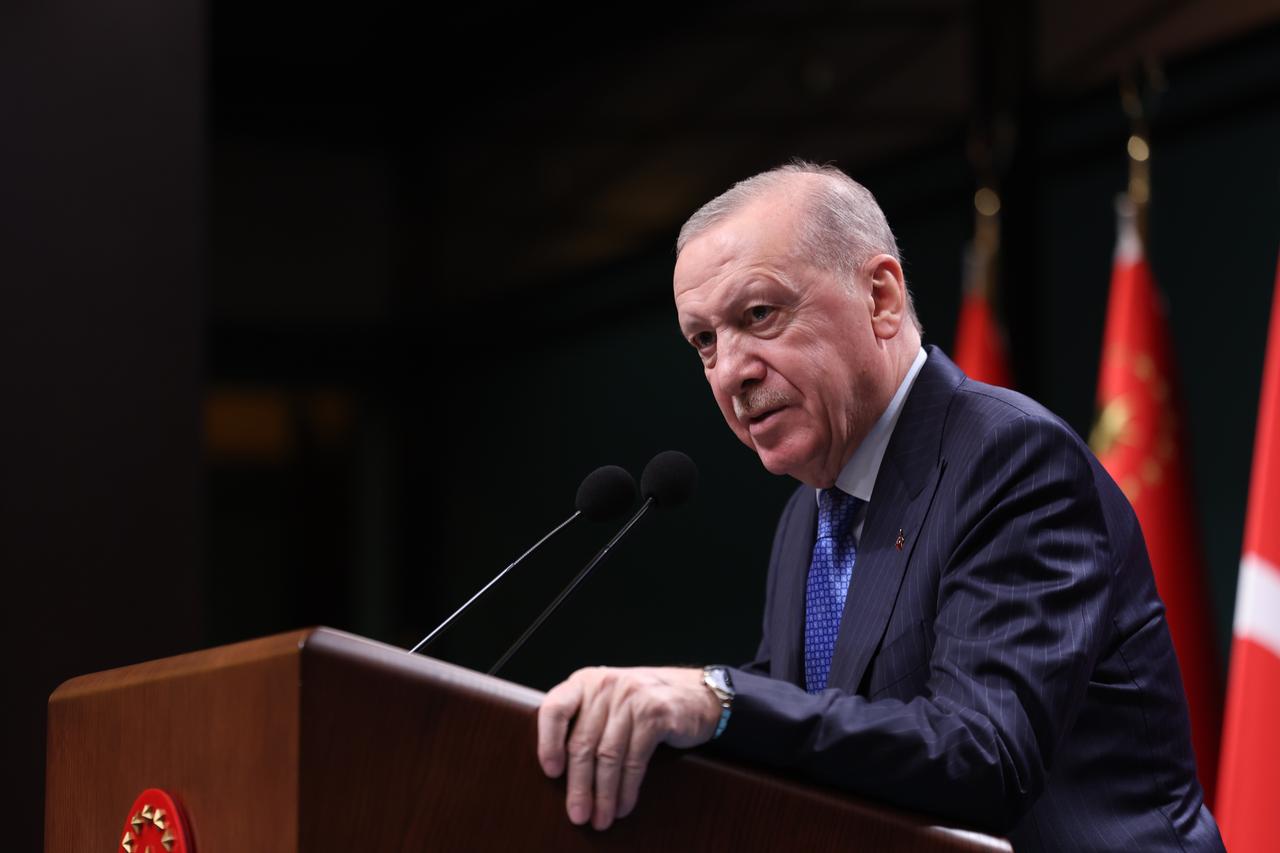
Finnish President Alexander Stubb has called for a fundamental rethink of Türkiye's relationship with the European Union, saying the bloc must "open its minds" to bringing Ankara as close as possible to the union, particularly on security grounds, even as formal accession talks remain frozen.
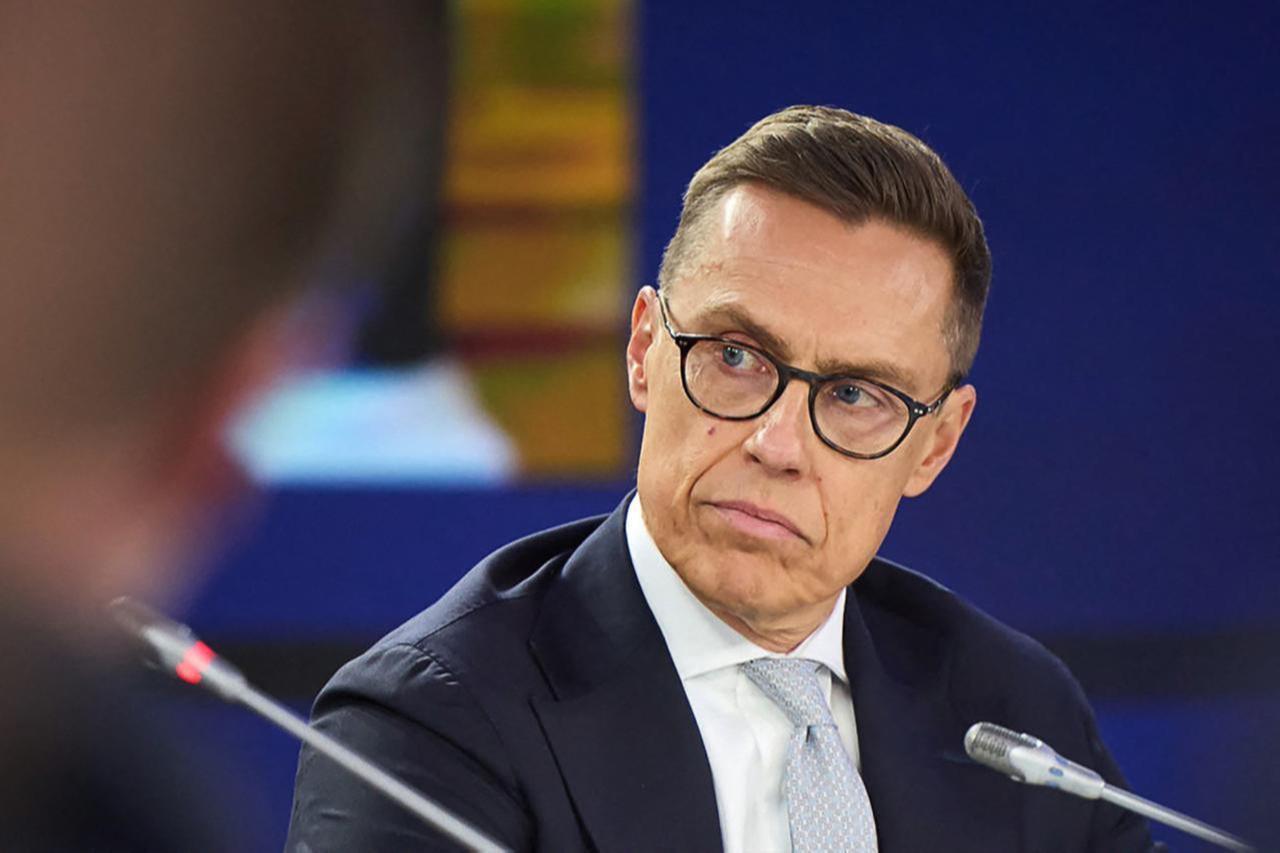
Speaking at the Eurelectric Power Summit in Helsinki on Wednesday, Stubb said that after reviewing the candidacies of Ukraine, Moldova and Georgia, "we also need to think seriously about Türkiye." His remarks were a rare public intervention on a subject that has largely disappeared from European political discourse.

Türkiye's candidacy is arguably the most complicated in EU history. Ankara first applied for membership in 1987, received official candidate status in 1999 following the Helsinki Summit, and opened formal accession negotiations in 2005.
Those talks stalled progressively over concerns about democratic backsliding, unresolved disputes over Cyprus and Kurdish rights, and broader anxieties within key member states about absorbing a large, predominantly Muslim neighbor.
The European Parliament moved to formally suspend the process in 2021, and the candidacy has since existed largely in name only.
"Nobody is talking about Türkiye anymore," he said. "At least from a security perspective, we need to open our minds to understand that Türkiye needs to be as close to the union as possible."
The framing was deliberate. Rather than reopening the thorny political and democratic debate that has long paralyzed Türkiye's bid, Stubb anchored his argument in hard security terms, a register that has acquired new urgency across Europe since Russia's full-scale invasion of Ukraine in 2022.
Türkiye, a NATO member since 1952 and a country straddling Europe and the Middle East, controls access to the Black Sea through the Turkish Straits and shares borders with Syria, Iraq and Iran, making it a pivotal actor in any serious European security architecture.
The broader context for Stubb's remarks is a Europe newly attentive to its own vulnerabilities. He told the summit that "European strategic autonomy or European geopolitical power" rests ultimately on size and scale, and that the window for meaningful EU enlargement "is quite short, because when the war in Ukraine ends and perhaps when the US administration changes, people are going to take their foot off the gas pedal."
 1 min read
Türkiye was one stop in a sweeping geographic argument Stubb laid out at the summit. He called for the EU to grow to 40 member states, naming the United Kingdom, Canada, Norway and Iceland alongside Türkiye as countries that should be drawn into the bloc's orbit through full membership or flexible association arrangements.
He also pressed for urgency on the Western Balkans, describing it as "the hottest spot in Europe" and raising unresolved questions about Serbia, Kosovo, Bosnia-Herzegovina, Albania, Montenegro and North Macedonia.
Iceland is set to hold a referendum on August 29 on whether to restart EU accession talks, having suspended its candidacy in 2013 following a membership application triggered by the 2009 financial crisis.
Norway, which has twice rejected EU membership, is reported to be reassessing its relationship with Brussels amid intensifying competition between Washington and Beijing.
Whether Stubb's call on Türkiye translates into any formal diplomatic movement remains to be seen. The Finnish president himself closed his remarks with a candid admission: "If we want to project power in the world, we need to start thinking big. But who, when, where and how, I don't know."


 Set as preferred source
 Set as preferred source


 1 min read