Newsletters


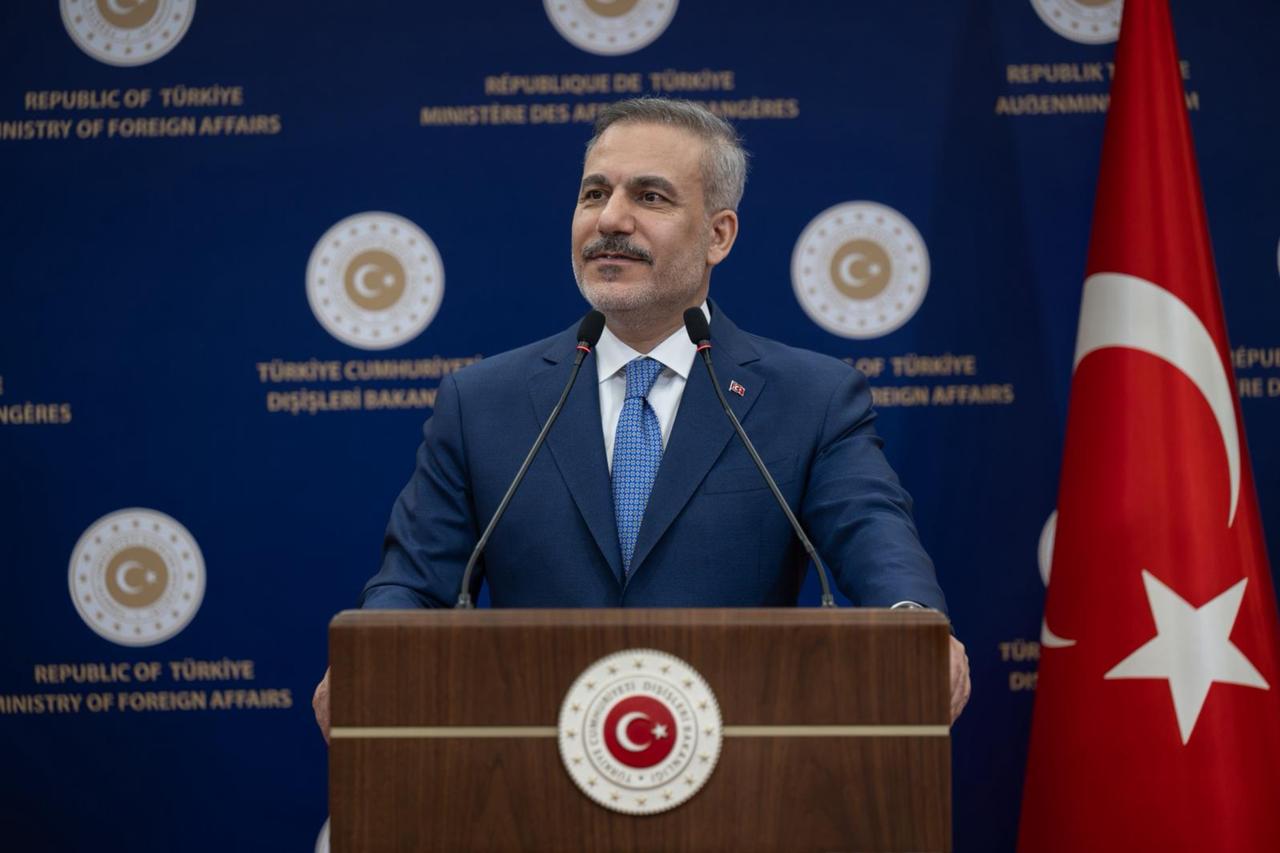


Türkiye’s Foreign Minister Hakan Fidan said there is currently no serious initiative to resume negotiations between the United States and Iran but suggested Tehran could be open to back-channel diplomacy.
In an interview with The Associated Press, Fidan said the conditions are not favorable for diplomacy following the U.S. and Israeli attacks on Iran that triggered the current regional war.
“The conditions are not very much conducive,” Fidan said, adding that Iranian officials feel “betrayed” after being attacked while engaged in nuclear negotiations with the U.S.
“I think they are open to any sensible back-channel diplomacy,” he said.
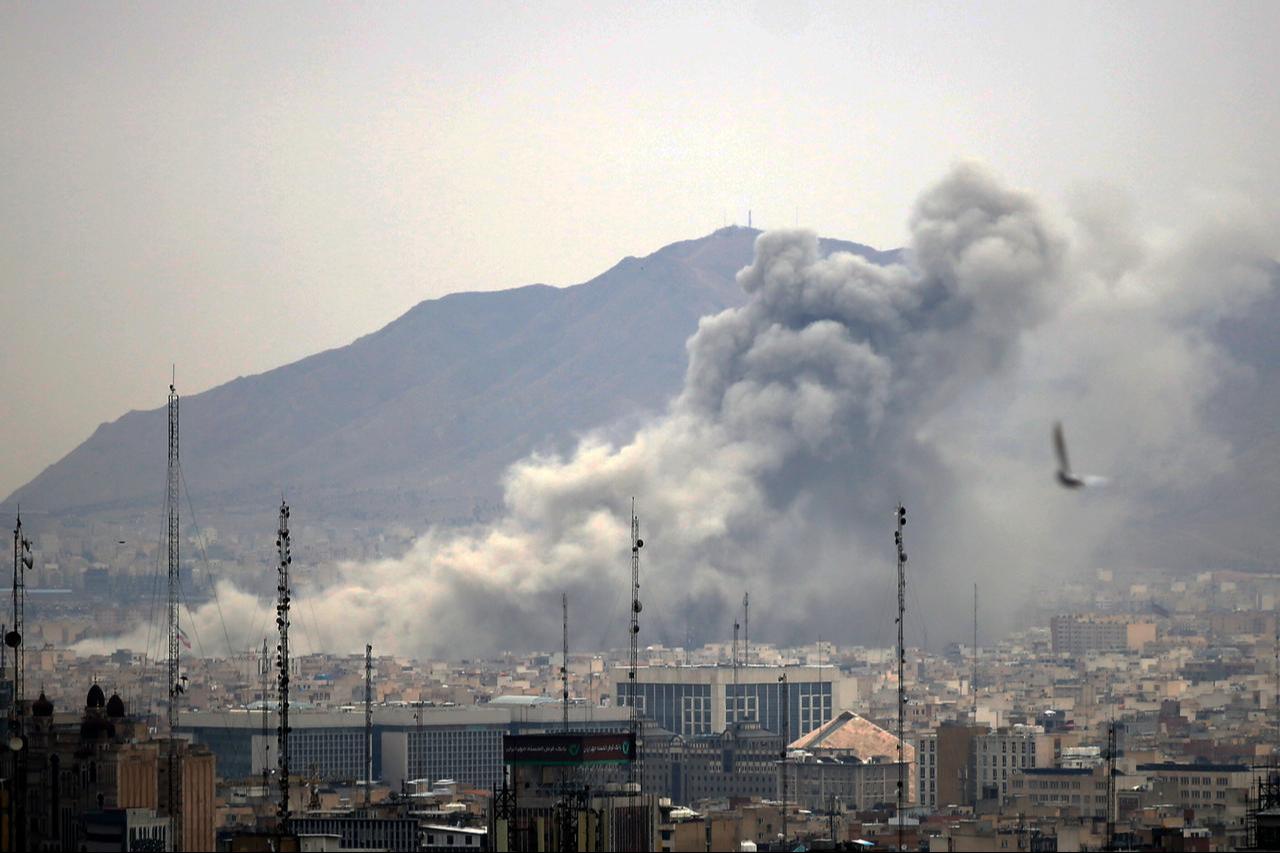

Fidan said Türkiye’s priority is to remain outside the widening conflict in the Middle East.
Ankara had attempted to mediate between Washington and Tehran before the war began two weeks ago.
Türkiye has criticized both the U.S.-Israeli strikes on Iran and Tehran’s retaliatory attacks against Gulf states hosting U.S. bases.
Fidan said he has urged Iranian officials to halt such attacks.
Türkiye has also intercepted three missiles believed to have been fired from Iran, which were stopped by NATO defenses over the country.
Iranian officials denied targeting Türkiye, although available data indicated the missiles originated from Iran, Fidan said.
He ruled out a military response for now, stating that NATO defenses had been effective.
“I know that we are being provoked and we will be provoked, but this is our objective,” Fidan said. “We want to stay out of this war.”

Fidan said he does not know the severity of injuries sustained by Iran’s new supreme leader Ayatollah Mojtaba Khamenei in an earlier strike but said he is alive and functioning.
Mojtaba Khamenei replaced his father, Ayatollah Ali Khamenei, who was killed at the start of the war on Feb. 28.
Fidan said the leadership transition and the medical condition of the new leader created a temporary gap in Iran’s power structure.
“I think that gap has been filled by the high command of the Revolutionary Guards,” he said.
 1 min read
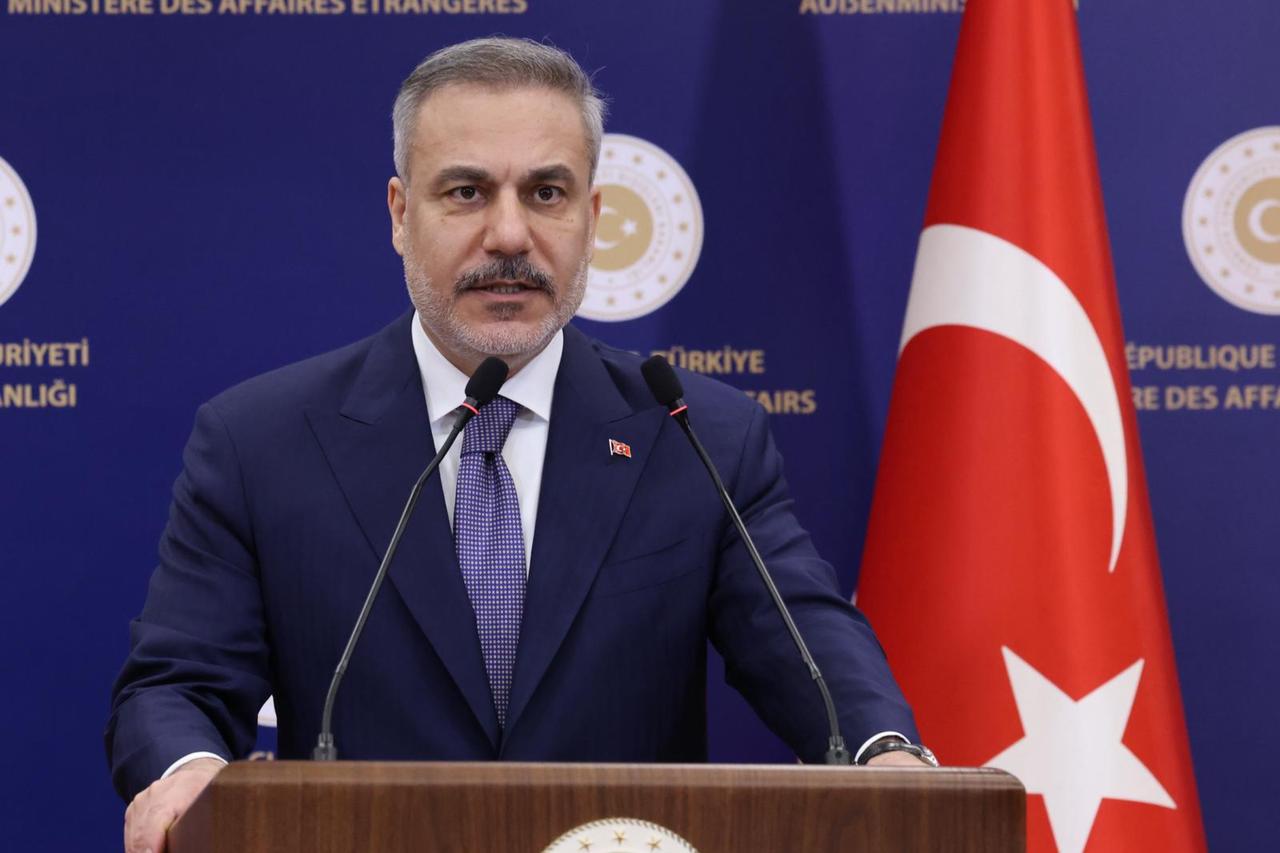
Before the conflict, Türkiye had proposed hosting talks in Istanbul between the U.S., Iran and regional countries.
Iran later opted for negotiations mediated by Oman focused solely on its nuclear program without regional participants. Those talks eventually failed.
Fidan said Iran refused to discuss its missile program and the armed groups it supports in the region, including Hezbollah in Lebanon and Iraqi militias.
Türkiye had proposed a broader framework in which the U.S. and Iran would address nuclear issues while regional countries discussed other security concerns with Tehran.
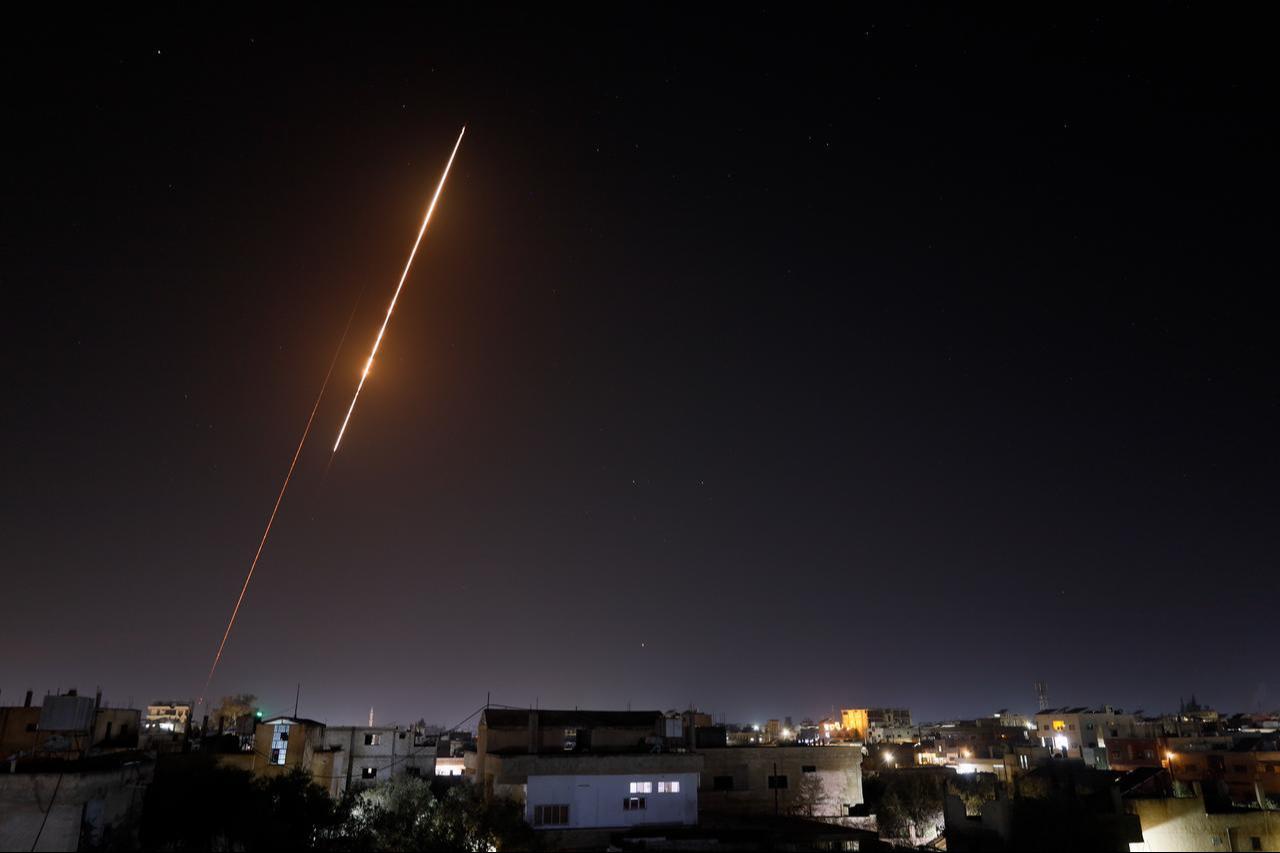
Relations between Türkiye and Israel remain strained.
President Recep Tayyip Erdogan has been among the most vocal critics of Israel’s actions in Gaza, while Israel has accused Türkiye of supporting Hamas.
Fidan dismissed speculation that Türkiye could become a target following Israel’s strikes on Iran.
“As long as Netanyahu is there, (Israel) will always identify somebody as an enemy,” he said.
He also criticized Israel’s actions in Syria, where Israeli forces have seized territory in the south and launched airstrikes on military sites since the current Syrian leadership took power in December 2024.
“They are after not security, they are after more land,” Fidan said.

Fidan said Türkiye also seeks to play a role in postwar Gaza.
Türkiye has joined U.S. President Donald Trump’s Board of Peace, which aims to help stabilize the territory after the conflict.
Fidan said participation offered an opportunity to help stop the war, although he acknowledged the initiative would not resolve all issues.
He said Türkiye has offered to contribute troops to a potential international stabilization force but has not yet received a formal request.
Fidan said Türkiye’s priority is establishing an administrative committee for Gaza composed of 15 politically independent Palestinian administrators.
“We expect them to go into Gaza and start their work,” he said. “This has not started yet, so we need to start from somewhere.”


 Set as preferred source
 Set as preferred source


 1 min read