Newsletters


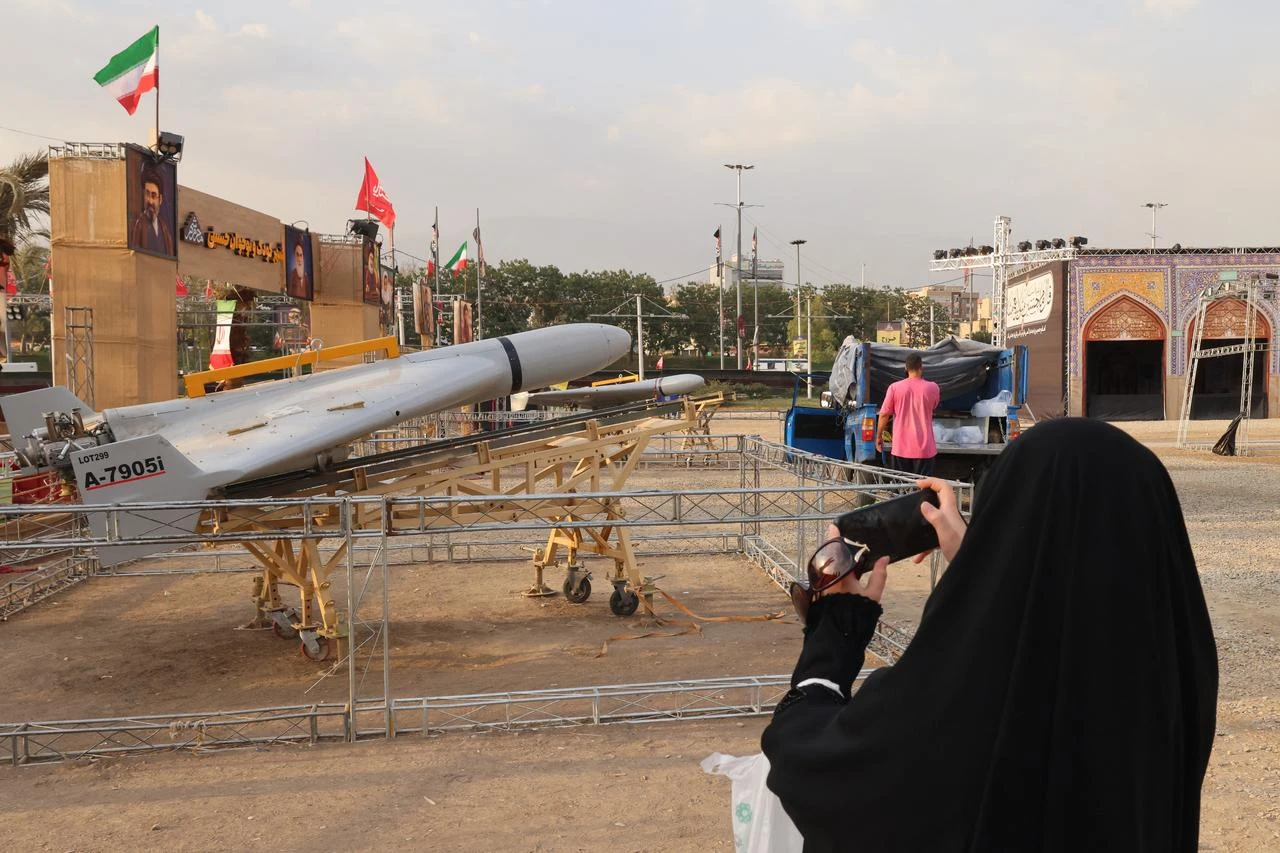


Aliakbar Velayati, adviser on international affairs to Iran's supreme leader, said Saturday that the "defeat" of the United States and Israel had reinforced the belief that foreign forces must leave the region—part of a broader push by Iranian officials for regional self-reliance following the war with the U.S. and the new Saudi-Türkiye-Pakistan defense pact.
Velayati praised the Iranian armed forces, "the steadfastness of the Iranian people, and the courage of the axis of resistance" in a post on X.
"Recent developments were shaped by the steadfastness of the armed forces, the resolve of the Iranian people and the courage of the axis of resistance," he wrote, adding, "The defeat of America and the Zionist regime has reinforced the belief that foreign forces, the main factor of insecurity, must leave the region. Countries of the region, through increased cooperation among themselves, can ensure the region's security."
The comments came as other Iranian officials repeated warnings that Saudi Arabia's new mutual defense pact with Pakistan and Türkiye will not guarantee the kingdom's security.
"Saudi rulers must know that just as America's bases could not bring them security, clinging to America's lackeys will not bring them security either," Mahmoud Nabavian, a member of the Iranian parliament's National Security and Foreign Policy Commission, wrote on X.
That echoed earlier remarks from fellow committee member Ebrahim Rezaei, who said the Saudis should understand that "a paper agreement with Türkiye and Pakistan will not bring them security."
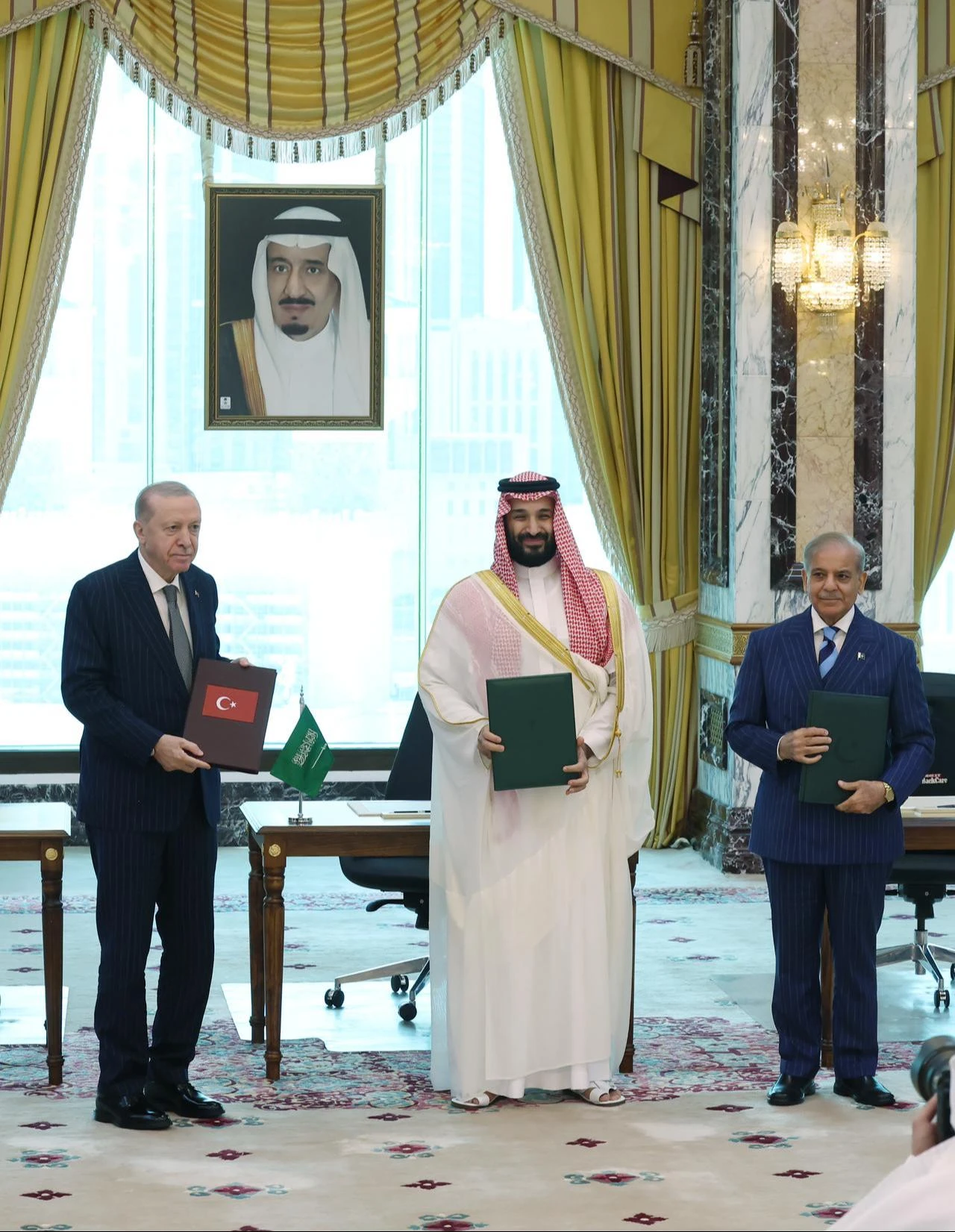
The pact between Saudi Arabia, Pakistan and Türkiye commits the three countries to defend one another if any one of them is attacked.
A Turkish official who spoke to CNN earlier has said the pact is "purely defensive" and not directed against any specific actor.

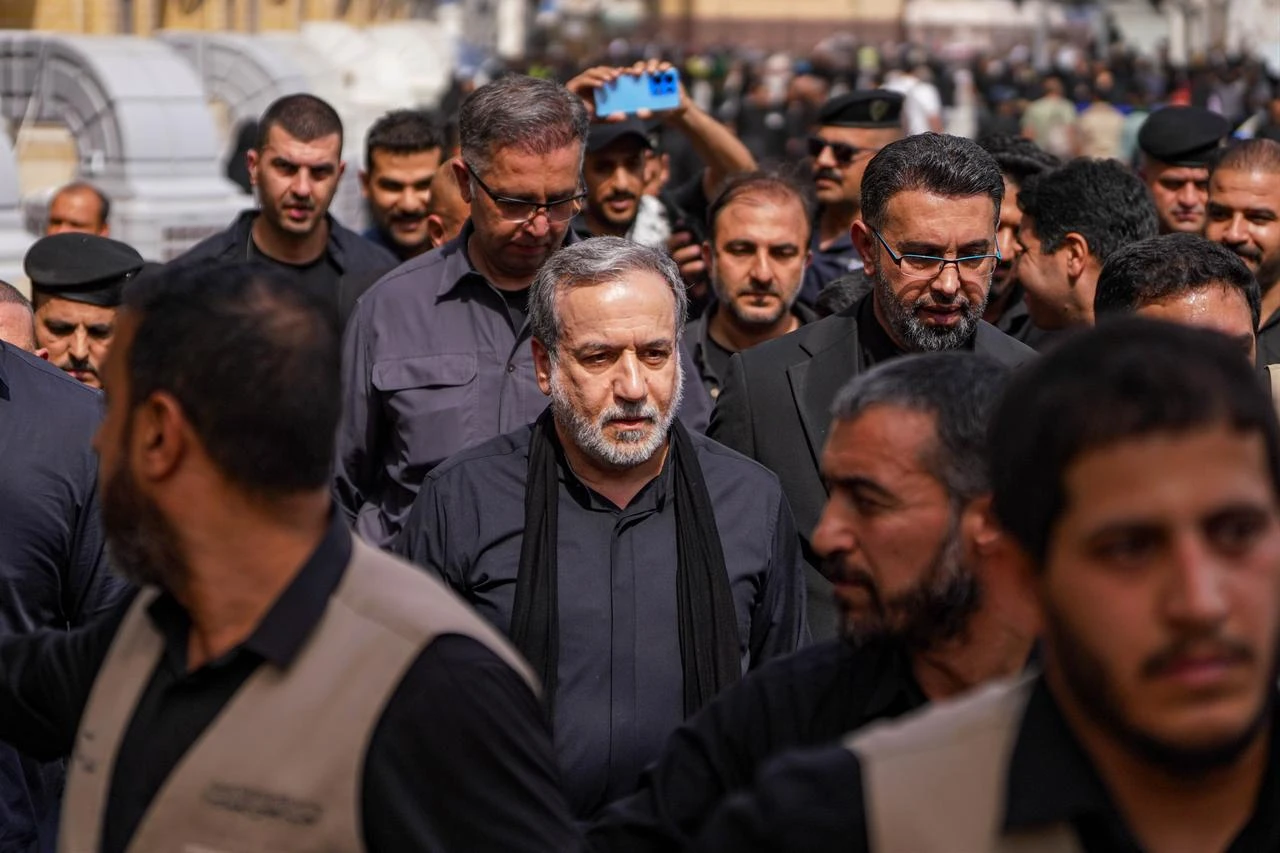
Iranian Foreign Minister Abbas Araghchi on Friday called on Muslim countries to rely on themselves and strengthen regional solidarity, saying unity among regional states was the best way to confront external threats.
In a post on X, Araghchi said Iran's armed forces had demonstrated their "readiness, capability and might" against "the world's most expensive military."
"When Muslims stand together, we can face every challenge by malicious outsiders head-on," he said, adding, "It is time to rely only on ourselves and embrace true brotherhood."
Türkiye's Communications Directorate on Friday rejected claims circulating on social media that the Mecca Joint Defense Agreement conflicts with Article 5 of the NATO treaty or creates a parallel military alliance.
In a statement on X, the directorate's Center for Countering Disinformation described the allegations as "entirely false" and "a perception management campaign whose source is readily apparent."
The statement said the agreement does not contradict Türkiye's existing international alliance commitments, including its obligations within NATO, but instead serves as a complementary mechanism supporting regional security.
"Türkiye's efforts to develop regional partnerships are not an alternative to its NATO membership," the statement said.
The center added that the Mecca Joint Defense Agreement "is not an aggressive military bloc but a defense-oriented arrangement designed to enhance deterrence" and does not target any third country or bloc, instead seeking to promote cooperation in the defense industry, military training, technology sharing and regional stability.


 Set as preferred source
 Set as preferred source


 2 min read