Newsletters


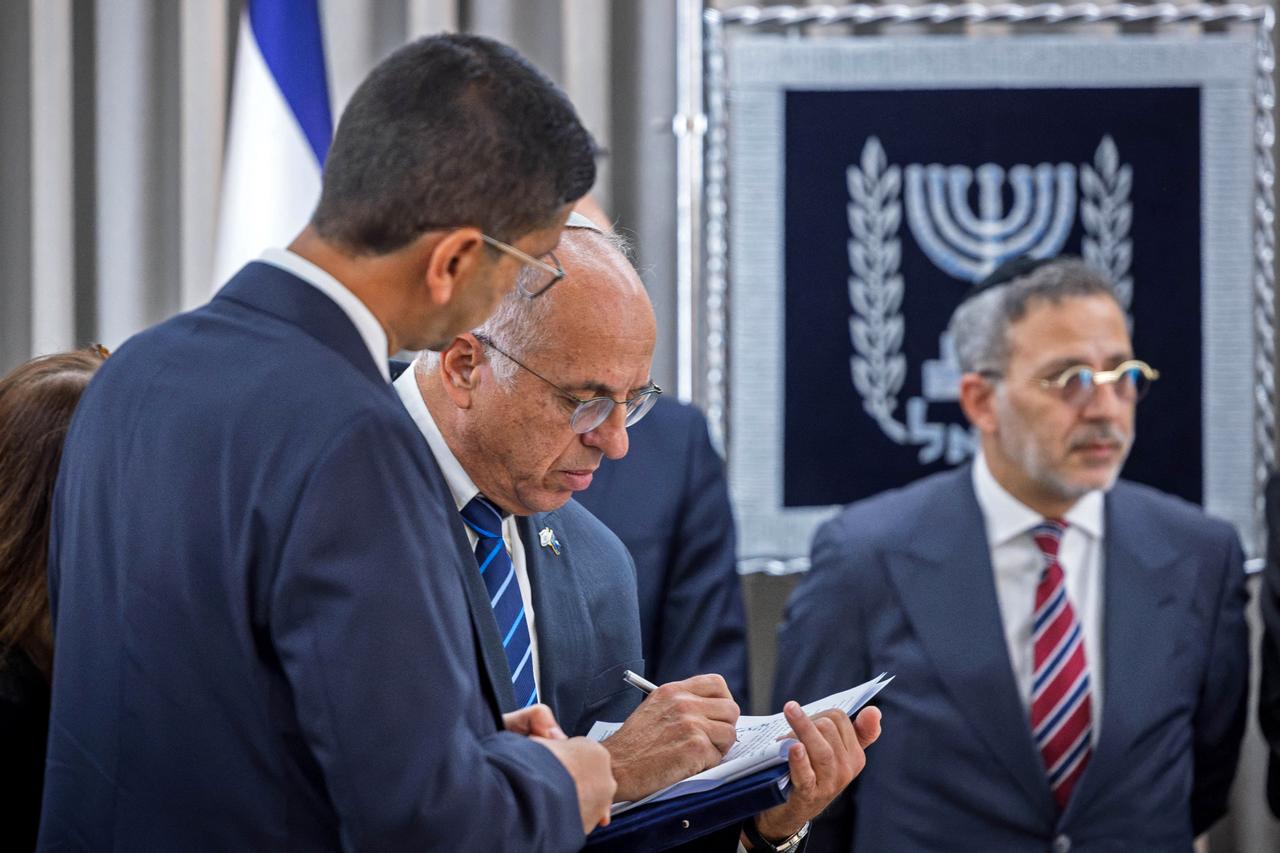


Israel's opposition moved closer to a possible agreement with ultra-Orthodox parties Friday after Avigdor Liberman softened his longstanding demand to end their military service exemptions, opening a potential path to forming a government without Prime Minister Benjamin Netanyahu.
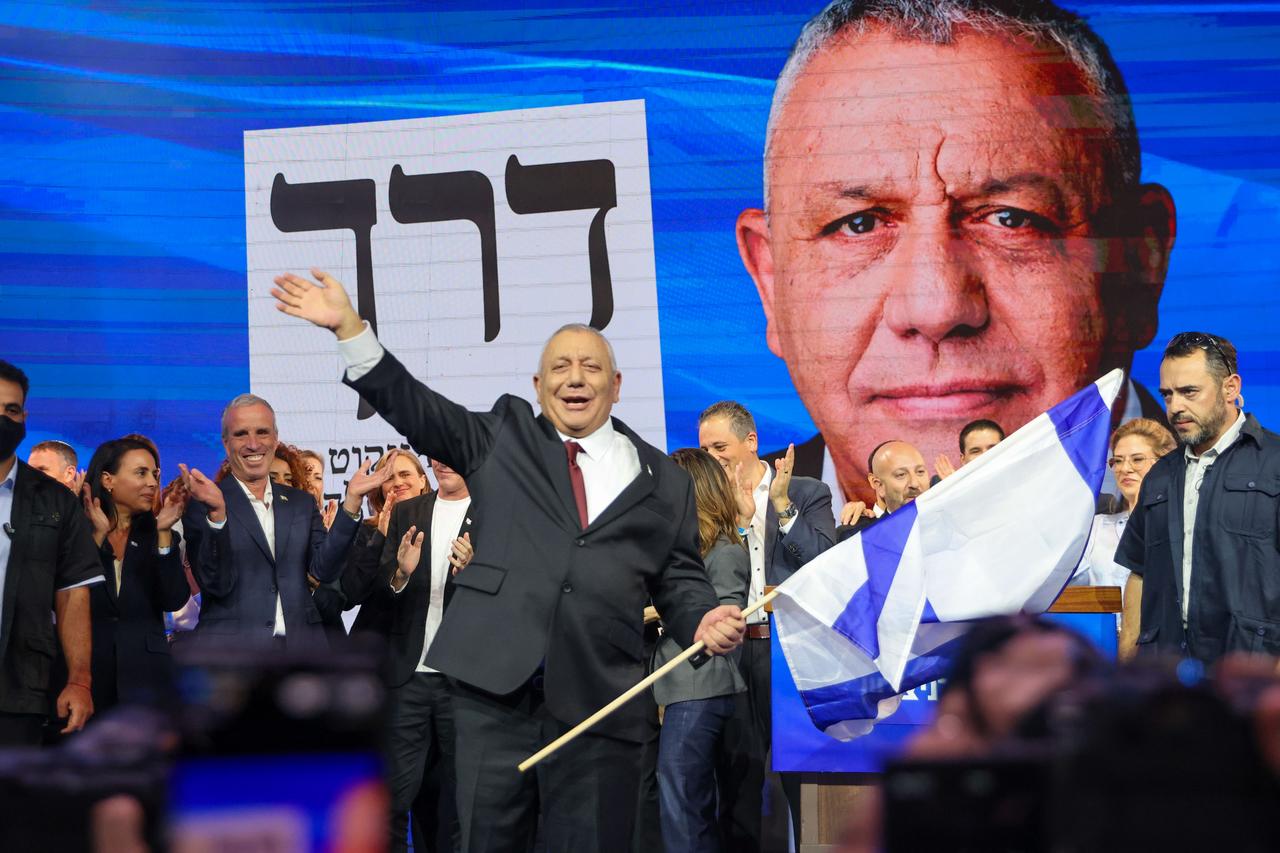
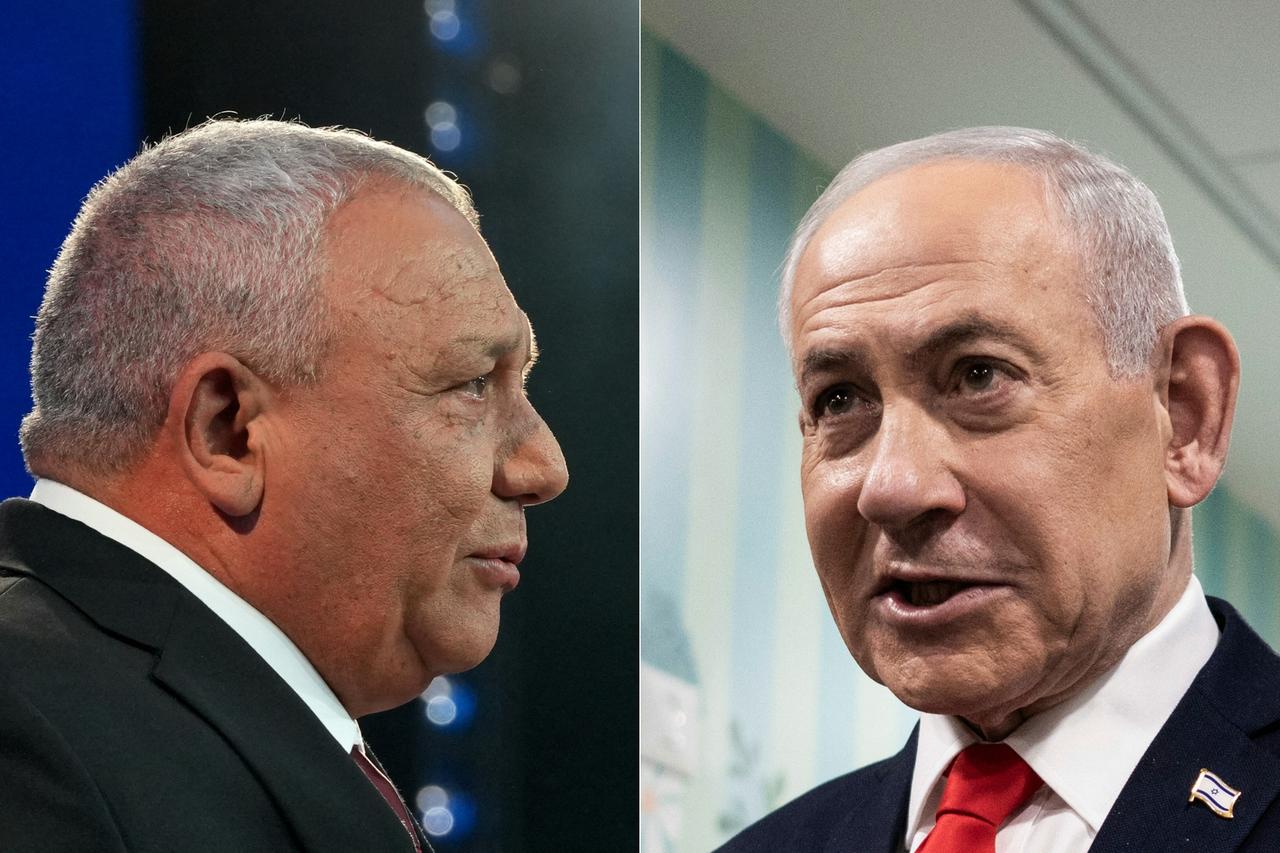
The shift comes after neither Netanyahu nor opposition leader Gadi Eisenkot secured a parliamentary majority in the Oct. 27 election, leaving competing political blocs seeking partners to form a coalition.
Liberman, a former Netanyahu aide who has become one of his fiercest critics, said removing the prime minister and avoiding another election should take priority over longstanding political disagreements, including the contentious issue of military conscription.
In a social media statement, Liberman urged political leaders to compromise and "understand that trying to have everything risks getting nothing".
"This also includes the issue of the conscription law," he said.
"This pains me, and I know it pains many others as well. But given the full range of challenges we face today, the national interest of the State of Israel and the Jewish people must take precedence over all other considerations."
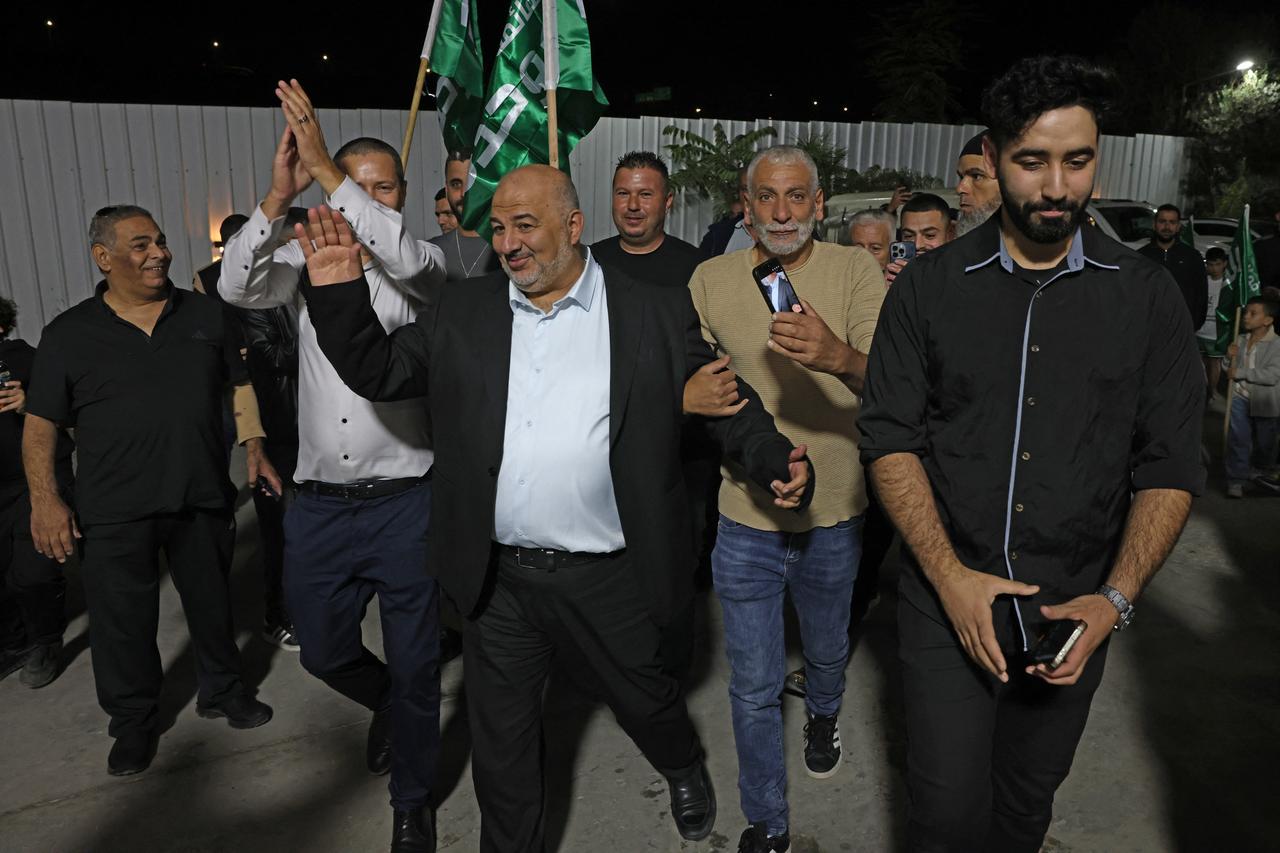

Eisenkot, a former military commander whose campaign appealed to secular and liberal Israelis, has emerged as a leading contender to form the next government.
He could potentially secure a parliamentary majority with support from Arab Israeli lawmakers, whose representation increased following the election amid dissatisfaction with Netanyahu's far-right government.
However, Liberman has ruled out joining a coalition dependent on Arab parties, creating an obstacle to that option.
His willingness to negotiate with ultra-Orthodox parties instead could provide an alternative route to a parliamentary majority.
Israeli President Isaac Herzog is expected to announce Sunday which political leader will receive the first opportunity to form a government.
Eisenkot appears positioned to receive the mandate after securing the most parliamentary endorsements, including support from Arab lawmakers.
Yair Golan, the leader of Israel's main left-wing party and a member of the opposition bloc, said negotiations were making progress.
"I'm more optimistic than I was on the Wednesday morning after the election results. There is progress. There is a will," he said.
The two main ultra-Orthodox parties, United Torah Judaism and Shas, hold a combined 13 seats, enough to potentially give Eisenkot the parliamentary support needed to form a government.
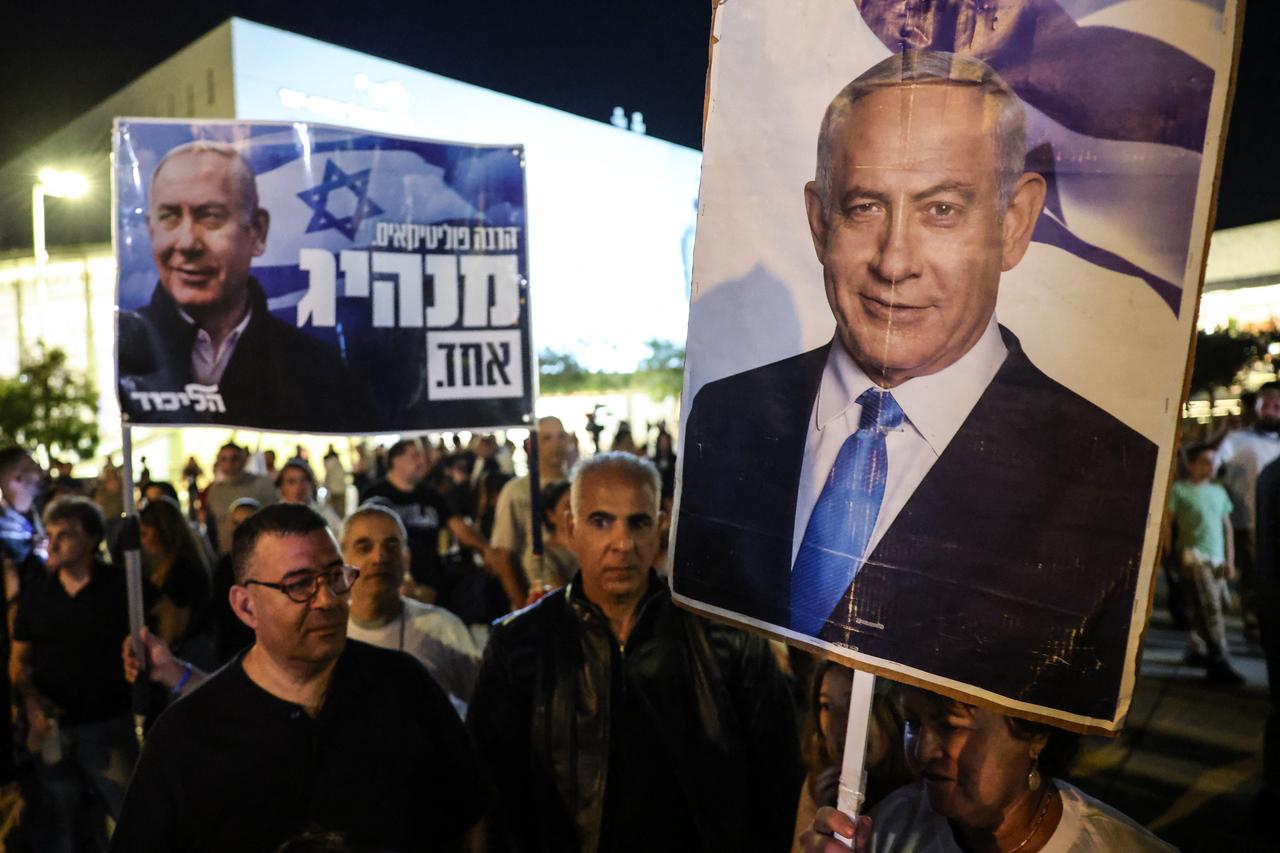
The parties have traditionally supported Netanyahu, whose governments have accommodated the ultra-Orthodox community's longstanding exemption from mandatory military service.
However, the issue has become increasingly contentious as Israeli reservists have served multiple tours during the wars that followed the Oct. 7, 2023 attack.
Ultra-Orthodox Jews account for approximately 14% of Israel's population and have a birth rate significantly higher than the national average.
Netanyahu, who is personally secular, has long relied on ultra-Orthodox parties for parliamentary support while allowing their communities to prioritize religious education over military service.
However, his failure to formally enshrine the exemption in law angered the two parties, which withdrew from his government without seeking his removal.
On Thursday, United Torah Judaism declined to endorse Netanyahu during consultations with Herzog, although it also stopped short of supporting Eisenkot.
Yaakov Asher, a lawmaker from the party, welcomed Liberman's change in position, saying religious leaders would consider any formal coalition proposal.
"It is encouraging to learn of the flexibility of all political actors on the subject of conscription," Asher said.
"It is painful to think how much incitement and hatred between brothers could have been avoided had that same flexibility been demonstrated in recent years."
Liberman's apparent change of position marks a significant departure from his election campaign, during which he promised to crack down on ultra-Orthodox "draft-dodgers."
Earlier this year, he described ultra-Orthodox Jews as "anti-Jewish" over their demands concerning military service.
His Yisrael Beiteinu party won seven seats in the election, the fewest among the five principal opposition parties.
Former prime minister Naftali Bennett also campaigned heavily on ending military service exemptions, repeatedly pledging "not one shekel" in government funding for religious students who refuse to serve.
Bennett has not publicly commented on Liberman's latest remarks.
Among the main opposition leaders, Golan has been the only one to explicitly support cooperation with lawmakers representing Israel's Arab minority, which accounts for approximately 20% of the population.
Netanyahu had repeatedly warned during the campaign that an opposition victory would give greater political influence to Arab Israelis, descendants of Palestinians who remained in the country following Israel's establishment in 1948.
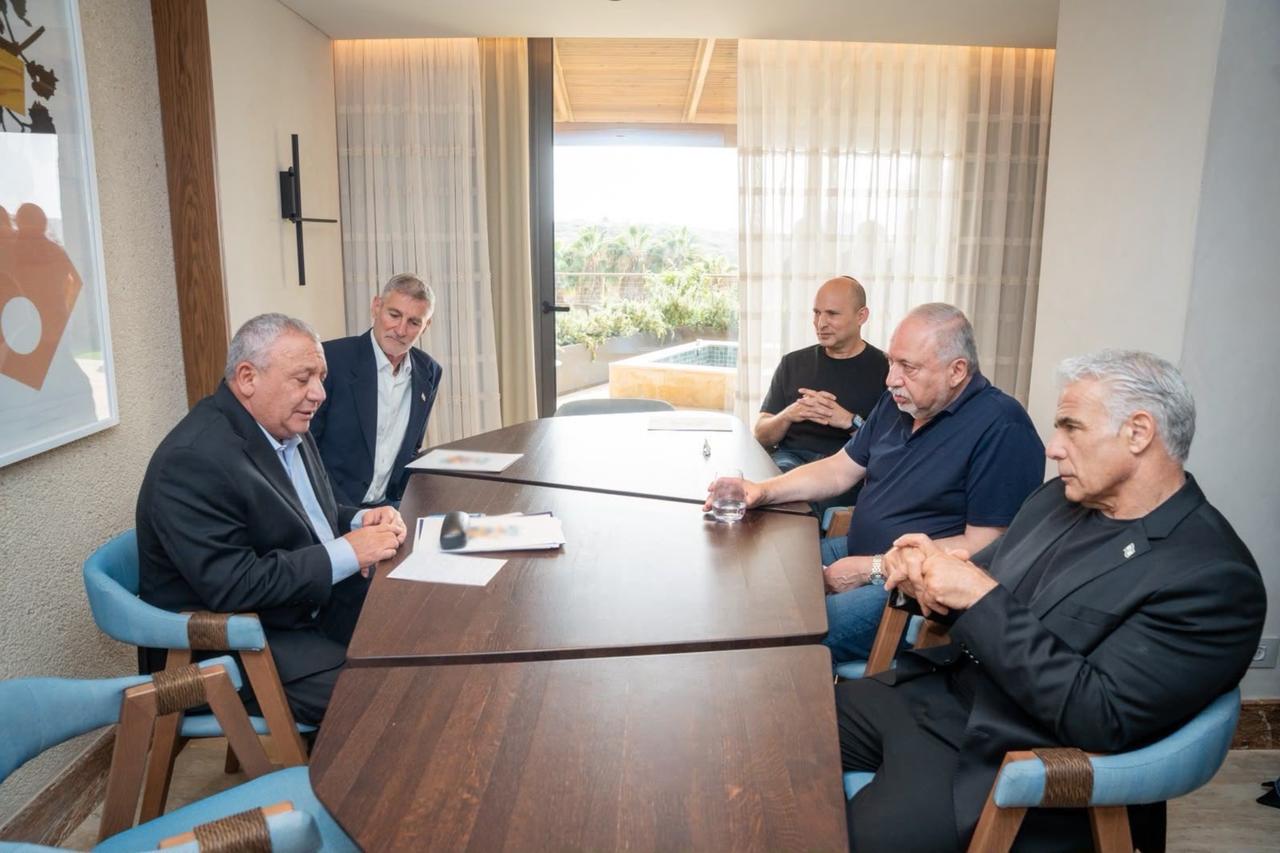
With Herzog preparing to assign the government-forming mandate, Liberman's willingness to reconsider his position on conscription could become an important factor in negotiations over Israel's next governing coalition.


 Set as preferred source
 Set as preferred source


 1 min read
 1 min read