Newsletters


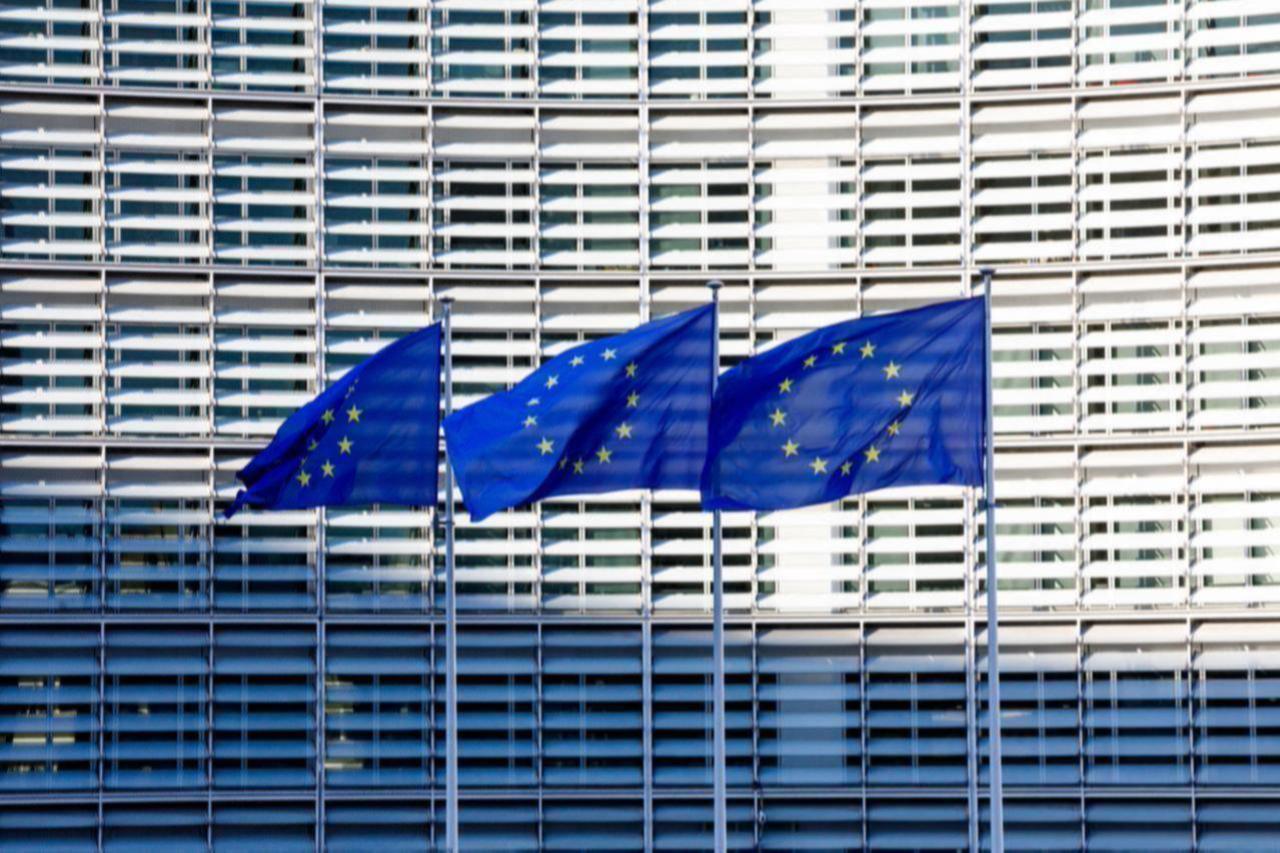


Europe stands on the brink of collapse unless it increases its strategic autonomy, a former European Union commissioner warned at a conference in Istanbul focused on Mediterranean security.
Dimitris Avramopulos, who served as the EU's Commissioner for Migration, Home Affairs and Citizenship, told attendees at a panel titled "Beyond Tension: Rebuilding Strategic Balance in the Eastern Mediterranean" that the continent faces an existential choice about its future direction.
"Europe must make a choice. Will it increase its strategic autonomy? Otherwise it cannot survive. If it continues this way, Europe will be on the brink of collapse," Avramopulos said.
The former Greek foreign minister argued that Europe cannot sustain itself unless it completes the "European project" by adopting common defense and foreign policies. His remarks come as the EU grapples with questions about its global role amid shifting geopolitical dynamics.
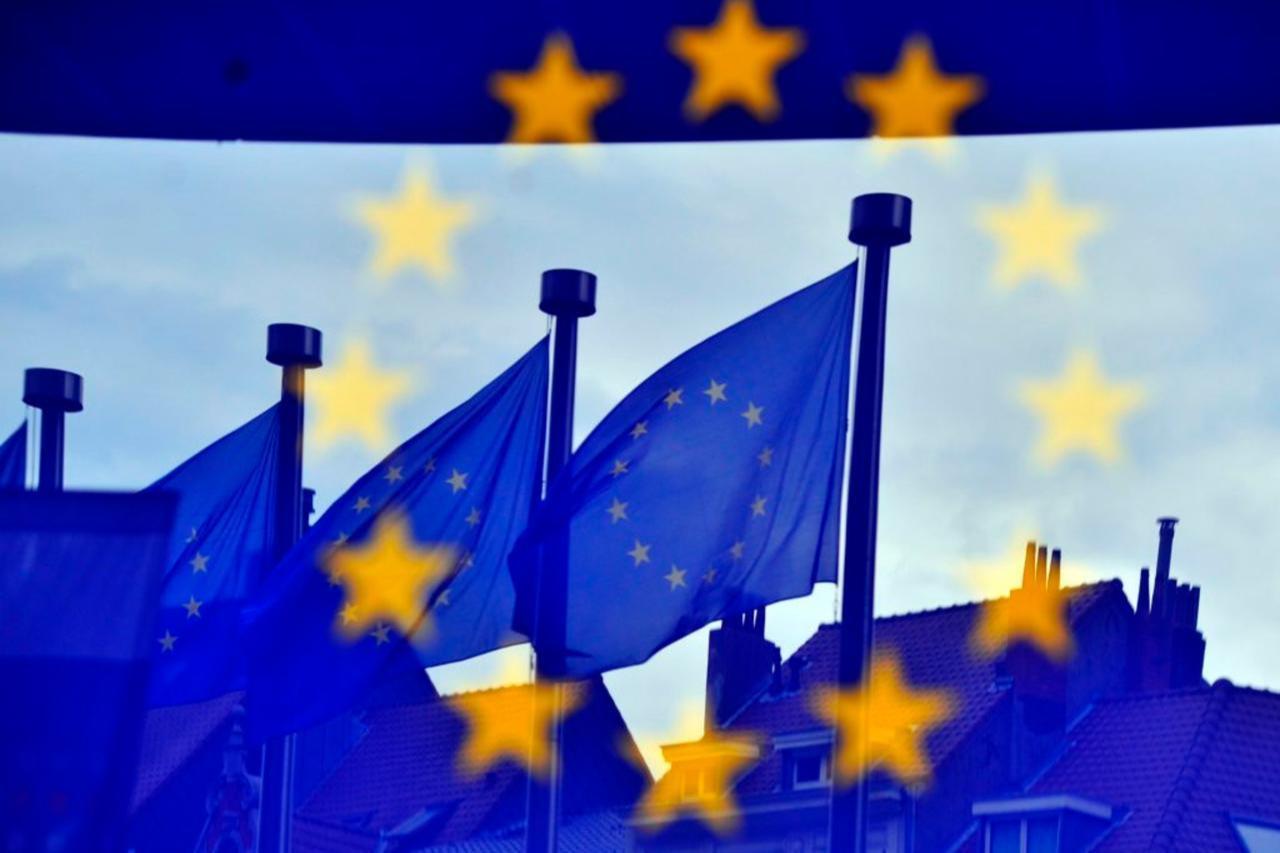

Avramopulos noted that the United States, Russia, China and the EU maintain different approaches toward the Eastern Mediterranean region. He emphasized that countries in the area need to "take their fate into their own hands" rather than relying on external powers to shape regional dynamics.
The Eastern Mediterranean has emerged as a flashpoint for competing interests, with disputes over maritime boundaries, energy resources, and security arrangements creating ongoing tensions among regional actors.
 1 min read

Describing the EU-Türkiye-Greece triangle as containing both "risks and opportunities," Avramopulos acknowledged that long-standing disputes remain unresolved. He called for systematic approaches to manage these complex relationships.
"We need an institutionalized tension reduction approach. We need permanent channels for incident prevention. We need real-time, direct communication lines. We need protocols regarding air and sea interactions. We need functional, confidence-building measures," he said.
Avramopulos warned that bellicose rhetoric can poison the atmosphere and narrow the political space for dialogue. He urged the EU not to remain passive, noting that the bloc is affected by every regional shock, including pressures at its borders, migration movements, and energy security concerns.
The former commissioner characterized EU-Türkiye relations as "selectively functional and politically limited," calling on the EU to avoid "a preaching attitude that is devoid of tools and limited to repeating principles."
While acknowledging that dialogue between Türkiye and Greece remains necessary, Avramopulos stressed the need for additional mechanisms to reduce the risk of incidents. He advocated for partnerships based on common interests and institutional frameworks in the region.
"Such a (Mediterranean cooperation) plan will mobilize resources, align incentives, become a community of stability based on real interests, and reduce the momentum of destabilizing forces," he said.
Avramopulos emphasized that Gaza cannot be ignored in analyses of the Mediterranean region, calling it a "tension test" for the entire area. He said the Gaza issue "tests everyone's humanitarian credibility" and requires dual commitments encompassing "security for Israel and a credible political and humanitarian horizon for Palestinians."
The humanitarian crisis in Gaza has reverberated throughout the Mediterranean region, affecting diplomatic relations and complicating efforts at regional cooperation.


 Set as preferred source
 Set as preferred source


 1 min read