Newsletters


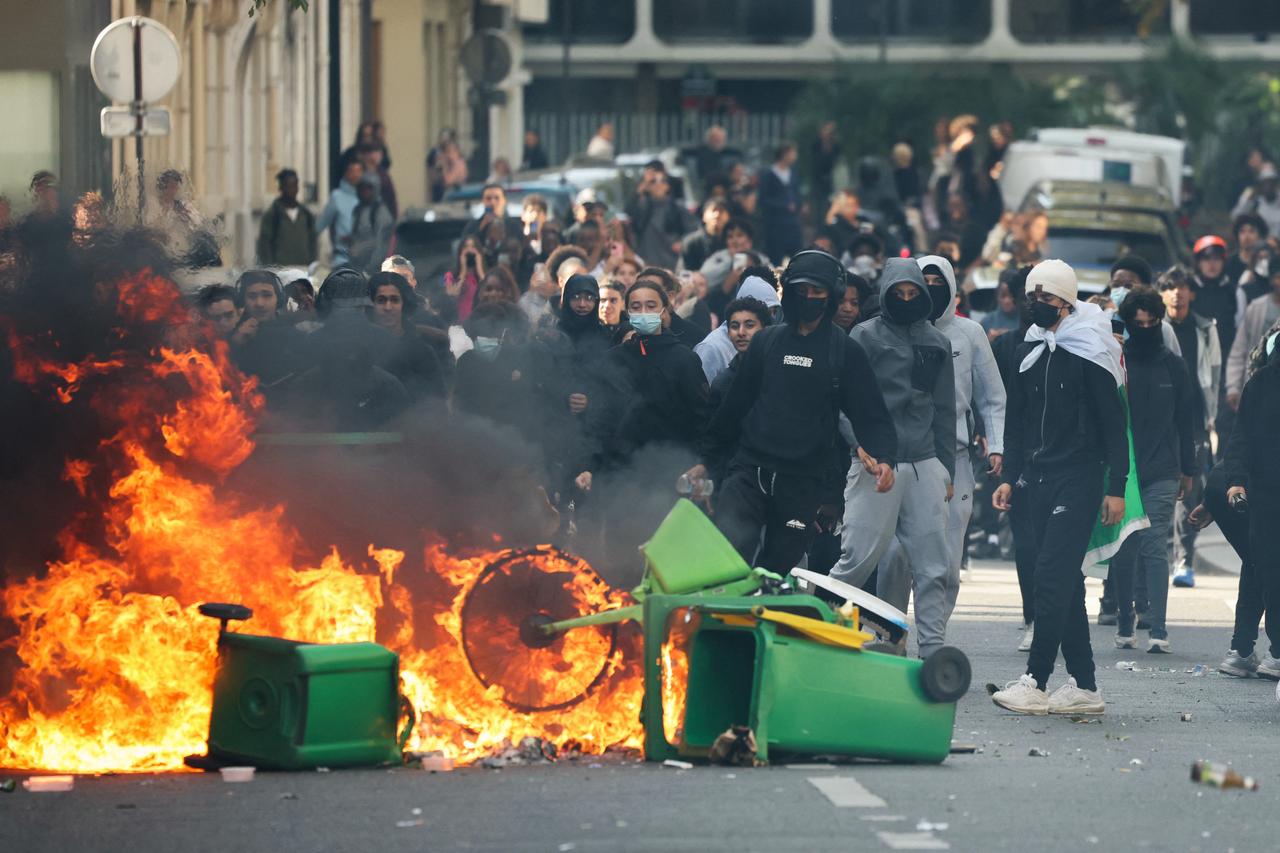


French high school protests over education conditions intensified across the country on Friday, disrupting 735 schools and leading to 1,747 arrests as clashes broke out between demonstrators and police.
The movement, which began in the Paris region in September before spreading nationwide, has brought students onto the streets to demand improvements to school conditions, including shorter hours, better staffing and action over overcrowded and overheated classrooms.
Education Minister Edouard Geffray said 735 of France's roughly 3,700 schools were affected "in one way or another" on Oct 2, around 30% fewer than the previous day.
Student unions and other groups, however, said the demonstrations would continue and called for another nationwide mobilization on Tuesday.
"High school students are expecting concrete measures from this government, and so far we have not received them," USL high school union leader Ryad Rani said.
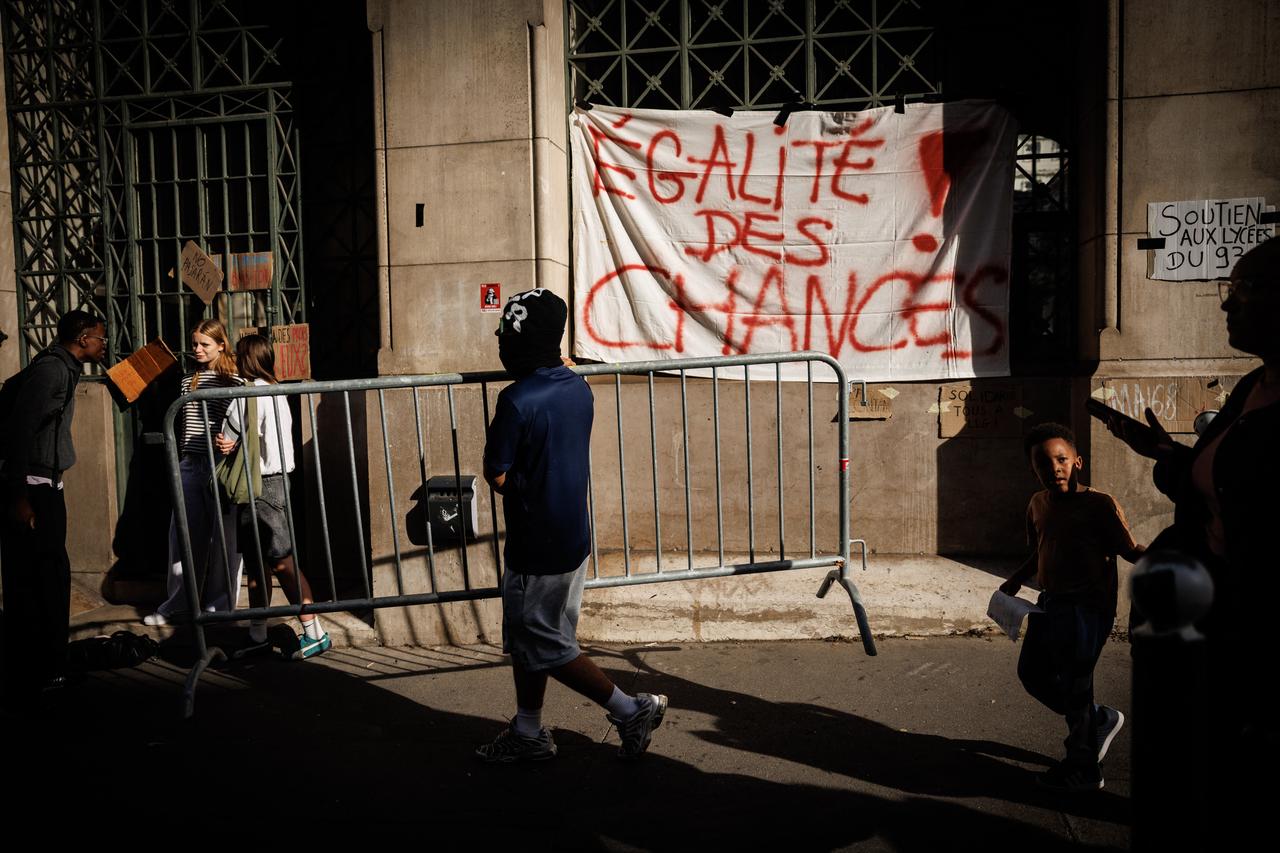

Interior Minister Laurent Nunez said 1,747 people were arrested on Friday amid incidents involving projectiles and attacks on police officers, teachers, journalists and passersby.
In Brest, police fired tear gas after students threw projectiles, while fires damaged the entrances of two high schools in Paris. Police also used batons and riot shields against protesters in Aubervilliers, north of the capital.
In Belfort, footage showed a group of youths surrounding a police officer before knocking him to the ground and kicking him. Nunez described the violence shown in the images as exceptionally severe and unacceptable.
A teacher in the southern town of La Ciotat was sprayed with petrol before being physically assaulted by two people, according to officials.
Meanwhile, a young man injured during clashes in Tours on Wednesday lost the use of his right eye, the city's prosecutor said.
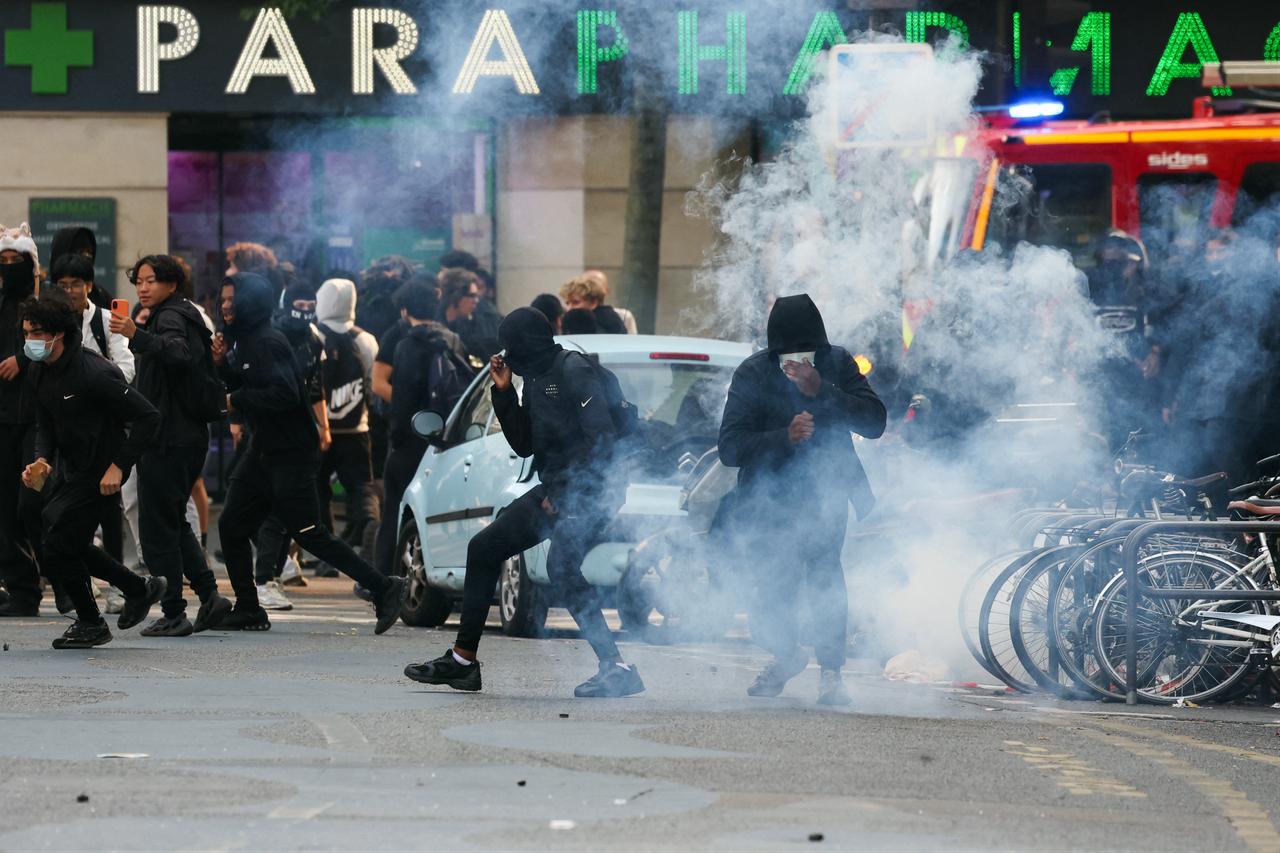
Students have also accused security forces of responding disproportionately to the protests.
James, a high school student in Lille, described the police response as "extremely violent police repression" and argued that it was adding to student anger.
"When we see fellow students being beaten, choked, blinded in one eye, and tear-gassed from all sides while we're simply trying to have a dialogue with the government, of course it makes people angry," he said.
French police have opened internal investigations following allegations of brutality against demonstrators.
Since the movement began, Geffray said around 170 students and at least 65 school staff members, including 40 principals, had been injured, while more than 100 high schools had suffered severe damage. Nunez said more than 300 police officers and gendarmes had also been injured.
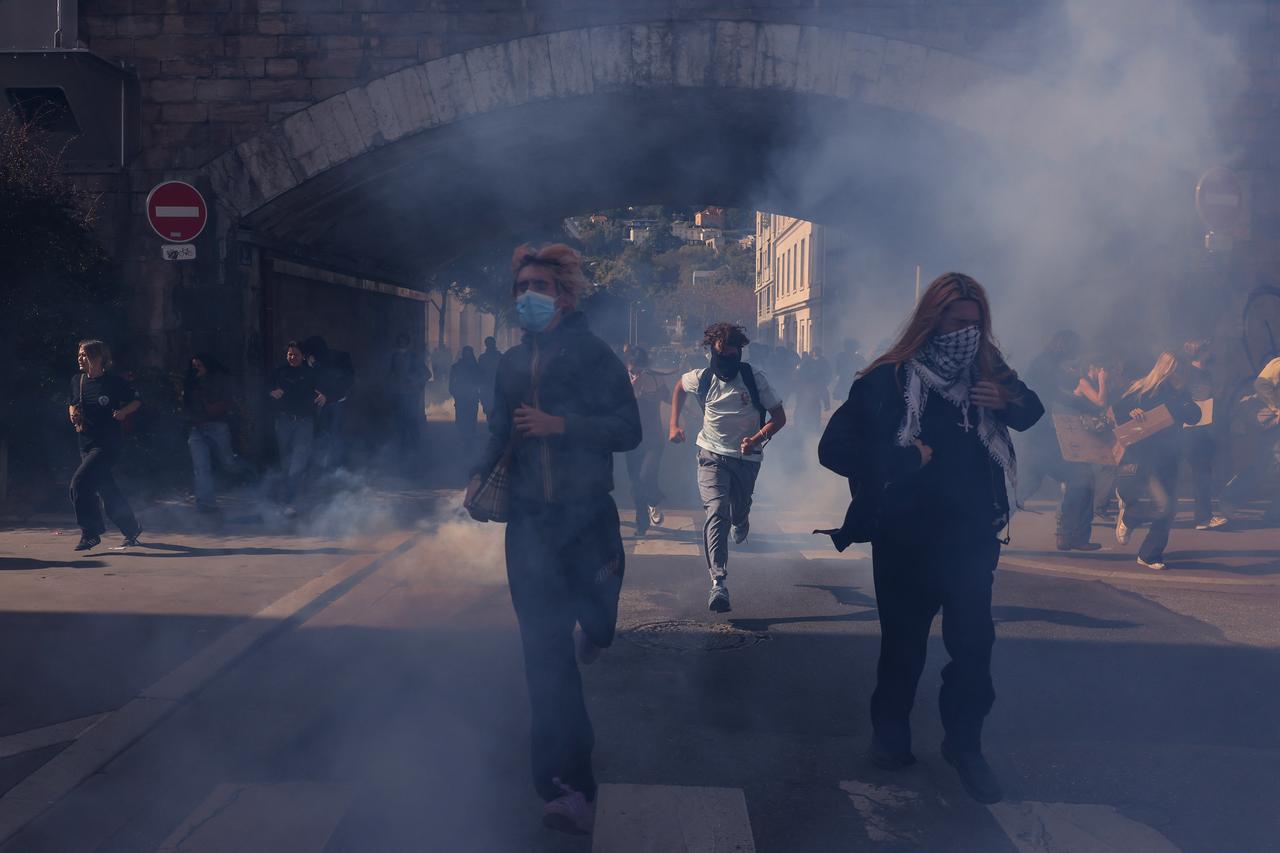
Students say their grievances include long school days, staff absences, crowded classrooms and inadequate conditions, particularly extreme heat inside classrooms during recent heat waves.
Following talks with student representatives, Geffray announced an action plan aimed at speeding up the replacement of absent teachers.
The government has said students have the right to raise concerns about their education but has condemned the violence surrounding some of the demonstrations.
It has also accused the hard-left France Unbowed, or LFI, of helping fuel the movement, an allegation rejected by senior party official Manuel Bompard.
The unrest comes months before France is due to choose a successor to President Emmanuel Macron, adding a political dimension to a protest movement that student organizations say will continue next week.


 Set as preferred source
 Set as preferred source


 2 min read