Newsletters


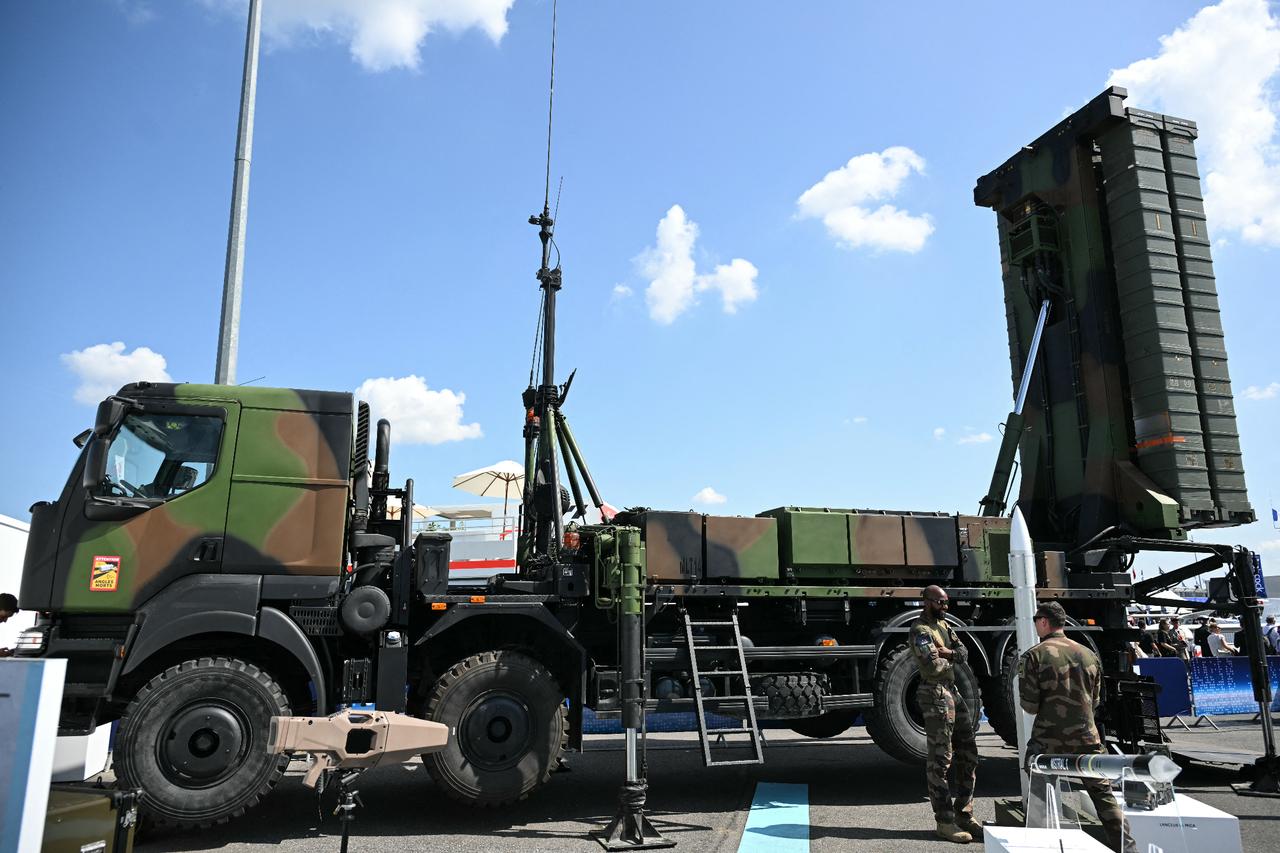


France has softened its opposition to selling the SAMP/T air-defense system to Türkiye, according to five sources familiar with the matter who spoke to Reuters, opening the door to more substantive talks with Ankara on a system Ankara has sought for years as part of its planned "Steel Dome" integrated air and missile-defense network.
The shift in the French position follows talks between French President Emmanuel Macron and Italian Prime Minister Giorgia Meloni during a summit on June 25, four of the sources said, though negotiations remain at an early stage.
"Before, there was a clear lack of openness, now there is openness," said one source familiar with the discussions, according to Reuters.
The French presidency, when contacted by Reuters, said it did not confirm the information and pointed to "significant inaccuracies" in the report but did not specify what those were and declined to elaborate.
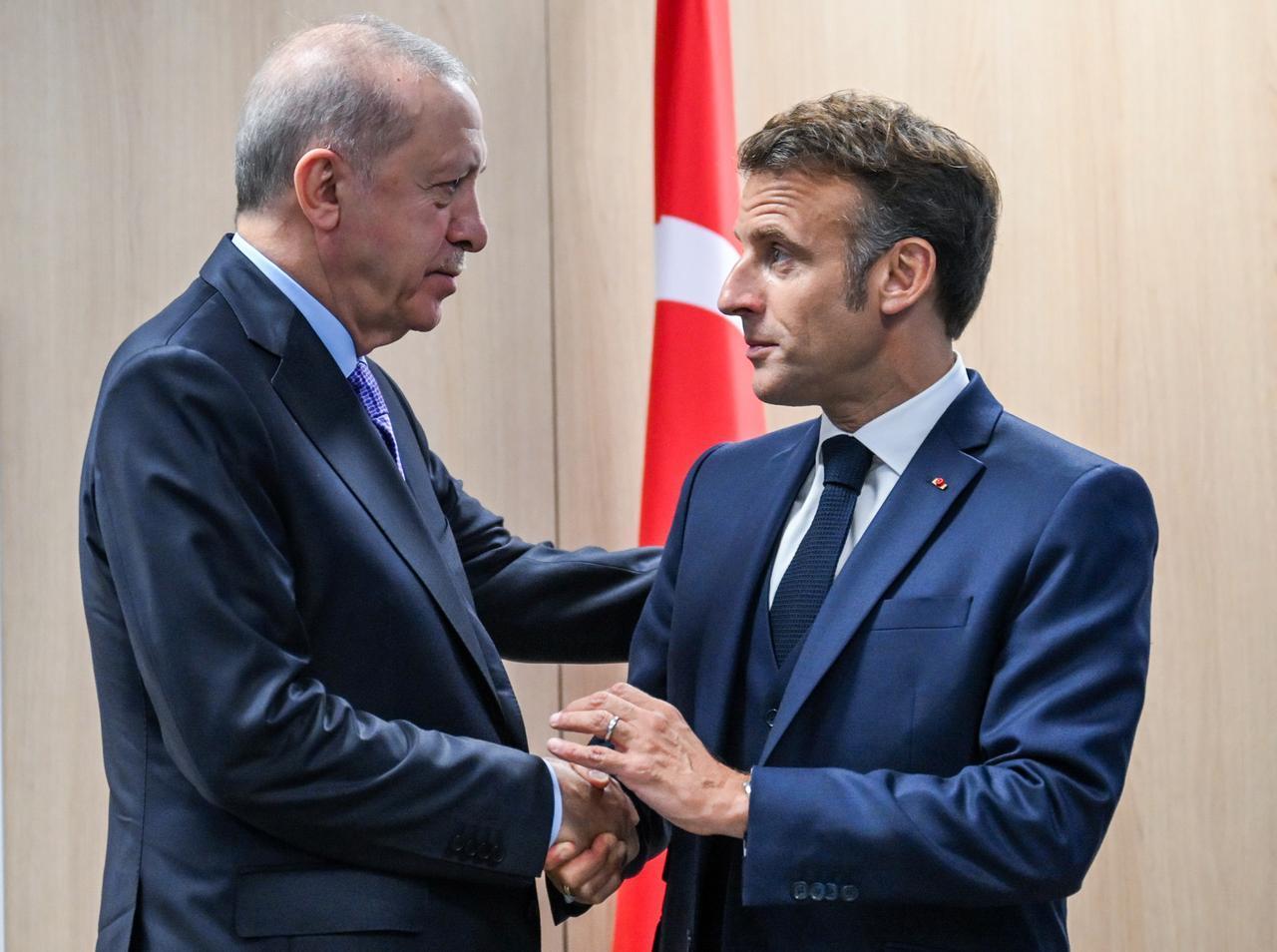
"Macron and President Recep Tayyip Erdogan are expected to hold a meeting on the sidelines of the NATO summit to discuss bilateral issues," officials said.
One source added that Meloni and Erdogan discussed the matter during a call on July 3.
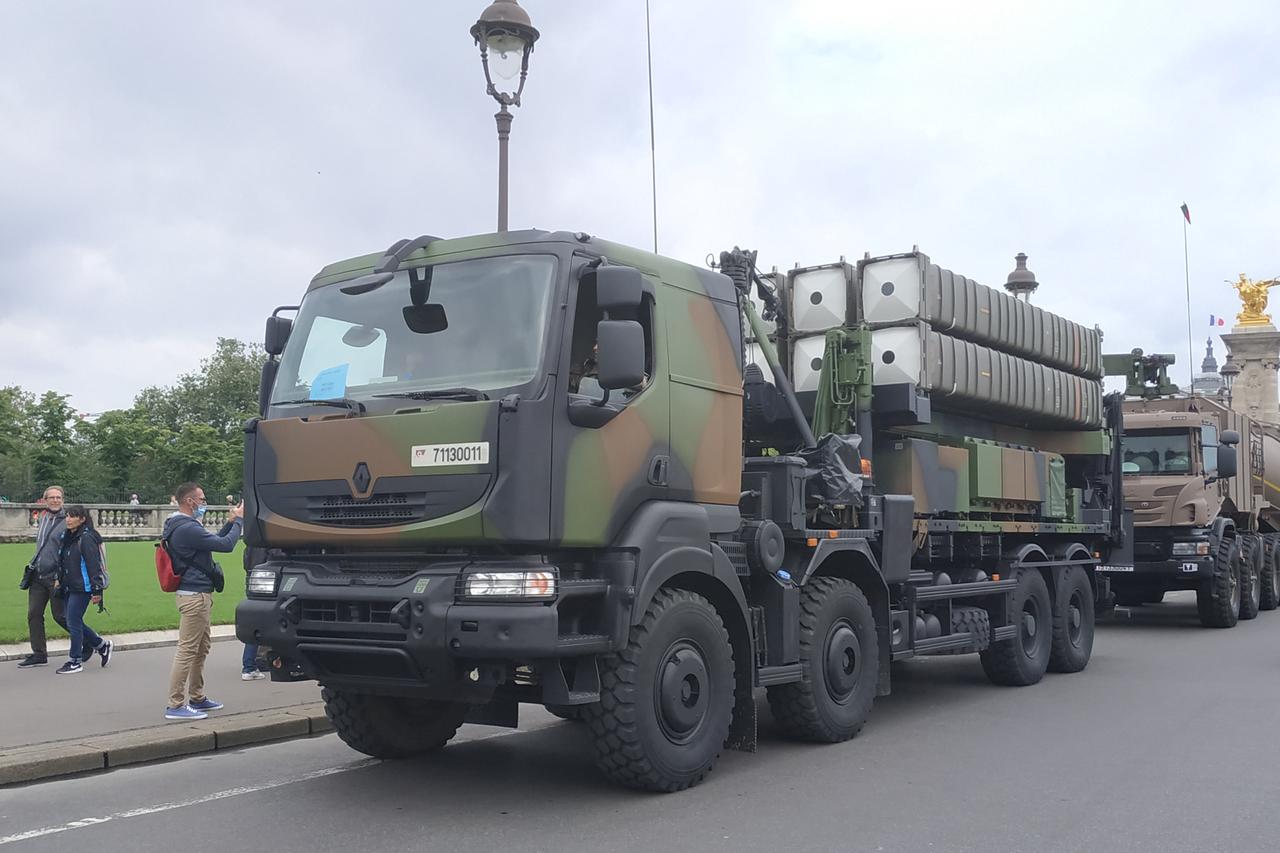
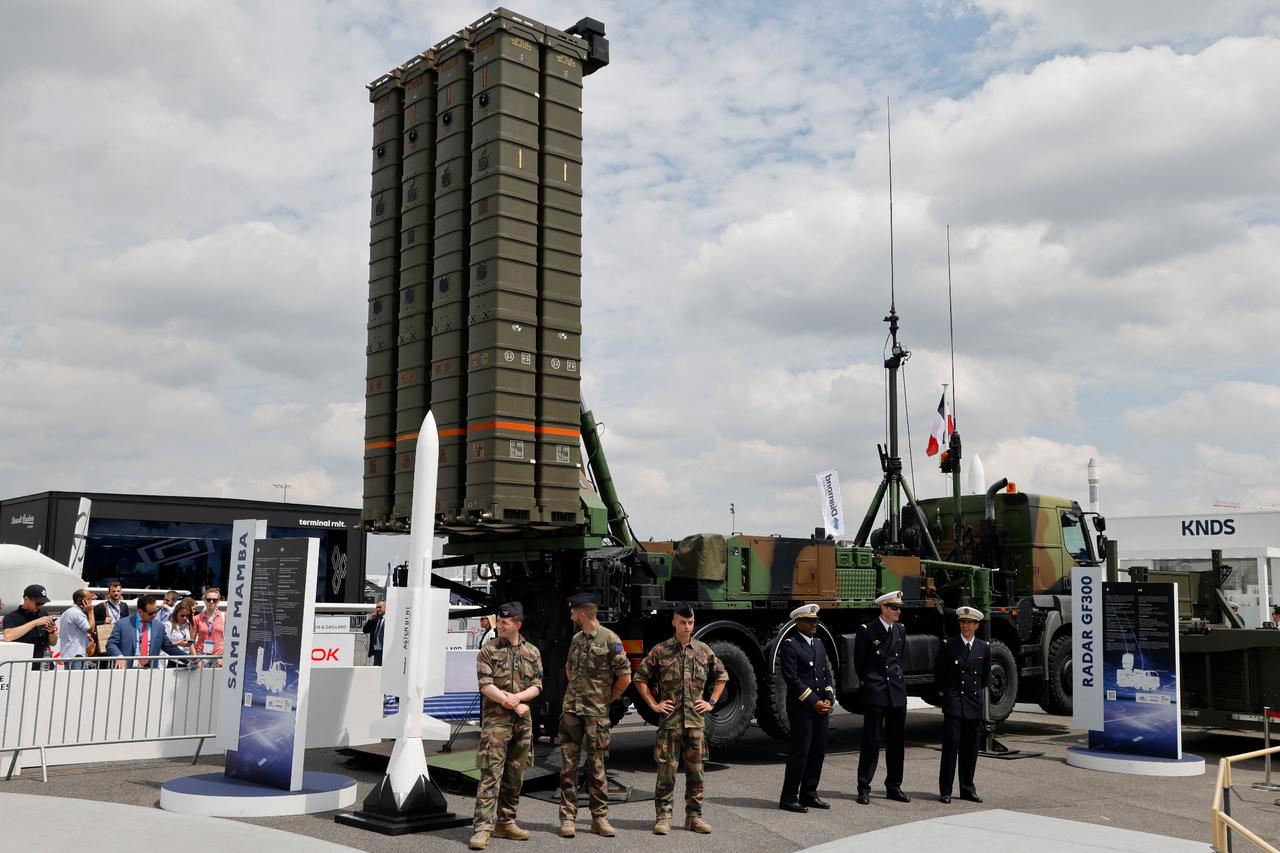
The SAMP/T, also known as Mamba, is produced by the Franco-Italian Eurosam consortium, which brings together MBDA France, MBDA Italy, and Thales. The system can track dozens of targets simultaneously, intercept multiple threats at once, and is the only European-made system that claims to be able to intercept ballistic missiles.
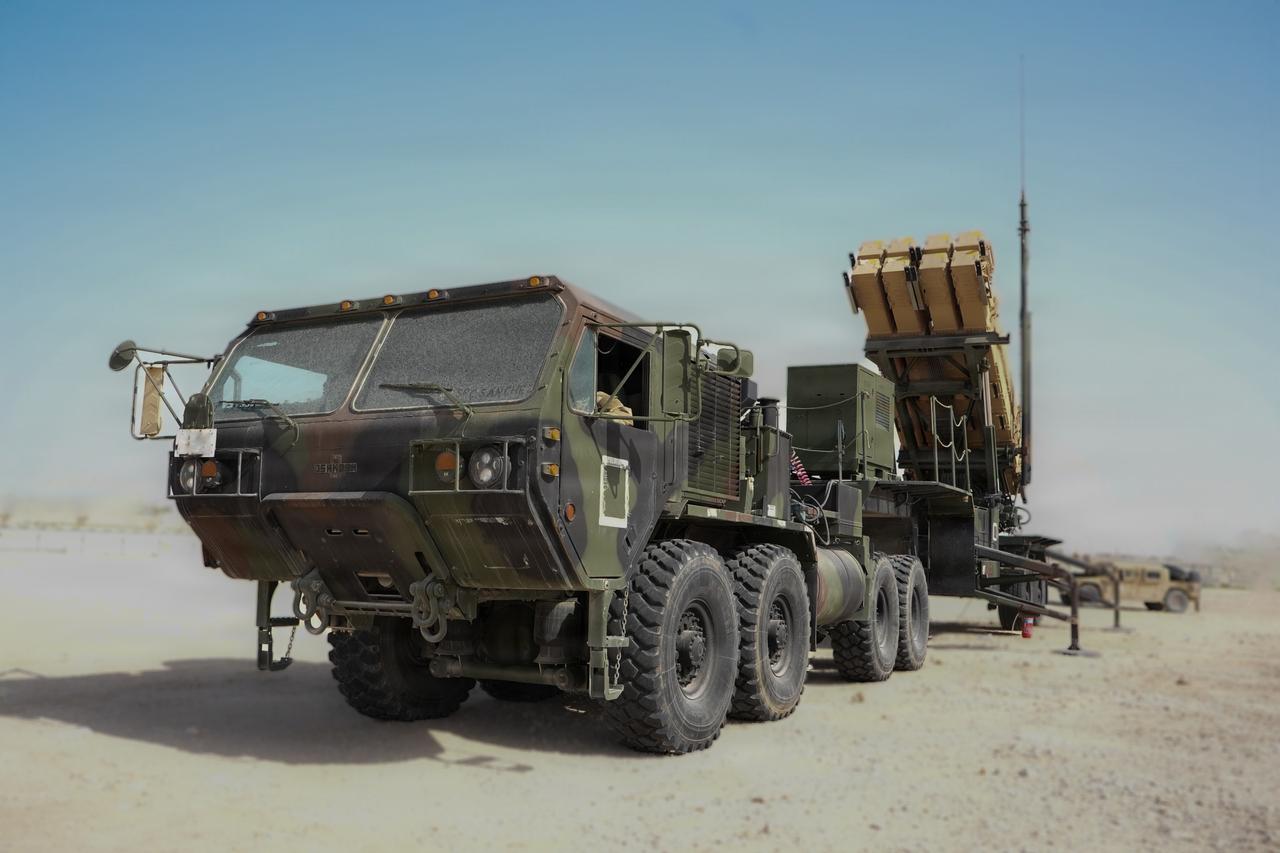
It is often described as Europe's closest counterpart to the U.S. Patriot system.
Although Türkiye has NATO's second-largest army, it lacks a fully fledged, independent missile defense shield and relies on allied systems and fighter jets while developing and deploying its own domestic network, known as the Steel Dome.
Turkish Defense Minister Yasar Guler told Reuters on June 30 that Ankara was evaluating all options to meet its air-defense needs, including potential purchases of U.S. Patriot systems or SAMP/T.
"Our core approach on this issue is clear: we are open to all cooperation that meets our country's security needs, that includes technology-sharing and joint production, and that is sustainable and in line with the spirit of alliance," Guler said, adding that technical and political talks with relevant countries were taking place "from time to time."
Italy sent the SAMP/T system to Türkiye in mid-June as part of NATO defense planning.
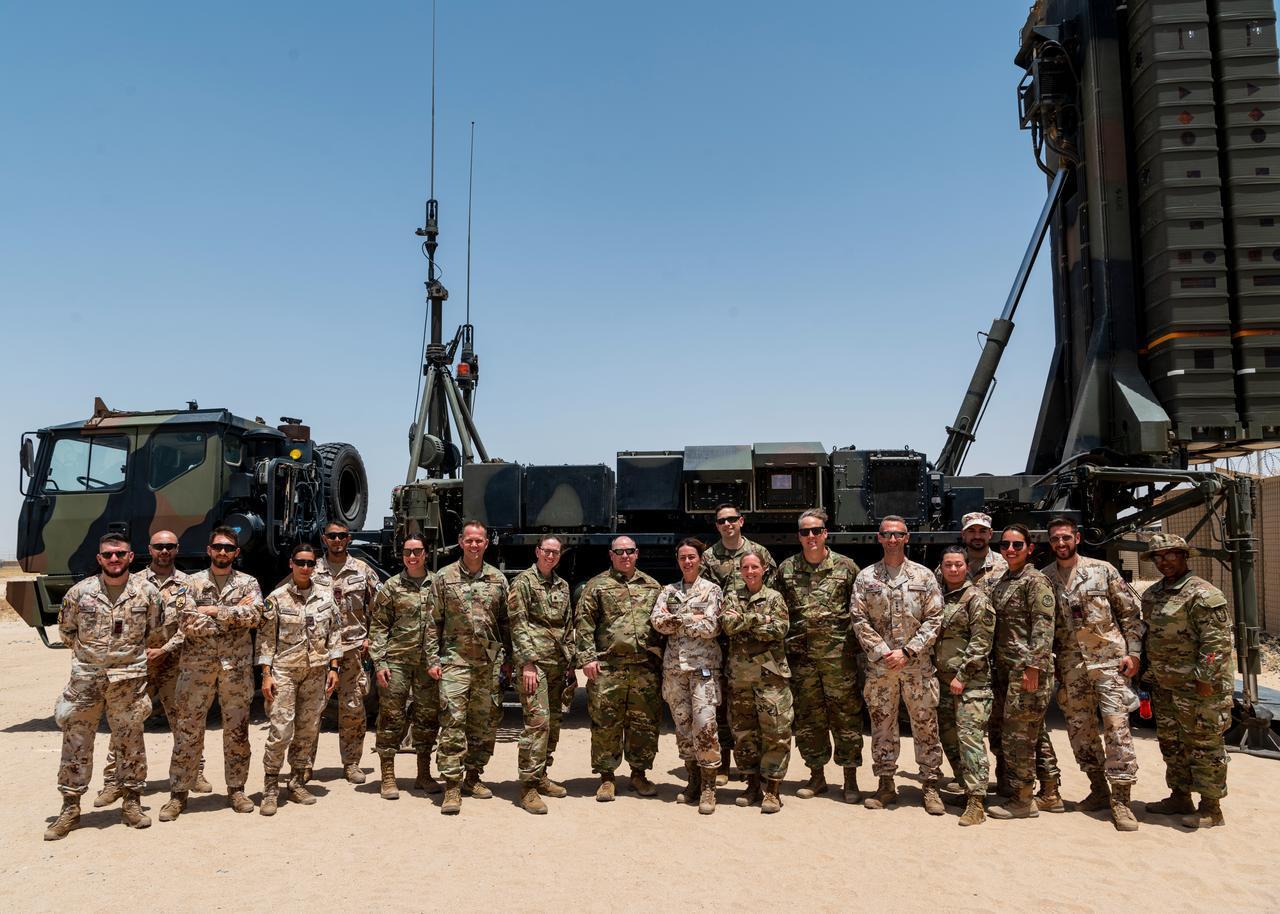

Türkiye, France and Italy launched cooperation on a possible long-range air-defense program in 2017 to 2018, including studies on co-development and co-production.
The project stalled as ties between Paris and Ankara deteriorated over Syria, Libya and disputes in the Eastern Mediterranean involving Greece and Greek Cyprus.
A Turkish official cited by Reuters said the process had been unable to move forward since 2020 due to those tensions and European Union sanctions.
"Now, it appears there is political will on all three sides, Türkiye, Italy, France, for this process to advance," the official said.
The sources said Paris had set aside some political reservations that had previously blocked progress, although hesitations remained. Two sources cautioned that France would need to placate Greece and Greek Cyprus, with which it has signed strategic defense accords, over any potential sale.
"This is just the beginning. It will be a long journey if France agrees to sell it," said Murat Aslan, defense and security researcher at Türkiye's SETA foundation, speaking to Reuters.
The sources said France's new openness should not be interpreted as approval for a sale. Beyond France and Italy, the system has been exported only to Singapore, though it has been transferred to Ukraine in recent years and France deployed it to help the United Arab Emirates (UAE) defend against Iranian missile attacks earlier this year.
Beyond the SAMP/T discussions, the Ankara summit's broader agenda is dominated by allied efforts to turn defense spending pledges into concrete military capability.
NATO says its European members plus Canada spent an extra $90 billion on defense in real terms last year compared to 2024. Secretary-General Mark Rutte has stressed the figure amounts to $139 billion in nominal terms and that there is "strong commitment" to hit the combined 5% gross domestic product (GDP) target by 2035.
Analysts said progress has been uneven.
Germany will use a rule change exempting defense items from strict borrowing limits to more than double its spending to over €200 billion ($228.3B) between now and 2030, and Poland devoted 4.3% of GDP to defense last year. But Britain's newly announced £15 billion defense spending plan has one-third still unfunded. France plans to lift defense spending to 2.5% of GDP by the end of the decade from about 2% now, Italy is set to reach 2.8% in 2026, and Spain has not budged from 2.1%.
NATO officials have also queried the defense spending figures submitted by the Czech Republic, Slovenia and Albania and asked all three to review and resubmit their numbers.
"For us, the challenge is to ensure that Allies remain on the credible path towards that 3.5% commitment; if you keep on bumping along at 2%, then you're not on the credible path," a senior NATO official said, who spoke to Reuters.
Some observers cautioned that arms suppliers may hesitate to scale up production without long-term confidence in government spending levels.
"There has been a before Trump, and there will be an after Trump, so this 5% target can change any time," said Ana Boata, head of economic research at Allianz Trade, speaking to Reuters.
"So I think there is a bit of skepticism from European defense companies to actually ramp up investments to ramp up production," she added.


 Set as preferred source
 Set as preferred source


 1 min read
 1 min read