Newsletters


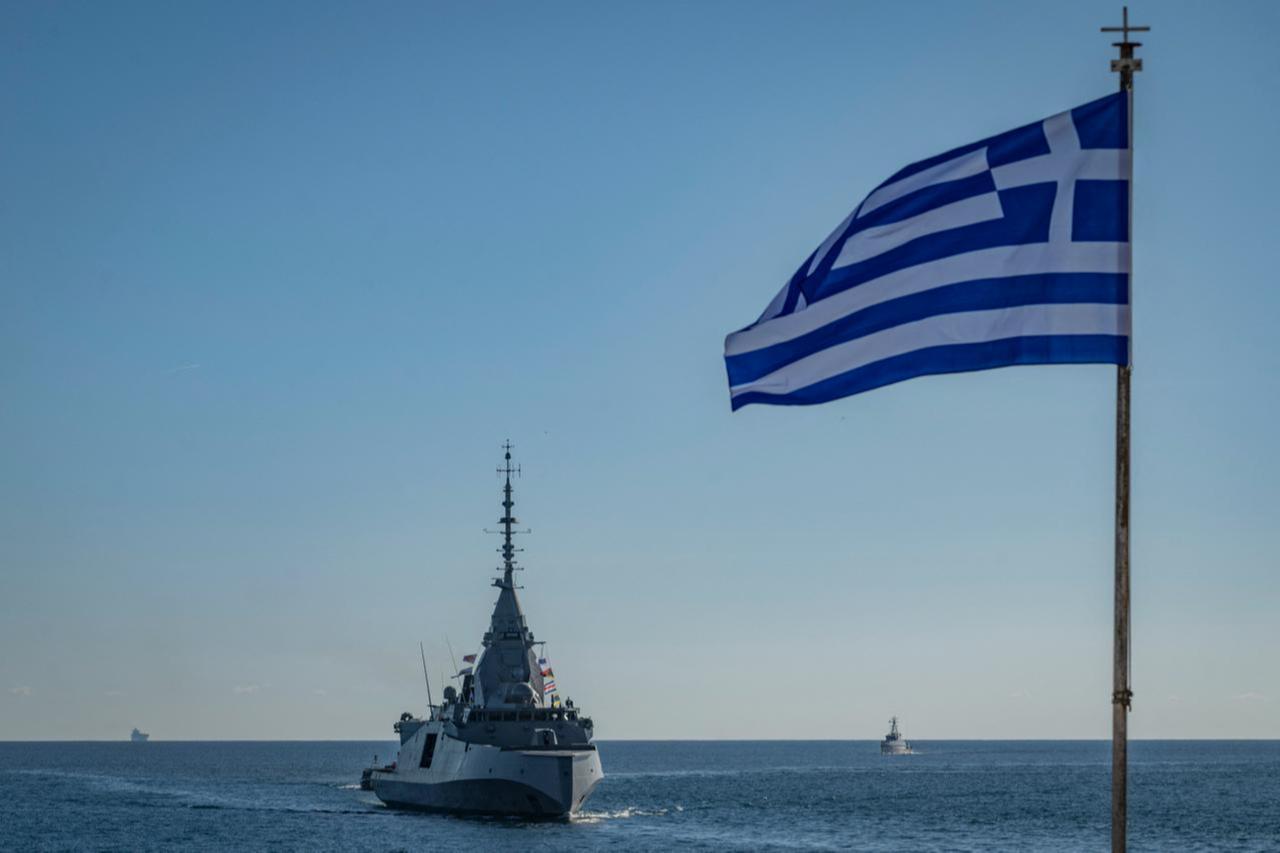


France reportedly favors postponing the planned Greece-Greek Cypriot administration-Israel electricity interconnection project, known as the Great Sea Interconnector (GSI), following Libya's ratification of a 2019 maritime boundaries agreement with Türkiye.
According to Greek newspaper Ta Nea on Saturday, Paris had underestimated both the extent of tensions between Greece and Türkiye and the implications of Libya's position until the Libyan House of Representatives approved the maritime agreement on Oct. 20.
The report claimed that following the announcement from Benghazi, France proposed delaying the project to reassess the situation.
Athens, however, reportedly rejected any changes to the project's timetable, insisting that work proceed as planned.


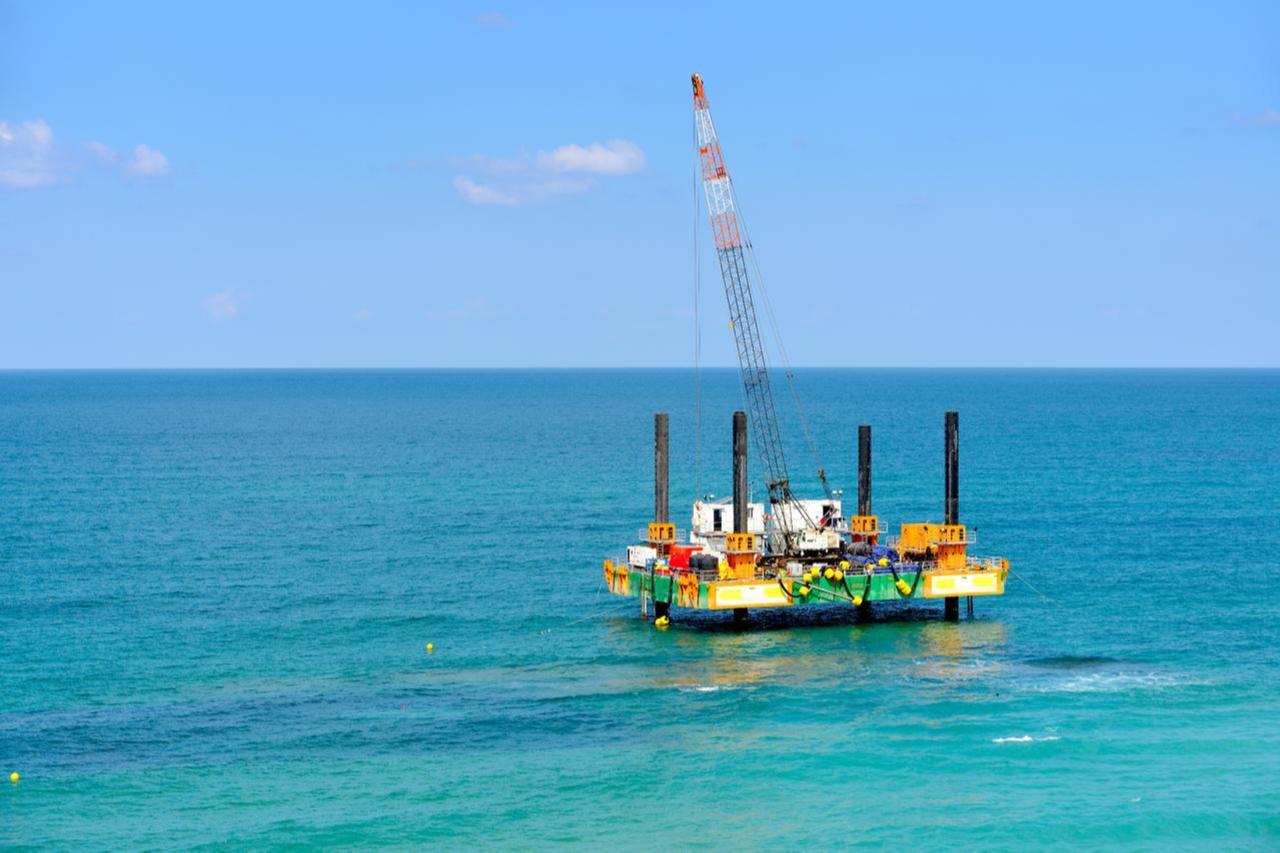
The reported French proposal comes as preparations are underway to resume seabed surveys for the GSI project, which aims to connect the electricity grids of Greece and the Greek Cypriot administration, with a planned extension to Israel.
According to Greek newspapers To Vima and Kathimerini, the French-flagged research vessel Abeille Marengo departed Naples, Italy, on Friday, heading toward Heraklion, Crete, where it is expected to arrive Tuesday, Oct. 27.
The vessel is scheduled to conduct preliminary oceanographic and bathymetric surveys to determine the route of the planned undersea electricity cable.
French cable manufacturer Nexans previously submitted an application to Greek authorities seeking authorization for the surveys, while the Greek coast guard approved the use of the vessel for the research operations.
However, the surveys cannot begin until the necessary NAVTEX maritime notice is issued, a step expected during the first 10 days of November.
According to Kathimerini, the research is expected to resume near the island of Kasos, where previous operations were suspended in 2024 following objections from Türkiye.
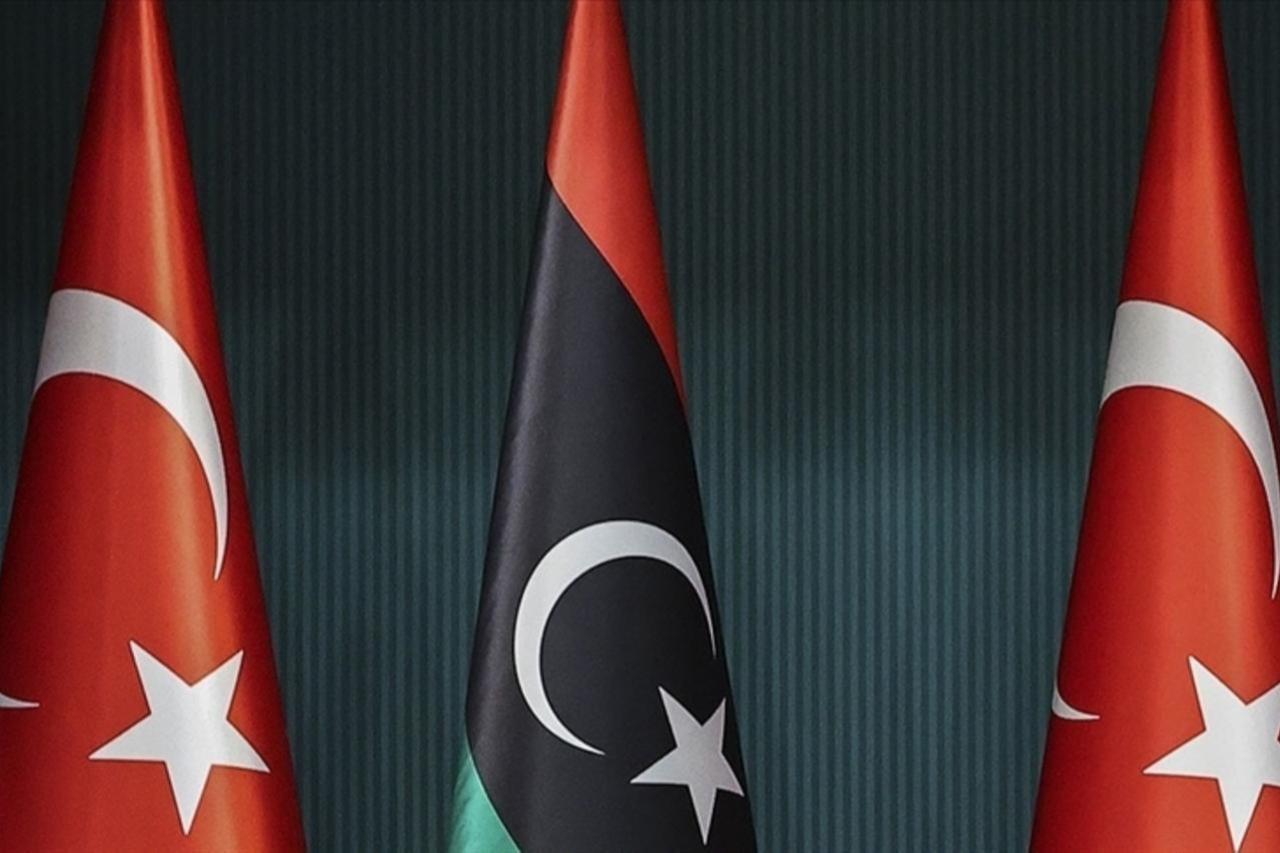
The latest developments follow the Libyan House of Representatives' unanimous approval Tuesday of the 2019 memorandum of understanding with Türkiye on the delimitation of maritime jurisdiction areas in the Mediterranean Sea.
Lawmakers also repealed two parliamentary decisions adopted in 2020, one rejecting the ratification of agreements signed with Türkiye and another calling for severing political relations with Ankara.
The agreement, signed Nov. 27, 2019, and in force since December of that year, establishes maritime jurisdiction boundaries between Türkiye and Libya in the Eastern Mediterranean.
The parliamentary decision prompted strong objections from Athens, which maintains that the agreement violates international maritime law and infringes on Greece's sovereign rights.
Greek opposition parties also criticized the government over the development, describing the ratification as a foreign policy failure.
Libya's House of Representatives Speaker Saleheen Abdul Nabi, however, defended the agreement Wednesday, calling its approval a "sovereign decision" that protects Libya's national interests.
He stressed that the agreement "does not affect the interests of other countries" and said Libyans were united in supporting it.
The decision was welcomed by political authorities in both eastern and western Libya, including the Tripoli-based Government of National Unity and the parliament-appointed administration in Benghazi.
The Turkish Republic of Northern Cyprus (TRNC) also welcomed the Libyan parliament's approval Friday, expressing support for Türkiye's position on maritime jurisdiction in the Mediterranean.
In a statement, the TRNC Foreign Ministry said it fully supported Ankara's vision of promoting peace, security and stability in the region.
"We welcome this historic step, which is shaped on the basis of international law and the principles of equity and reflects the realities of the region," the ministry said.
Türkiye has consistently maintained that its 2019 maritime agreement with Libya safeguards the legitimate rights and interests of both countries, while Greece and the Greek Cypriot administration oppose the deal.
The latest dispute comes as the GSI project approaches another critical stage, with the planned resumption of seabed surveys expected to test competing maritime claims in the Eastern Mediterranean.


 Set as preferred source
 Set as preferred source


 1 min read
 1 min read