Newsletters




France's top diplomat pressed Iran on Monday to fundamentally change course, telling the United Nations Security Council that there can be "no lasting solution" to the ongoing crisis without major concessions from Tehran, as dozens of nations demanded the full reopening of the Strait of Hormuz, the world's most critical energy chokepoint.
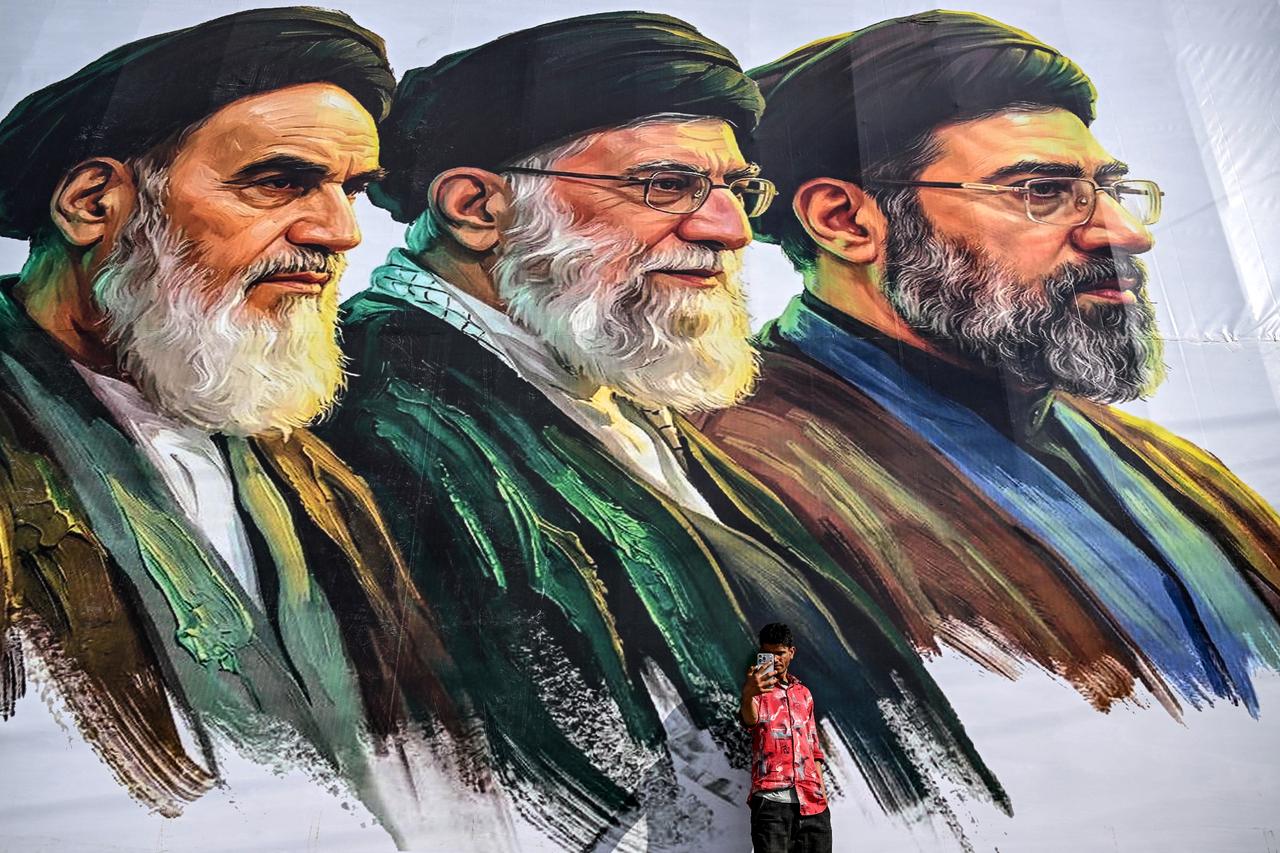
Foreign Minister Jean-Noel Barrot, speaking at a session convened at Bahrain's initiative, called on the Iranian government to demonstrate a path toward "peaceful coexistence within its region" and to allow its people to shape their own future, a remark that came months after Iranian authorities violently suppressed large-scale domestic protests.
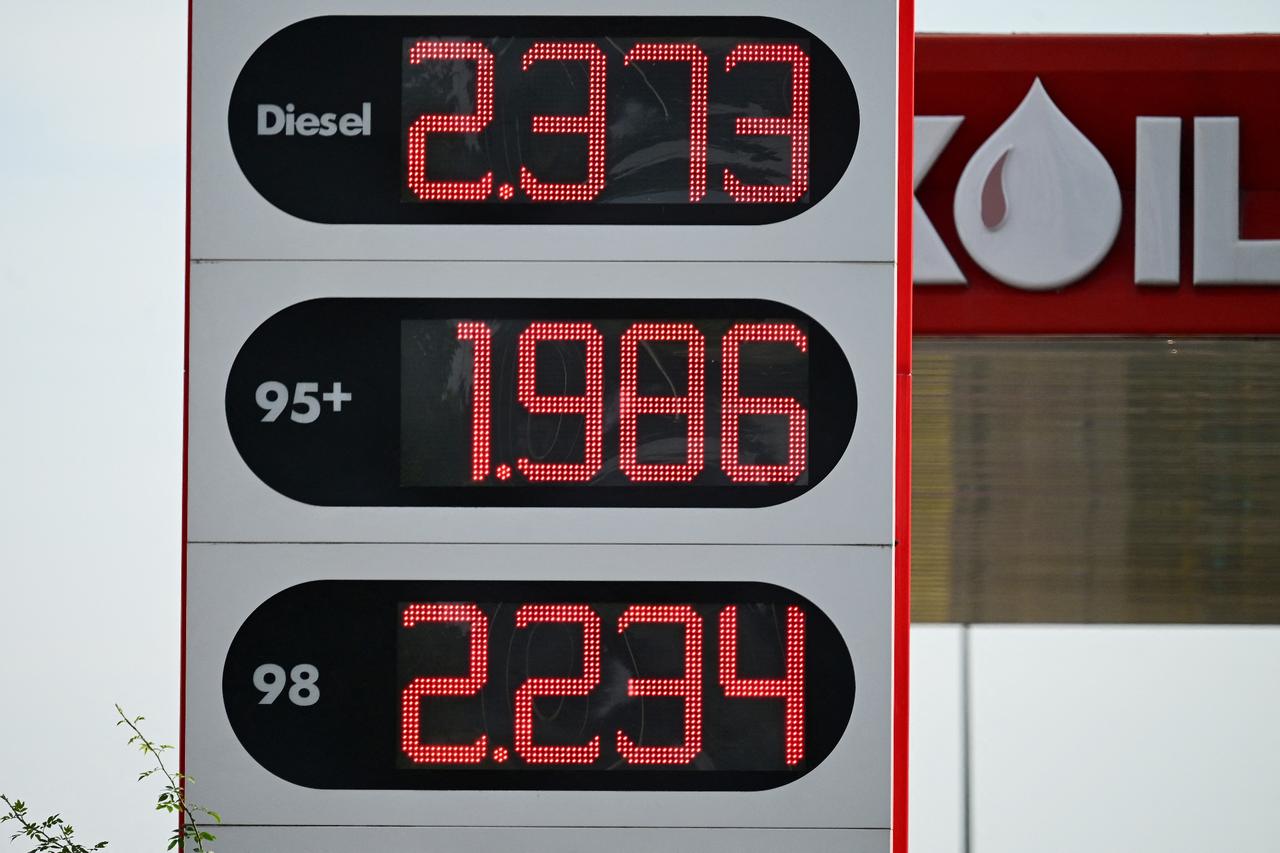
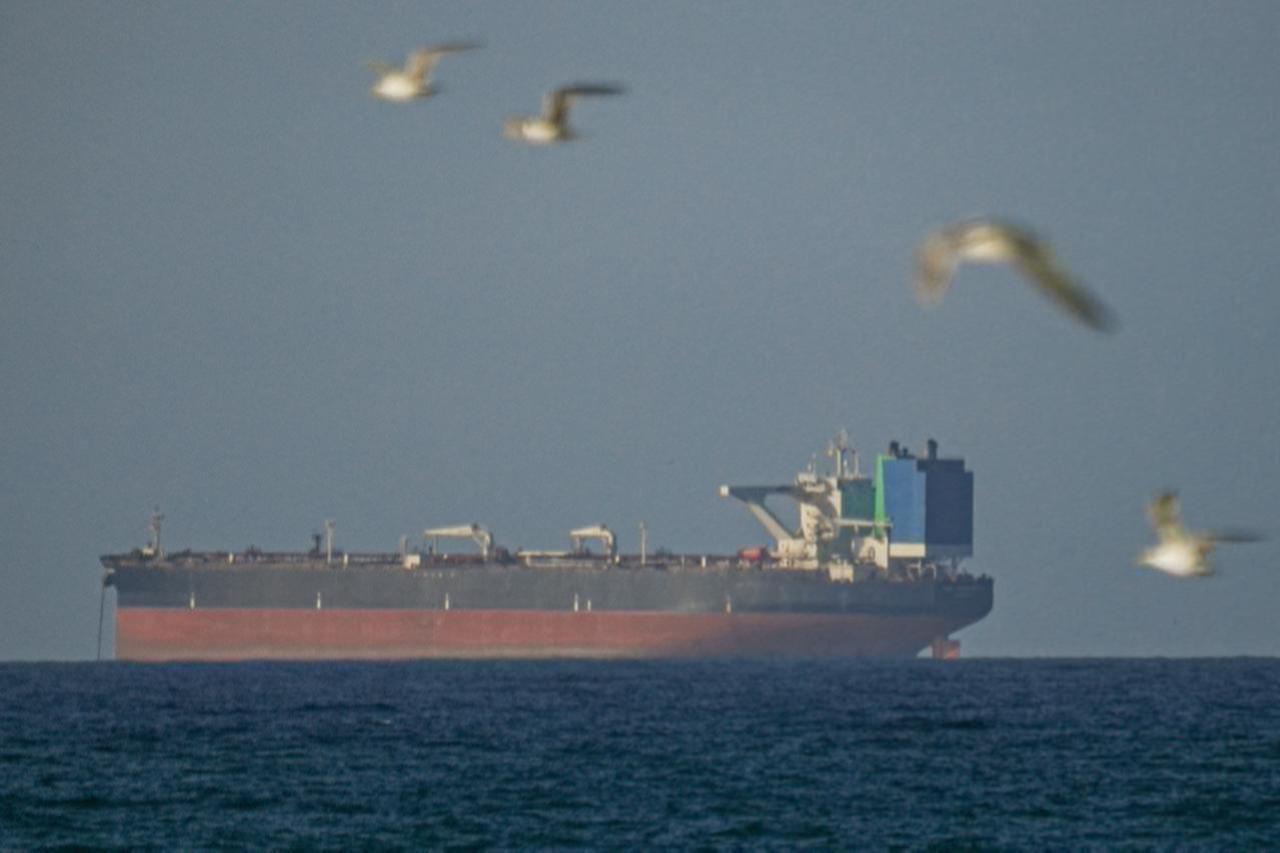
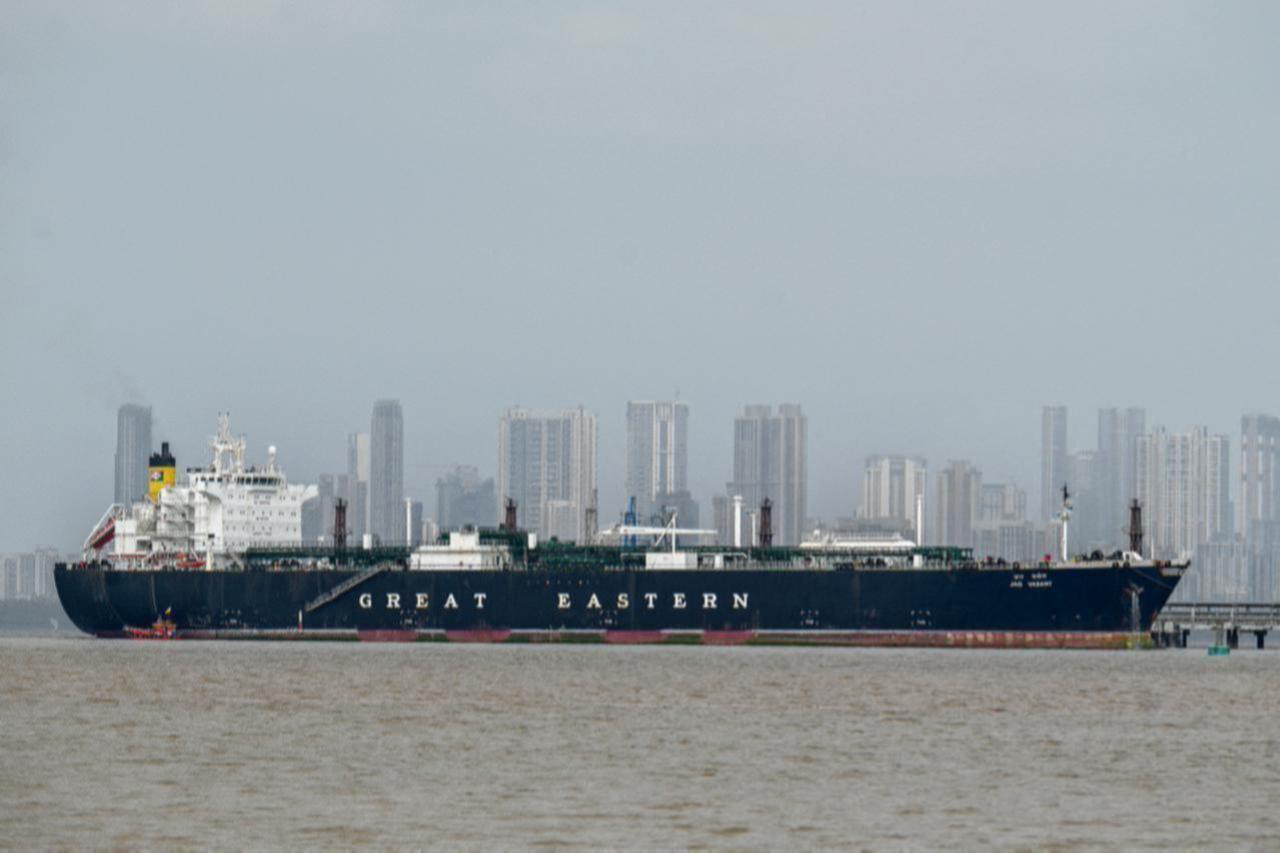
The session underscored mounting international alarm over Iran's moves to exert control over the strait, through which roughly one-fifth of the world's oil passes. In response to a U.S. and Israeli attack, Iran has moved to impose a toll system on shipping traffic through the waterway, defying repeated warnings from U.S. President Donald Trump, who has watched oil prices surge.
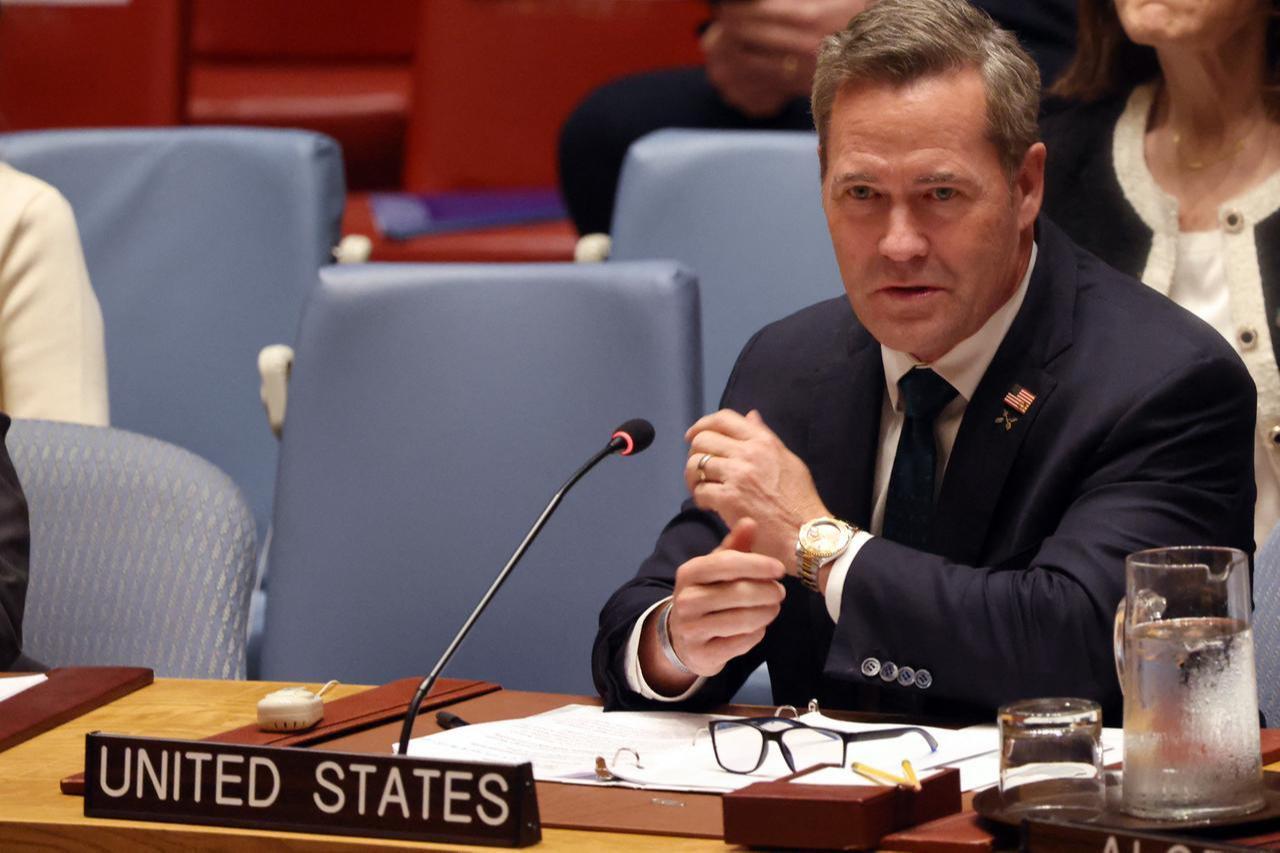

Mike Waltz, the U.S. ambassador to the United Nations, used blunt language to condemn Iran's conduct, declaring that the indiscriminate laying of mines in international waterways made Iran "international criminal pirates of the straits." He added a pointed jab at Tehran's military credibility, saying that Iran had admitted to placing the mines but also admitted to not knowing their locations, calling it a sign of incompetence.
The accusation carries legal weight. Naval mining of international waterways is widely regarded as a violation of the law of the sea, and the Strait of Hormuz, which sits between Iran and Oman, has long been recognized as a strait of international navigation under customary international law.
Despite the Trump administration's own fraught relationship with multilateral institutions, Waltz used the Security Council session to make an appeal for collective action, calling on "a coalition of like-minded partners to step up and step in with real capabilities."
Trump has separately criticized NATO allies for not supporting the United States in a war he launched without prior consultation with them, while also insisting the U.S. does not need outside assistance.
Barrot took a notably different line from Washington. While condemning Iran's actions in strong terms, he placed responsibility for the conflict's origins on the United States and Israel as well, saying they began the war "without a clearly defined goal and outside of international law." He was nevertheless quick to add that Iran bore "the overwhelming responsibility" for the broader crisis, pointing to its refusal to compromise on its nuclear and ballistic missile programs and what he described as its persistent support for terrorist organizations.
The French position reflects a recurring European posture in the conflict: acknowledging the origins of the violence while focusing criticism on what Paris views as Iran's structural intransigence.
Monday's Security Council session, called by Bahrain, produced a joint appeal from dozens of countries for Iran to fully reopen the strait, a narrow 167-kilometer waterway that is the only maritime exit from the Persian Gulf and the sole route for landlocked Gulf producers such as Kuwait and Iraq to export their oil.
The strait carries not only crude oil but also liquefied natural gas and a wide range of industrial commodities, making its disruption a source of cascading economic pressure on markets worldwide.
Iran has framed its actions as a direct response to the military campaign launched against it, and has sought to position itself as setting the terms for any normalization of shipping traffic. That stance has drawn broad condemnation from the international community, but so far little sign of a diplomatic breakthrough.


 Set as preferred source
 Set as preferred source


 1 min read
 1 min read