Newsletters


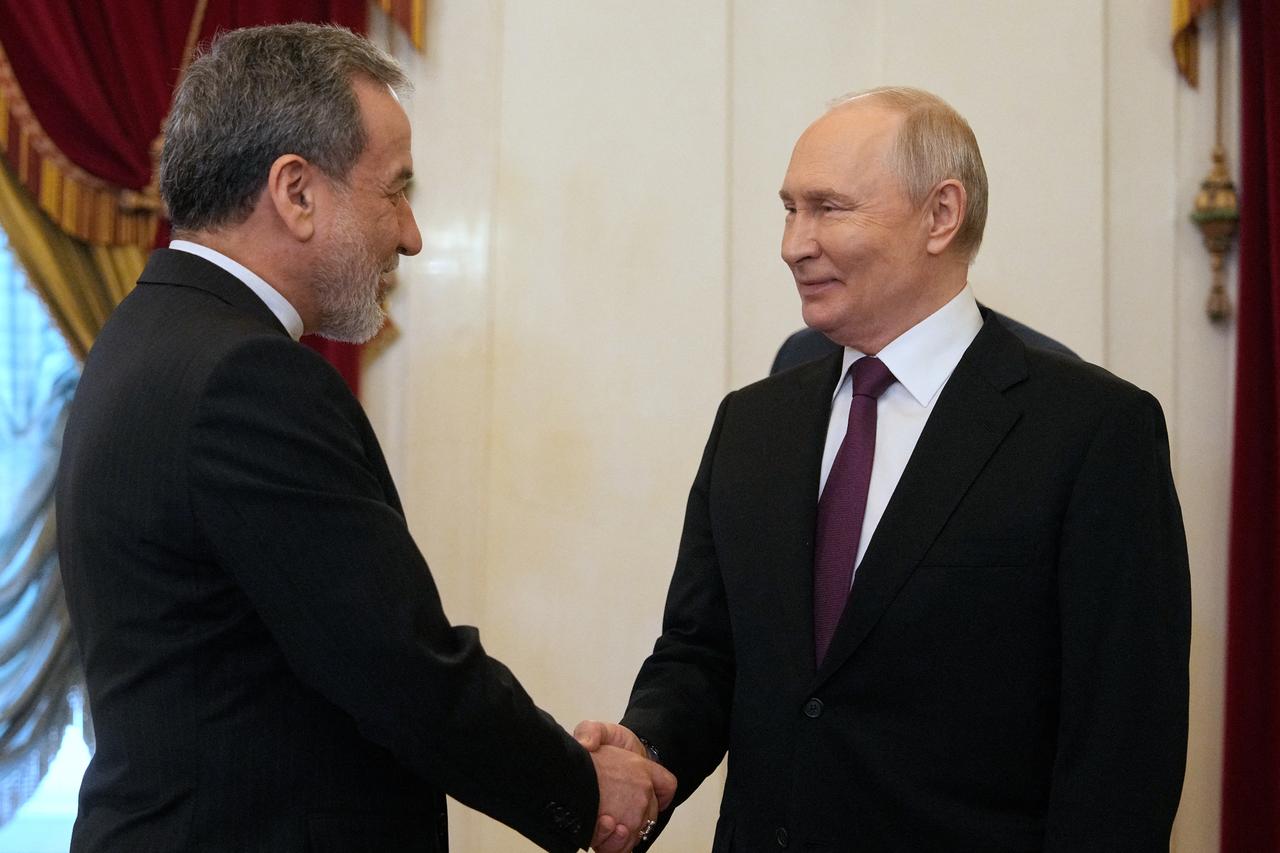


Russian President Vladimir Putin vowed Monday that Moscow would spare no effort to bring peace to the Middle East, hosting Iranian Foreign Minister Abbas Araghchi in Saint Petersburg as the two countries reaffirmed a strategic partnership forged in the shadow of war.
The meeting, held at the Boris Yeltsin Presidential Library, brought together senior officials from both governments, including Russian Foreign Minister Sergei Lavrov, Kremlin foreign policy adviser Yuri Ushakov, and GRU military intelligence chief Igor Kostyukov on the Russian side, alongside Iranian Deputy Foreign Minister Kazem Gharibabadi and Iran's ambassador to Moscow, Kazem Jalali.
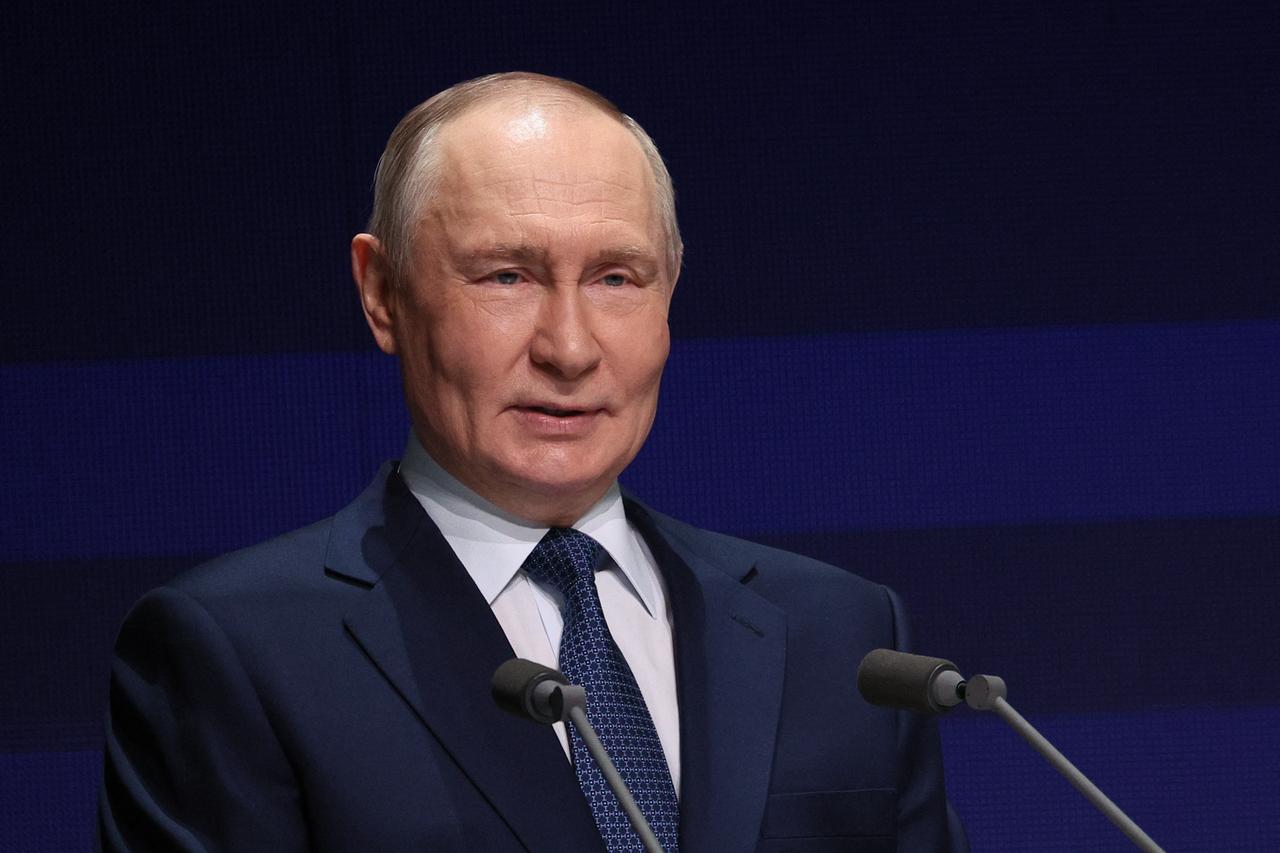
"For our part, we will do everything that serves your interests, the interests of all the peoples of the region, to achieve peace as quickly as possible," Putin said, according to Russian state media.
He also praised what he described as the courage of the Iranian people in "fighting for their independence and sovereignty" against U.S. and Israeli strikes.
Putin told Araghchi he had recently received a message from Iran's new Supreme Leader Mojtaba Khamenei and asked the minister to convey his "most sincere thanks," while also sending health wishes to the new leader. He confirmed that Russia intended to "continue our strategic relationship" with Iran.
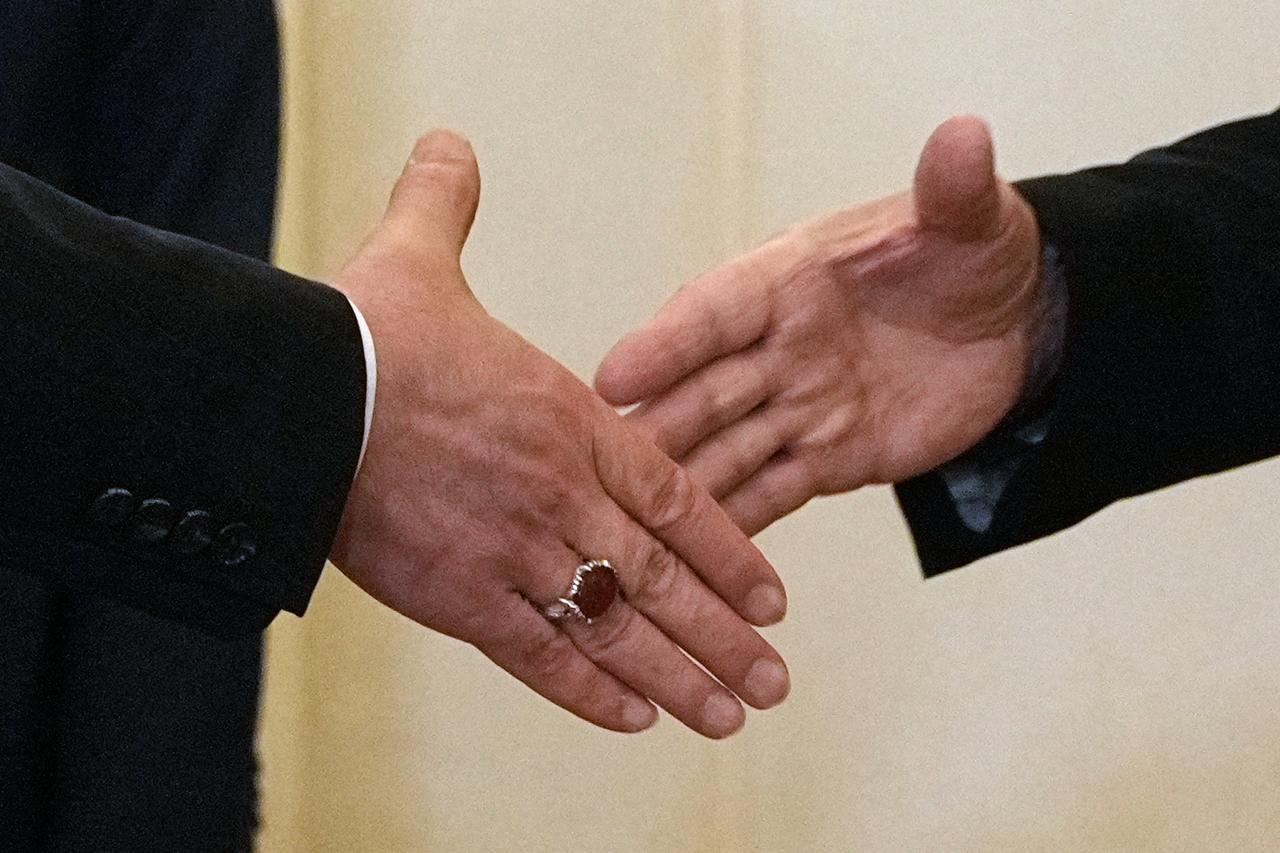

The visit underscored the depth of ties between Moscow and Tehran, cemented by a 20-year strategic partnership agreement signed last year. Russia is currently building two new nuclear reactor units at Bushehr, the site of Iran's only nuclear power plant. Iran, in turn, has supplied Russia with Shahed drones used in operations against Ukraine, a relationship that has drawn sharp condemnation from Western governments.
Araghchi, conveying greetings from both the new supreme leader and Iranian President Masoud Pezeshkian, told Putin that "Russia-Iran relations represent the highest level of strategic partnership" and pledged that the alliance would only grow stronger.
"Russia stands by Iran in difficult times," Araghchi said, thanking Moscow for what he called strong and decisive support.
The meeting came as a ceasefire in the conflict between Iran and U.S.-Israeli forces remained in place, though Araghchi had blamed Washington on his arrival in Russia for the failure of negotiations aimed at ending the fighting.
The war began on February 28 with joint U.S.-Israeli airstrikes on Iran. Ali Khamenei, Iran's longtime supreme leader, was killed on the first day of the strikes. His son, Mojtaba Khamenei, was subsequently named as successor, though U.S. Defense Secretary Pete Hegseth has said the younger Khamenei was wounded and likely incapacitated in the same attack. Iran's leadership has maintained he remains in control of the country.
Putin expressed hope that Iran would navigate what he called "this difficult period of trials under the leadership of a new leader," adding his confidence that "peace will come."
Araghchi, for his part, said the Iranian people had "proven to the entire world" their capacity to resist American military pressure and would continue to do so.
Beyond its bilateral relationship with Iran, Moscow has sought to cast itself in a broader mediating role in the Middle East conflict. Russia has condemned the U.S. and Israeli strikes on Iran and has repeatedly offered to store Iran's enriched uranium as a confidence-building measure, an offer Washington has declined to pursue.
The Araghchi-Putin meeting suggested that Moscow's diplomatic posture remains closely aligned with Tehran, even as Russia presents itself publicly as a neutral party seeking regional stability. Araghchi said he intended to brief Putin on the latest developments in the region, signaling that the two governments are coordinating closely on the conflict's trajectory.


 Set as preferred source
 Set as preferred source


 1 min read
 1 min read