Newsletters


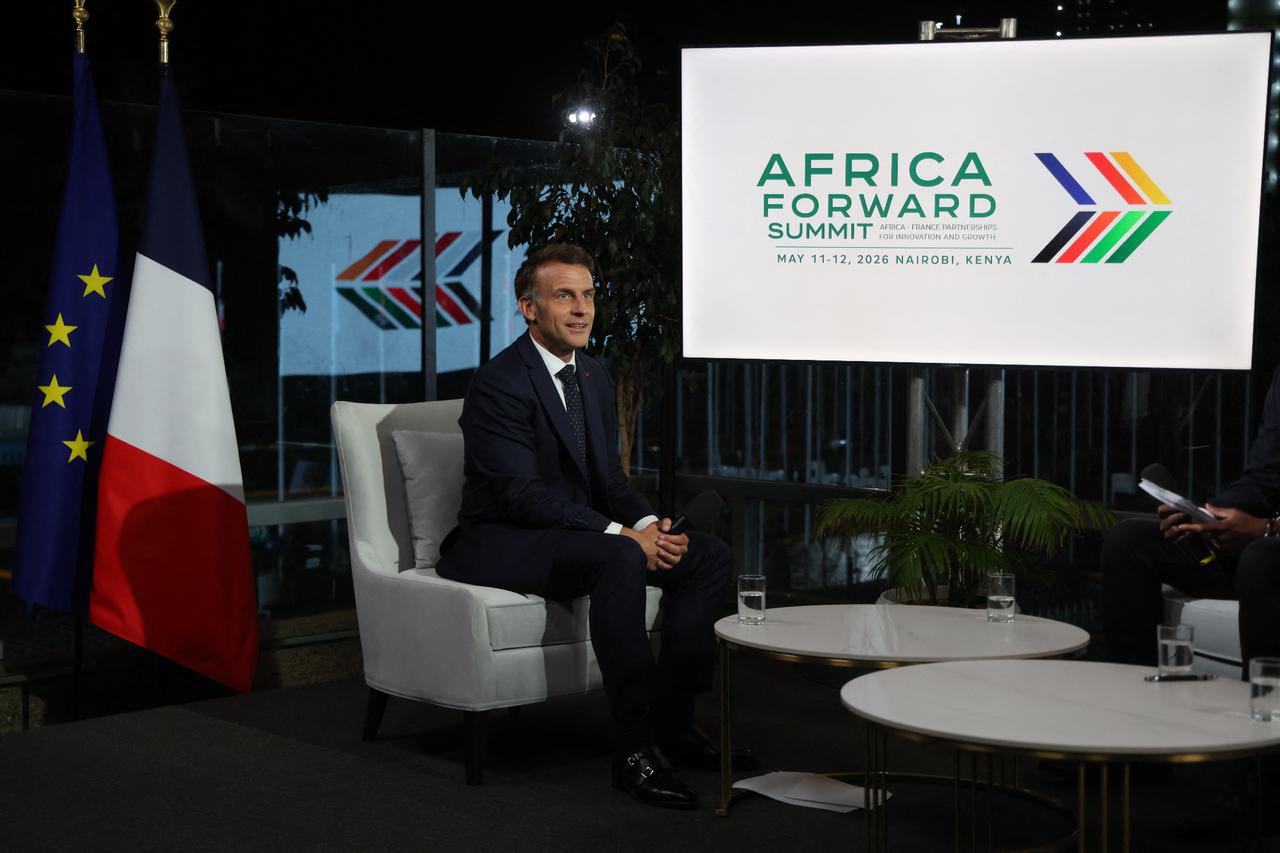


Eleven African countries threw their support behind a decade-old French-Mexican initiative to restrict the use of vetoes at the UN Security Council in cases of mass atrocities, French officials announced Tuesday, bringing the total number of backing nations to 118, just short of the two-thirds threshold needed to force a General Assembly vote.
President Emmanuel Macron made the announcement at the close of a two-day economic summit in the Kenyan capital. Foreign Minister Jean-Noel Barrot said the new endorsements, secured during the Nairobi gathering, mark "a step forward to protect people of the world from mass atrocities: genocide, crimes against humanity and the most serious war crimes." New signatories include Kenya, Sierra Leone, Liberia and Mauritania.
France is now racing to secure the remaining 11 endorsements needed to reach the symbolic 129-country threshold, equivalent to two-thirds of the UN General Assembly's membership, before a scheduled General Assembly session in September, according to a diplomatic source cited by AFP. At that point, Paris hopes to put the measure to a formal vote.
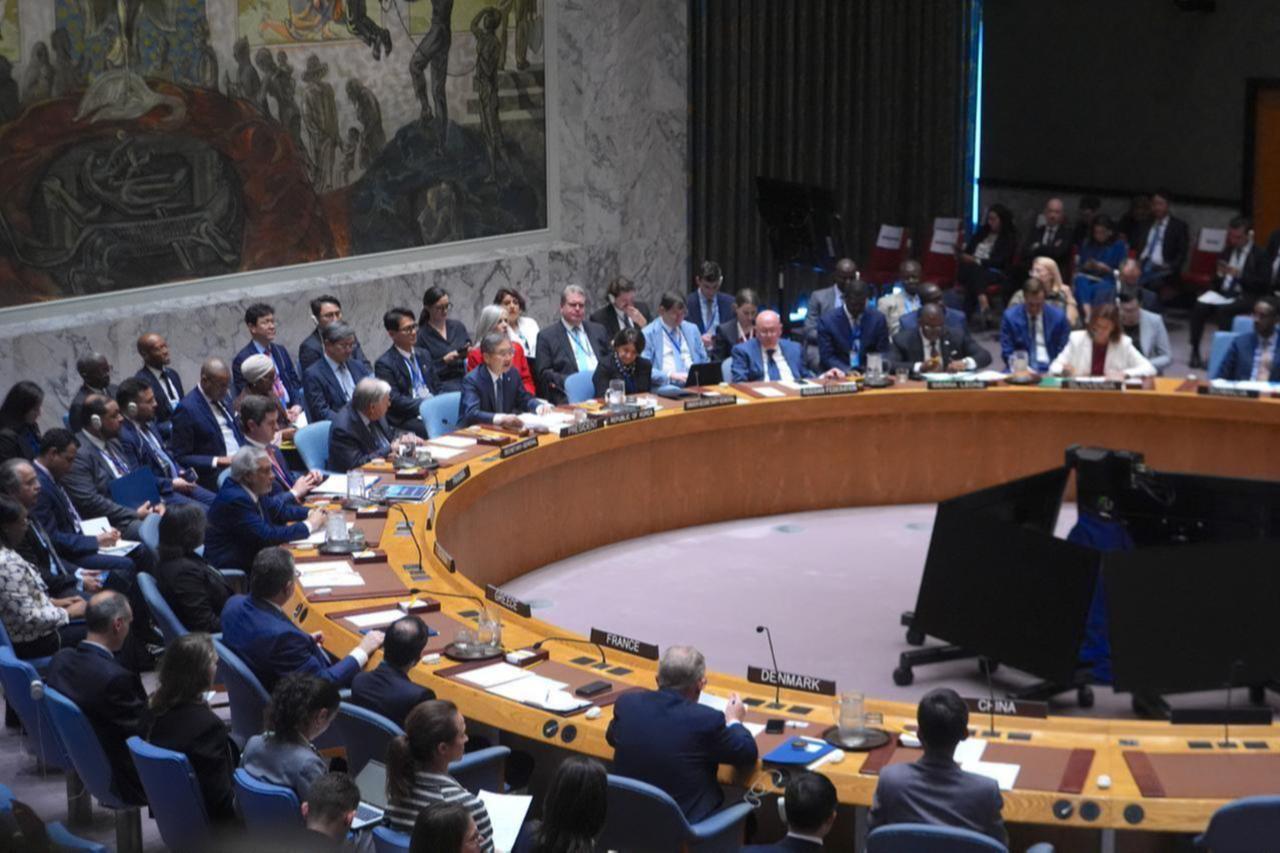

Even if adopted by the required supermajority, the resolution would carry no legal force. The initiative does not seek to abolish or formally amend the veto, which is enshrined in Article 27 of the UN Charter, but instead calls on the five permanent Security Council members, Britain, China, France, Russia and the United States, to voluntarily and collectively refrain from using it whenever mass atrocities have been determined to be occurring.
France and Mexico are not proposing a structural overhaul of the council but rather a political and moral commitment, making the non-binding nature of any resolution central to its design. Barrot urged all countries that had not yet joined to do so.
The initiative traces its origins to 2015, when France and Mexico formally launched their joint political declaration at the UN General Assembly. The concept, however, stretches further back, with French officials first raising the idea of veto restraint in atrocity situations in the early 2000s.
The push comes amid growing exasperation with the Security Council's repeated inability to act on major crises. In 2024 alone, the council adopted just 46 resolutions, its lowest annual total since 1991, and seven resolutions were blocked by veto, a record not seen since 1986.
France has noted that since 2022, 17 resolutions have been vetoed, representing more than a quarter of all such blocks recorded in the entire 21st century. The council's stalemates have been driven largely by Russia and the United States, whose use of the veto on crises including Syria, Ukraine and Gaza has drawn sustained international criticism.
Despite the fresh endorsements from the continent, a number of African countries remain reluctant to sign on. Their concern is that supporting the initiative might be used as a substitute for deeper, structural reform of the Security Council itself, particularly the longstanding demand for greater African representation among its permanent members. Africa, home to 54 of the UN's 193 member states, currently holds no permanent seat on the 15-member body.


 Set as preferred source
 Set as preferred source


 1 min read

 1 min read