Newsletters


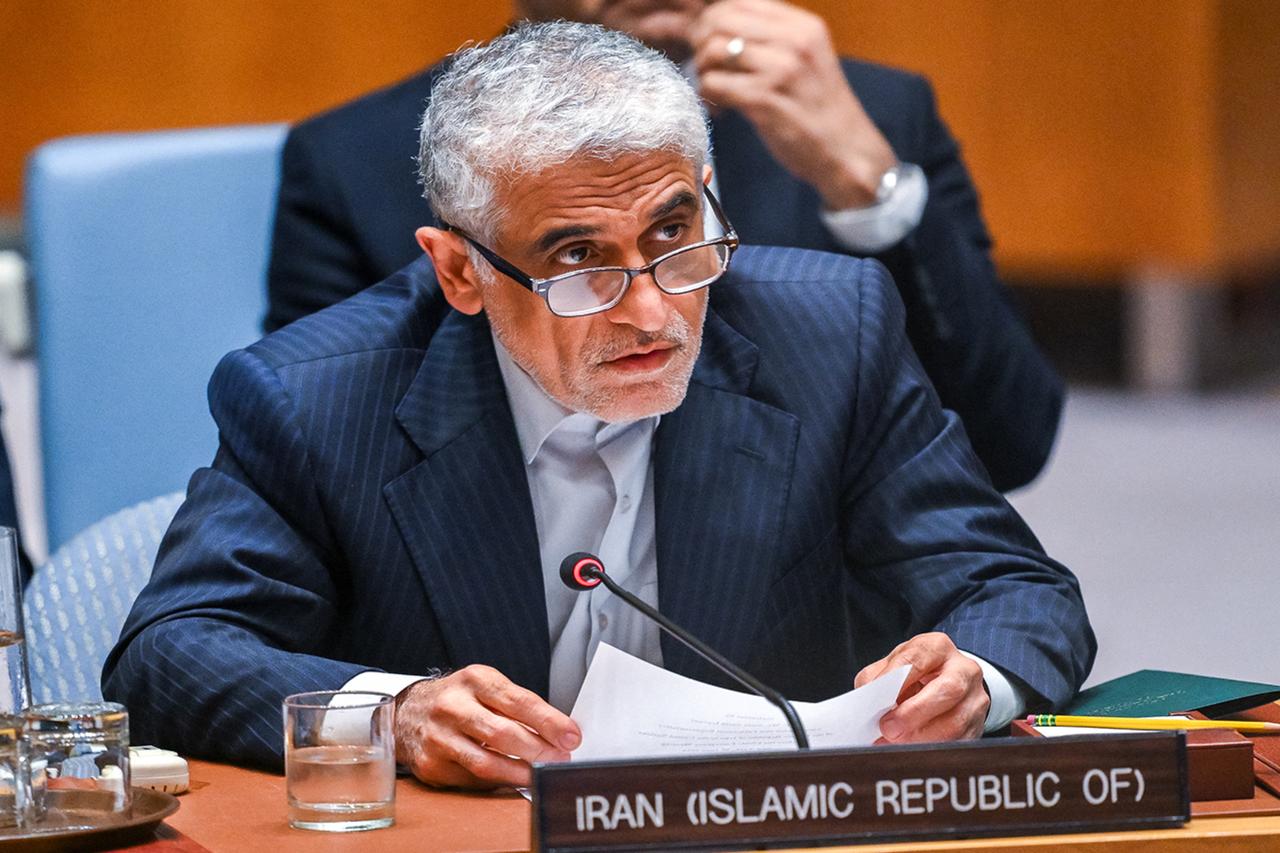


Iran's ambassador to the United Nations accused the United States and Israel on Monday of waging an "unwarranted large-scale war of aggression" against his country and held them directly responsible for mounting instability in the Strait of Hormuz, one of the world's most critical maritime chokepoints.
Speaking before the UN Security Council during a session on maritime security, Ambassador Amir Saeid Iravani rejected a series of allegations leveled at Tehran and instead turned the focus to what he described as systematic violations of international law by Washington and its allies.
"Since 28 February, the United States and the Israeli regime have waged an unwarranted large-scale war of aggression against Iran," Iravani told the council, arguing the campaign violated the UN Charter and posed a direct threat to both regional and global stability. The joint US-Israeli offensive, which began on Feb. 28, triggered a broader conflict that is currently under a halt, with diplomatic efforts underway to reach a permanent resolution.
Iravani specifically condemned what he described as a US-imposed maritime blockade, citing the seizure of Iranian commercial vessels and the detention of their crews as conduct that crossed into criminality. "These dangerous, escalating measures violate international law, and amount to acts of aggression," he said, characterizing the detentions as tantamount to piracy.
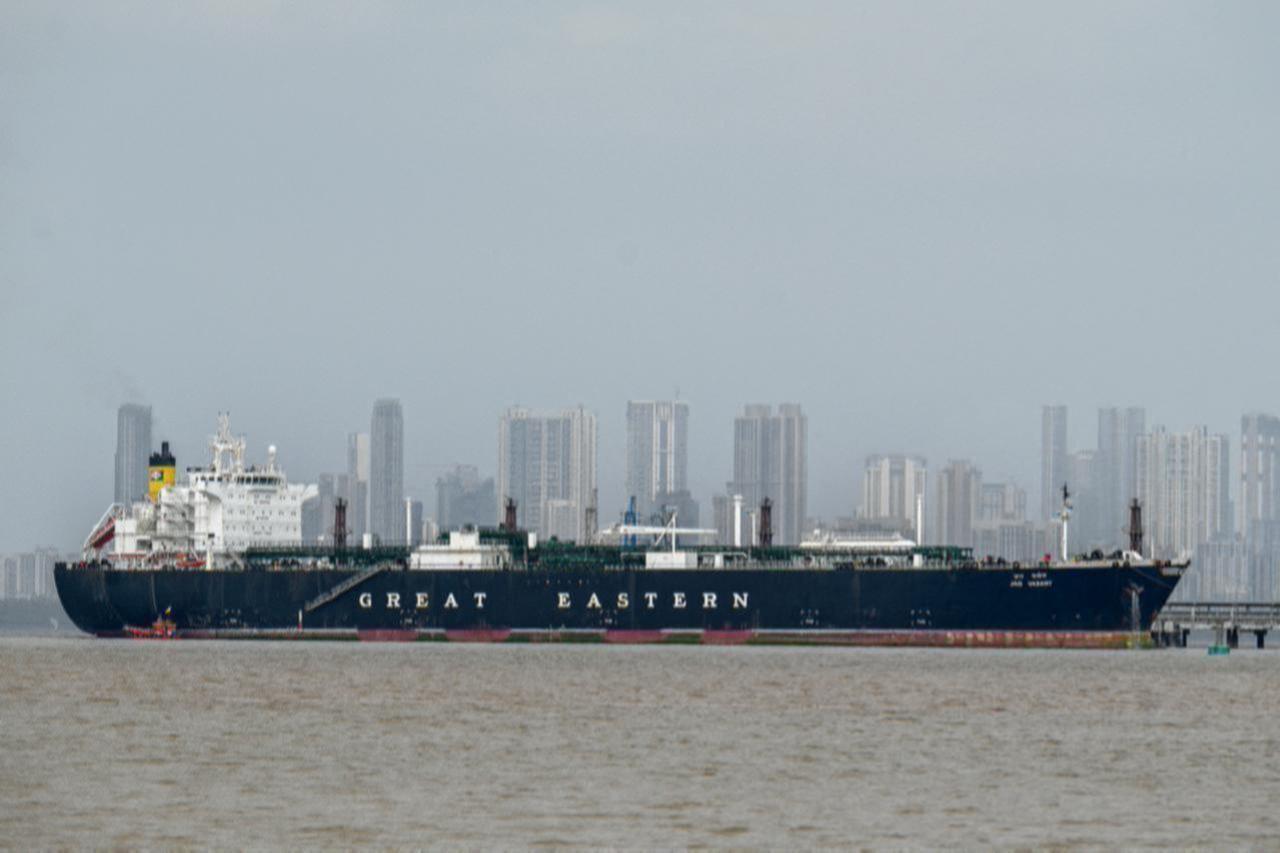

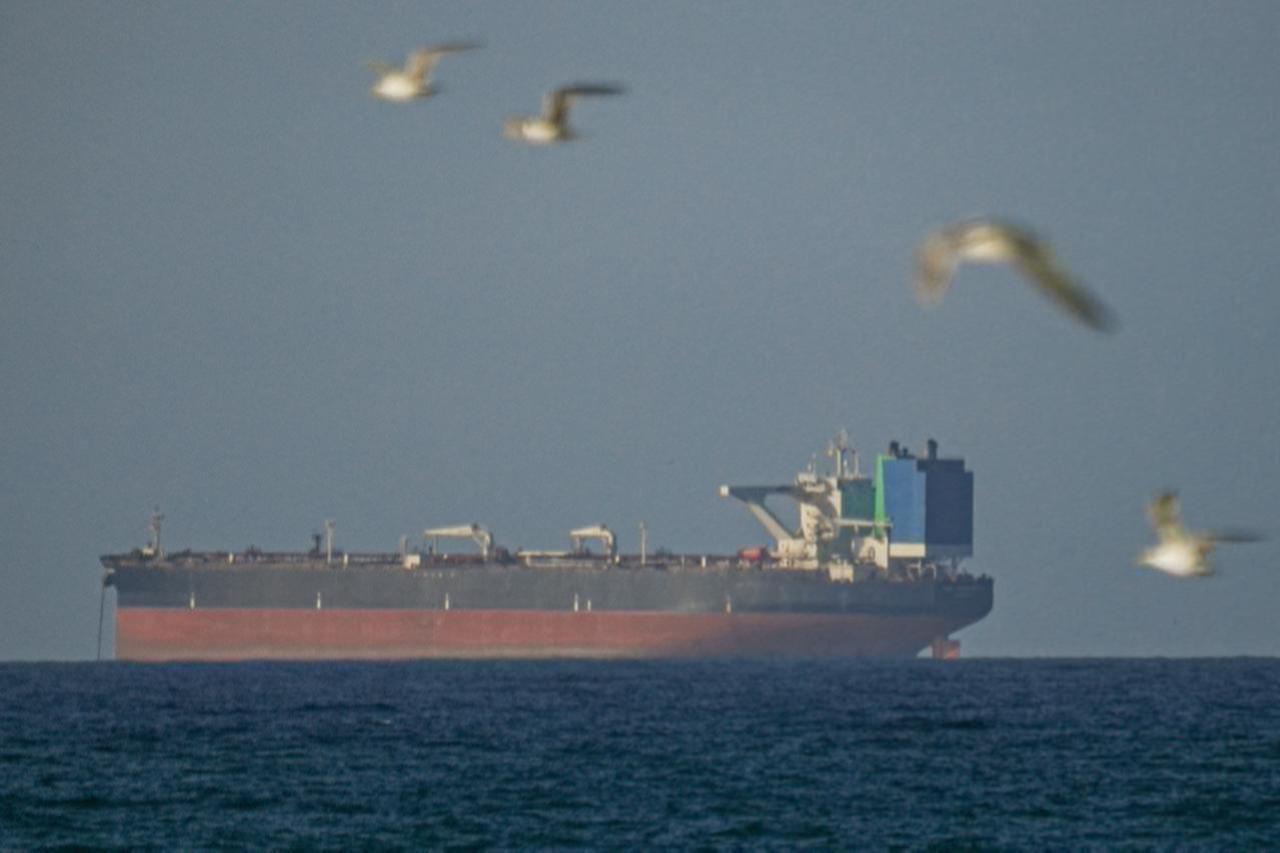
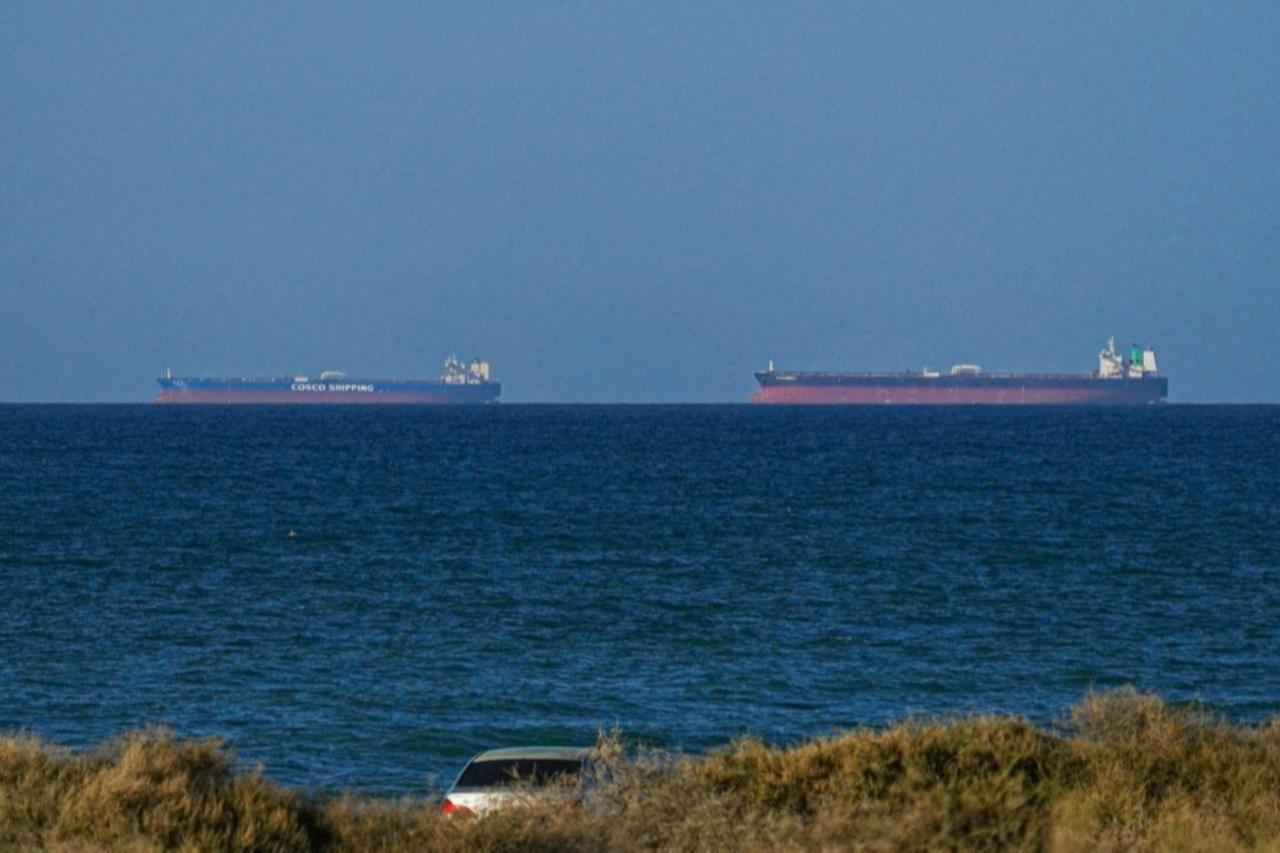
The Strait of Hormuz, the narrow waterway separating Iran and Oman through which roughly one-fifth of global oil and liquefied natural gas supplies flow, has faced severe disruptions since early March following the outbreak of the conflict. The passage is the sole outlet from the Persian Gulf and has historically been regarded as the world's most consequential energy chokepoint.
Iravani defended Iran's conduct in the strait, arguing that as a coastal state with sovereign interests in the waterway, Tehran had taken "necessary and practical measures" to ensure safe navigation and to prevent the passage from being exploited for hostile military purposes.
Iravani was blunt in his rejection of criticism voiced by other delegations during the meeting, calling their claims baseless and driven by political calculation rather than principle. "These allegations serve only to divert attention from realities on the ground," he said, accusing certain countries of applying double standards when it came to maritime security while ignoring what he characterized as unlawful US actions in the region.
He argued that those invoking freedom of navigation were doing so selectively, overlooking conduct by Washington that he said undermined the very principles they claimed to defend.
Iravani concluded with an unambiguous assignment of culpability. "Responsibility for any disruption, obstruction or other interference with maritime transport in the Persian Gulf, Gulf of Oman and the Strait of Hormuz lies directly with the aggressors, the United States and its supporters, whose unlawful and destabilizing actions have heightened tensions and endangered maritime safety and freedom of navigation," he said.
The remarks came as Pakistan-mediated diplomatic talks aimed at ending the conflict remain ongoing. Tehran has maintained that the United States must lift its naval blockade of Iranian ports, which began on April 13, as a condition for any lasting resolution to the maritime standoff.


 Set as preferred source
 Set as preferred source


 1 min read
 1 min read