Newsletters


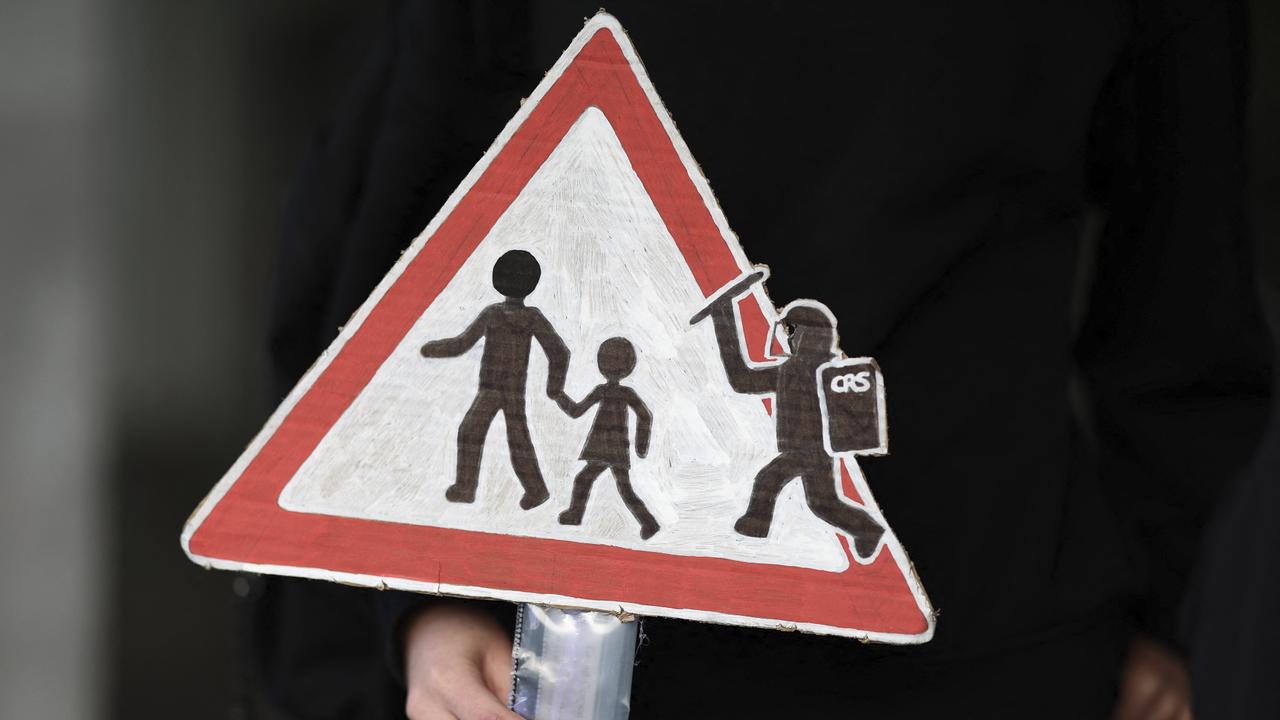
Pupils at high schools across France returned to the streets on Tuesday to demand better learning conditions, joined by university students and Swedish activist Greta Thunberg. Authorities and demonstrators alike fear new violence.
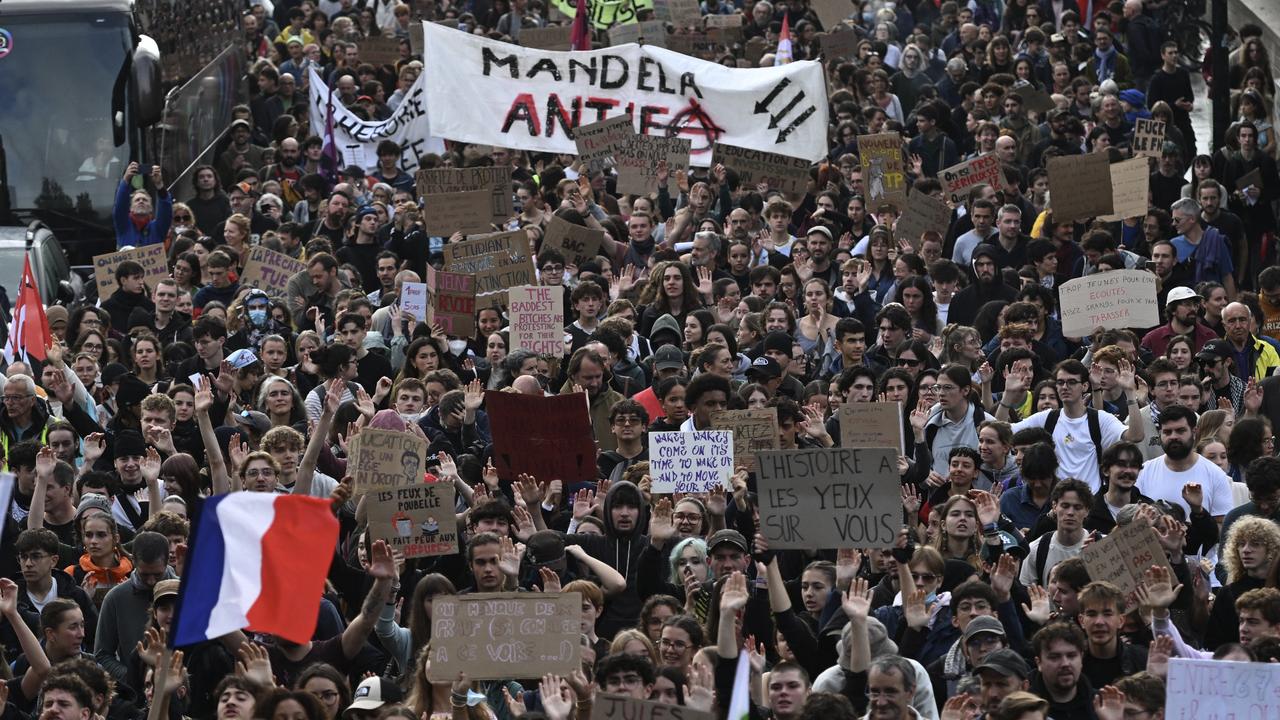
Officials hoped the unrest would calm before the half-term break begins late this week, with elections to succeed President Emmanuel Macron only months away.
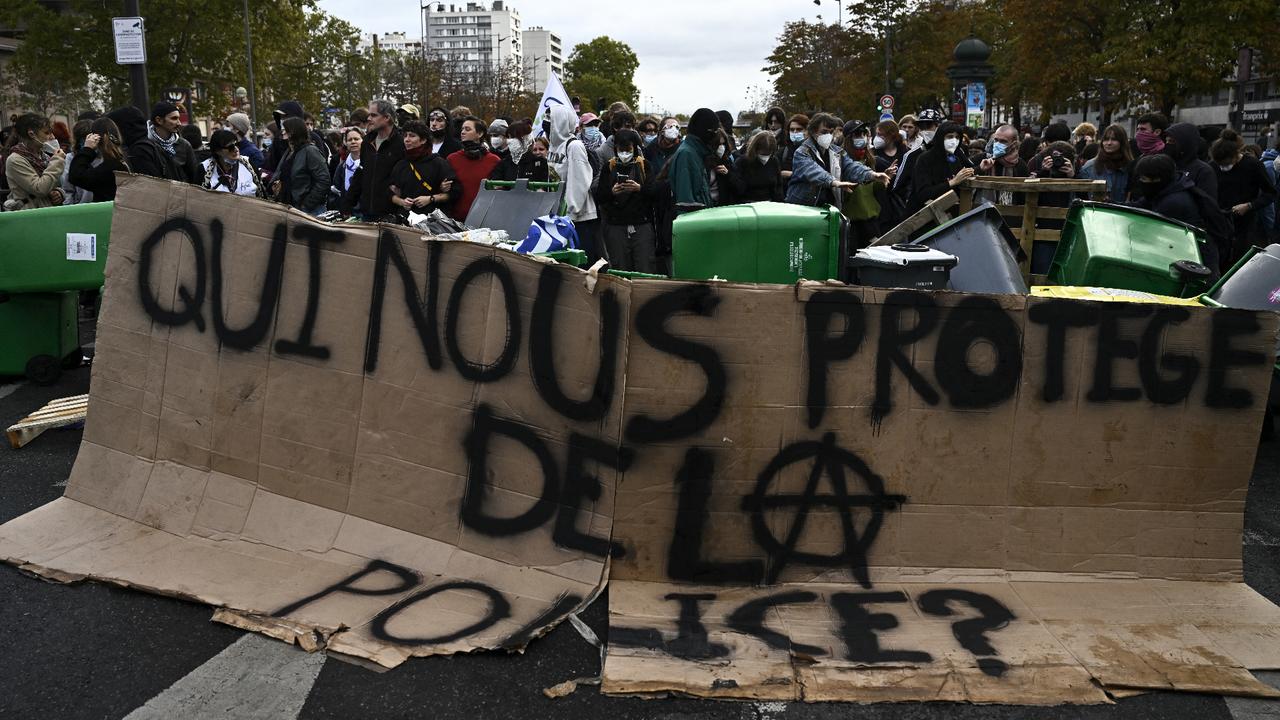
Teenagers at lycees, as French high schools are known, say officials have ignored their demands. Undergraduates, teachers, labor groups and the far-left opposition party France Unbowed back them. Student union l’Union etudiante wrote on X: “They’re not listening to us, so we’re going to them.”
Dozens of students, including 19-year-old Gabin Jaze-Gaugain, protested peacefully outside a Paris art college to support high school pupils while police vans lined the opposite side of the boulevard
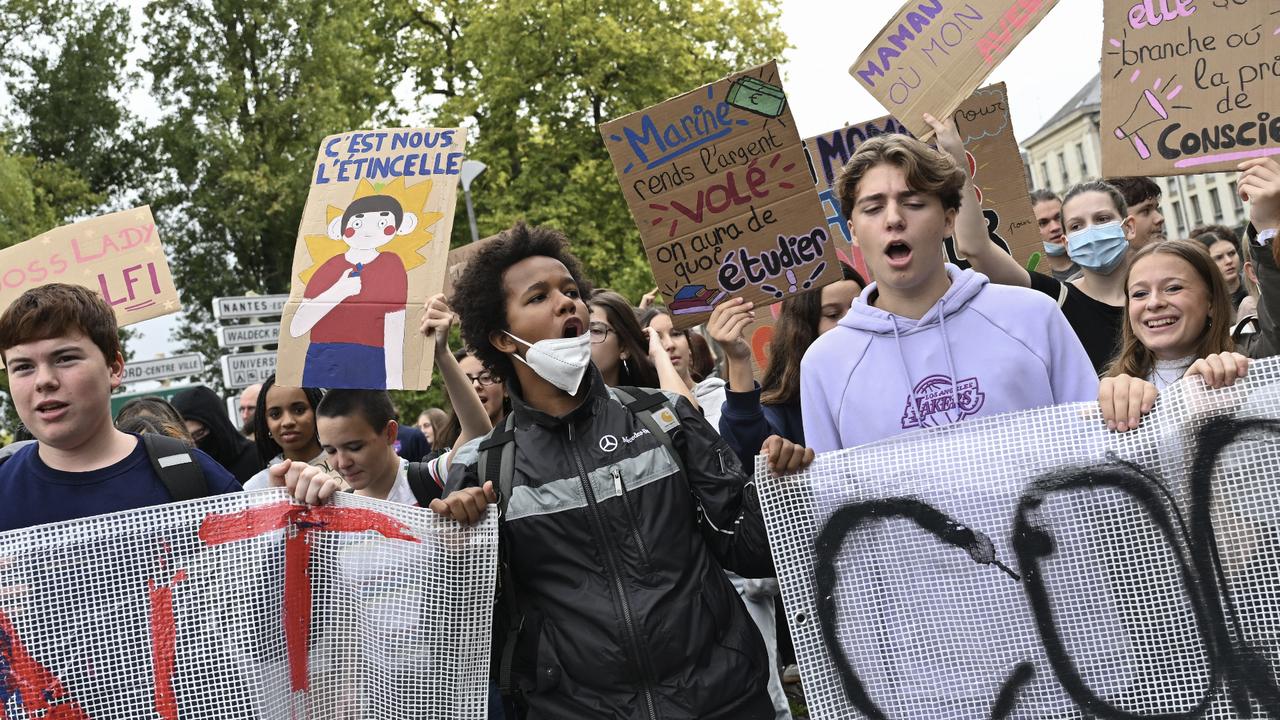
"It's a blockade in solidarity with the distress in public high schools in the suburbs and the rest of France," Jaze-Gaugain told Agence France-Presse (AFP). "High school kids have suffered great brutality," he added, pointing to repeated claims that officers have used force on demonstrators in recent weeks. The student union said 90% of universities have closed nationwide in support.
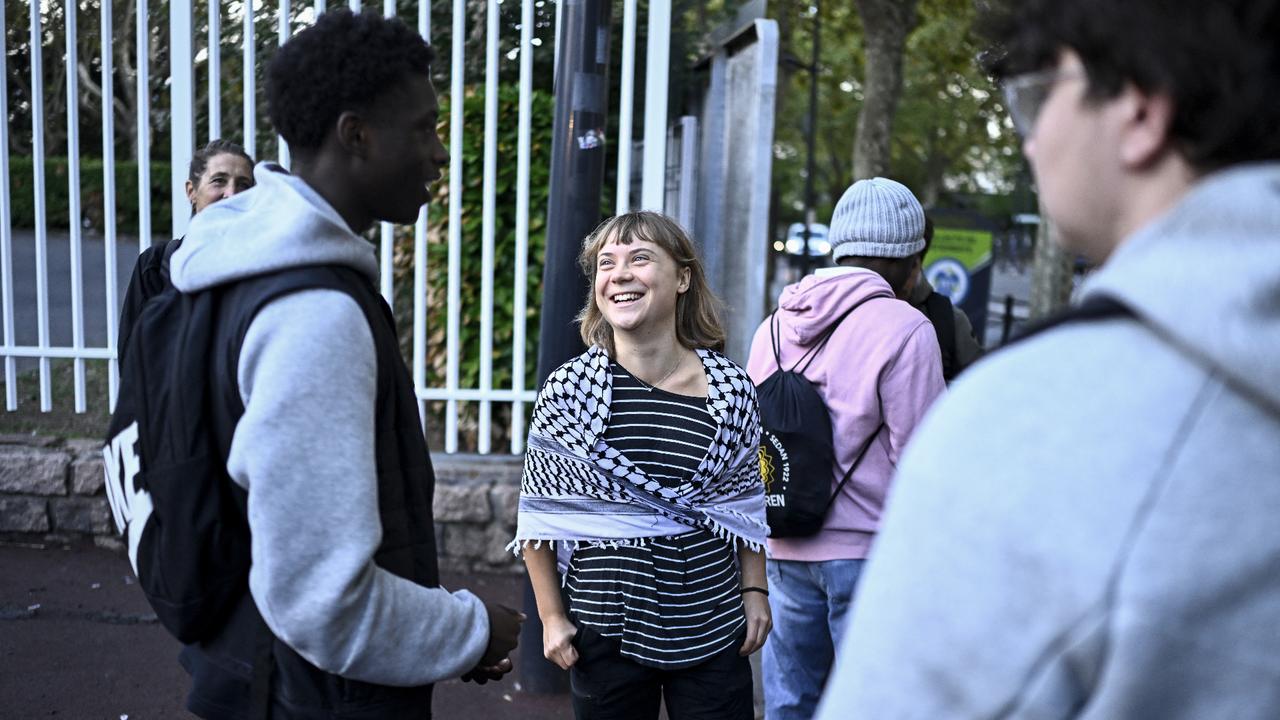
Thunberg, famous since her teens for youth strikes over climate change, stood with pupils outside Paul Eluard high school in Saint-Denis, the capital’s largest suburb and a center of the movement. “Young people are not being included in the conversation. Our future is being robbed away from us,” said the 23-year-old.
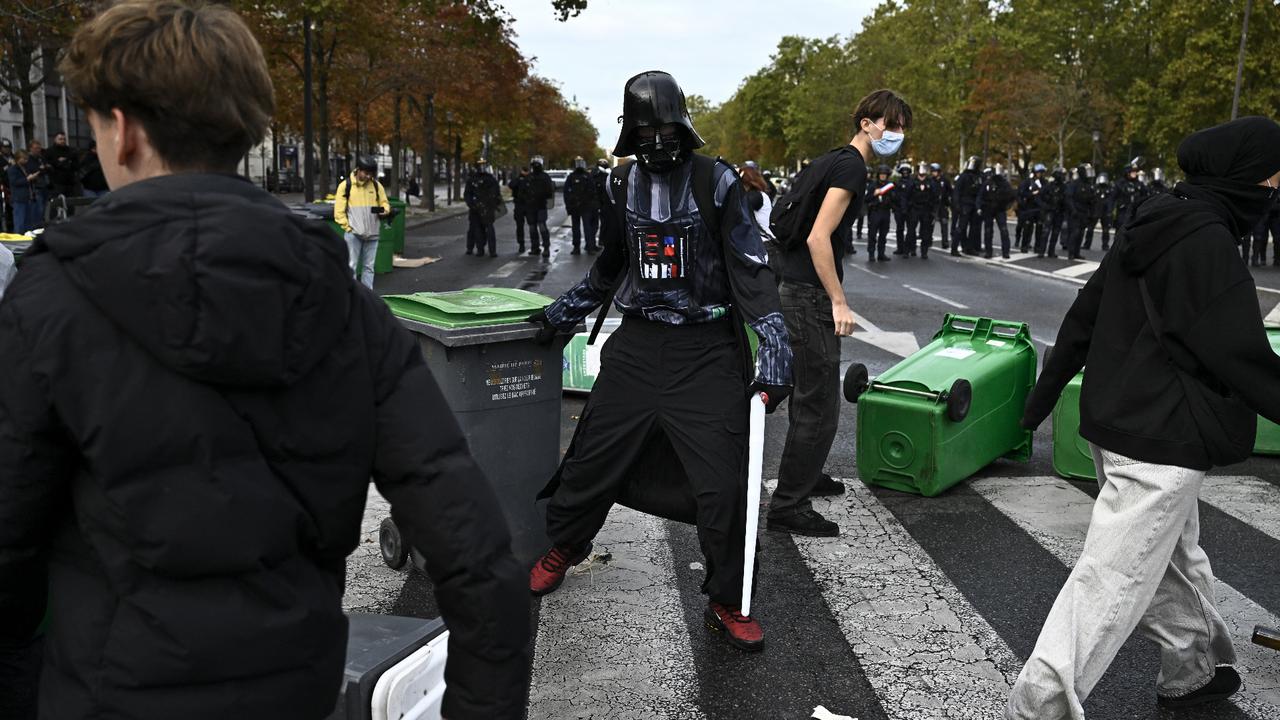
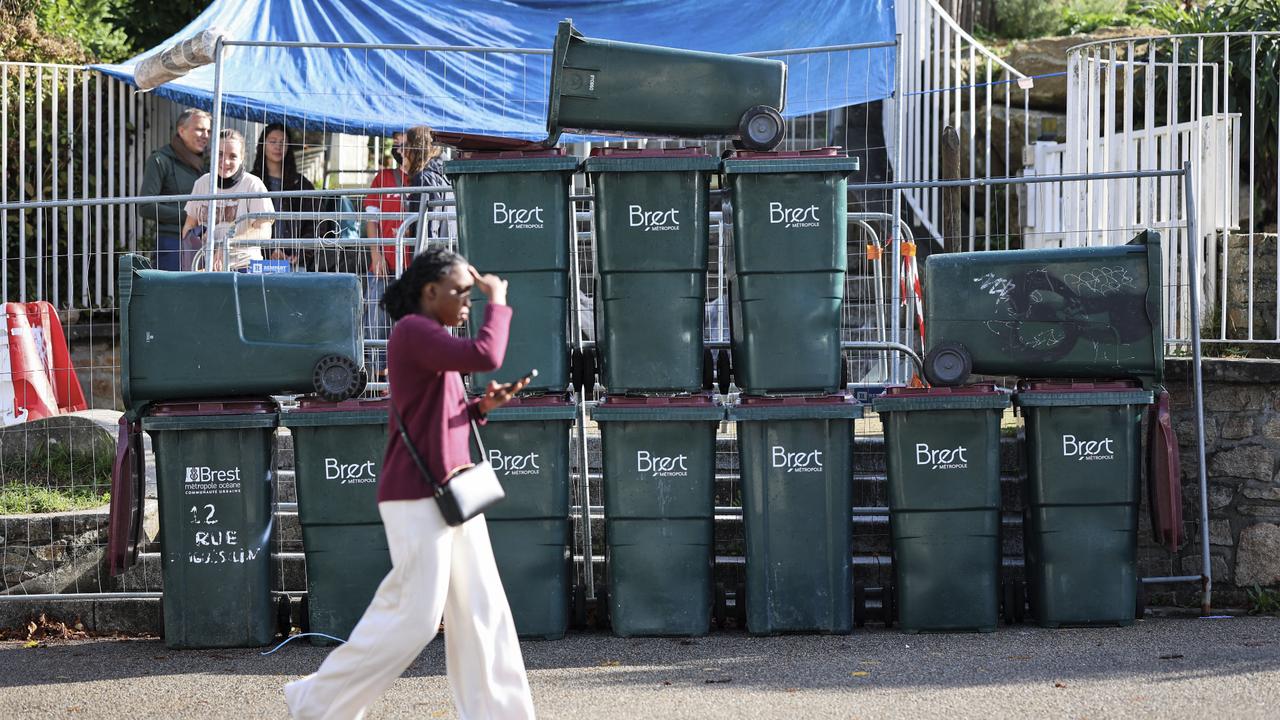
Students vow to keep pushing the government over missing teachers, crumbling buildings, overcrowded class schedules and other complaints. Since last month, teenagers have stacked dumpsters and security barriers in front of hundreds of the 3,700 lycees in France.
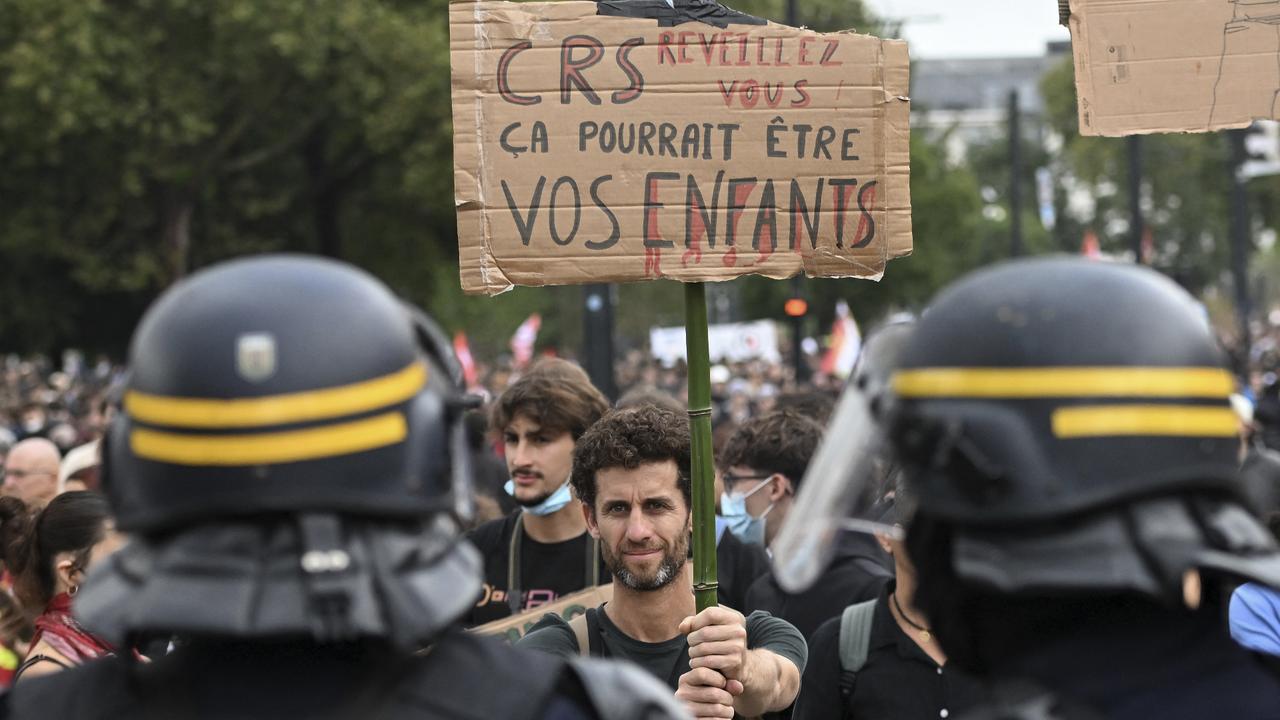
Paris had a march scheduled for early afternoon, while rallies had already started in other cities. In western Nantes, thousands walked behind a banner that read “Schools without money, a country without a future.”
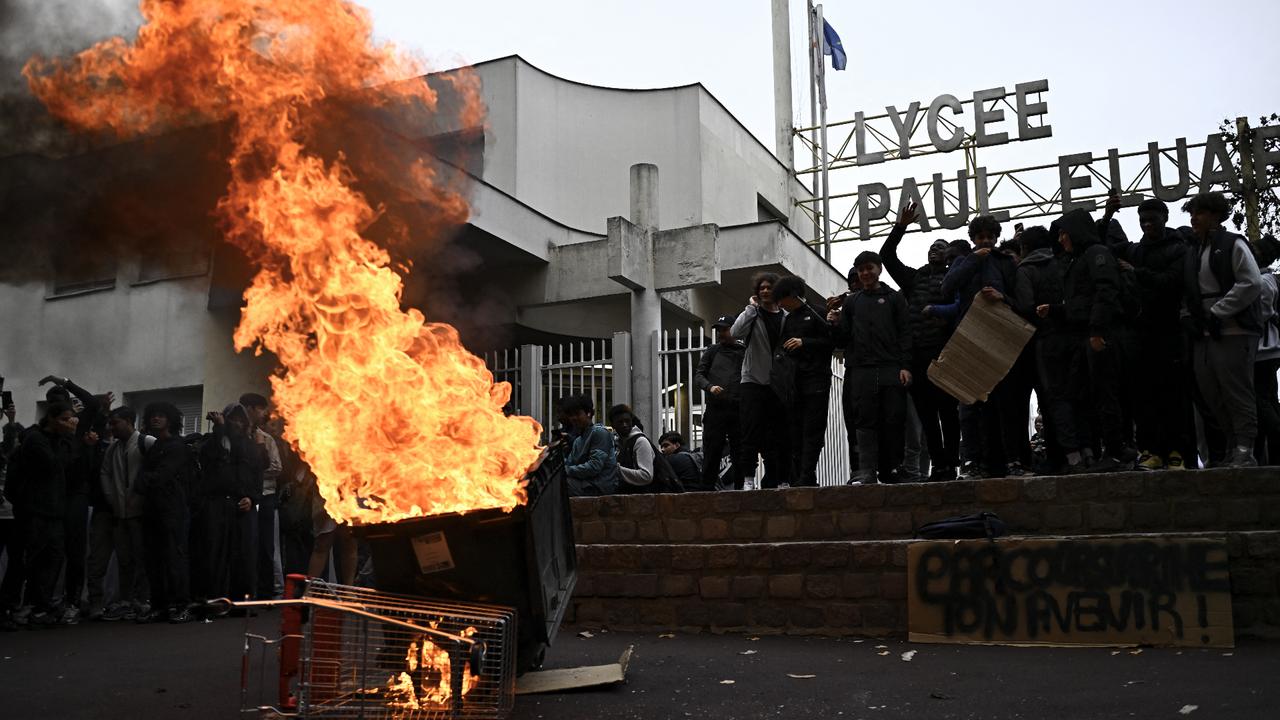
"I think there are a lot of us in France who are still motivated," 16-year-old Mariolino said. "Those who think the anger will disappear with the holidays just don't get it."
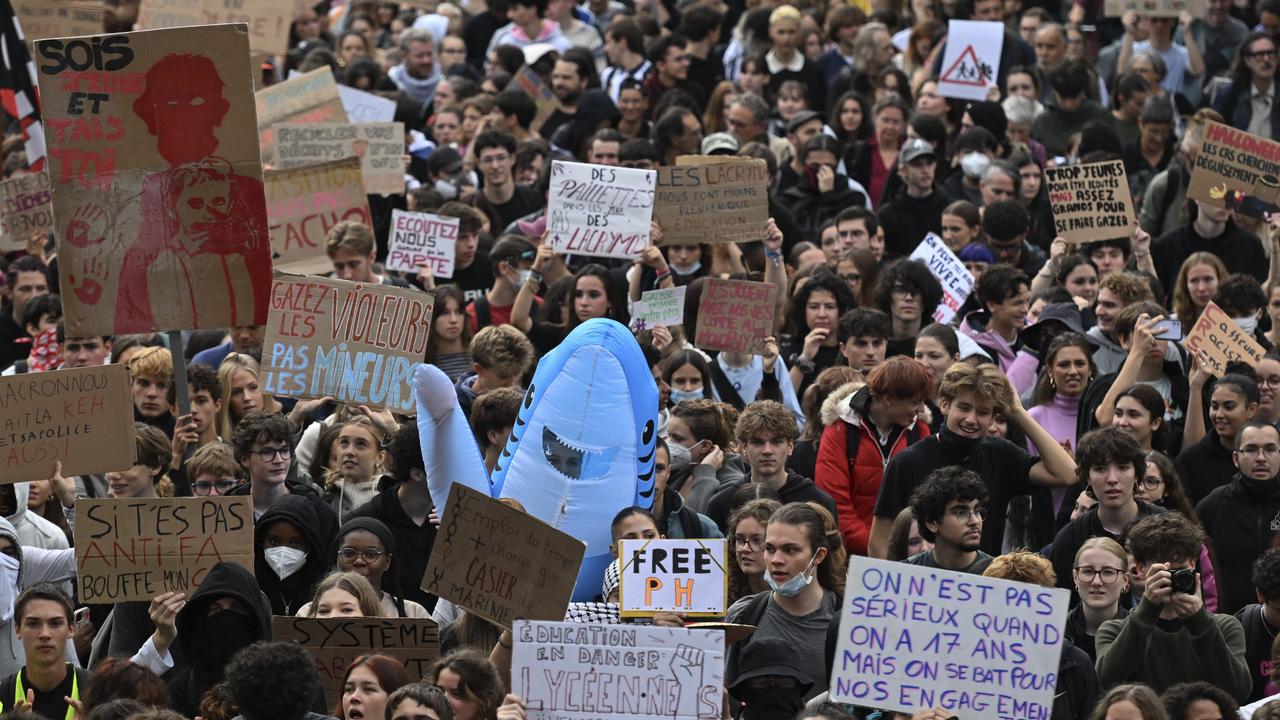
Adeline Ferier, 42, a French teacher at a middle school in northeastern Strasbourg, joined the protest to back her 16-year-old daughter. “I think it’s great that young people are aware of inequalities and are getting involved,” she said. Last Thursday, the movement that began in late September drew more than 70,000 demonstrators at its latest large-scale event.
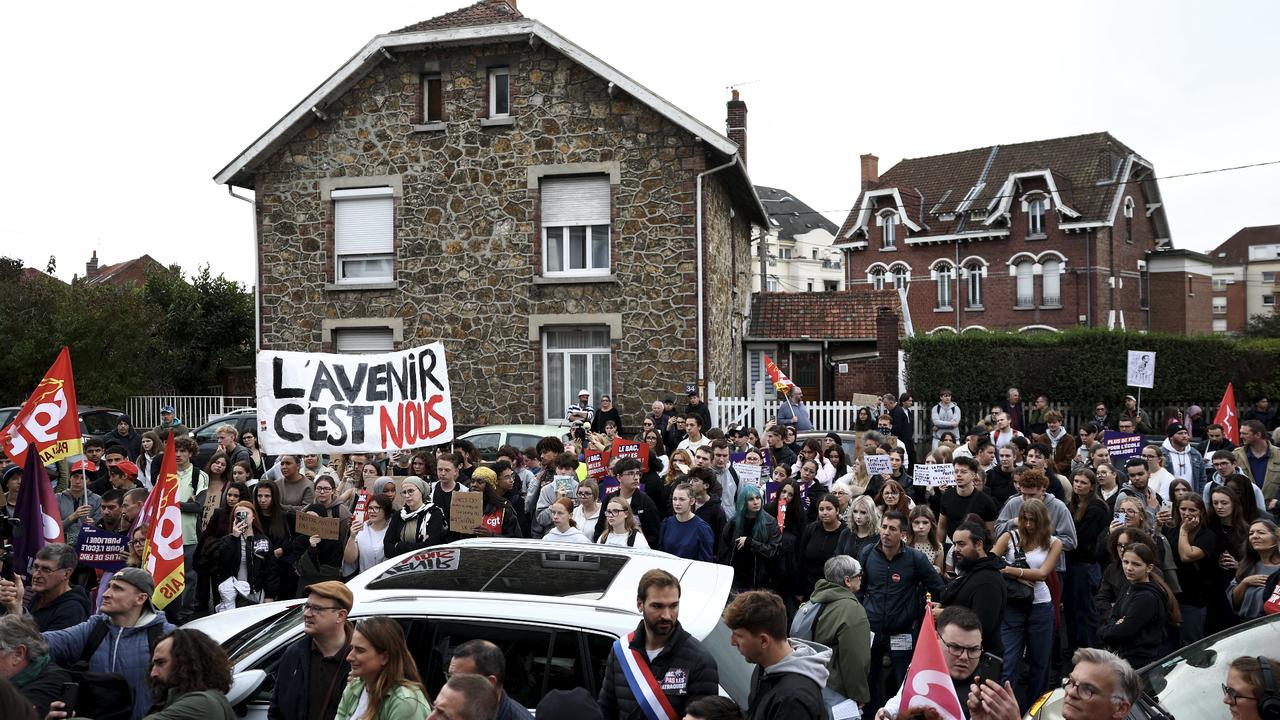
Protests have largely stayed peaceful in recent weeks, though officers and demonstrators have sometimes clashed. The education ministry said eight teaching staff members suffered injuries on Monday linked to the unrest, mostly in the Paris region, Bordeaux and Lyon.
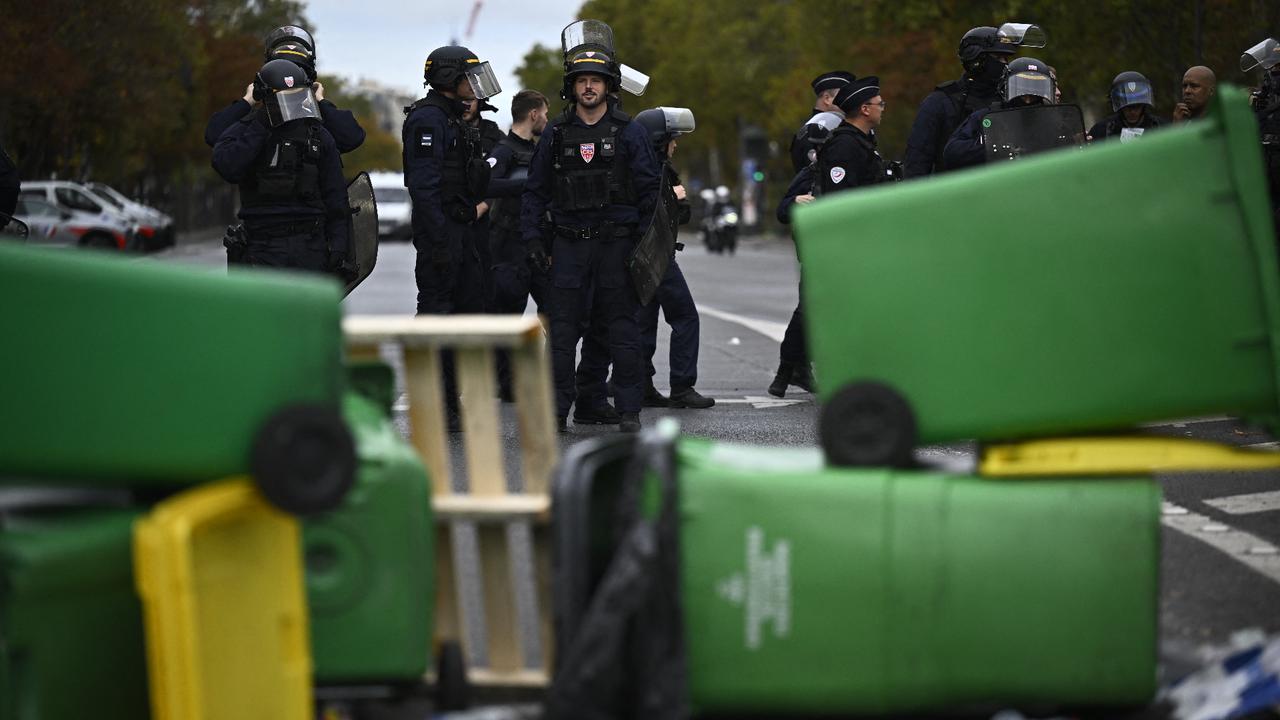
Officials said fireworks launched from tubes hurt two school employees in Reims, one in a Paris suburb and a police officer outside a lycee in Marseille. Broader public rallies to protest higher living costs are set for Saturday.
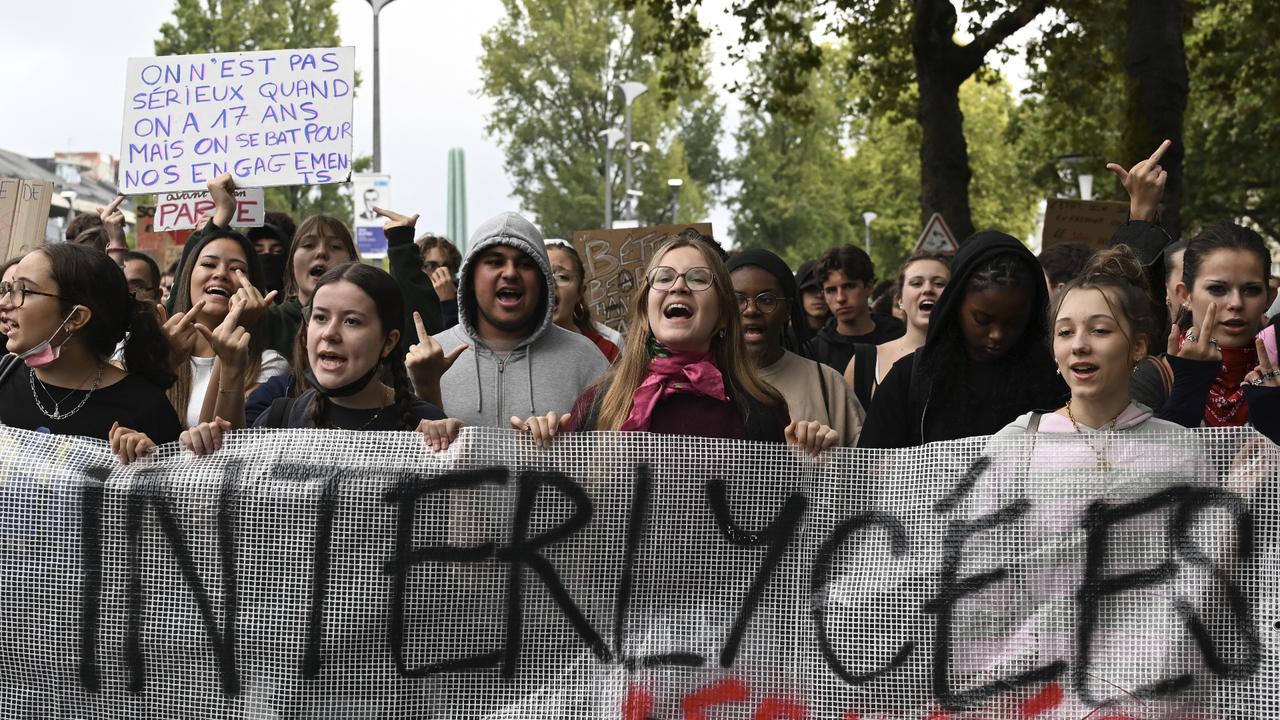
Following last week’s nationwide marches, the government vowed to send about 3,000 replacement teachers within days to fill gaps at the 114 worst-affected high schools. The education minister said Tuesday that 35% of the posts have been filled. Protesters want a €10 billion ($11 billion) funding increase for lycees.


 Set as preferred source


 2 min read