Newsletters


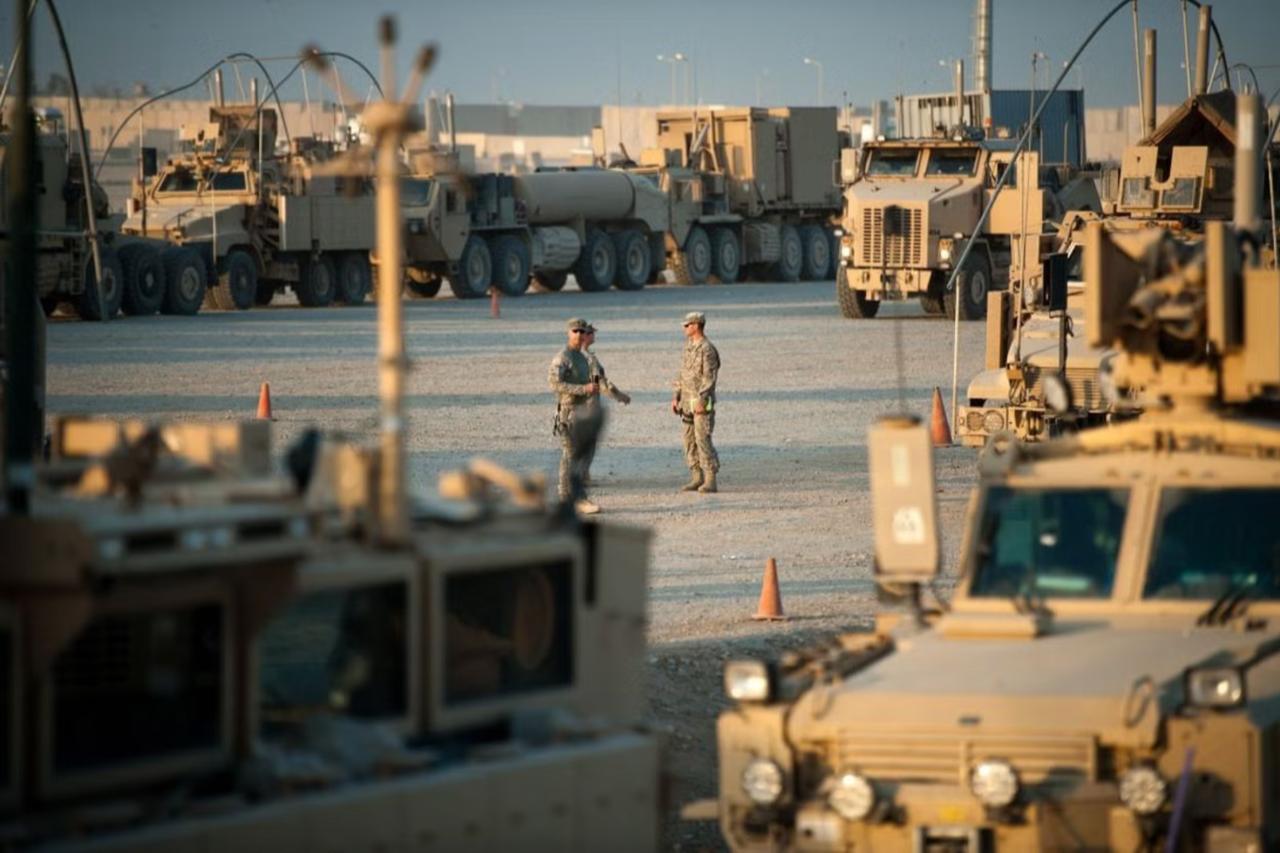


Iraq is a "Janus-faced" state, looking toward Washington for investment while feeling the heavy breath of Tehran on its neck. Yet, when the world watched as the last American convoys crossed into Kuwait—supposedly ending an unsustainable occupation under the Status of Forces Agreement (SOFA) during the 2011 Christmas season—scholars warned of a "power vacuum" and the rise of a "Shia Crescent." Since then, the country has become the "main theater" of a war of prolonged attrition it did not choose and cannot easily exit: a conflict between the U.S. and Iran.
The timeline for the withdrawal from Iraq, which Washington had planned well in advance, is once again nearing its end. At such a juncture, Iraq’s new prime minister paid his first visit not to Iran, nor to the Gulf, but to Washington.
This was not, he insisted, a routine visit. It was the announcement of an economic partnership. Troops would leave; companies would arrive. The relationship going forward would rest on commerce and societal ties rather than on security guarantees. He carried greetings, he said, from the world's oldest civilization to its largest economic and technological center.
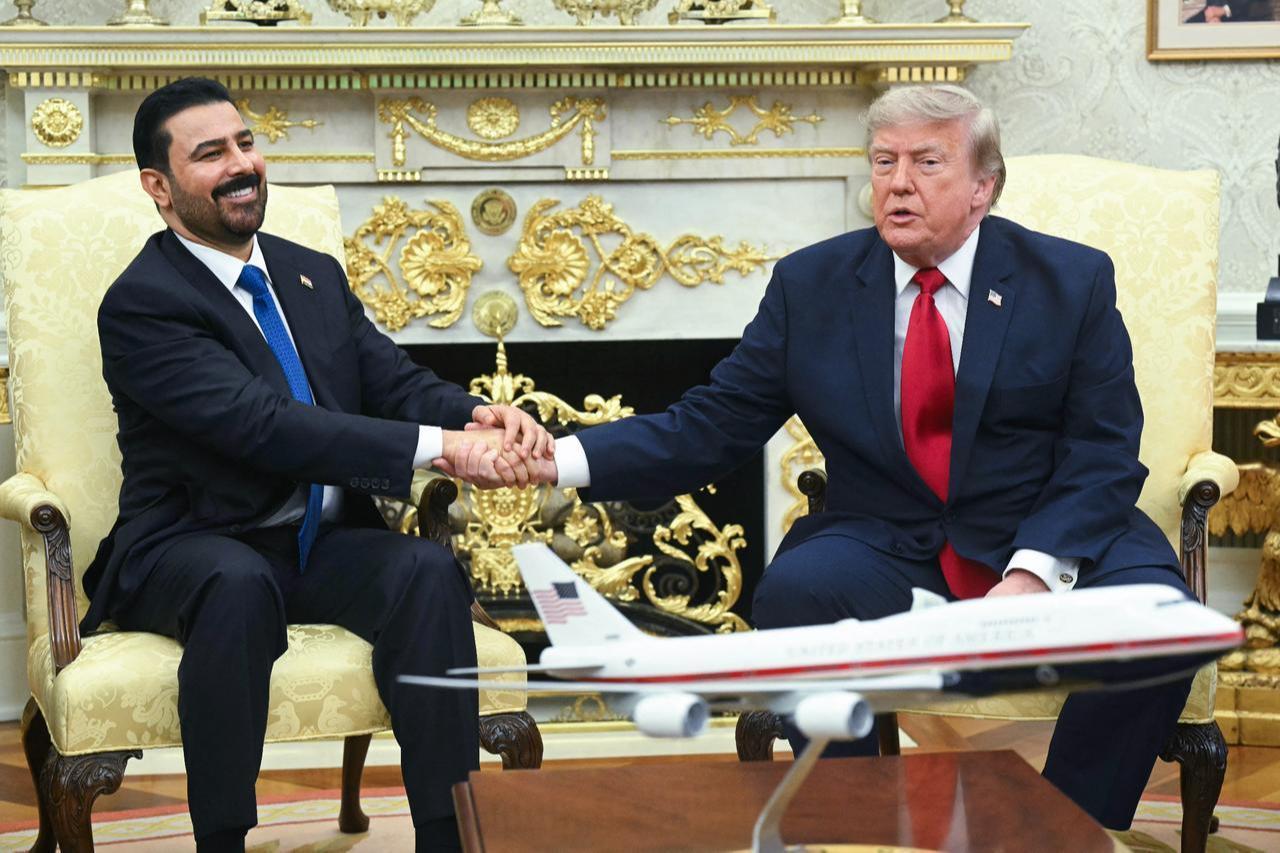
Washington has seen unlikely prime ministers pass through the White House gates before, but few have arrived with a resume as deliberately unpolitical as Ali al-Zaidi's. He is a businessman, not a party man, the first non-politician to run Iraq since the American invasion rewired the country's political architecture.
He owes his premiership less to popularity than to gridlock. The Coordination Framework nominated him in late April, parliament confirmed his partial cabinet on May 14, and he emerged as the compromise nobody objected to strenuously enough to block, particularly after President Trump vetoed the return of former Prime Minister Nouri al-Maliki.
At a time when the entire region is undergoing a profound transformation and non-state actors are being pushed to the margins—particularly as a result of the new U.S. initiative—Zaidi's Washington handshake was choreographed as a fresh start. Ultimately, the country he governs is caught in the crossfire of unfinished arguments from many angles.

Iraq has done this before—or at least something that rhymed with it. In 2011, under the SOFA signed in 2008, American combat forces withdrew from Iraq by December 31. This closed out an occupation that had, by then, lost most of its domestic constituency. The reasons for the exit were almost clinical in their predictability: an occupation is structurally unsustainable in the modern international order.
American public support, once above 70%, had collapsed to around 30%. The weapons of mass destruction that justified the invasion were never found. The psychological charge of Sept. 11 had faded, and the war's cost inside a battered American economy had grown too large to justify.
What followed the announcement was anxiety, not relief. Analysts at the time warned of a looming power vacuum. They cautioned that armed groups would gain confidence in the absence of American soldiers, that political instability would lack a credible check, and that Iraq could fracture along its ethnic and sectarian seams.
Some of the era's sharpest observers spoke of a "Shia Crescent"—an Iranian sphere of influence stretching unbroken from Tehran through Baghdad to Beirut, filling the exact space the American departure would leave behind.
Fourteen years later, the choreography has repeated, albeit with a difference. This time, the exit has a name and a sales pitch attached: Zaidi's final timeline. Under this plan, American troops depart while American companies arrive in their place. It is an arrangement built, at least rhetorically, on the theory that societal and economic bonds outlast military ones.
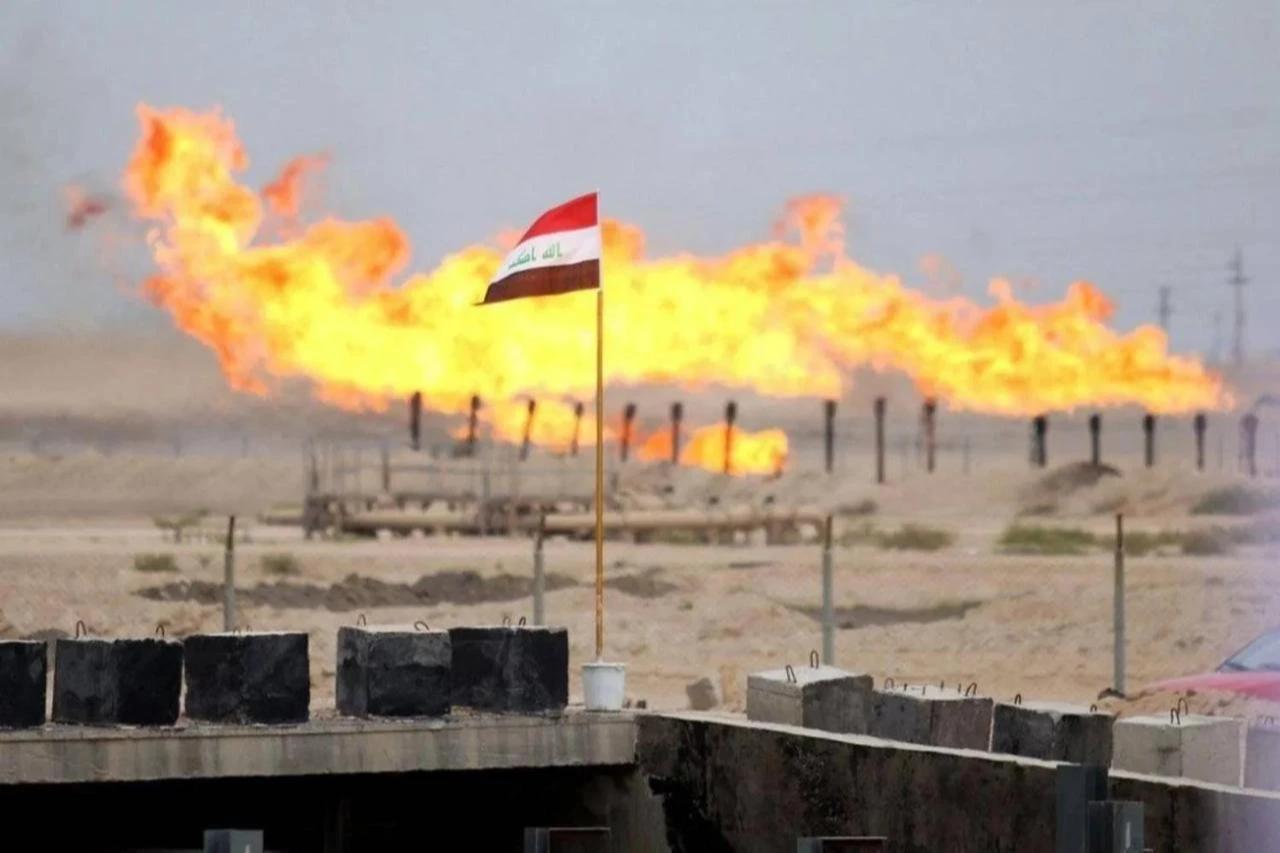
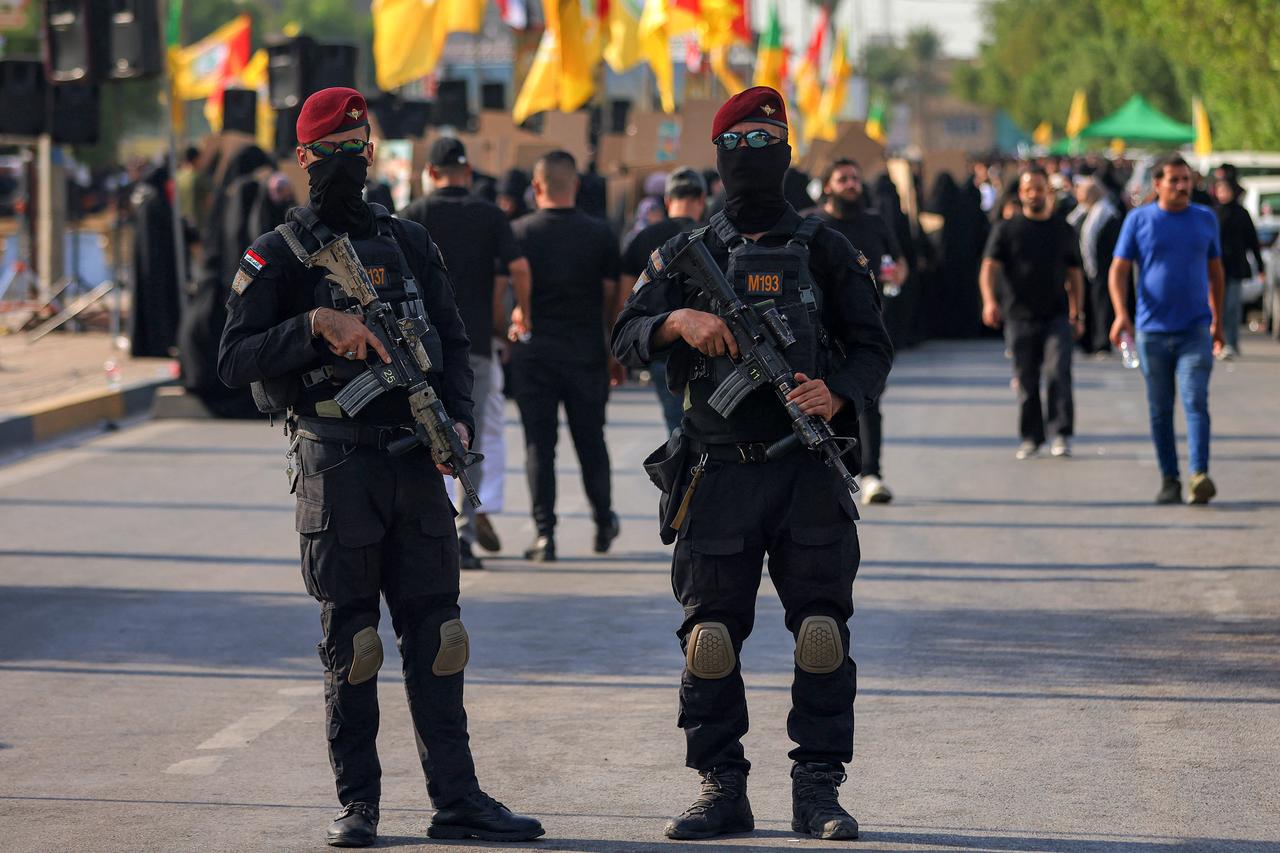
Zaidi's proclamation was unambiguous. After Sept. 30, he declared, no faction outside the state will be permitted to carry weapons. Iraq's security forces, he added, are fully capable of protecting the country's territory. A number of armed groups have already surrendered significant quantities of arms, and those willing to transition into political activity will be welcomed into that process.
On paper, this reads as a straightforward disarmament mandate. In practice, analysts like Renad Mansour, who study Iraq closely, describe something closer to a "mission impossible." The groups most receptive to integration—the Sadrist-aligned factions among them—are precisely those that already hold significant leverage inside the Iraqi state, including seats in parliament and ministries under their control.
Integrating fighters into the formal security apparatus costs these factions very little. The loyalty of those fighters, as has been true since 2003, tends to travel with the militia rather than the uniform. For them, integration functions less like disarmament and more like an expansion.
The harder cases have no interest in the offer at all. Kataib Hezbollah and other Islamic Revolutionary Guard Corps (IRGC)-aligned resistance factions have shown no inclination to yield, and Iraqi officials know it. Months before the September deadline, militiamen demonstrated their reach by killing an Iraqi intelligence officer. The government is, by its own admission, in no position to confront these groups militarily.
Washington measures its stake in Iraq in troops and timelines. Ankara measures it in patience.
In 2011, as the U.S. was withdrawing from Iraq, Ankara was managing a bloody peace process with the PKK in Iraq. Now, nearly 15 years later, it has launched a second such process, but this time the situation is different. Today, it functions as what regional analysts like Veysel Kurt call a key actor in Iraqi security and stability, which is capable of being in dialogue with every actor in its neighboring Iraq.
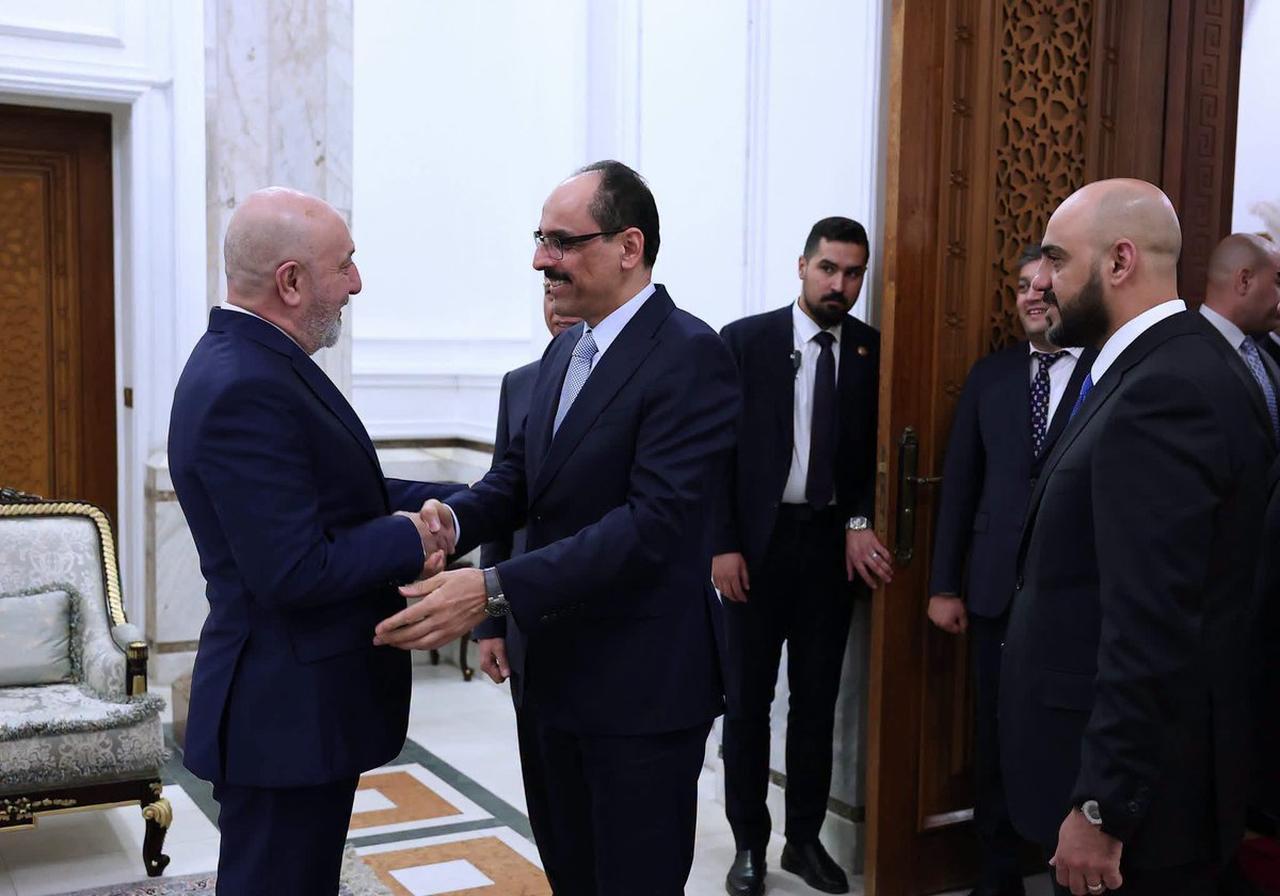
That accumulation was on display in the recent visit by Turkish intel chief Ibrahim Kalin, whose itinerary from Baghdad to Kirkuk to Erbil, and Sulaymaniyah read like a diplomatic surge. His agenda covered nearly every live wire in Iraqi politics: the fallout of the U.S.-Israel-Iran war, the formation of the new government, the disarmament of the militias, and Kirkuk's freshly reshaped governorship.
He met Iraq's parliamentary speaker, the head of its Supreme Judicial Council, its national security adviser, its foreign minister, and Shia, Sunni and Kurdish political leaders, before being received by Iraq's president. Baghdad's own eagerness to keep Ankara close was hard to miss.
Kirkuk supplied the visit's most symbolically loaded moment. After more than a century, the governorship there passed to a Turkmen candidate, a result that owes a considerable debt to sustained Turkish diplomacy on behalf of a community regional analysts describe as an essential part of Iraqi society.
Behind all of it sits the PKK question, recast under Türkiye's "Terror-free Region" framework—a process whose success in Iraq depends on cooperation from Baghdad and from the two dominant forces in Iraqi Kurdish politics, the Kurdistan Democratic Party (KDP) and the Patriotic Union of Kurdistan (PUK).
With Washington demanding visible progress on anti-corruption and demobilization on a timeline most experts consider close to impossible, and Tehran's networks proving more resilient under pressure than before the war began, Iraqi officials know what they are trying to avoid: becoming, like Iran itself, a pariah state locked out of the systems that let a country function.
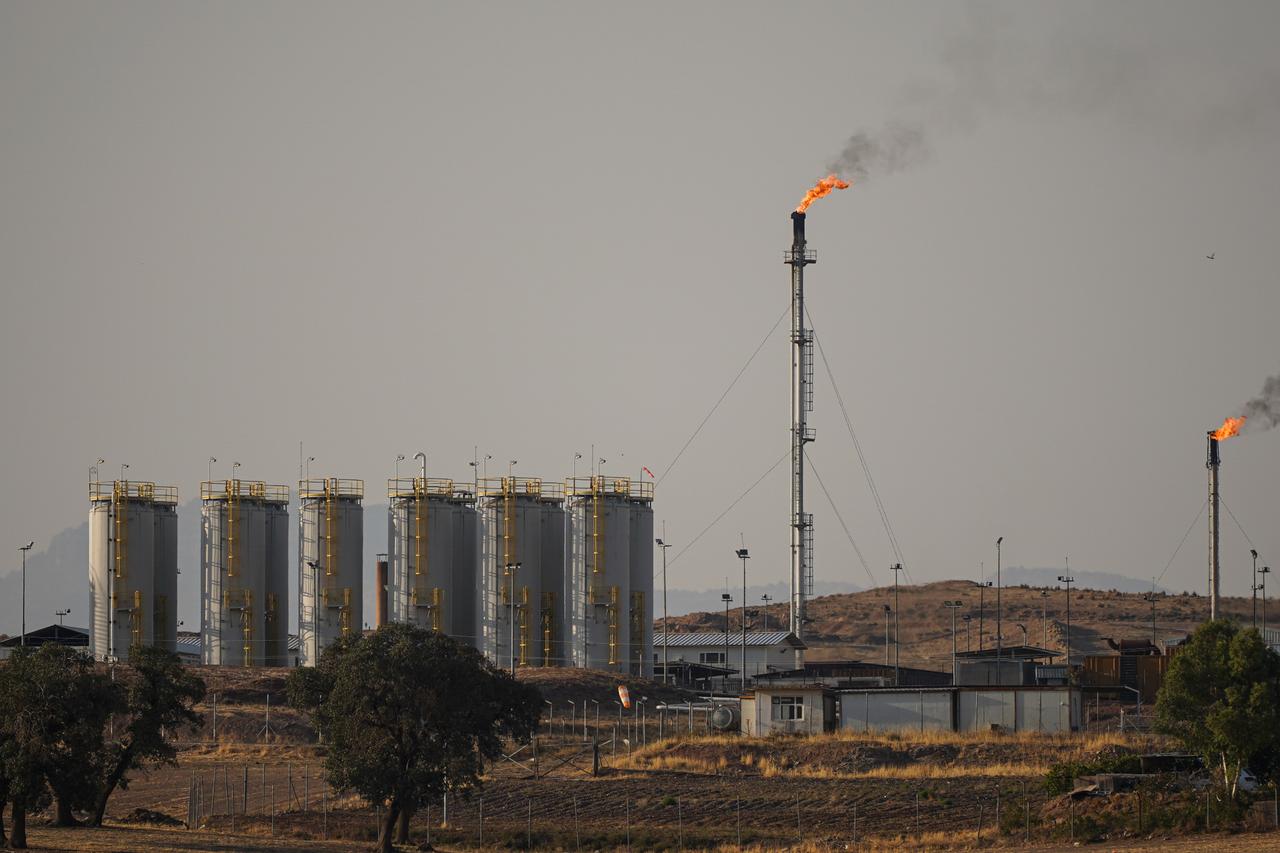
The alternative on offer, in the language both Baghdad and Ankara now prefer, is a region organized around state capacity and economic connectivity: energy corridors, trade routes, companies in place of soldiers, in place of the systemic violence that has defined Iraq's post-2003 history.
It is an appealing sentence to say out loud. Whether it survives the militias with no intention of disarming, the IRGC's improved coordination, or the plain fact that promises made in a White House meeting rarely settle anything on the ground in Kirkuk or Sulaymaniyah, remains an open question.
American influence in Iraq continues its long, uneven retreat. For the Trump administration, which has strengthened its ties with its ally Türkiye following the military withdrawal from Syria, executing a parallel exit from Iraq could yield a similar effect. However, both countries will have to find a practical solution for numerous destabilizing forces—stretching from Hezbollah to local militias in Iraq, and from there to the PKK/YPG—that must ultimately be disarmed.


 Set as preferred source
 Set as preferred source


 1 min read
 1 min read