Newsletters


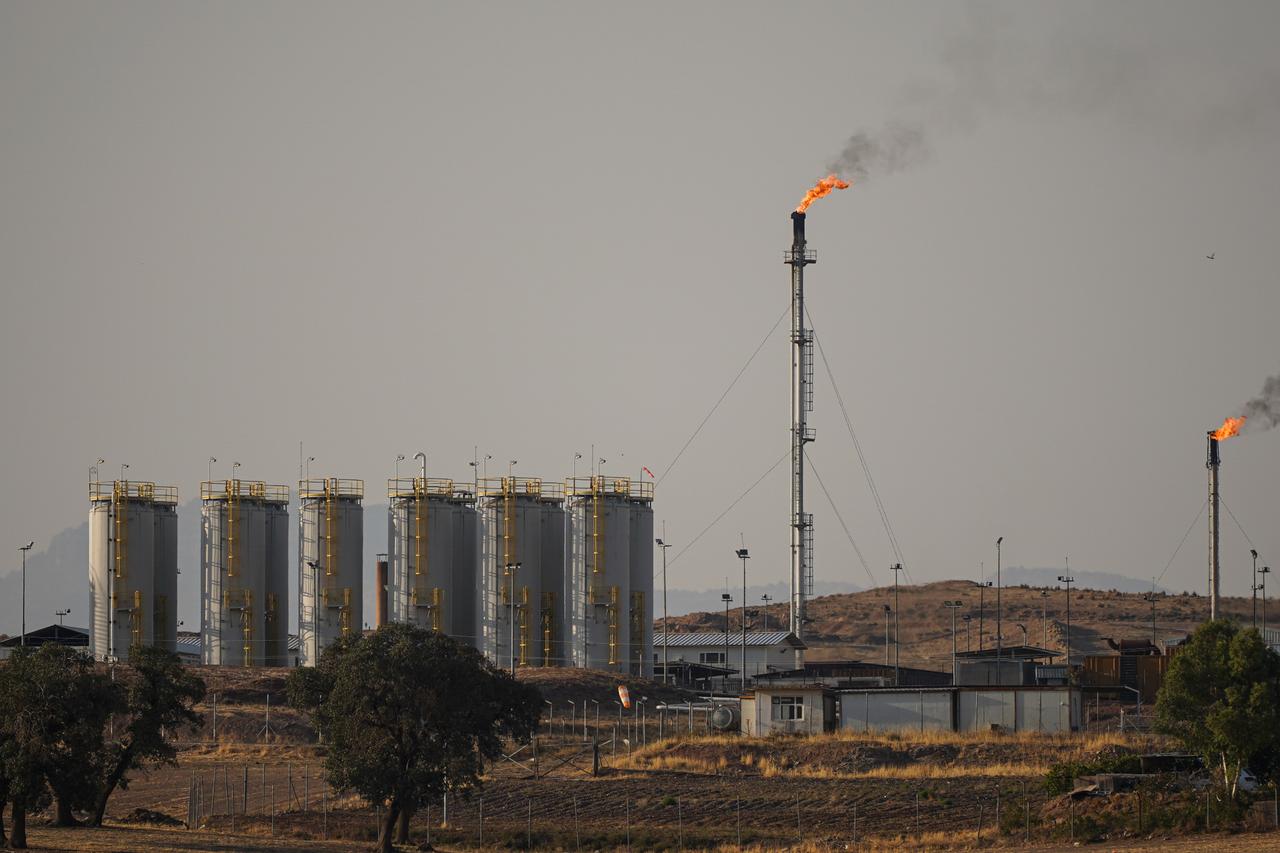


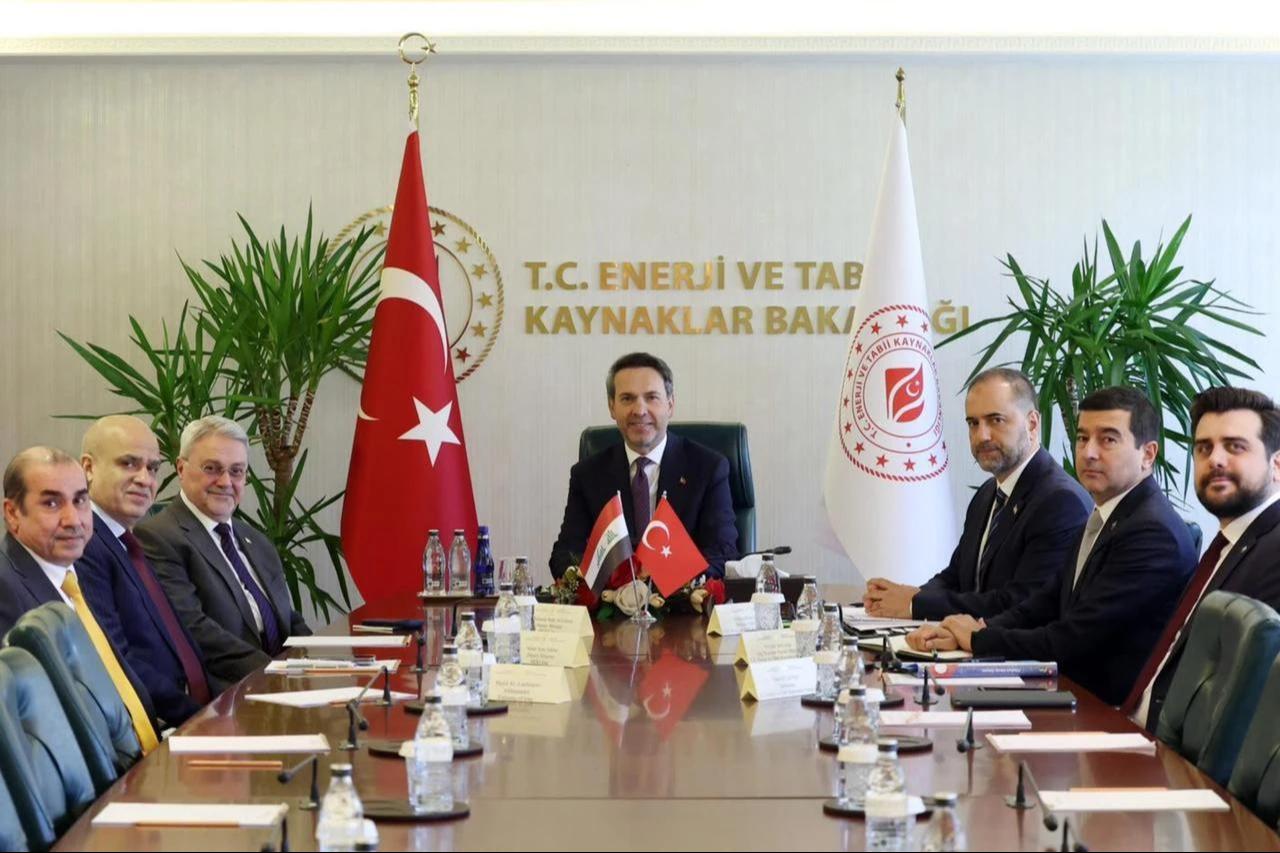
A new agreement governing the Iraq-Türkiye Crude Oil Pipeline is nearly impossible to finalize before the current deal expires later this month, Energy and Natural Resources Minister Alparslan Bayraktar said, as Ankara pushes for a temporary arrangement to keep oil flowing while negotiations continue.
Speaking to reporters ahead of Monday's Cabinet meeting, Bayraktar said Türkiye had already informed Iraq it would not renew the existing pipeline agreement and instead wants to replace it with a broader framework.
"We sent them a draft of a new agreement last year, but Iraq held elections and a new government has only recently taken office. It is almost impossible to complete negotiations within three weeks," Bayraktar said.
Türkiye decided last year not to extend the current framework, citing repeated arbitration disputes, years of underutilized pipeline capacity and the need for a broader agreement that would ensure fuller use of the route and expand energy cooperation.
The agreement, first signed in 1973 and extended for 15 years in 2010, governs the transport of Iraqi crude oil through the Kirkuk-Ceyhan pipeline to Türkiye's Mediterranean export terminal and will no longer be in force after July 27.
To avoid disrupting crude shipments, Türkiye has proposed that the state pipeline operator, BOTAS, transport Iraqi oil under a one-year interim contract while both sides work out a comprehensive replacement agreement.
According to Bayraktar, Iraq requested a capacity of 750,000 barrels per day, despite current flows of around 180,000 to 200,000 barrels per day. "We can reserve 750,000 barrels of capacity and complete negotiations on a new Iraq-Türkiye Pipeline agreement during that period," Bayraktar stated.

Beyond replacing the current agreement, Türkiye is seeking to expand the project by extending the pipeline from Kirkuk to Basra and increasing its capacity to 2.5 million barrels per day.
Bayraktar said Ankara has also proposed allowing other Gulf producers, including Kuwait, to use the pipeline, while discussing the construction of a parallel natural gas line that could eventually carry supplies from Qatar and other producers.
He added that a handful of issues remain unresolved over the proposed one-year BOTAS arrangement but stressed that Türkiye is ready to move forward once those points are settled.
Bayraktar also addressed the long-running legal dispute over the pipeline, which stems from Iraq's claim that Türkiye breached the pipeline agreement by allowing independent oil exports from northern Iraq without Baghdad's approval between 2014 and 2018.
"There will be calculations of mutual claims and interest because our receivables go back many years. Then we will see who the creditor is. That decision has not yet been made," he said.
Türkiye has appealed the original arbitration ruling, which ordered it to pay about $1.5 billion in damages to Iraq, before a court in Paris, while arbitration covering the period after 2018 remains ongoing, he noted.


 Set as preferred source
 Set as preferred source


 1 min read
 1 min read