

 Newsletters


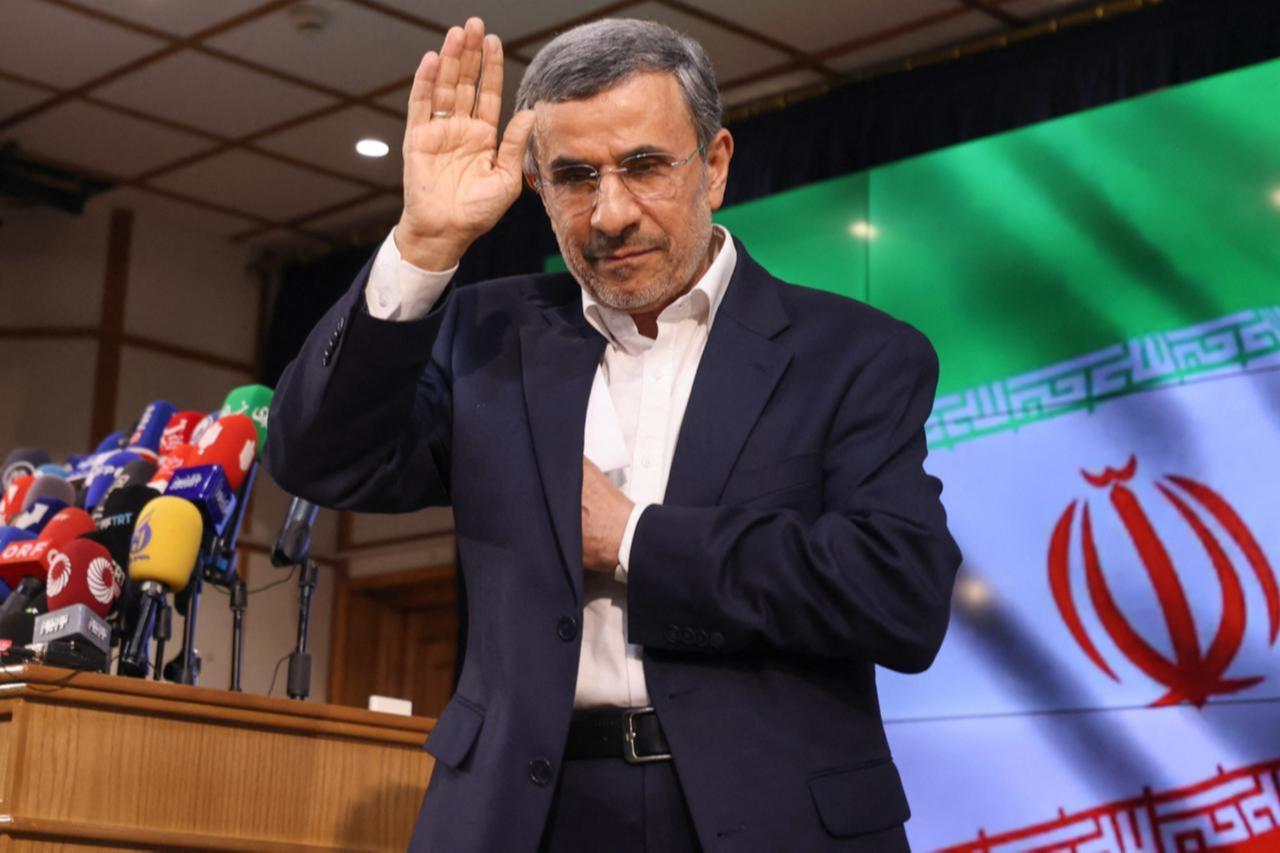
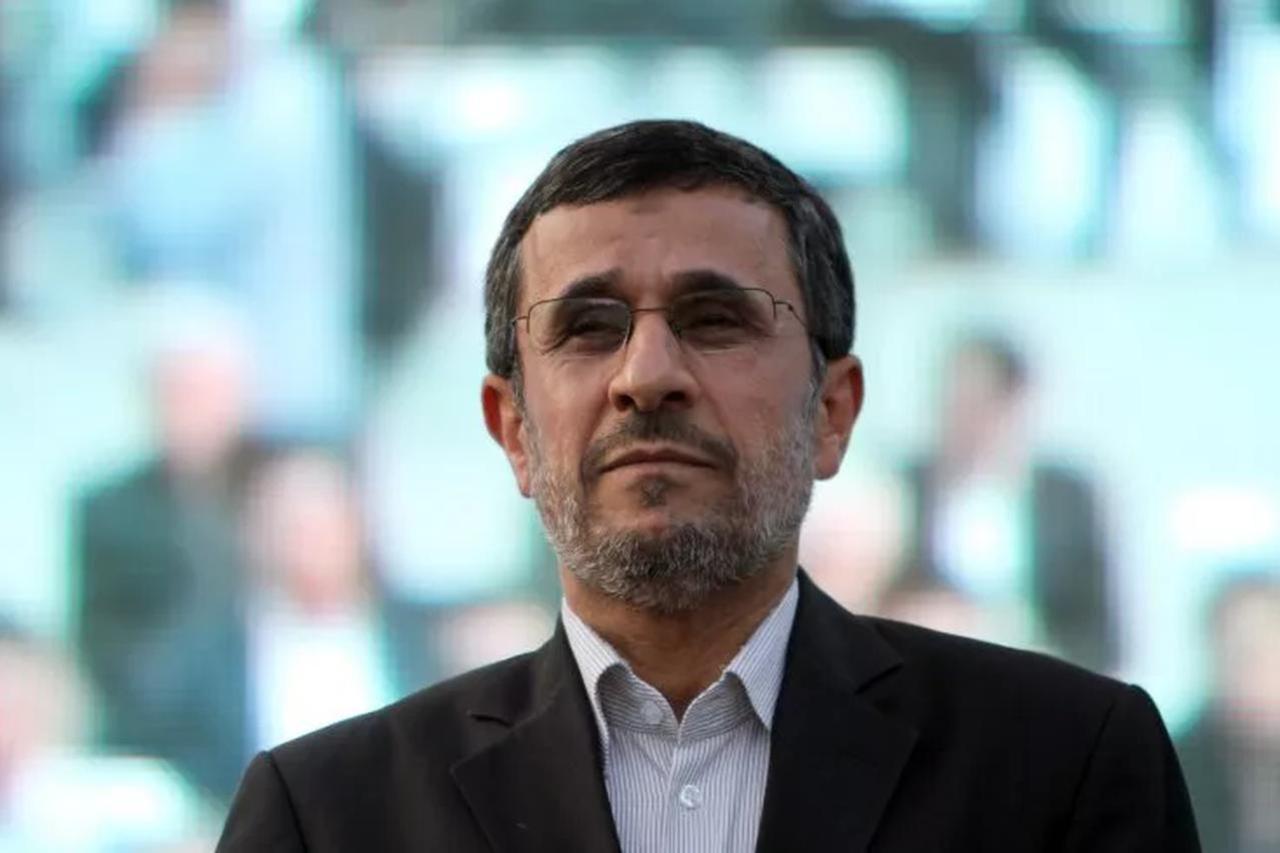
Mahmoud Ahmadinejad was broadcast on Iranian state television Tuesday attending a memorial ceremony in Tehran for slain Supreme Leader Ali Khamenei, one day after The New York Times published an investigation alleging that Israel had spent years cultivating the former Iranian president as a covert intelligence asset, with the ultimate aim of installing him as the country's next leader.
His office, in a statement published the same day, rejected the report's core claims and denied that he was under house arrest.
The appearance, the second time Ahmadinejad has been seen publicly since the opening of the U.S.-Israeli war on Iran in late February, came as his office was actively pushing back against the Times investigation.
Ahmadinejad had also attended the main funeral procession for Khamenei on July 6, his first confirmed public sighting since being evacuated from his Tehran compound on Feb. 28, after an Israeli airstrike struck the building housing his bodyguards and destroyed his armored vehicle.

The operation came to a head on Feb. 28, the opening day of the U.S.-Israeli war on Iran.
American and Iranian officials told the Times that the car that arrived to evacuate Ahmadinejad from his stricken compound was driven by Mossad operatives, who transported him to a safe house inside Iran. The broader plan, officials said, was to use the upheaval of war to topple the Islamic Republic and position Ahmadinejad as a stabilizing replacement.
According to an associate in his close circle who spoke to the Times on condition of anonymity, Ahmadinejad had told confidants he envisioned playing a role similar to that of Boris Yeltsin in post-Soviet Russia.
He said that if he came to power, Iran would recognize Israel and normalize relations within the framework of President Trump's Abraham Accords.
The plan collapsed. Ahmadinejad grew agitated and disillusioned at the safe house and eventually left under circumstances that remain unclear. Iranian intelligence agencies subsequently began piecing together his ties to Israel, and four senior Iranian officials told the Times he had been placed in the custody of the Islamic Revolutionary Guard Corps' intelligence wing.
Tamir Hayman, a former head of intelligence for the Israeli Defense Forces, offered partial corroboration during a May interview on the PBS program "Firing Line," speaking after the Times had first revealed Ahmadinejad's role in the scheme. He described "a sequence of special operations, very, very unique, that was supposed to happen," and confirmed that "Ahmadinejad was part of that sequence."
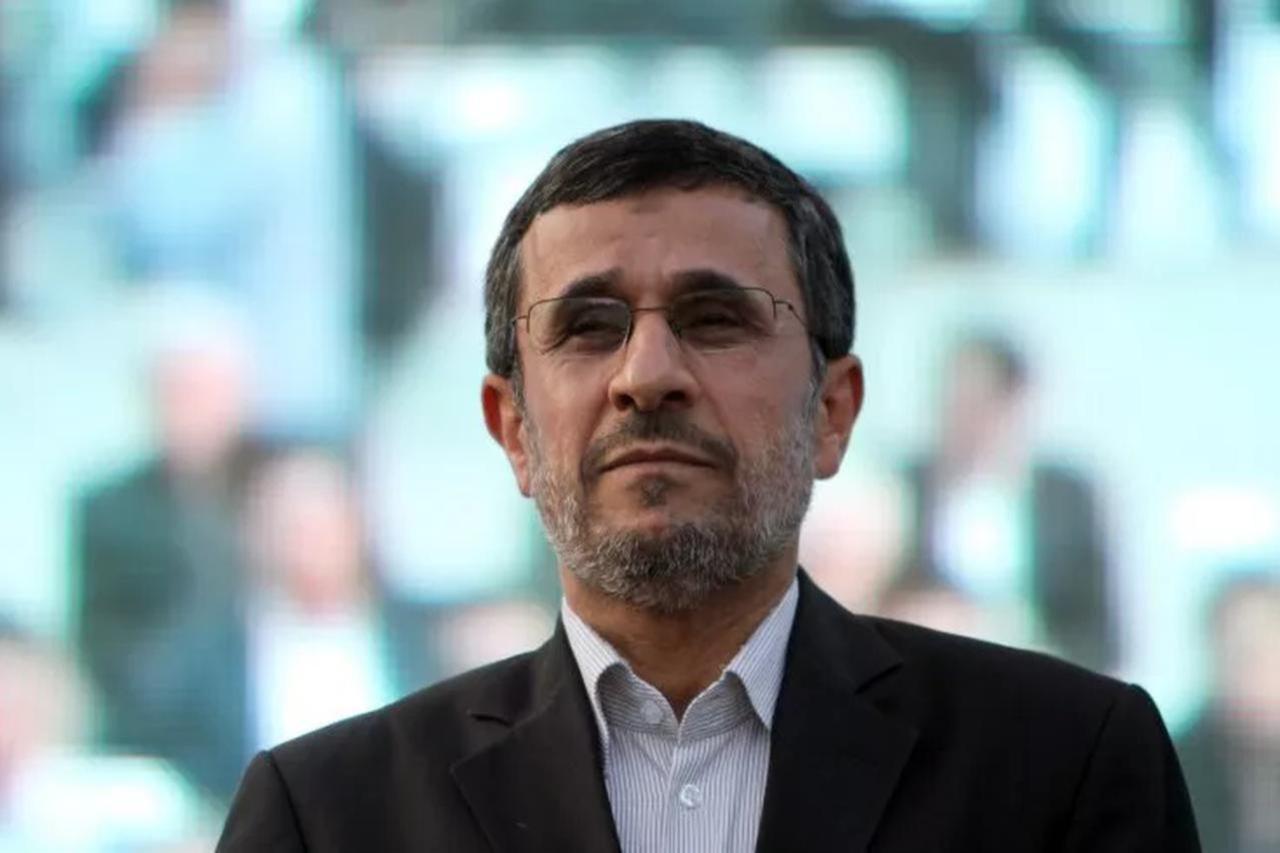
Ahmadinejad served as Iran's president from 2005 to 2013, a tenure defined by Holocaust denial, calls for Israel's destruction and an aggressive expansion of the country's uranium enrichment program. He oversaw a violent crackdown on the 2009 Green Movement, and mass executions of political dissidents took place under his administration.
In the years after leaving office, he underwent a studied public transformation. He abandoned his trademark oversize khaki windbreaker for tailored suits, softened his rhetoric and began openly criticizing regime corruption and security force brutality.
Israeli intelligence had taken close interest in that estrangement, particularly his growing resentment of Khamenei and the senior officials who had disqualified him from presidential races three times, according to two Israeli defense officials cited by the Times.
Abdolreza Davari, a former senior adviser who later fell out with Ahmadinejad, told the Times: "Ahmadinejad would not do this for money. He has money; he has a wide economic network. He would do it for power. He wants to be at the helm of power."
Hours after the Times investigation went live, a statement on Ahmadinejad's official social media page dismissed the allegations as "Hollywood-style claims" designed to erode his public standing. It accused the paper of exploiting "political sensitivities arising from military threats" as a form of "psychological warfare," and denied that he was under house arrest, saying he was working as usual.
The statement was signed by his office and referred to him at points in the third person. The degree of his direct personal involvement in drafting it could not be confirmed.
The Times responded through spokeswoman Nicole Taylor, saying the paper stood fully behind its work. "The office of the former Iranian president Mahmoud Ahmadinejad has made blatantly false accusations about our reporting in an attempt to manipulate public opinion," Taylor said, adding that the investigation was the product of "a team of deeply sourced, expert reporters."
Israeli officials have not commented publicly on the reported plan. Ali Akbar Javanfekr, a spokesman for Ahmadinejad, had declined to comment before the investigation was published.


 Set as preferred source
 Set as preferred source


 2 min read
 1 min read



