Newsletters


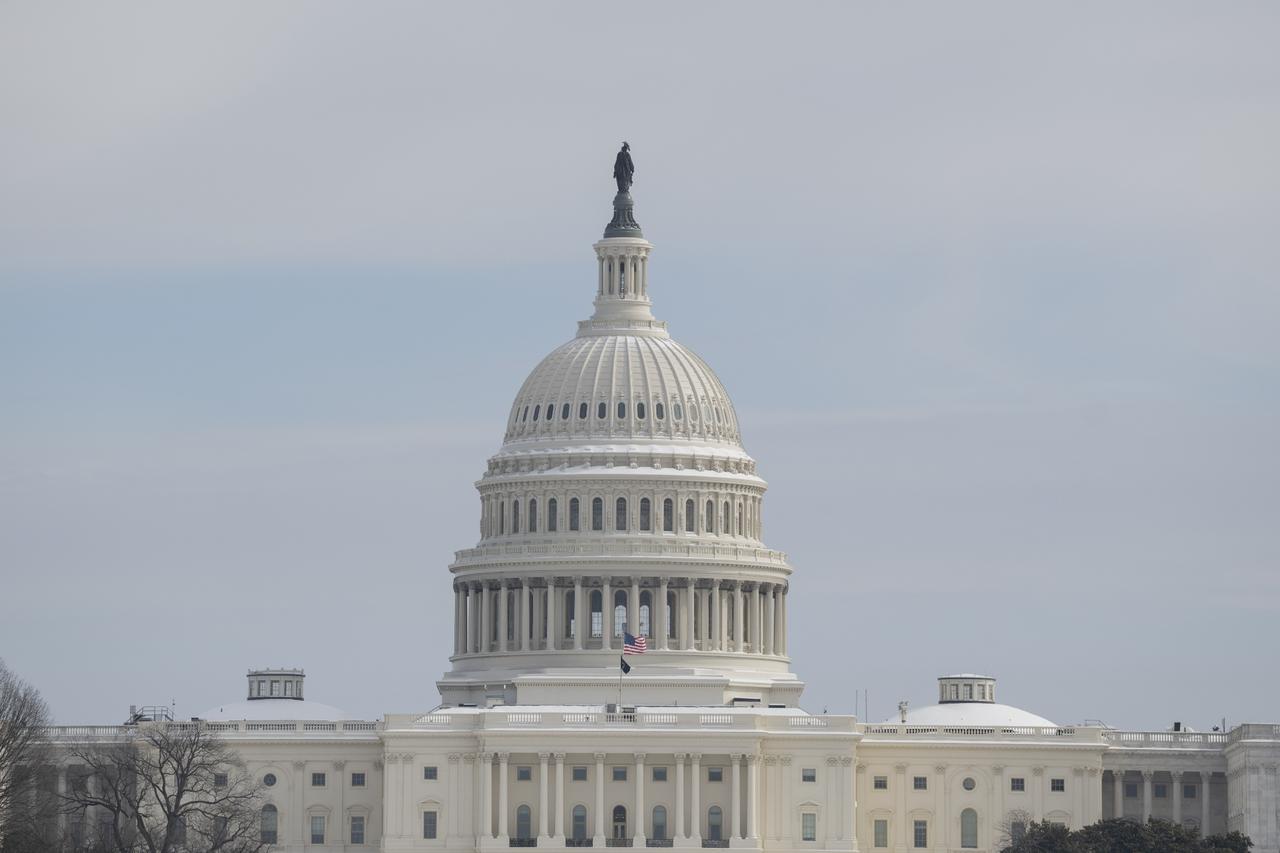


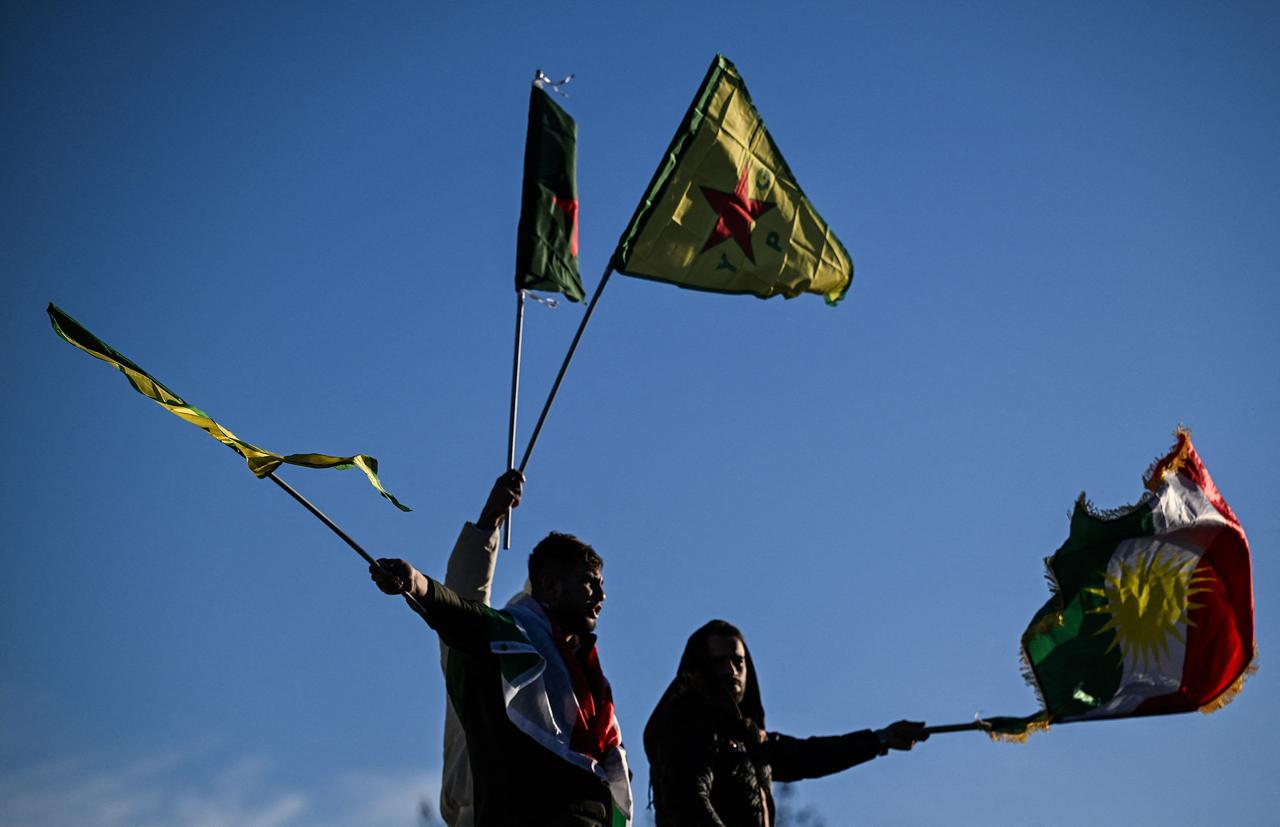
After backing the YPG/SDF terrorist group in northeastern Syria, the United States has shifted its strategy, prioritizing relations with Türkiye and efforts to keep Iran in check, according to sources close to lobbying groups aligned with the PKK/SDF in Washington speaking to Al-Hurra.
"We were necessary when Daesh was the priority. When that mission changed, we became a problem," a source close to PKK/SDF-aligned lobbying groups in Washington told reporters.
"This was not abandonment; it was the gradual withdrawal of guarantees. The YPG/SDF were still partners, but they were no longer protected," the source said.
The source indicated Washington had signaled for months that combating Daesh was no longer the priority in Syria policy.
"Managing risks with Türkiye, limiting Iranian influence and preventing tension among major powers took precedence over YPG/SDF's autonomy," the source said, adding that, "When these priorities changed, our position became structurally weaker."

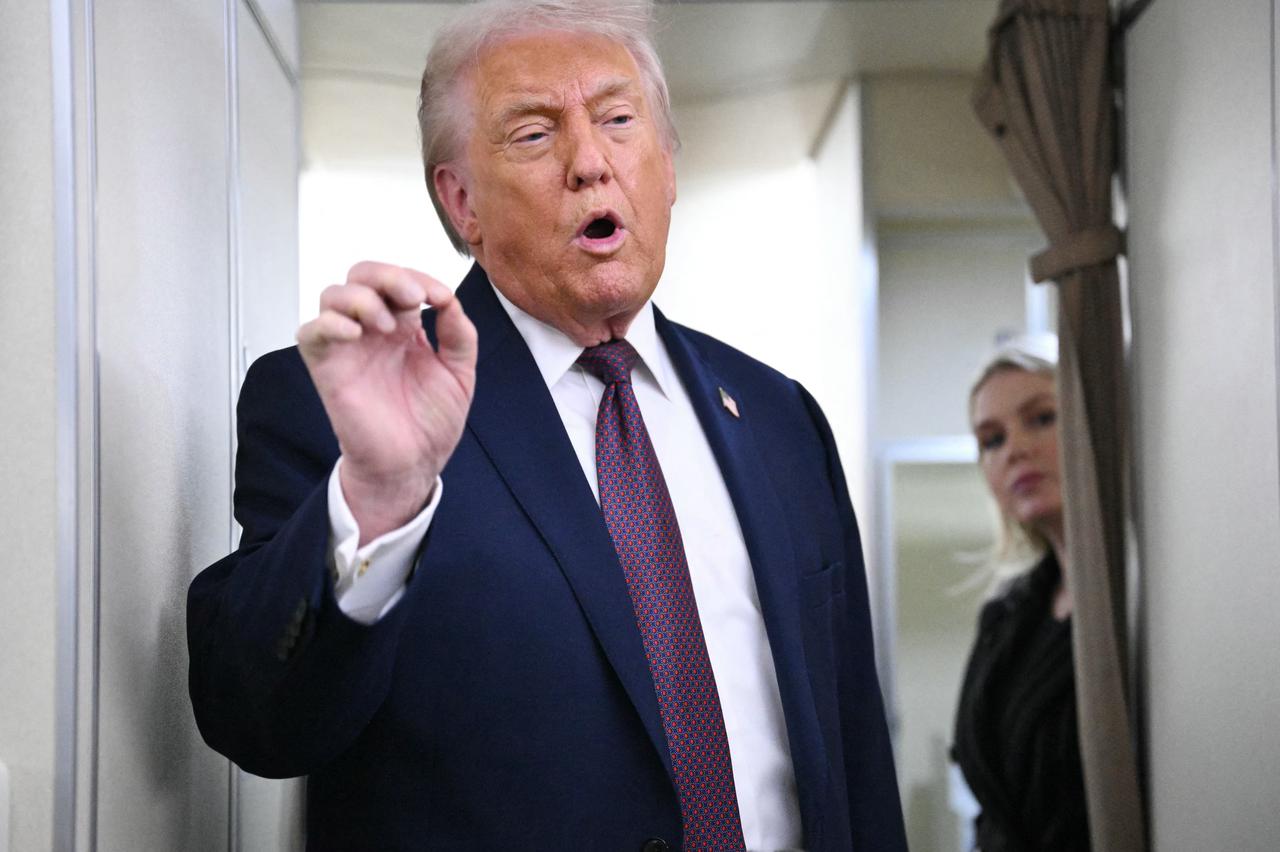
A U.S. State Department official confirmed the policy shift aligns with broader strategic objectives.
"This situation is consistent with our broader National Security Strategy," the official said.
"Reducing open-ended military commitments, managing regional and great power tensions, and directing local actors to assume security burdens once core U.S. interests are secured," the official added.
A Congressional source with knowledge of the administration's policy said the Trump administration did not consider Syrian government operations against PKK/SDF forces as crossing established boundaries.
"The Trump administration did not view the operation as crossing red lines," the source said.
"A narrow framework was drawn: protect U.S. troops, prevent collapse of Daesh prisons and prevent interstate tension," the source added.
"As long as these were fulfilled, the U.S. would not intervene. This was more important than who was losing ground," the source added.
The transfer of thousands of Daesh detainees to Iraqi territory amid major developments in northern Syria was not merely a logistical measure but reflected deep transformations in the region, according to an Al-Hurra investigation.
Former U.S. Envoy to Syria Ambassador James Jeffrey told Al-Hurra that a major shift occurred, reflecting the end of the "era of isolationist enclaves."
"U.S. support for Kurdish areas was linked to the absence of an alternative to the Assad regime. With the emergence of al-Sharaa's government, which he sees as a 'realistic and wise alternative,' there was no longer justification for the SDF to continue under American protection," Jeffrey said.
Jeffrey noted that the Kurdish collapse in Arab areas such as Raqqa and Deir ez-Zor was a natural result of tribal rejection of "Ocalan's ideology," referring to Abdullah Ocalan, the ringleader of the PKK, which is listed on the U.S. terrorism list.
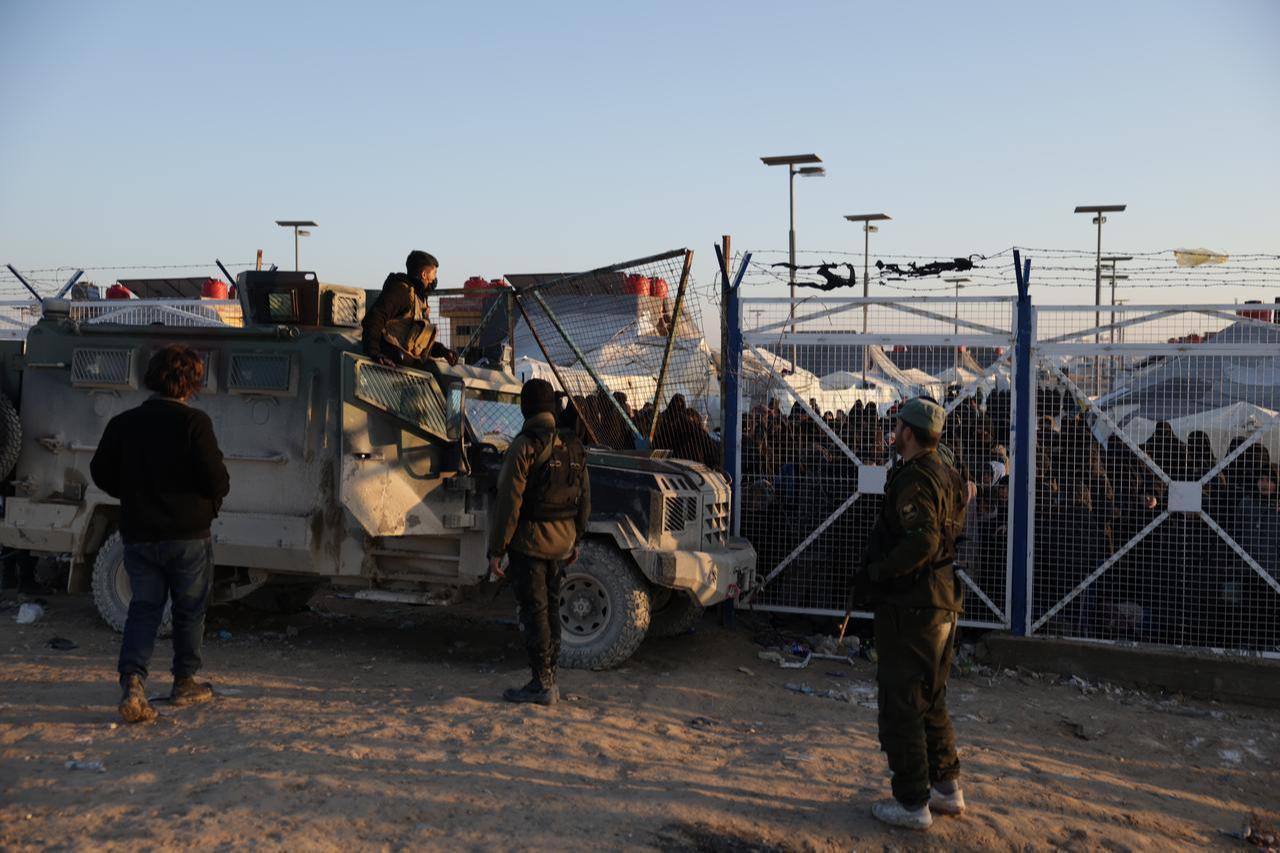
At the height of transfer operations, a phone call between U.S. Secretary of State Marco Rubio and Iraqi Prime Minister Mohammed Shia al-Sudani established Iraq's central role as "legal and security guardian" in managing the detainee file.
Al-Sudani emphasized that hosting these detainees, despite their risks, was fundamentally a preemptive step to protect Iraqi national security. Iraq fears that leaving thousands of terrorists in fragile prisons inside Syria represents an existential threat exceeding that posed to Syria itself.
Rubio, praising al-Sudani's initiative, stressed that the success of this security partnership depends on Iraq's ability to keep this file away from regional conflicts and Iranian influence.


 Set as preferred source
 Set as preferred source


 1 min read
 1 min read