Newsletters


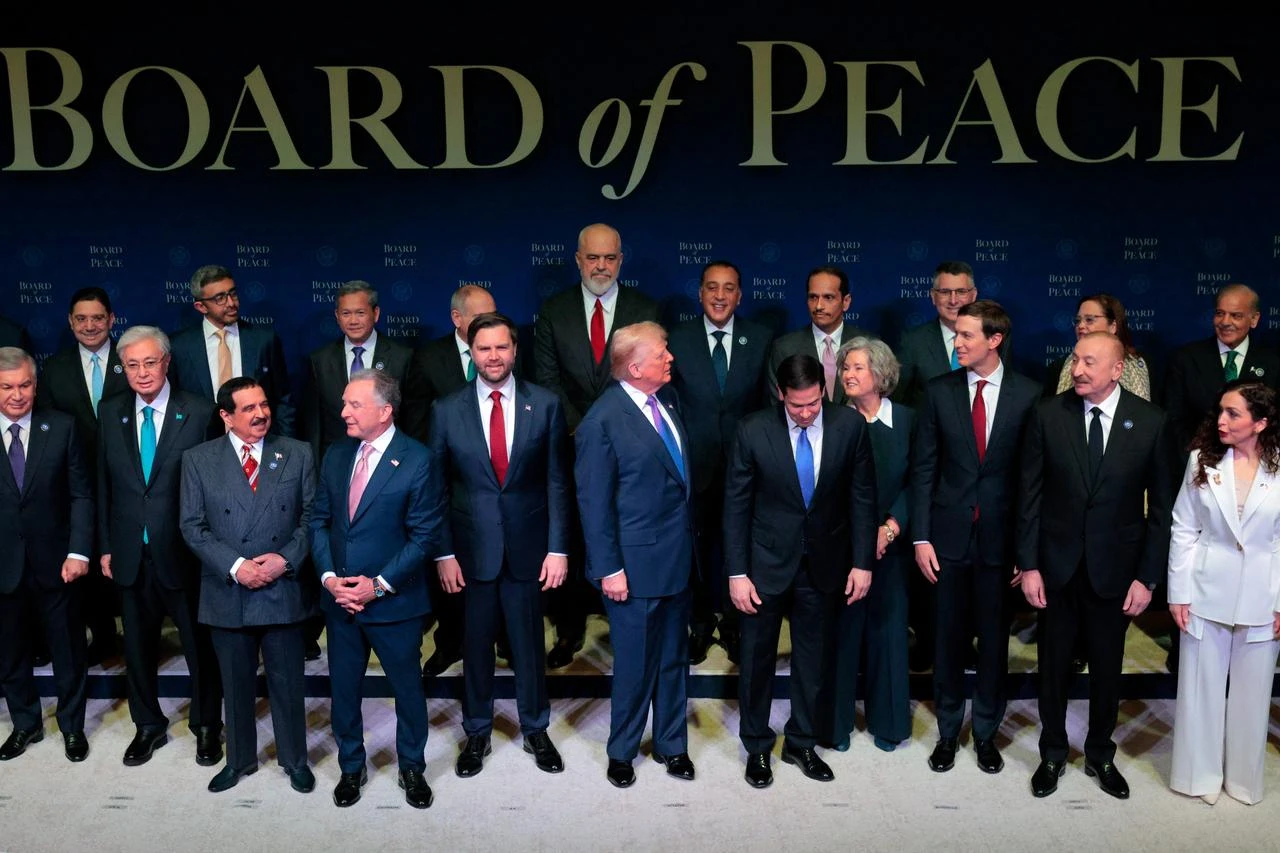


Hamas agreed Friday to a roadmap addressing its weapons and a gradual Israeli withdrawal from Gaza, an agreement the Board of Peace Director-General Nickolay Mladenov said followed "months of very difficult negotiations," with several points at which he did not believe a deal would be reached.
In a post on X, Mladenov, a former Bulgarian foreign minister who has also served as the U.N.'s special coordinator for the Middle East peace process, wrote: "Today, agreement has been reached on the decommissioning of weapons and civilian transition in Gaza. It took months of very difficult negotiations to get here. There were several points when I did not believe we would make it."
He added: "What the agreement says matters. What happens next matters even more. Implementation and verification have to be real. Withdrawal must move in lockstep with decommissioning. And the NCAG and the Palestinian people need the political and practical backing to take charge of their own future."
Mladenov thanked President Trump "for driving this through," along with the United States, Egypt, Qatar, Türkiye and the UAE "for their support and for their help in keeping people in the room on the days when walking out would have been far easier."
He also thanked the U.N. Security Council "for staying focused on our work and consistently messaging how important it is to fully implement resolution 2803," saying the path ahead involves "a Gaza rebuilt, governed by Palestinians and at peace with Israel and a political horizon to a meaningful resolution of the Israeli-Palestinian conflict."
The Board of Peace said in a statement on X: "The Board of Peace and the mediating countries of Egypt, Qatar, Türkiye, and the United States today are pleased to announce that Hamas has agreed to a detailed Roadmap for implementing the next phases of the Gaza ceasefire."
It called the agreement "a historic breakthrough," saying that Hamas has officially committed to an actionable plan for relinquishing all its weapons "for the first time," which will be followed by Israeli withdrawal from Gaza.
The board said its focus "now turns to implementation," working with the National Committee for the Administration of Gaza (NCAG), which it said will soon begin a phased transition toward full authority, backed by the International Stabilization Force (ISF).
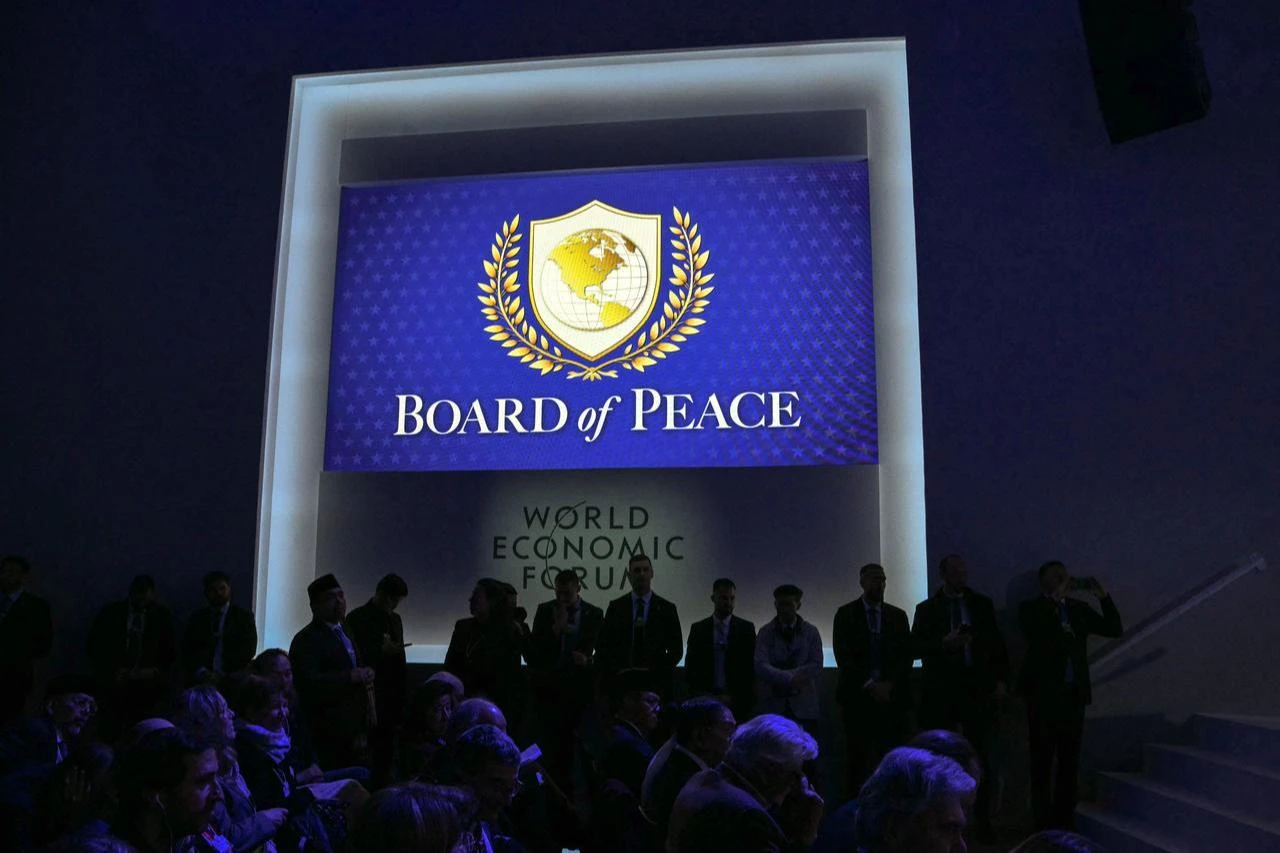

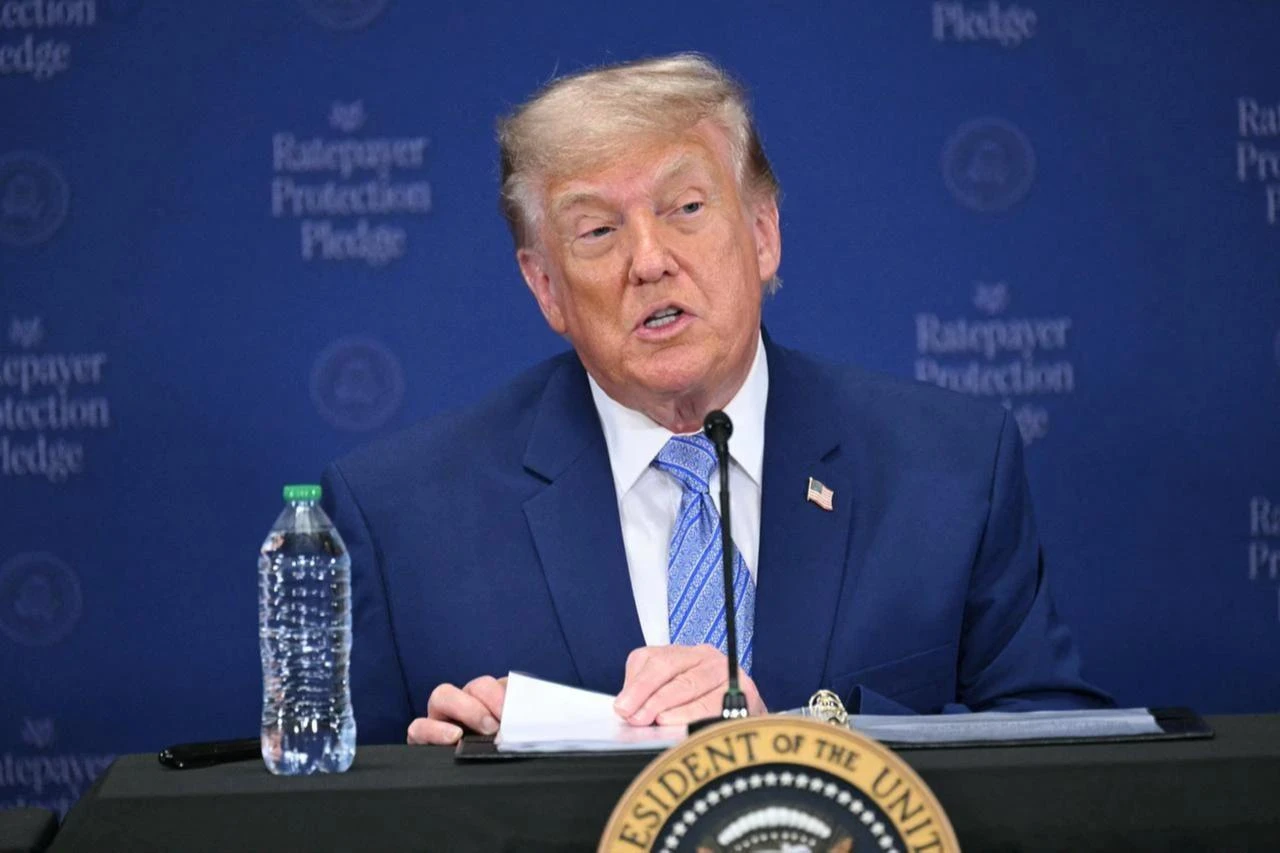
U.S. President Donald Trump said Thursday that the Board of Peace had reached an agreement for the "complete disarmament" of Hamas and other armed groups in Gaza, to be carried out in "carefully structured phases."
"As disarmament is completed, Israeli forces will withdraw, and the International Stabilization Force will work with a new Palestinian police force to take responsibility for Gaza being safe for its residents and its neighbors," Trump wrote on Truth Social.
He thanked Egypt, Qatar and Türkiye for their mediation, calling their work part of a historic breakthrough. "One year ago there was a violent raging war, humanitarian crisis and hostages kept in brutal captivity. We have made historic progress and there is still much work to do," Trump wrote.
Senior Hamas officials told Agence France-Presse (AFP) the deal includes provisions on the group's weapons and a gradual Israeli withdrawal.
"An agreement has been reached regarding the issue of weapons... Furthermore, an agreement has been reached on a gradual withdrawal of (Israeli forces)" from Gaza, one official said.
Ghazi Hamad, a member of Hamas's negotiating team, said the movement was making "concessions for the sake of our people in the Gaza Strip, to save them from killing and displacement."
Hamad said the NCAG, not Israel, would oversee disarmament: "Israel will not intervene in the issue of disarmament. The National Committee is the body that will undertake this task," adding that the NCAG "shall manage and execute the cataloguing and storage of weapons in accordance with the agreed timetable" and "will be the sole entity authorized to retain, store, or control weapons in Gaza."
A Hamas source separately told Reuters the draft agreement stipulates that heavy weapons would only be stored under the control of a Palestinian administration and could not be transferred to Israel.
Hamad told AFP the process of cataloging weapons would coincide with a gradual Israeli withdrawal from areas it currently controls, "leading to a complete withdrawal," and said Hamas expects mediators and the Board of Peace to ensure Israeli compliance.
"The agreement contains a clear provision stating that Israel must commit to and implement its obligations. If Israel does not implement the agreement, neither will we," Hamad said.
Hamad described the negotiations as "lengthy and difficult," having begun roughly six months earlier, and said the agreement covers ending the war, the NCAG's entry into Gaza, Israeli withdrawal, reconstruction and deployment of international forces.
"This is an integrated framework whose components must remain interconnected," he said, adding that other armed militias must also be dismantled.
He said implementation details and a timetable would be negotiated with mediators over roughly the next 14 days or longer.
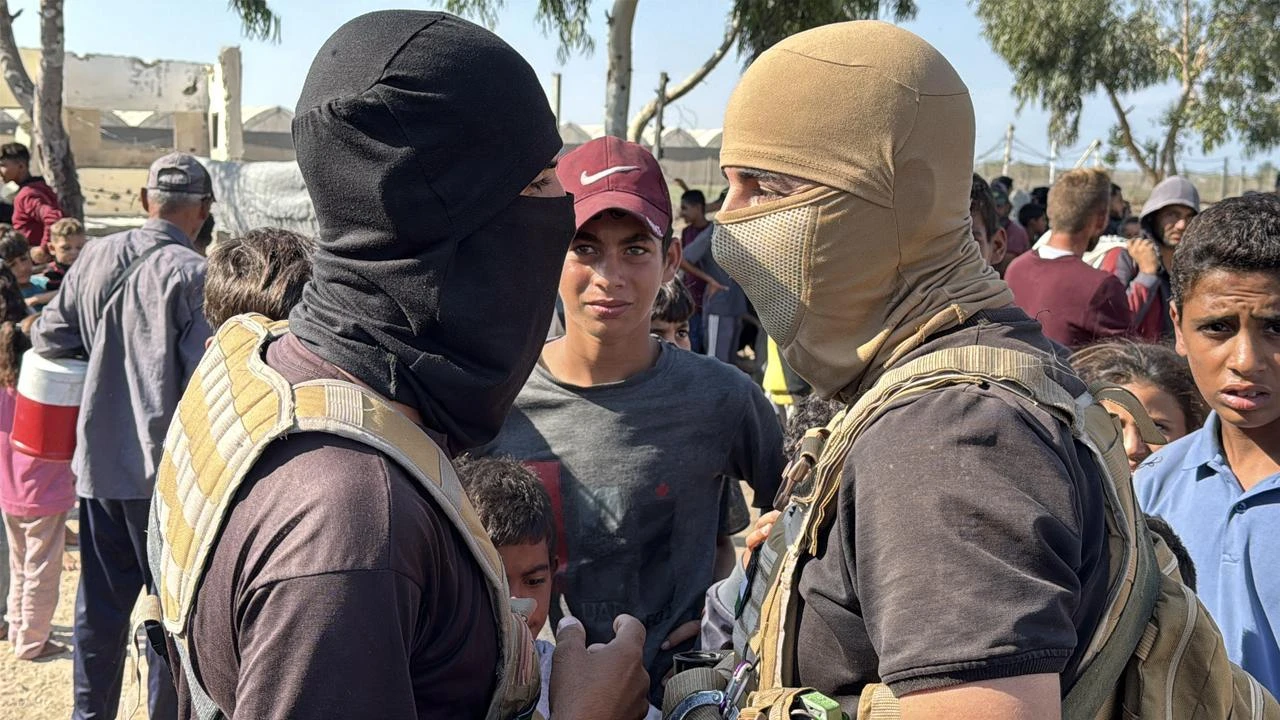
An October ceasefire remains in place between Israel and Hamas but has not halted violence in the territory. Israel has continued near-daily air and artillery strikes across Gaza, more than 60% of which it currently controls, since the truce took effect Oct. 10, 2025.
According to Gaza's Health Ministry, at least 1,214 Palestinians have been killed and 3,977 injured in Gaza since the ceasefire began, with most of them women and children.
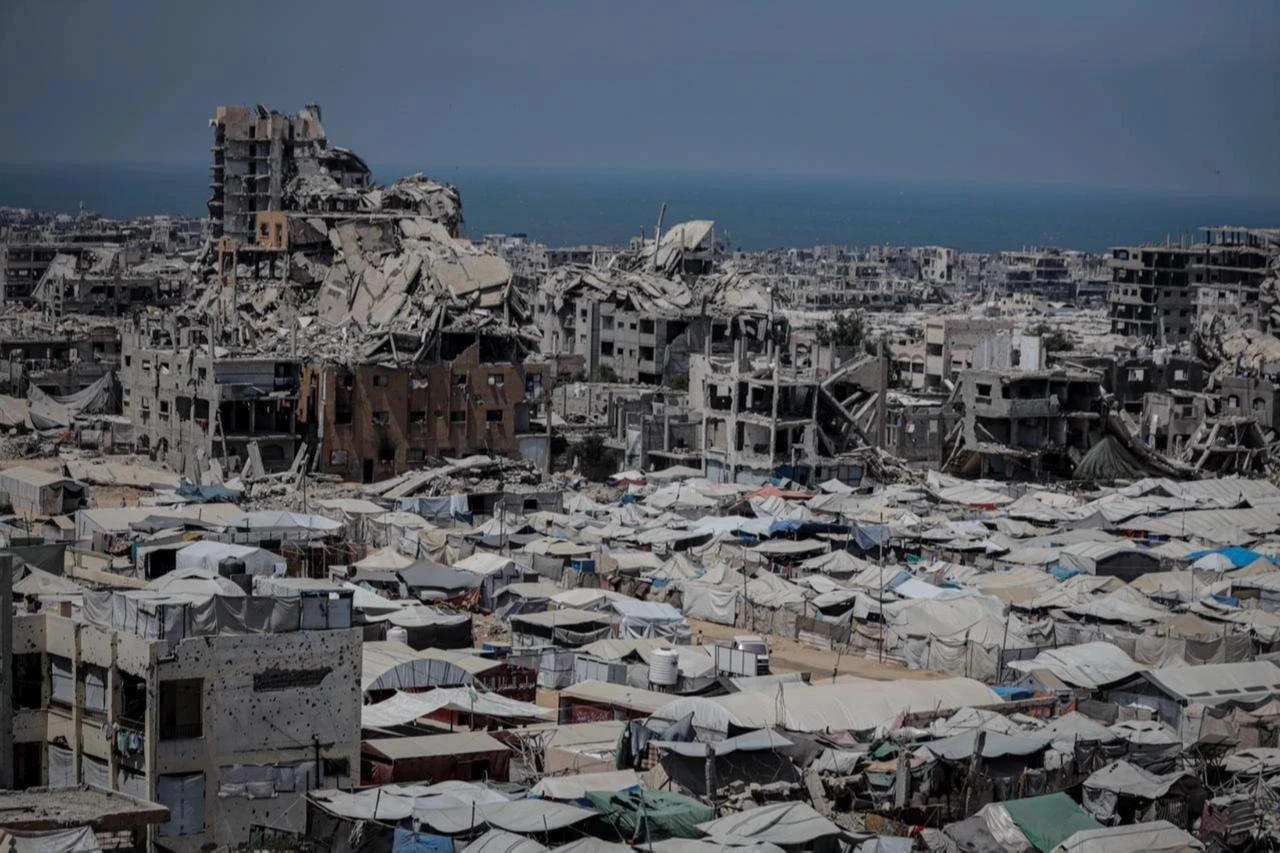
The broader Gaza war, which began following Hamas's Oct. 7, 2023, attack on Israel, has killed more than 73,000 Palestinians and injured over 174,000 others, most of them women and children, and destroyed roughly 90% of the territory's infrastructure.
Tens of thousands of people in Gaza remain in tents after nearly three years of strikes destroyed much of the territory's standing structures.
Hamas has accused Israel of repeated ceasefire violations, including strikes, firing on civilians, and advancing the informal "Yellow Line" boundary separating Israeli-controlled areas from those under Hamas authority.
Earlier this month, Hamas announced the dissolution of the body that had governed Gaza for nearly two decades, clearing the way for the NCAG to assume civilian administration, a significant political shift for a group that has governed Gaza since 2007.


 Set as preferred source
 Set as preferred source


 1 min read
 1 min read