Newsletters




Israel must implement its commitments under the Gaza peace roadmap for the process to move forward, Nickolay Mladenov, high representative for Gaza at the Board of Peace, said Monday, warning that continued inaction combined with rising violence in the West Bank risks making a two-state solution "practically impossible."
Speaking at the third Hili Forum in Abu Dhabi, Mladenov said progress had been made compared with a year ago, but the situation remained far from what is needed to achieve a political solution.
"We are still at the point at which we need to make sure that what has been agreed is going to be implemented and is going to change the lives of the people in Gaza significantly," Mladenov said.
"Unfortunately, we're not there yet," he noted.
He said discussions are continuing with Israel on "the implementation of their part of the commitments" needed to move the process forward, referring to Israel's withdrawal in exchange for Hamas's disarmament and the start of reconstruction in Gaza.
Mladenov pointed to seven months of negotiations with Hamas on disarmament, describing them as "very intense, very difficult discussions," and praised the mediation roles played by Türkiye, Egypt and Qatar, along with support from the United Arab Emirates (UAE) and other regional countries.
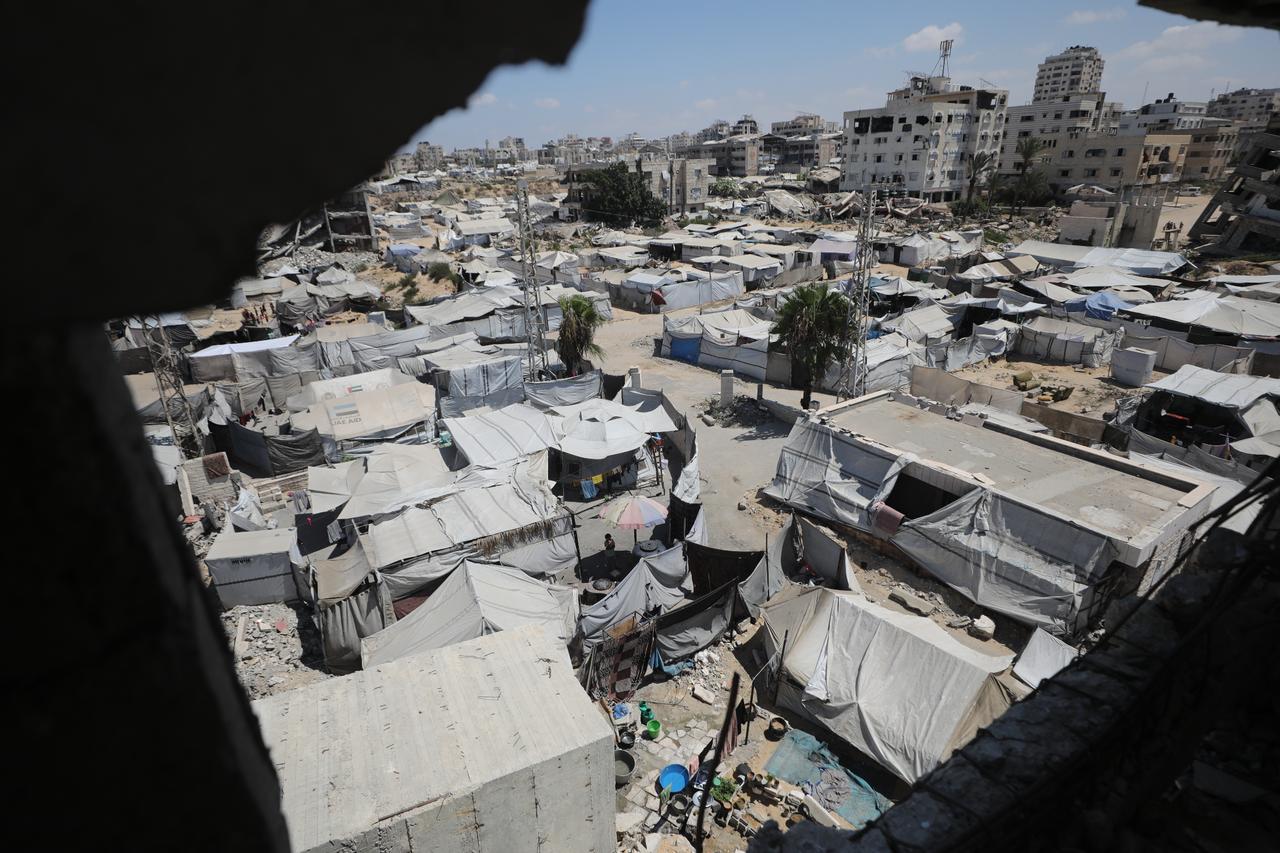
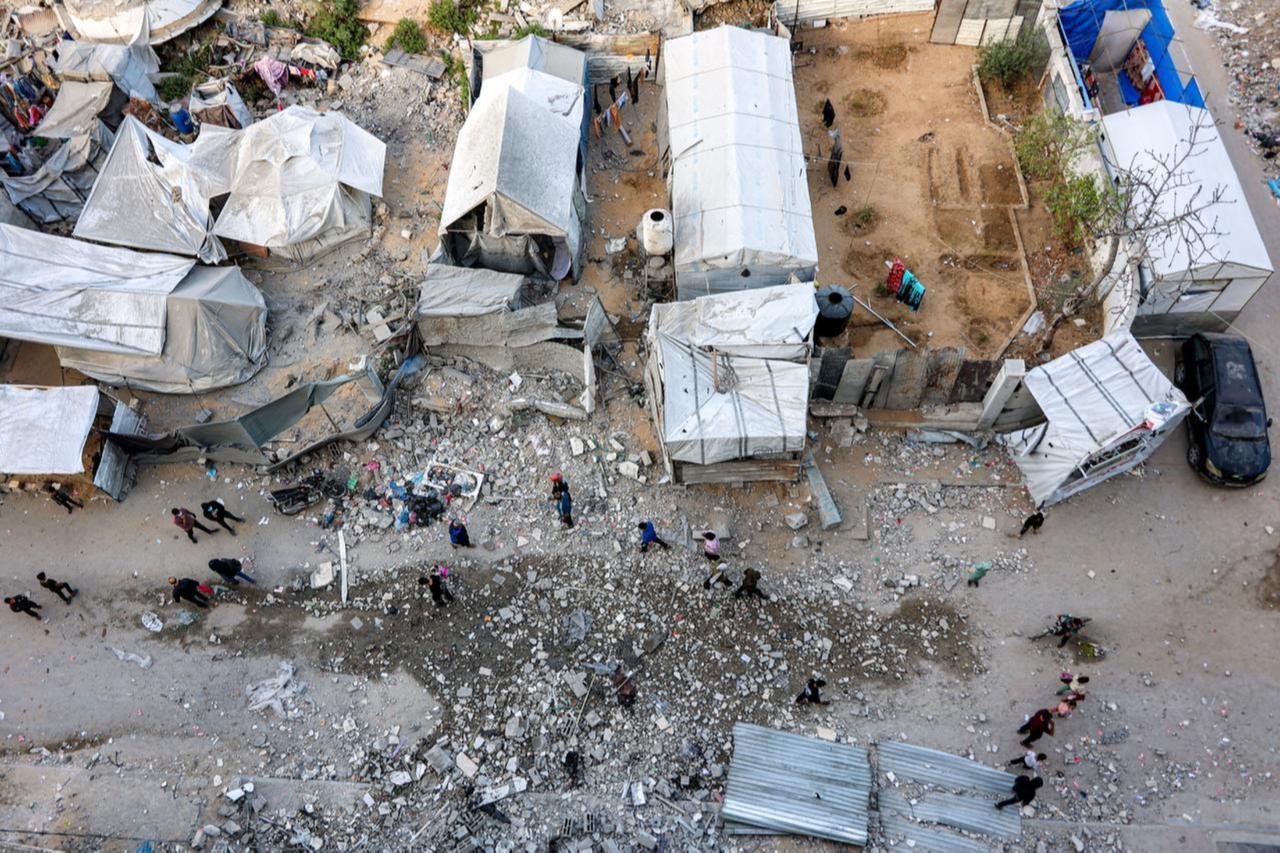
He said people in Gaza continue to live in "terrible conditions" and cannot face another winter under current circumstances.
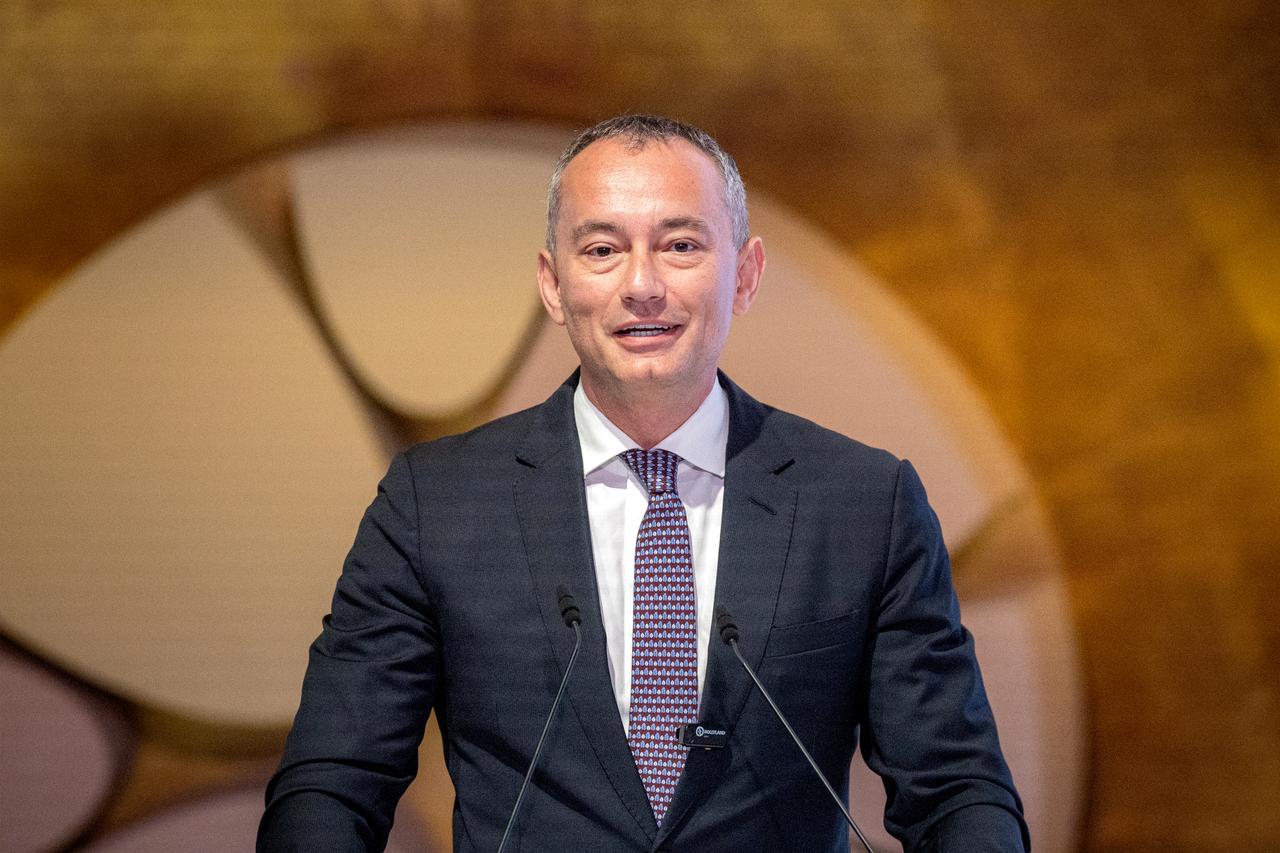

Mladenov outlined three possible paths: maintaining the current situation, expanding Israeli military operations and reoccupying Gaza, or implementing the Board of Peace roadmap.
He described the third option as the "reasonable" one, requiring disarmament by agreement, an agreed Israeli withdrawal, and reconstruction with international and regional support.
"The only way that we can build back to that is if we have transitional governance, if we have decommissioning of weapons, if we have withdrawal in Gaza," he said.
Mladenov warned that a two-state solution could become "practically impossible" without progress on the roadmap.
"If Gaza continues the way it is now, or does not move into implementing the plan that we have under the comprehensive plan, the two-state solution will become practically impossible," he said.
"Because, with everything that is happening in the West Bank, and with more than 50 percent of Gaza now under the control of the Israeli army and less than 50 percent under the control of Hamas, there is no credible pathway forward to a political resolution of the conflict," Mladenov added.
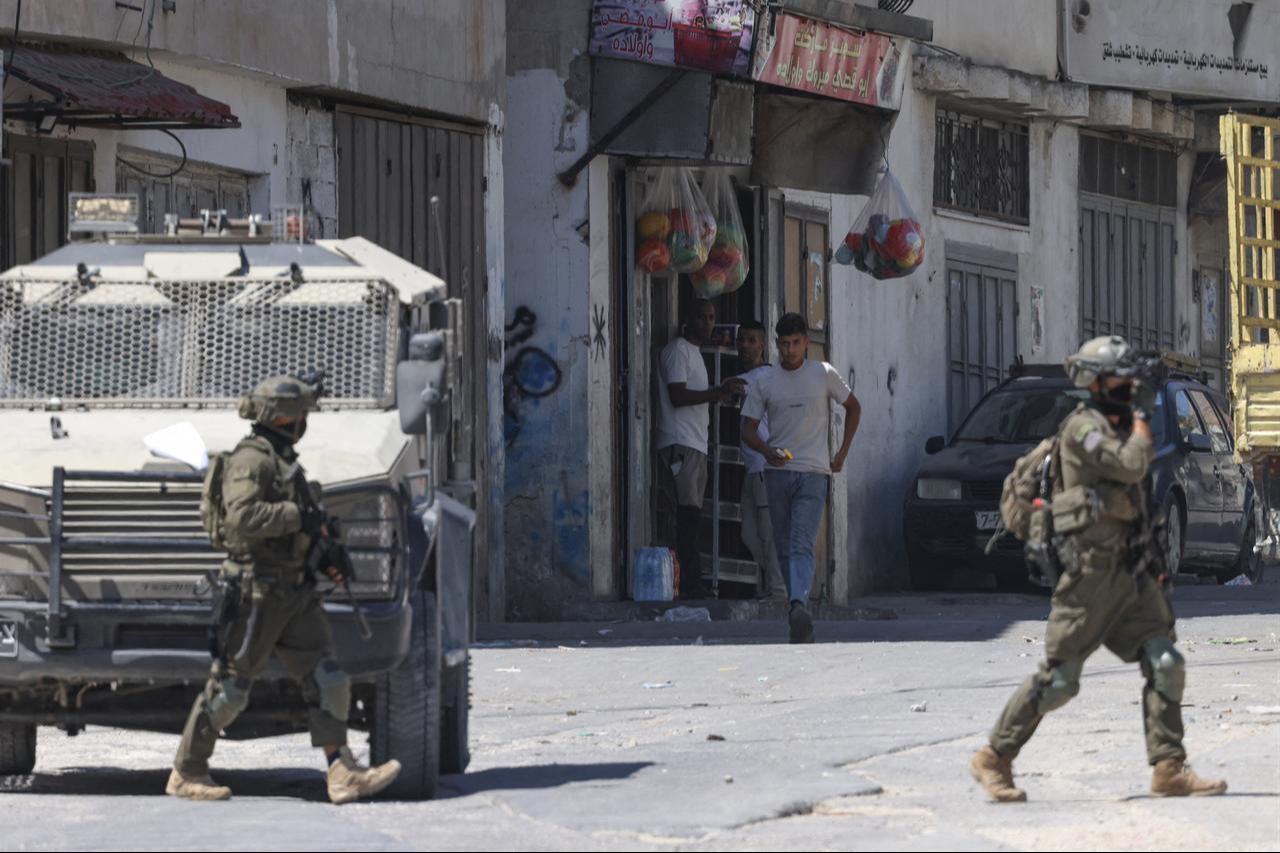
More than 500,000 Israelis live in settlements considered illegal under international law in the West Bank, which is home to roughly 3 million Palestinians.
Asked whether a new Israeli government could reject the current government's commitments following October elections, Mladenov acknowledged that election periods often produce "knee-jerk reactions" and political posturing, but said Israelis ultimately want to move past the ongoing crisis in Gaza.
He said the crisis has caused "massive emotional, political, human suffering" for Israelis in addition to the humanitarian catastrophe in Gaza, arguing that a longer-term perspective is needed despite short-term political pressures tied to the election campaign.
"Neither Palestinians nor Israelis are going anywhere. Nobody is going to leave their homes," he said, stressing the need to restore political dialogue and find a way for the two peoples to coexist.
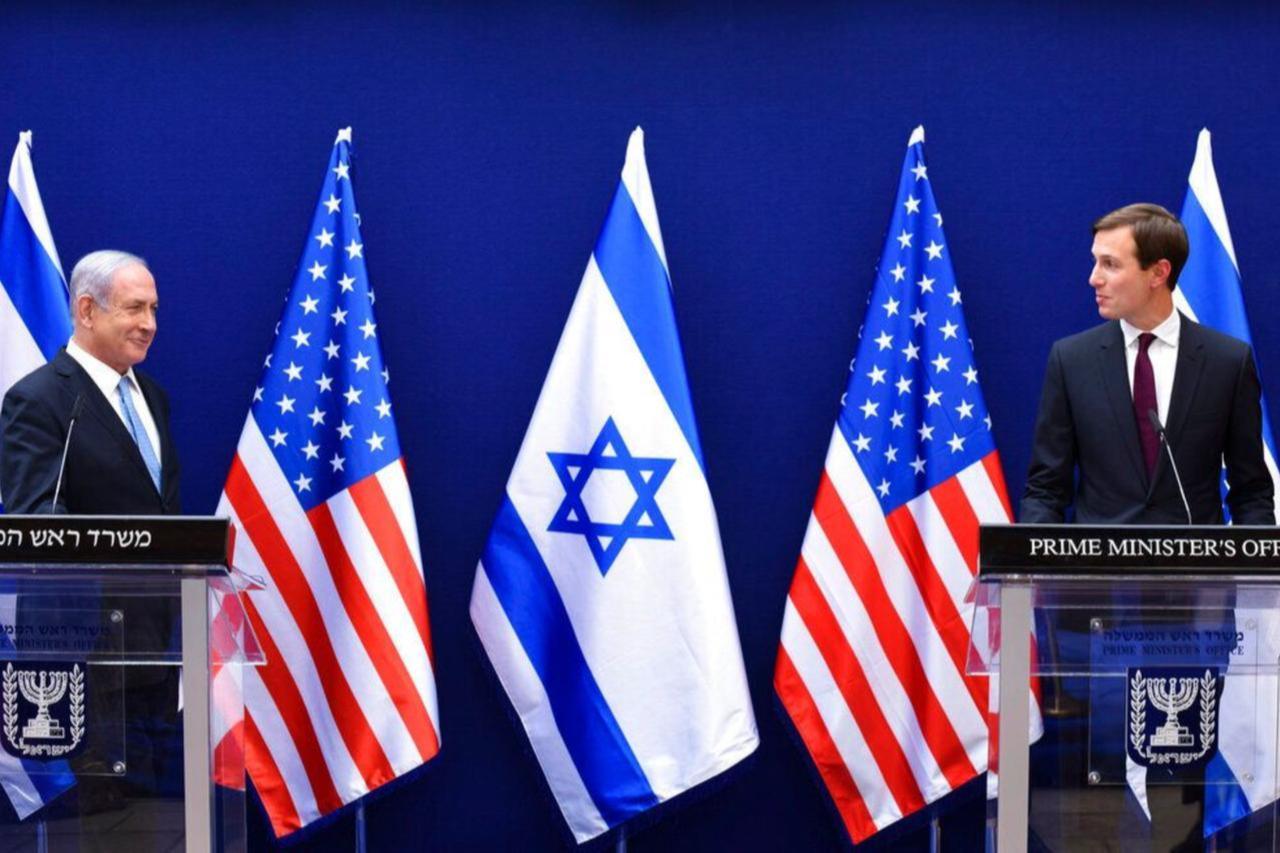
Speaking separately at a press briefing in Kyiv on Sunday, U.S. envoy Jared Kushner, U.S. President Donald Trump's son-in-law, said the upcoming Israeli elections were affecting Israeli leaders' approach to Gaza.
"We agree with them on the end state," Kushner said, referring to Israel.
"They just have a crazy election and that makes them a little irrational in certain regards but we're very determined and we're working through these things," he added.
Kushner also addressed the scale of the disarmament challenge facing negotiators, saying, "You can't go in if there's guns. We're now starting to understand the scope of the militarisation of Gaza. It is beyond your comprehension. And so demilitarising it is not going to be easy."
The Board of Peace was established in January as part of Trump's broader plan for Gaza, with Trump serving as chairman.
The initiative, backed by U.N. Security Council Resolution 2803, is tasked with overseeing Gaza's transition, including governance, security and reconstruction.
A Palestinian technocratic body, the National Committee for the Administration of Gaza, was also established to assume responsibility for civilian administration.
The Board of Peace issued a roadmap on July 31 for the next phase of the Gaza plan, including Hamas's disarmament, a phased Israeli withdrawal, transfer of administration to the Palestinian technocratic committee, deployment of an international stabilization force, and reconstruction.
Under a related agreement reached by Hamas on July 30, decommissioning of weapons would be supervised by the International Stabilization Force, a nascent unit led by U.S. Maj. Gen. Jasper Jeffers that aims to deploy to Gaza if conditions stabilize.
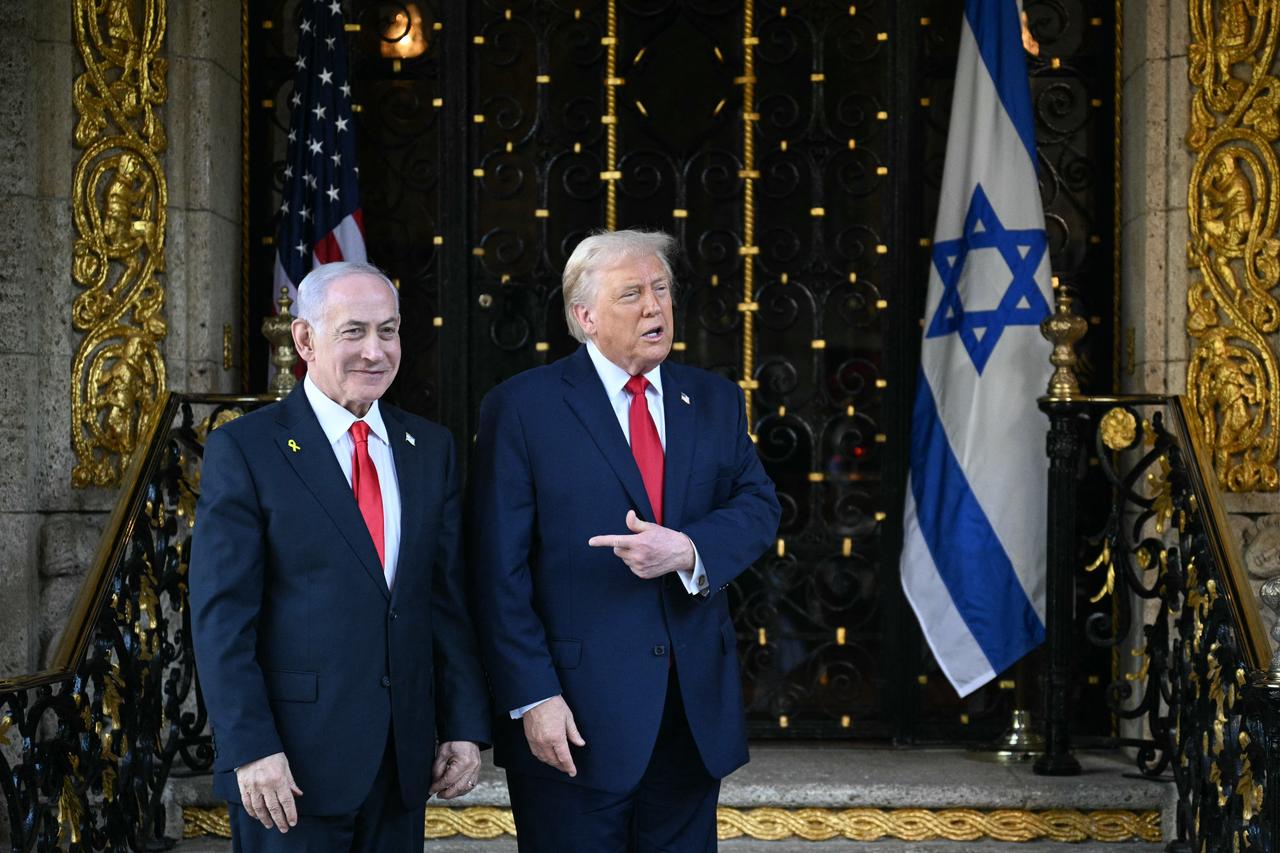
Hamas pledged to hand over its weapons to a new Palestinian governing body, an arrangement that drew skepticism from Israeli Prime Minister Benjamin Netanyahu but that Trump hailed as a breakthrough.
Israeli violations of the ceasefire agreement have killed 1,344 Palestinians and injured 4,481 others as of Sunday, according to the latest figures from Gaza's Health Ministry.
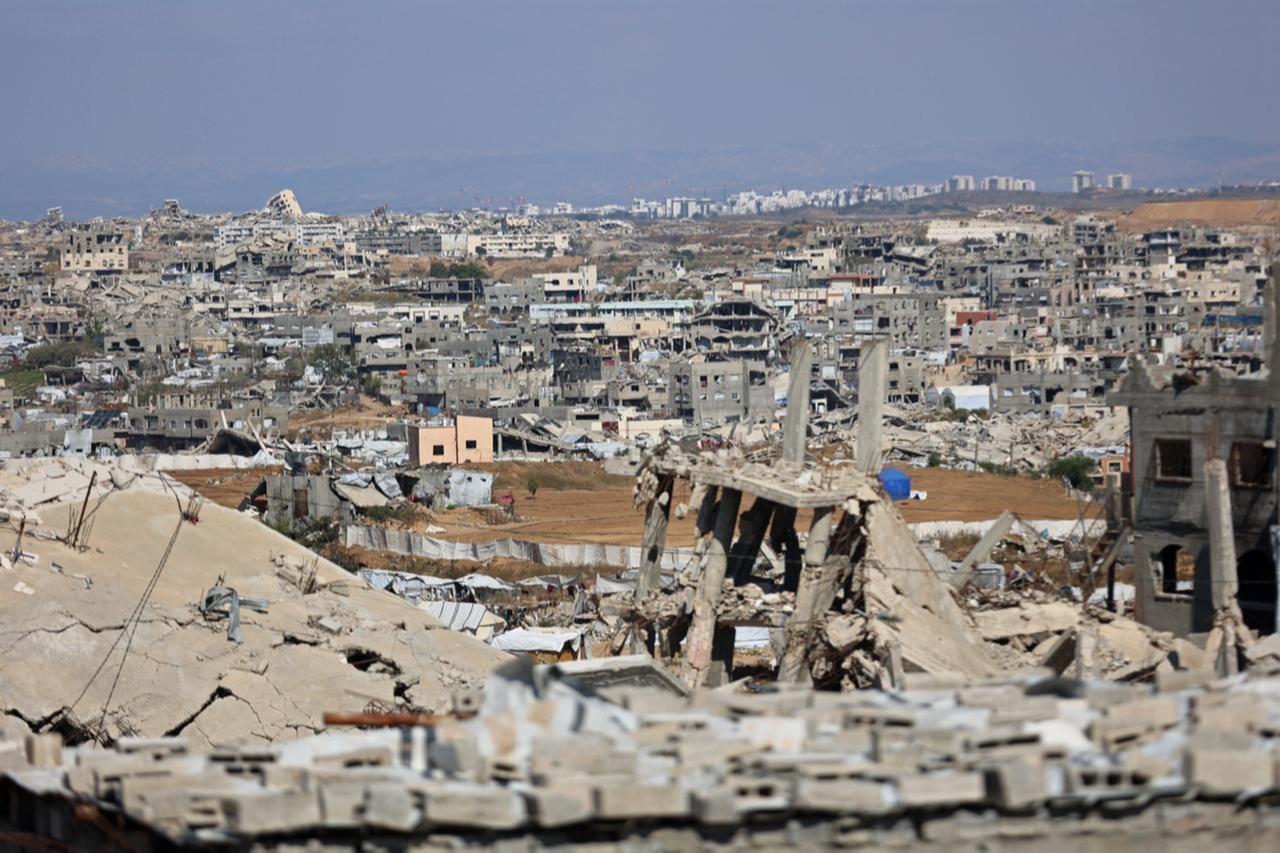
Since Oct. 7, 2023, more than 73,000 Palestinians have been killed and over 174,000 injured in the war, according to Palestinian figures, with the enclave's infrastructure suffering extensive destruction.


 Set as preferred source
 Set as preferred source


 1 min read
 1 min read