Sign in
 Newsletters


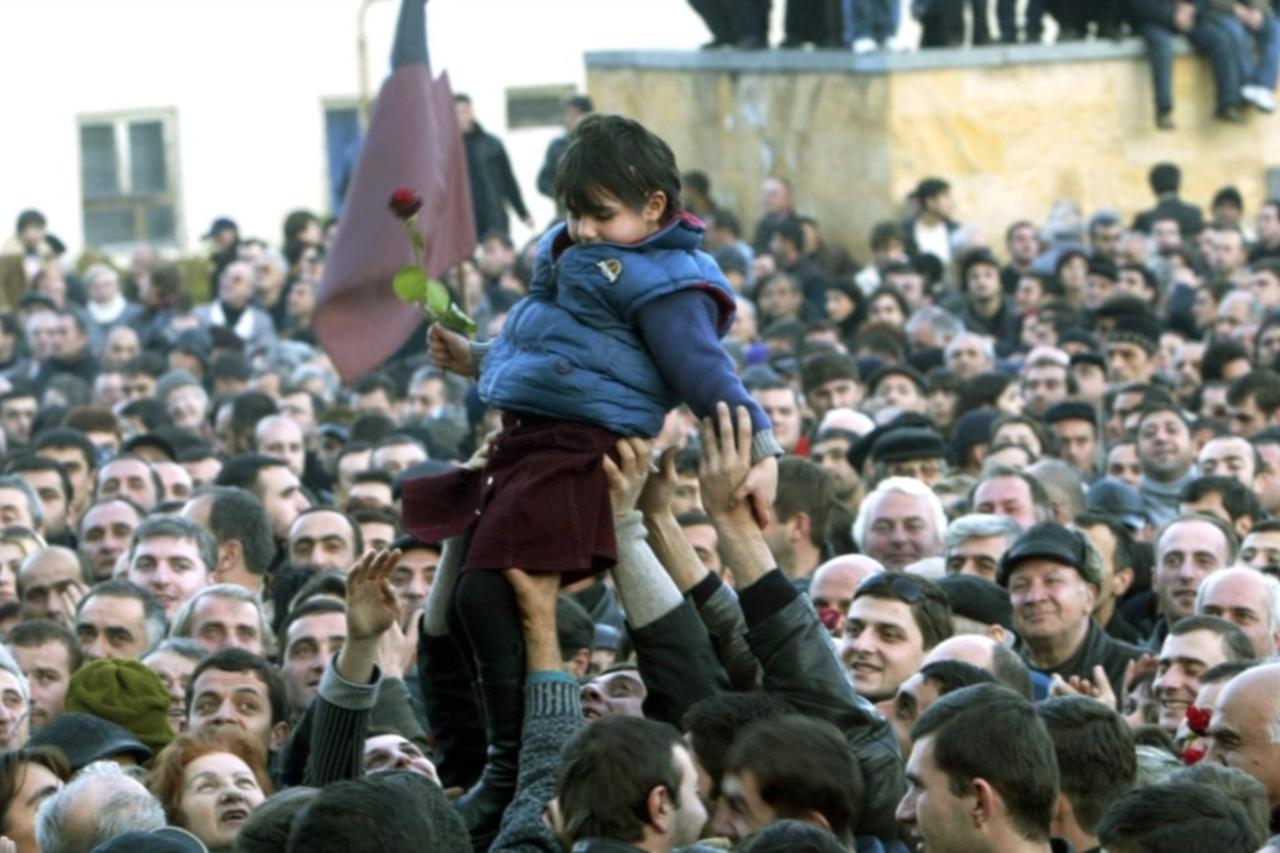


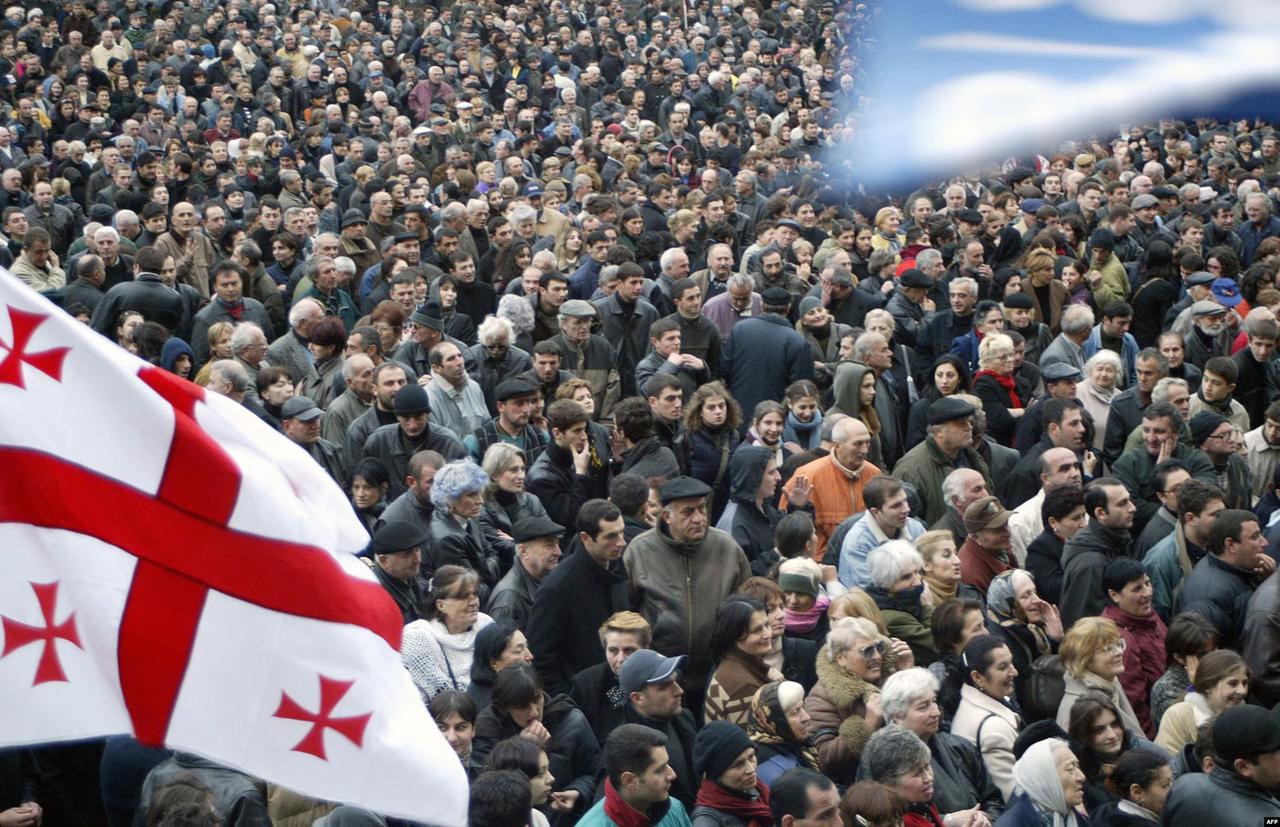
Twenty-three years ago today, Georgians forced President Eduard Shevardnadze to resign without a shot being fired. Now, in the same streets, they are protesting again, and have been for more than two years.
After the collapse of the Soviet Union, Georgia had a roller-coaster relationship with Russia. Historical ties and geographic proximity have kept the two bound to each other.
Georgia, an Orthodox Christian nation of 3.9 million, has for decades looked to the West, seeking membership in the European Union and NATO, a goal Georgian Dream wrote into the constitution in 2017.
On the other hand, Russia does not want any Western presence on its borders, whether a NATO military base or an EU member state, because it views them as a threat to its security. It has opposed Georgia's Western course.

Against this backdrop, the reputation of Eduard Shevardnadze, the former Soviet foreign minister and Georgian leader, was damaged after he accepted Russia’s intervention in the Georgian Civil War in 1993.
Suspecting that Russia was behind several assassination attempts against him, he tried to balance Russia’s influence on politics by bringing pro-Western politicians such as Zurab Zhvania and Revaz Adamia to the fore. But these efforts did not work.
In 2001, Mikheil Saakashvili left the ruling party and started his own movement. Others, such as Zhvania and Nino Burjanadze, also began to break away from 2001 onward.
With new, young leaders at the forefront, public anger over economic and political corruption and poverty slowly grew.
Amid these grievances, Georgians voted in parliamentary elections on Nov. 2, 2003. International observers denounced the vote as unfair, and public fury followed.
The protests continued until Nov. 22, the opening day of the new parliament. While Shevardnadze was speaking, protesters led by future president Saakashvili entered the parliament with roses in their hands and forced Shevardnadze to leave.
One day later, on Nov. 23, he resigned, and after the election held on Jan. 4, 2004, Saakashvili became Georgia's new president.
Saakashvili's government pushed through sweeping reforms and sought closer ties with NATO, but relations with Moscow deteriorated, and in August 2008 a five-day war broke out over South Ossetia. Russia then recognized South Ossetia and Abkhazia, about 20% of Georgia's territory, as independent; Georgia and most of the international community regard both as occupied.
At home, critics accused Saakashvili of authoritarianism, and in 2012 Georgian Dream, founded by billionaire Bidzina Ivanishvili, defeated his party in parliamentary elections. Saakashvili, jailed since returning to Georgia in 2021, is serving a combined 12 1/2-year sentence on charges he calls politically motivated.
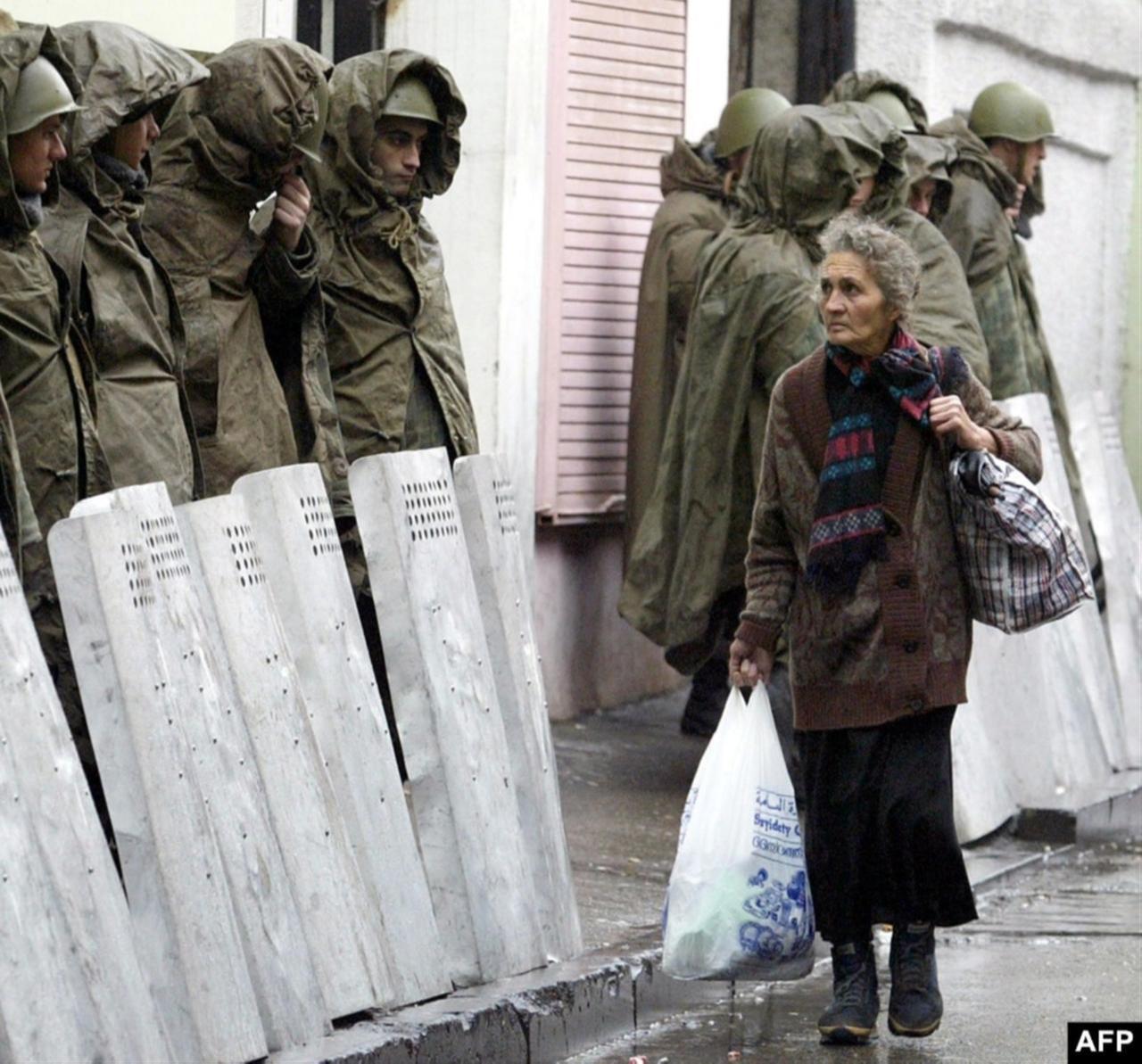
The Rose Revolution has long divided Georgia's political class. When the uprising marked its 20th anniversary in 2023, reactions split along party lines, as Georgian news outlet Civil.ge reported.
Figures from the ruling Georgian Dream party rejected the idea of celebrating. Parliament Speaker Shalva Papuashvili said that by marking the day, the United National Movement (UNM), the party founded by Saakashvili, was honoring a system hostile to people and mocking those who suffered under it. Georgian Dream lawmaker Mikheil Sarjveladze called an elaborate celebration politically immoral and said the UNM owes Georgians an apology.
The opposition presented a very different picture. In a statement, the UNM called the revolution a turning point that transformed civic consciousness, made Georgia's European path irreversible and opened the way for democratic development across the post-Soviet region. Zurab Chiaberashvili of European Georgia, who took part in the revolution, said the country's EU candidate status and its Euro-Atlantic ties rest on the liberal reforms carried out under Saakashvili.
Conservative Party Chair Zviad Dzidziguri, also a participant in 2003, gave a more mixed assessment. He praised early reforms such as overhauling the police and improving tax collection, but warned that Saakashvili's government later drifted away from society as power became concentrated in one party and one person.
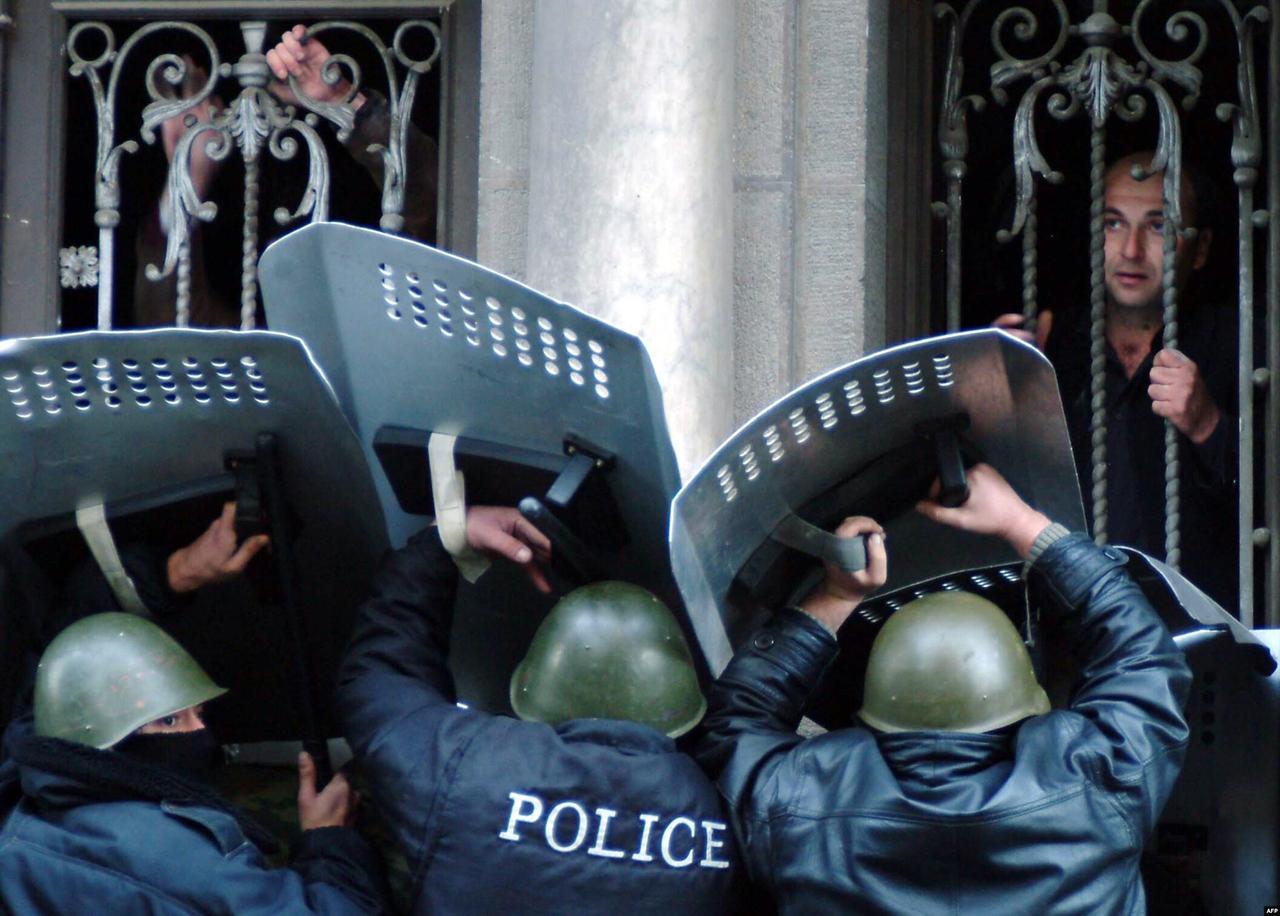
Some see echoes of 2003 in today's protests. A decade after Russian-backed separatist wars in Abkhazia and South Ossetia, distrust of Moscow ran deep, and many protesters hoped for a Western future. Their immediate anger, however, was over a rigged election and corruption.
Today, after more than 700 days of protests, demonstrators demand new elections and a return to the European path, accusing the government of drifting toward Russia, a charge Georgian Dream denies.
The protests erupted on Oct. 28, 2024, after preliminary official results of the Oct. 26 election were announced. Prime Minister Irakli Kobakhidze and his Georgian Dream secured nearly 54% of the vote. However, protesters rejected the outcome, alleging the vote had been rigged with Russian involvement and that the results should not be recognized. Kobakhidze rejected allegations of vote-rigging and violence.
On Nov. 28, 2024, Kobakhidze announced that his government would suspend EU accession talks until 2028 and decline EU budget support. The protests grew, and police responded with tear gas and water cannons. More than 500 protesters were detained within the first two weeks, according to Georgia’s Human Rights Center.
U.N. human rights experts also reported that hundreds of people were injured, with an unusually high proportion suffering serious head and facial injuries.
By early December 2024, more than 230 serving Georgian diplomats had signed an open letter criticizing the decision, while five ambassadors and a deputy foreign minister resigned in protest.
Critics and opposition parties call Georgian Dream pro-Russian, pointing to Ivanishvili, who is among Georgia's wealthiest and most influential figures. Estimates of his personal net worth range from $2.7 billion to around $3.7 billion, still a striking figure alongside Georgia’s roughly $38 billion economy.
His wealth, his behind-the-scenes political influence and his alleged ties to Moscow have drawn criticism. Kobakhidze and Ivanishvili campaigned on the message that closer ties with the West could drag Georgia into a war like Ukraine's.
More than two decades after the Rose Revolution, disputes over fair elections, governance and Georgia's place between Russia and the West remain unresolved.
As the second anniversary of the government's decision to suspend EU accession talks approaches, the legacy of 2003 has become less a shared memory than a litmus test that exposes the country's divisions.


 Set as preferred source
 Set as preferred source


 3 min read