Newsletters


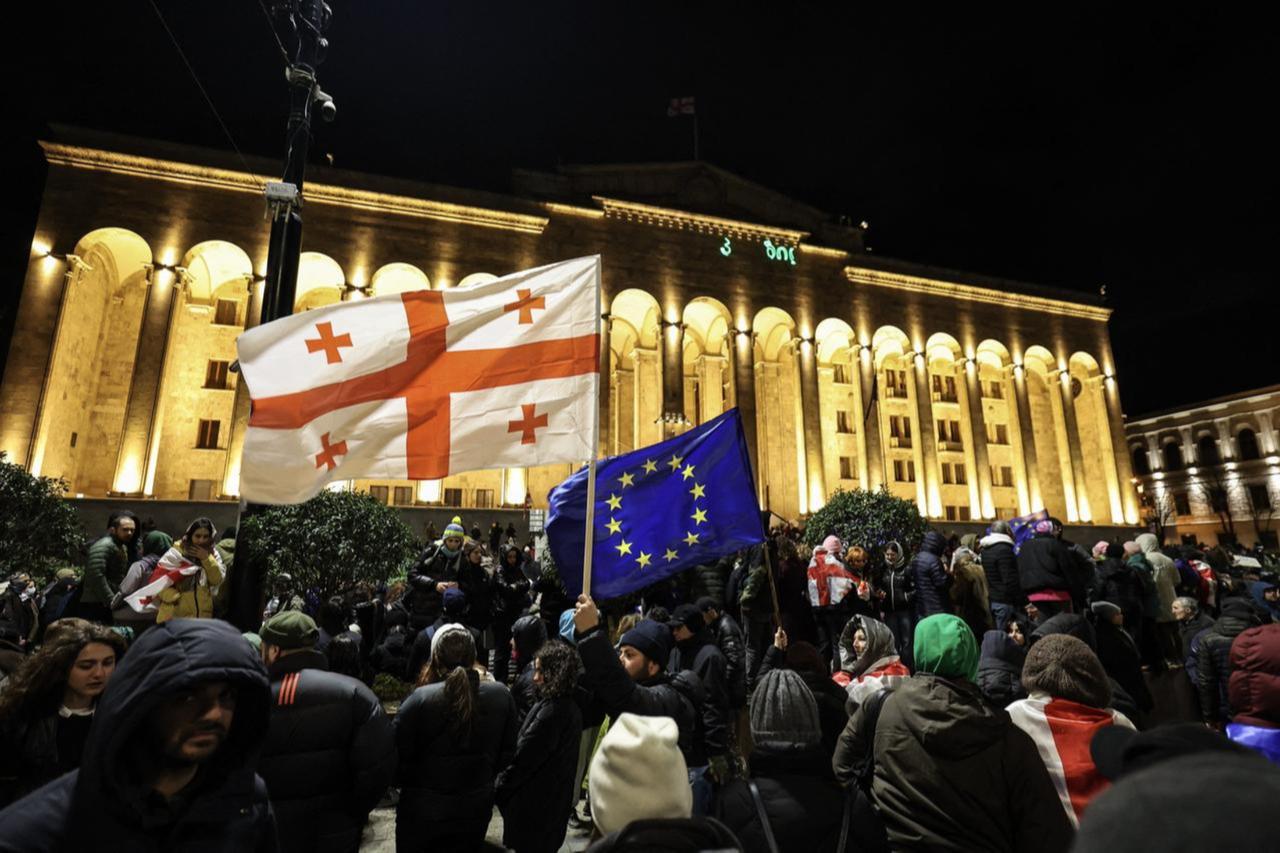


Georgian officials announced Monday they have launched a criminal investigation into a BBC report claiming authorities deployed a World War One-era chemical agent against anti-government demonstrators last year, marking a new flashpoint in the country's yearlong political crisis.
The state security service said it would examine the evidence basis for the BBC investigation, which the British broadcaster published Monday alleging Georgian authorities used a chemical weapon from the early 20th century to suppress protests. The probe will assess both the credibility of the BBC's sources and determine whether crimes were committed either against protesters or against Georgia's national interests through the publication of the allegations.
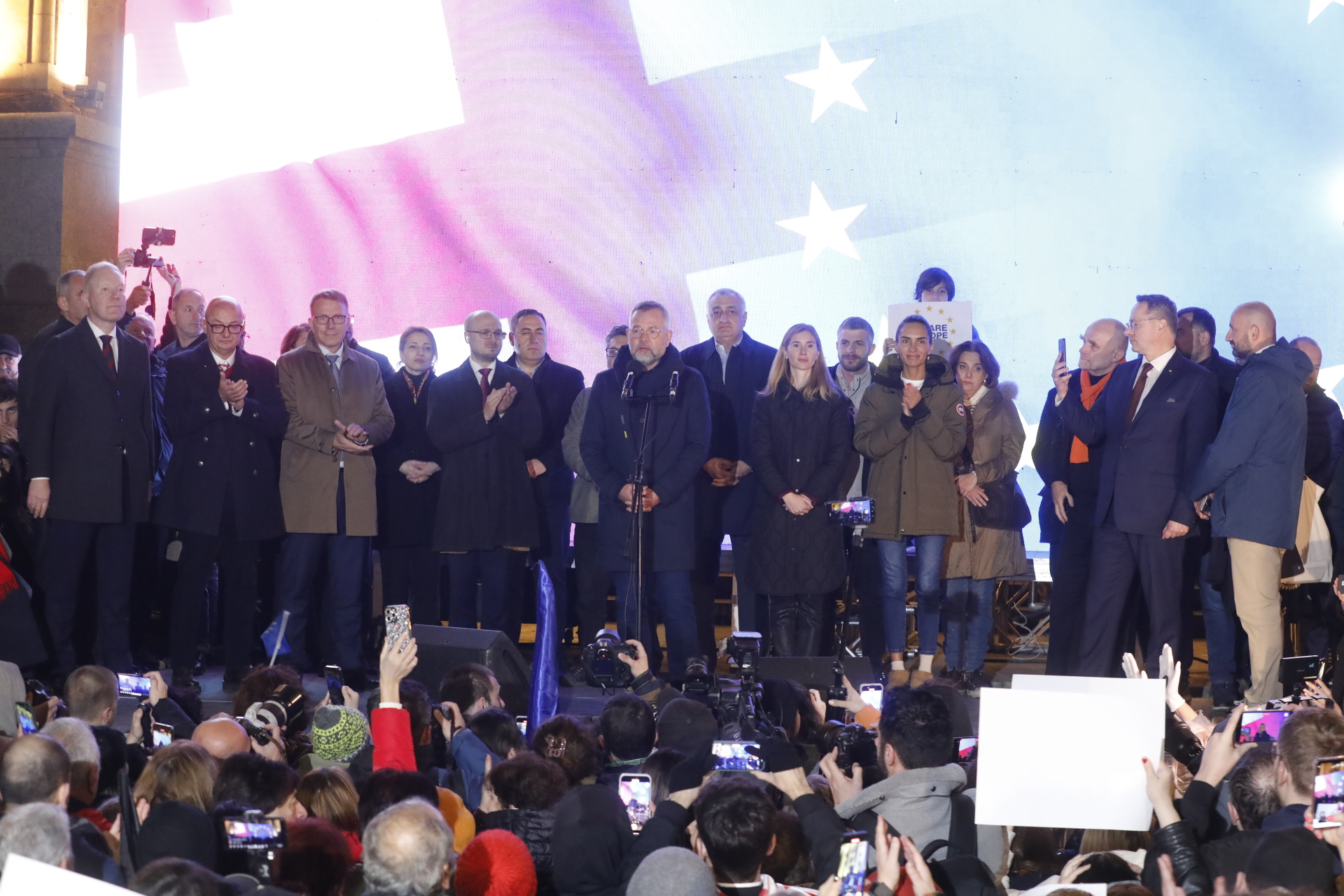
The investigation underscores mounting tensions in the Black Sea nation, where mass demonstrations have continued for 12 months following disputed parliamentary elections and the government's controversial decision to postpone European Union membership negotiations.

Georgia's state security service framed its investigation as examining potential criminal activity on two fronts. Officials said the BBC report contains evidence suggesting crimes "directed against the life and health of citizens" that would fundamentally violate public welfare if confirmed.
However, the agency simultaneously indicated it would investigate whether the publication itself constitutes a crime of "the opposite nature" by seriously harming Georgia's national interests and international reputation. The security service said it would scrutinize the information the BBC relied upon, including interviews and testimonies cited in the report, to evaluate how relevant and credible the material may be.
The BBC has not immediately responded to requests for comment on the Georgian investigation.
The demonstrations erupted following parliamentary elections last year that opposition parties denounced as rigged in favor of the ruling Georgian Dream party. Opposition groups rejected the results entirely, refusing to recognize the legitimacy of the vote outcome.
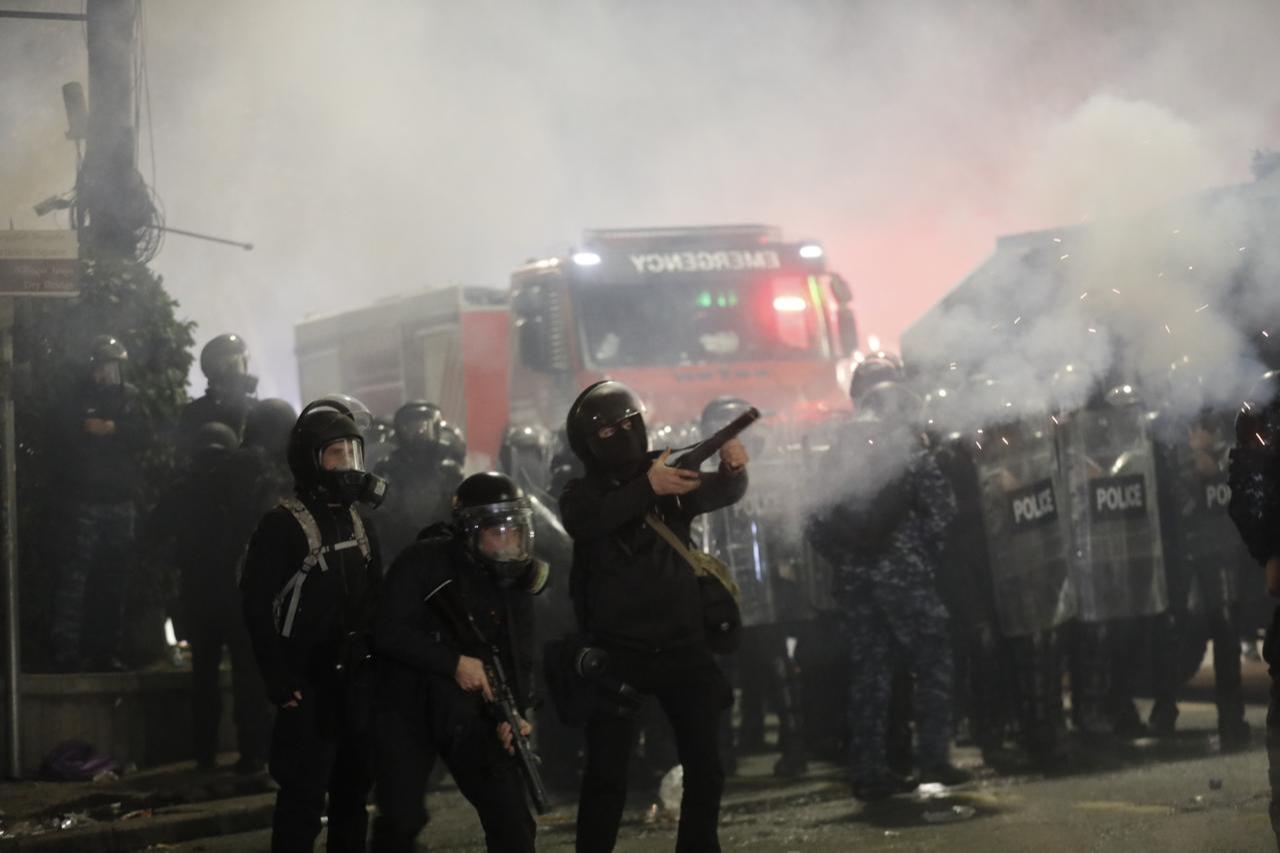
The political crisis deepened when the government announced it would not pursue opening EU membership talks with Brussels until 2028, a decision that triggered widespread protests that continue to the present day. During the initial phase of demonstrations, police deployed water cannons and tear gas to disperse crowds.
Georgia's rights ombudsman and Amnesty International have documented what they characterize as severe police misconduct during the protests. Both organizations stated that police mistreatment of detained protesters amounted to torture, allegations the government has not substantively addressed in public statements.
The governing Georgian Dream party has consistently rejected accumulating domestic and international accusations of democratic backsliding and adopting a pro-Russian orientation. The party maintains it is protecting Georgian sovereignty and pursuing an independent foreign policy path, despite criticism from Western governments and civil society organizations.
The dispute over the election and the EU membership timeline has effectively paralyzed Georgian politics for a year, with no clear resolution in sight as protesters continue demanding new elections and a return to the country's previous trajectory toward European integration.


 Set as preferred source
 Set as preferred source


 2 min read
 1 min read