Newsletters


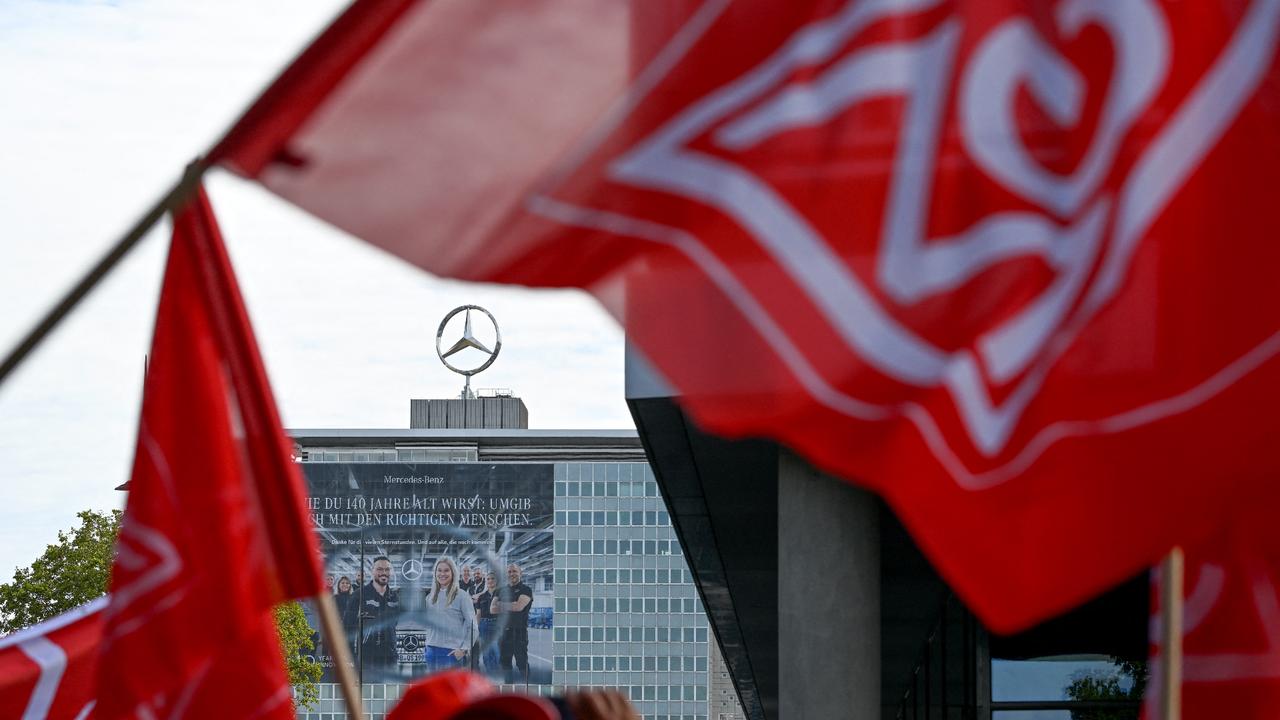
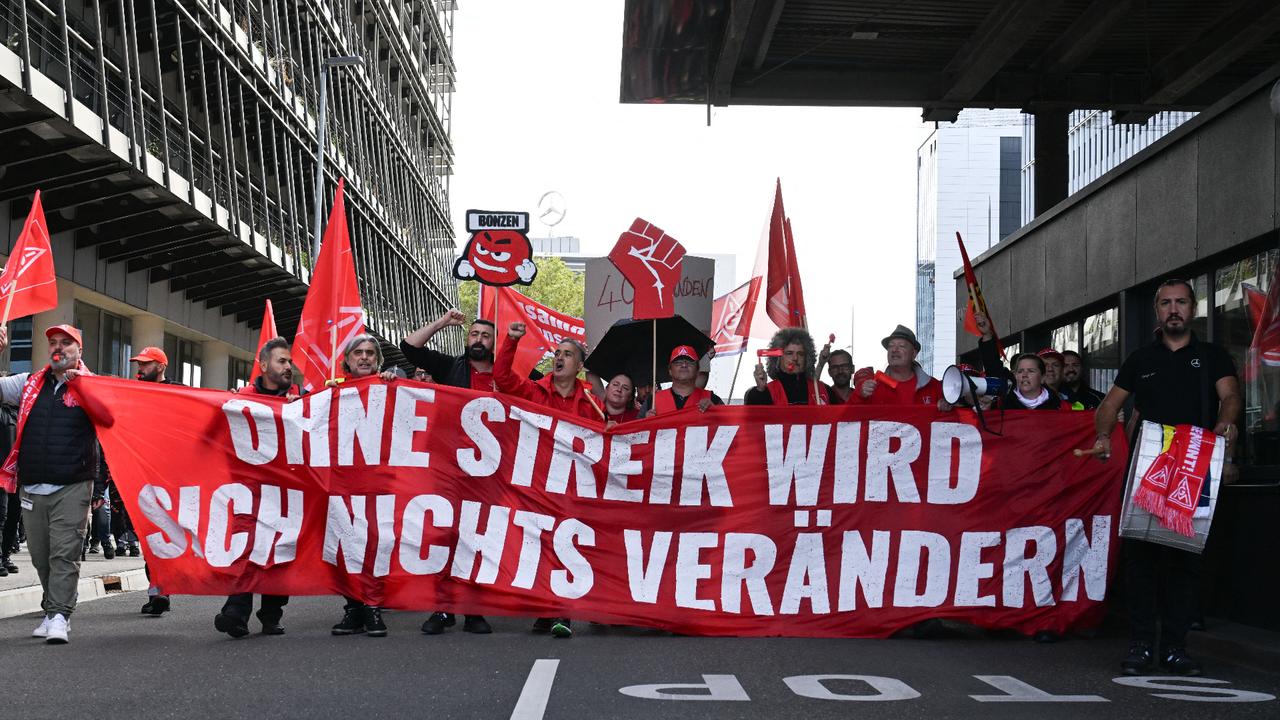
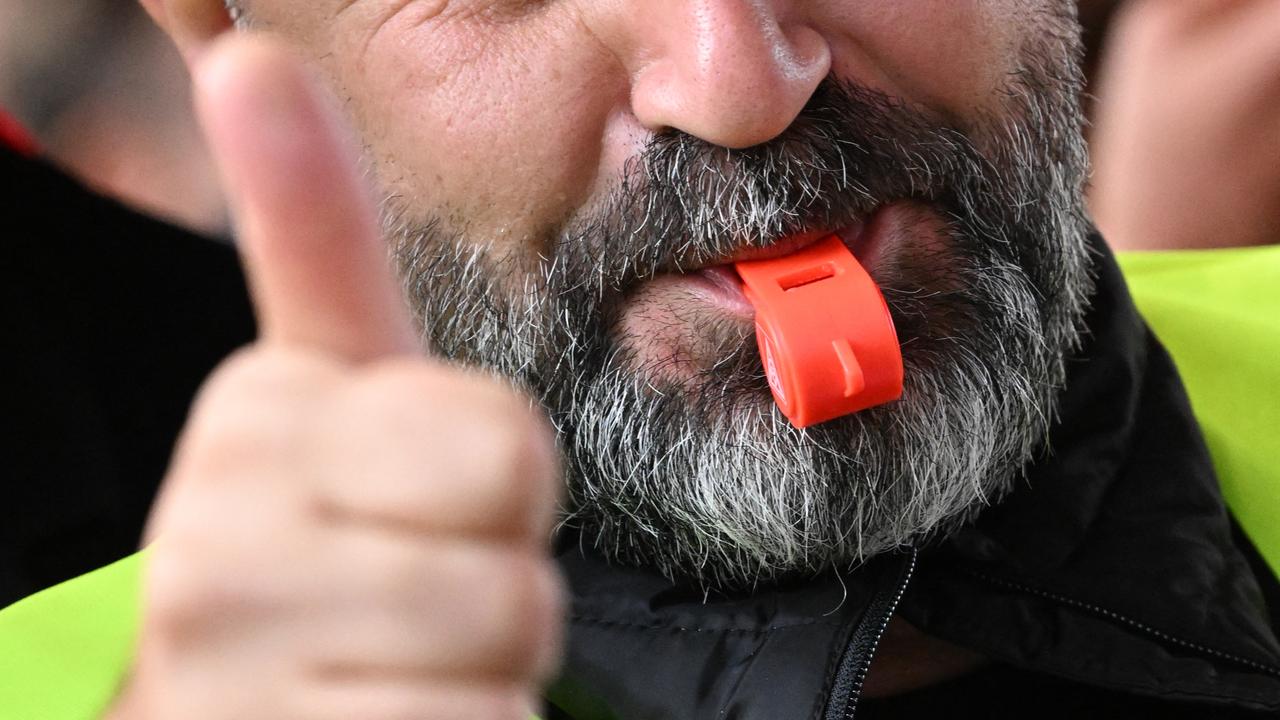
Workers in Germany's auto industry staged nationwide protests Monday, demanding government and management action to protect jobs and factories as the car industry reaches a breaking point.
Tens of thousands were expected to join the protests, which the IG Metall union said would take place at over 280 sites across Germany.
Rising Chinese competition, combined with weak domestic demand and U.S. tariffs, has thrown the German car industry into crisis.
Volkswagen plans to cut 100,000 jobs by the end of the decade, the largest restructuring in global automotive history. Mercedes-Benz and BMW are also downsizing.
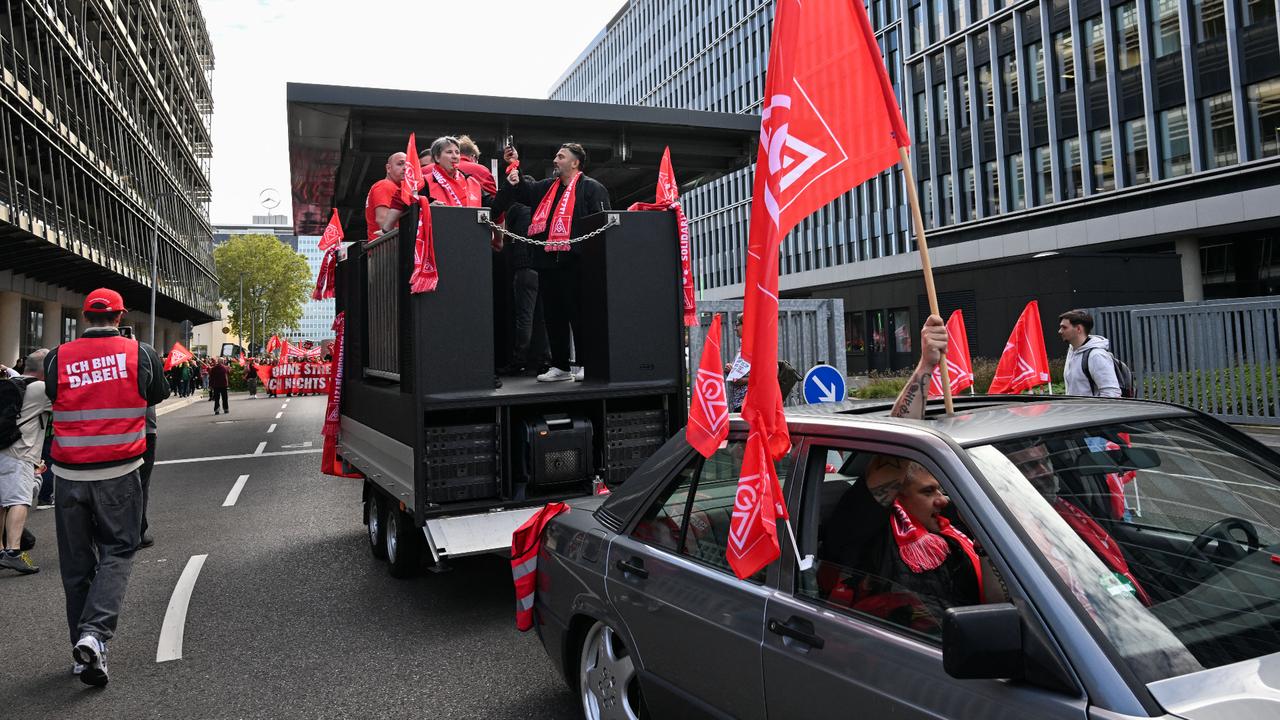
Speaking at VW's iconic Wolfsburg plant, the largest in the world by floor area, IG Metall leader and VW supervisory board member Christiane Benner said: "Things have really hit the fan."
"Companies like VW, BMW, Audi, Bosch, Mercedes and Porsche were synonymous with fantastic cars and high quality," she said. "Now, management is driving the industry at full throttle into a brick wall."
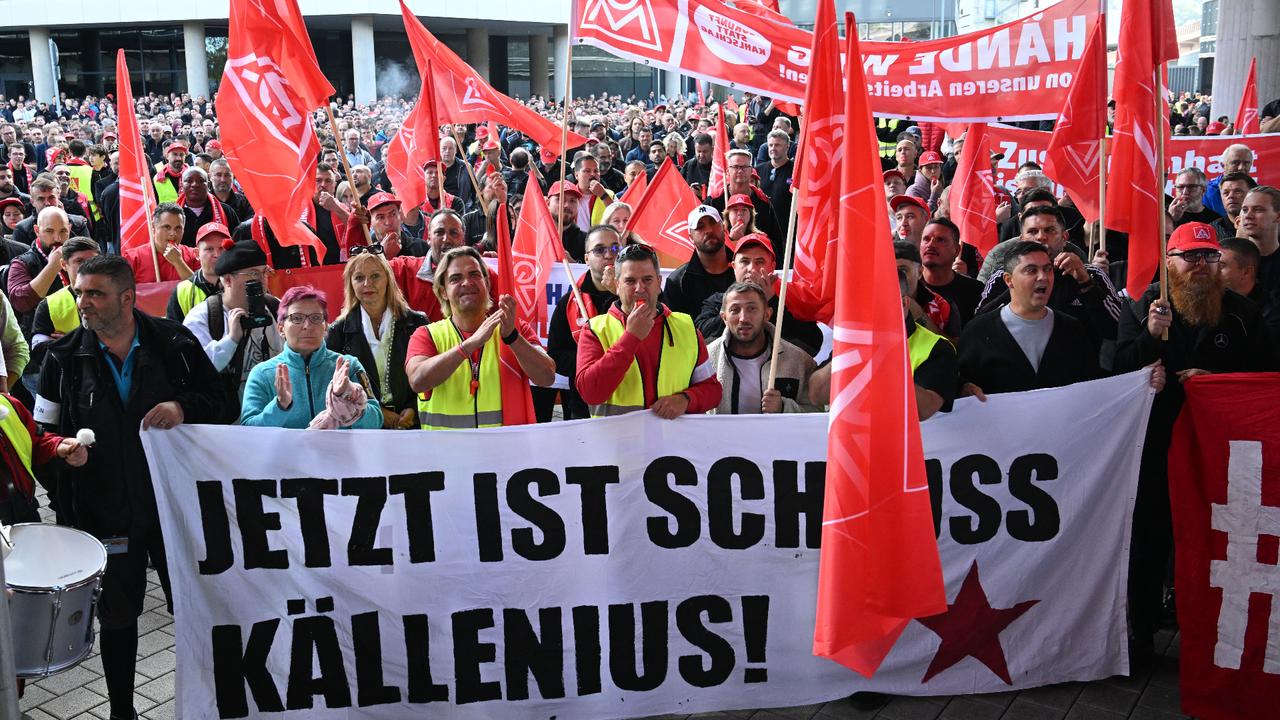
Many blame management for delaying the shift to electric vehicles and moving too slowly on software investment.
Others point to Chinese government support for domestic carmakers, which many in Europe say has unfairly led to overcapacity worldwide.
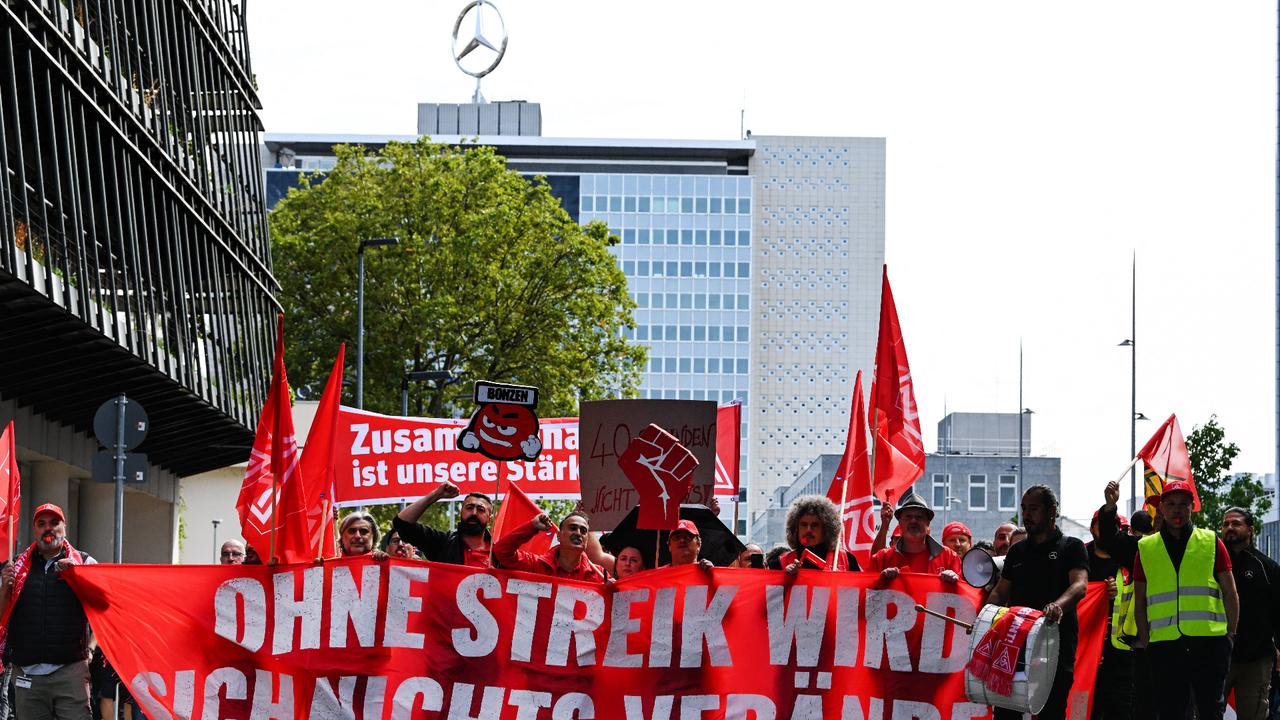
Benner called on the government to lower energy costs, provide financial support for suppliers needing to retool and boost domestic production with "Made in EU" rules.
"Colleagues in these tumultous times need to be able to count on the protection of comprehensive welfare and industrial policy," she said.
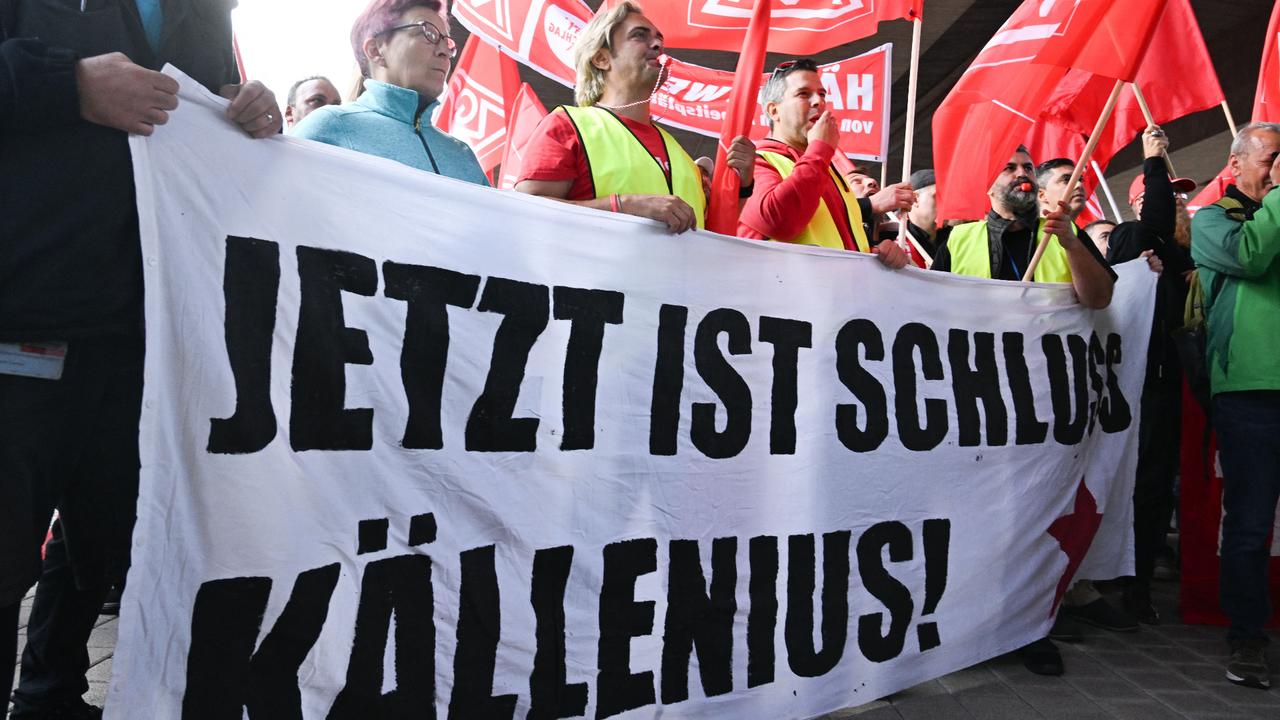
Daniela Cavallo, head of VW's works council, followed with a blunter message.
"Europe's automotive industry will be remade," she said. "Long-established carmakers will fall by the wayside. Others will have to merge."
"The question is not what we as employees will be asked to take, but rather how we collectively can distribute sacrifices fairly amongst ourselves," she added.
Wolfgang Schroeder, a political scientist at the University of Kassel who studies labour relations, told Agence France-Presse (AFP) that the protests reflected "real fear over the future of the industry".
"A nationwide action that is not related to pay negotiations or to specific disputes with companies but to a whole sector and its problems, that's rather new," he said.


 Set as preferred source

 1 min read