Newsletters


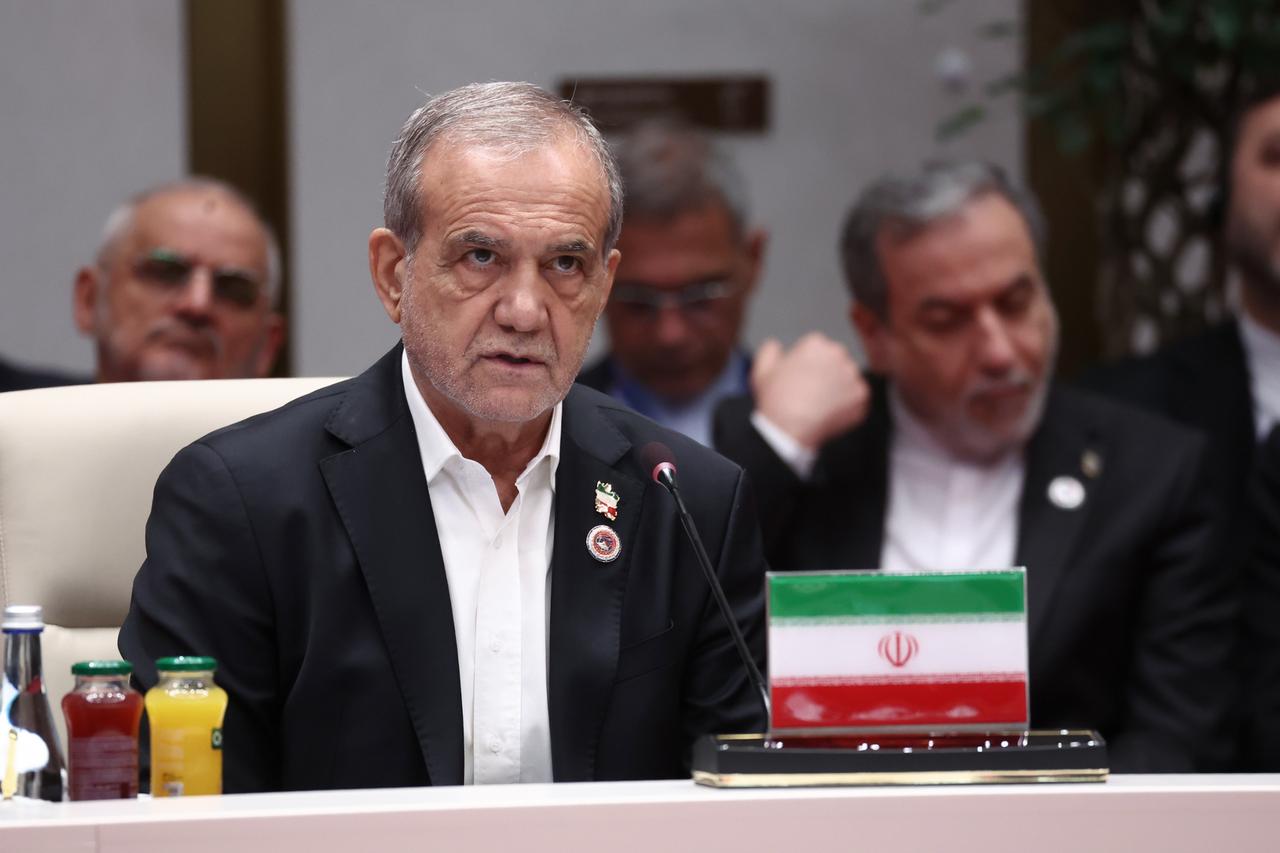


The United States has refused to issue visas to members of Iranian President Masoud Pezeshkian’s delegation, including his communications team, for this week’s trip to the U.N. General Assembly, Iranian state media reported Monday.
Pezeshkian will be the highest-ranking Iranian official to enter the United States since the Middle East war began with U.S.-Israeli strikes on Iran in February.
“In an unprecedented hostile move by the U.S. government, Trump has denied U.S. visas to certain members of the president’s high-level delegation, including members of his communications team,” state news agency IRNA reported.
The semi-official Mehr News Agency also reported that Pezeshkian’s press team had not been granted visas, citing Habibullah Abbasi, director general of public relations at the Iranian Presidency Office.
Abbasi said the Iranian president would travel to New York on Tuesday morning to attend the 81st session of the U.N. General Assembly.
He said Pezeshkian’s press team had been denied U.S. visas, but developments regarding bilateral meetings would still be shared with the public.
Mehr reported that Pezeshkian is expected to address the U.N. General Assembly on Wednesday.

The U.S. has authorized the Iranian delegation to travel for the General Assembly but will impose restrictions similar to those put in place last year.
Iran’s delegation will not be allowed to purchase luxury goods or other items, the State Department said Thursday.
Abbasi said Pezeshkian’s U.S. visit would last five days, though two of those days would be spent traveling.
He said the president would be accompanied by Presidency Office Chief Mohsen Haji Mirzaei and Seyyed Abbas Mousavi, deputy director for ceremonies and protocol affairs at the Presidency Office.
Abbasi added that Pezeshkian would meet officials from several countries during the visit.
Iranian Foreign Minister Abbas Araghchi, who is part of the delegation to the U.N., left Iran on Sunday evening for a stopover in Qatar.
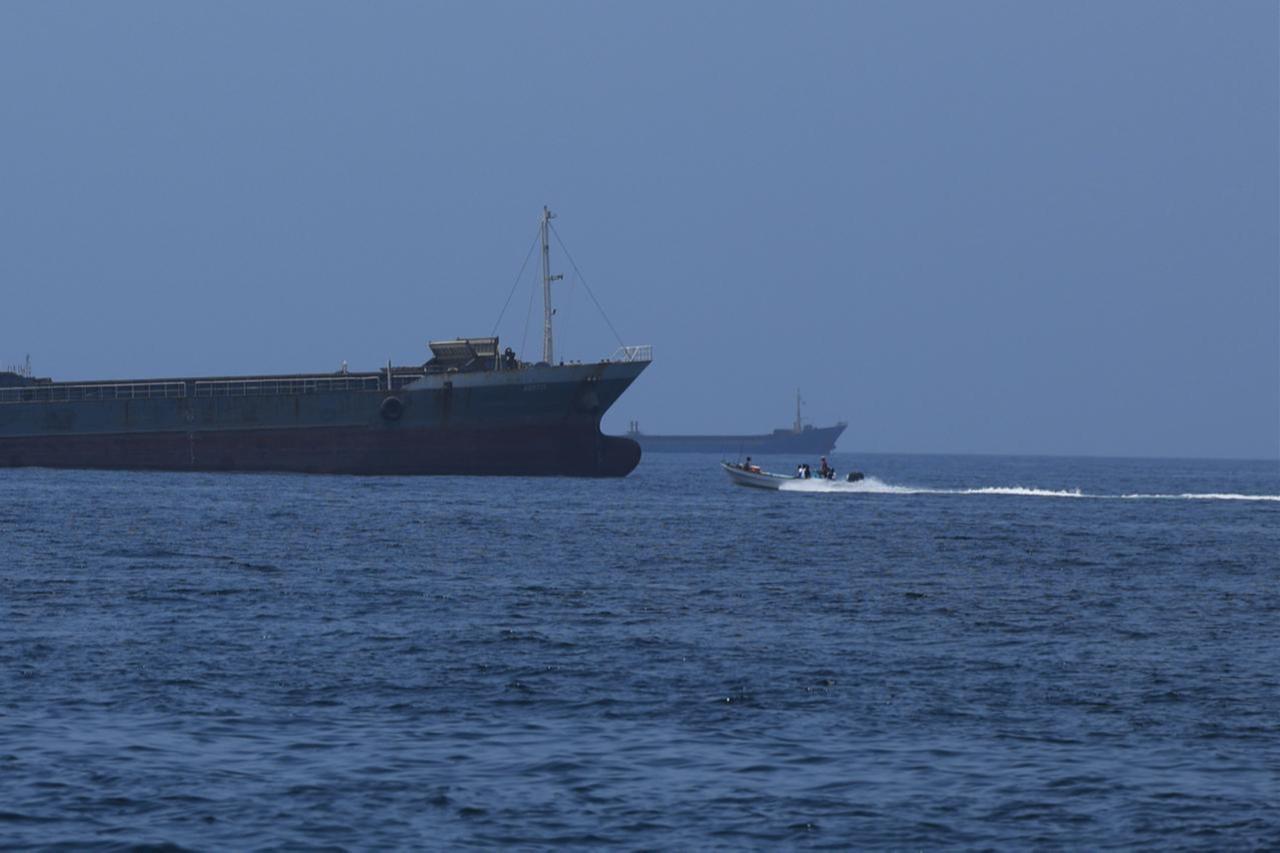
Iran says it has conveyed to the U.S., through Qatar as mediator, conditions for reopening the strategic Strait of Hormuz oil and gas shipping route, which it has restricted since the war began.
The United States, in turn, is imposing a counterblockade on Iranian ports.


 Set as preferred source
 Set as preferred source


 1 min read
 1 min read