Newsletters


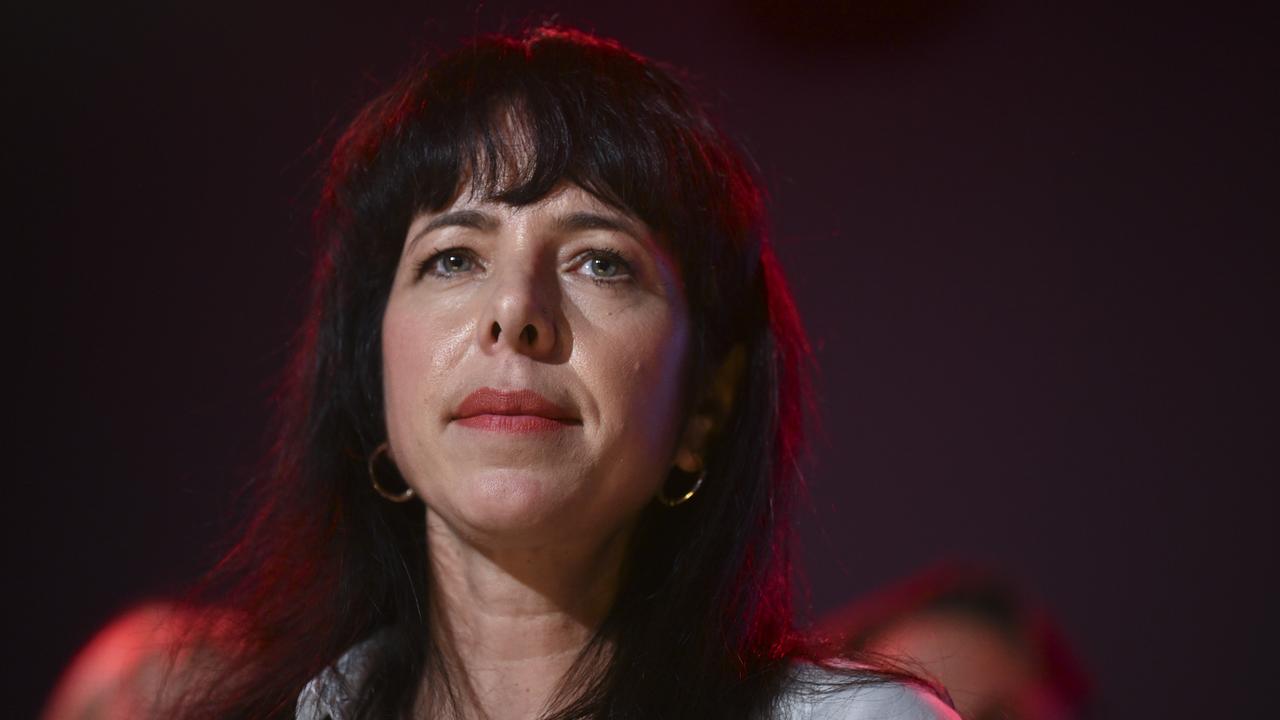
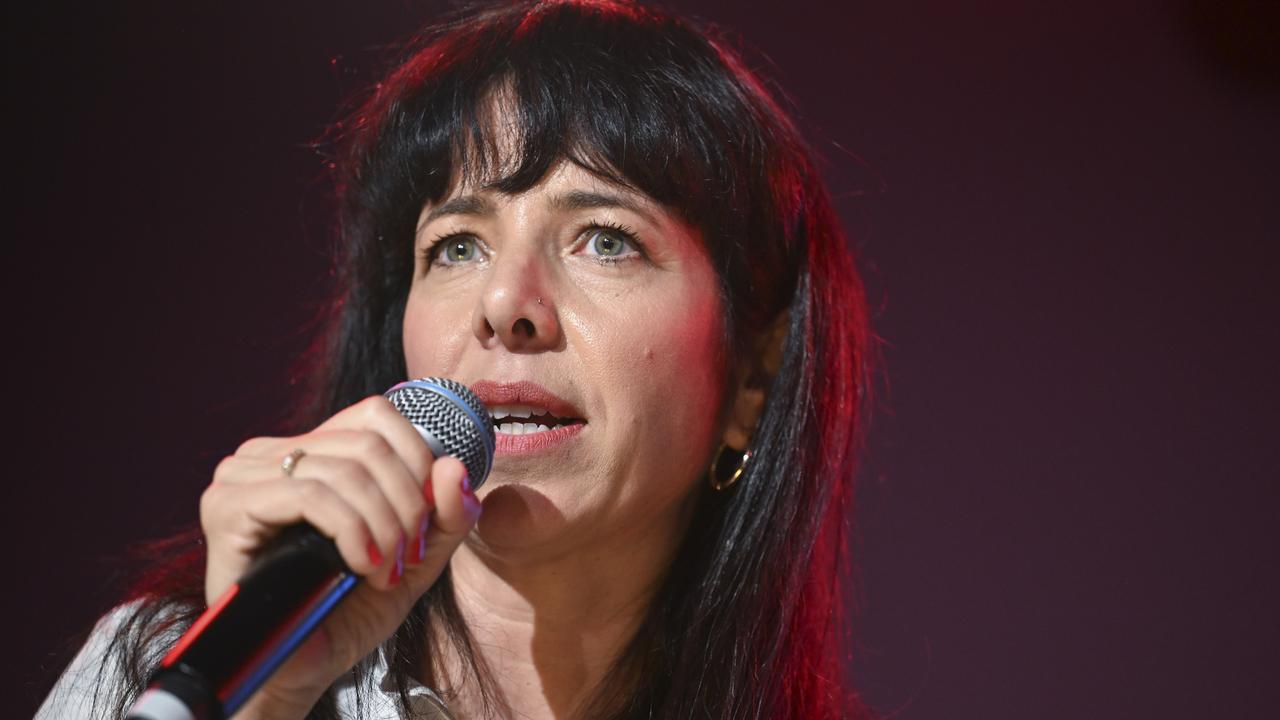
Germany’s socialist Left Party appeared headed for a historic first-place finish in Berlin’s state election Sunday, with lead candidate Elif Eralp celebrating a result that could make her the capital’s first governing mayor from a migrant background.

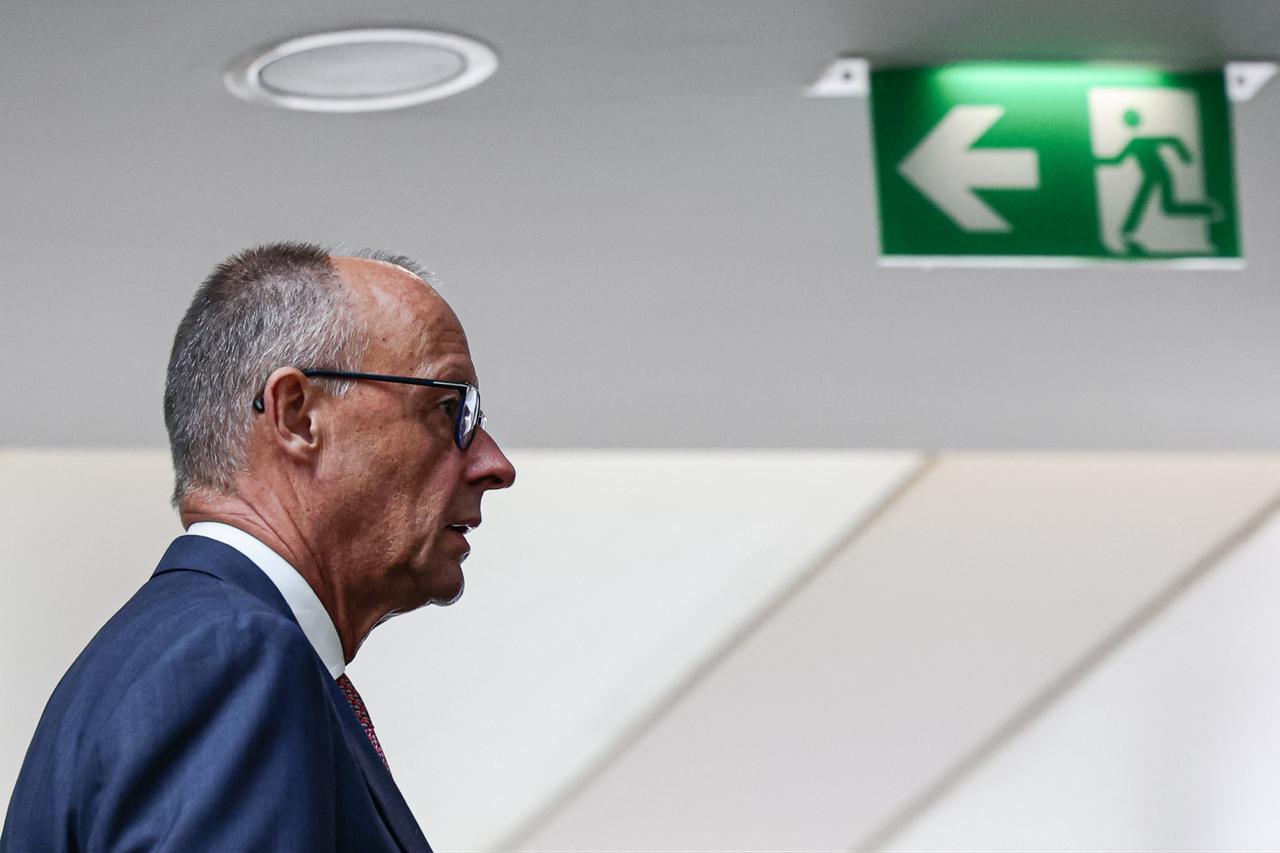
German public broadcaster ARD’s latest projection showed the party at 25.6%, more than double its 12.2% result from the 2023 election, nearly seven points ahead of Chancellor Friedrich Merz’s conservative Christian Democratic Union (CDU) party at 18.9%.
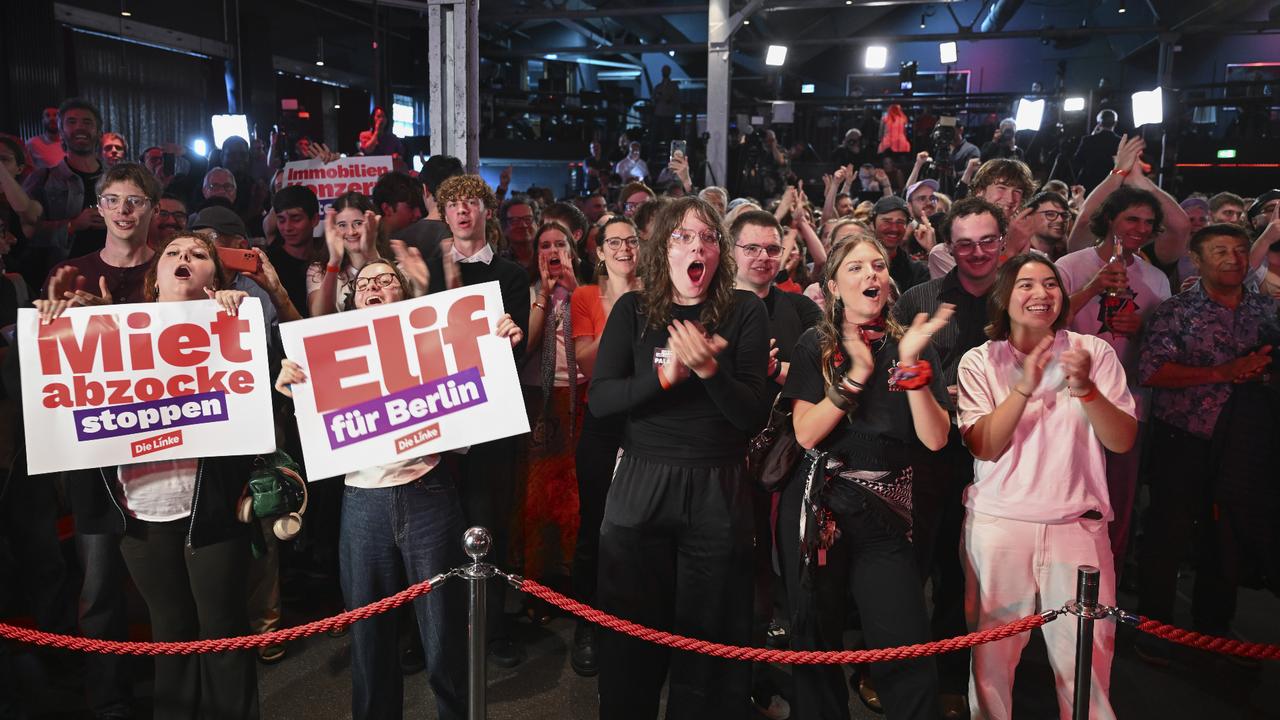
The anti-immigrant Alternative for Germany (AfD) trailed at 16.1%, followed by the environmentalist Greens at 14.3% and the center-left Social Democrats (SPD) at 12.1%, according to a projection at 11.02 p.m. local time.
The left-populist Sahra Wagenknecht Alliance (BSW) stood at 4.7%, failing to reach the 5% threshold to enter the Berlin state parliament.
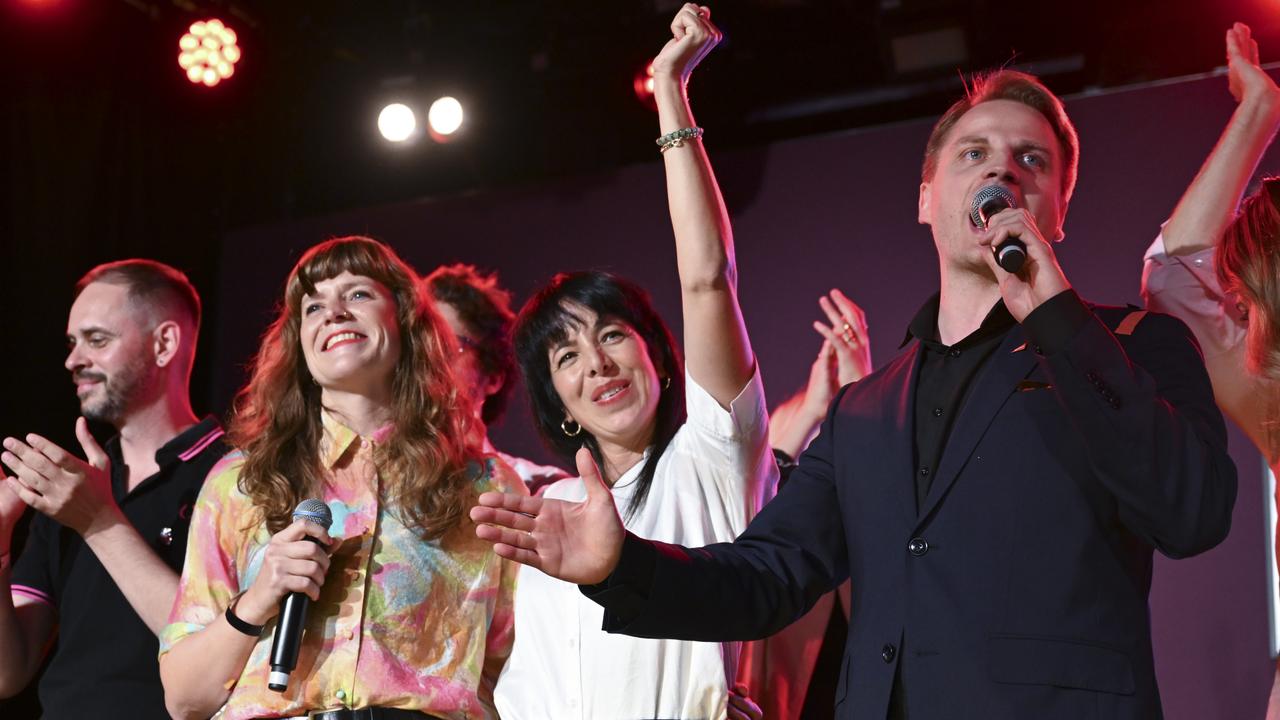
“Dear Berliners, thank you — thank you for your trust,” Eralp told supporters in a jubilant Sunday night speech.
“Together, we have made history today,” she said, adding that voters had handed the Left Party a mandate to form a new government.
“I stand for a social policy—a policy that brings everyone along. And the priority now is making Berlin affordable,” she said.

Eralp, a 45-year-old human rights advocate of Turkish origin, had already led pre-election polls.
Still, the early figures caught many off guard, landing several points above the strongest survey readings.
The Left Party's lead alone wasn't enough for a governing majority, leaving it to seek at least two coalition partners. A three-way alliance with the SPD and the Greens looked most likely, projected to control about 95 of 159 seats — well above the 80-seat threshold.

Should that fail, the CDU could pursue the same pairing, delivering a narrower majority of roughly 83 seats. With the BSW projected to miss the 5% cutoff, the seat count had already tilted toward parties guaranteed entry into parliament.


 Set as preferred source

 3 min read