Newsletters


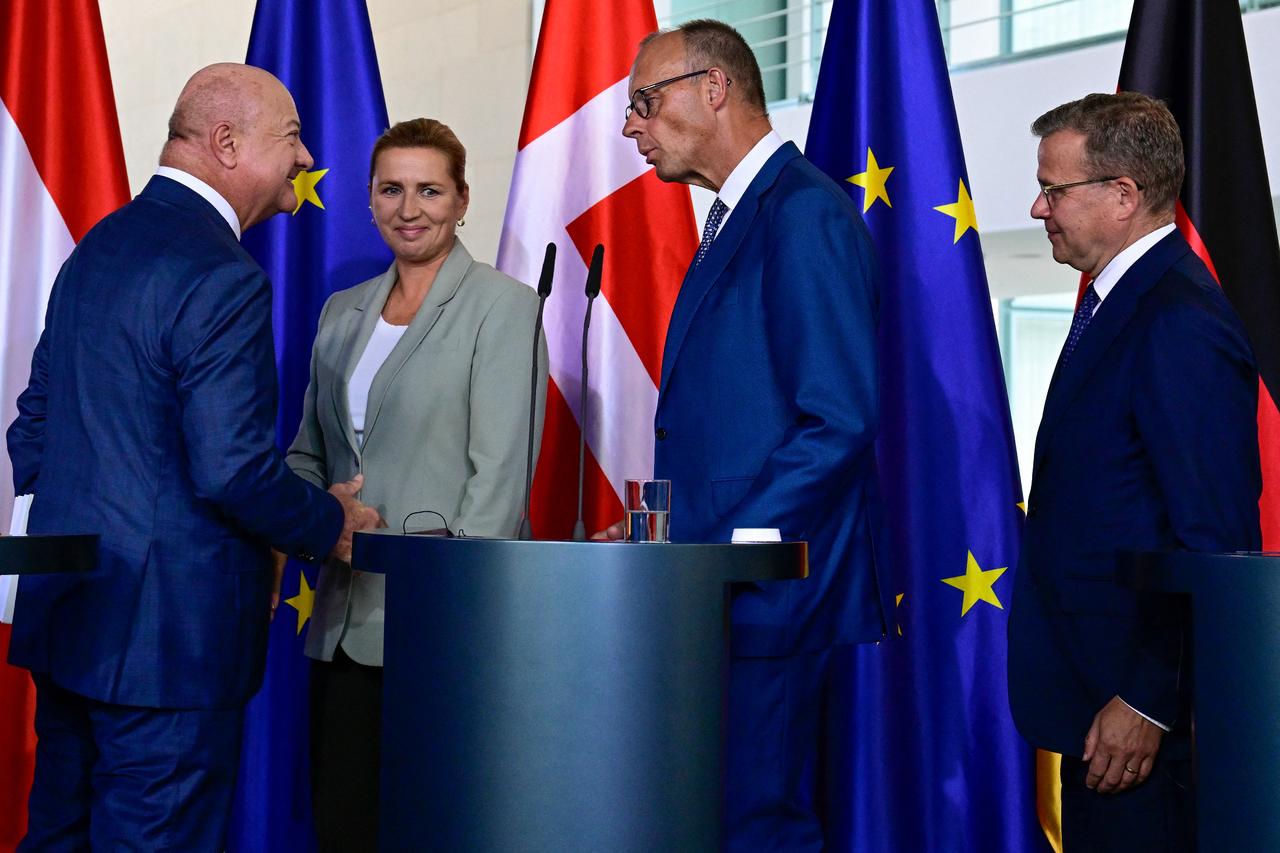


Germany and five other so-called “frugal” European Union members said Thursday that the European Commission’s nearly €2 trillion ($2.3 trillion) budget proposal must be cut by “several hundred billion” euros.
German Chancellor Friedrich Merz welcomed the leaders of Austria, Denmark and Finland to Berlin for talks, while their Dutch and Swedish counterparts joined by video link.
The meeting comes as the 27-member EU prepares for tough negotiations over a joint budget covering the seven years from 2028 to 2034.
Merz has long demanded that the European Commission slash its record budget proposal by hundreds of billions of euros, calling the plan “unaffordable.”
In a joint statement Thursday, the six leaders said: “The Commission’s proposal of nearly two trillion euros needs to be reduced by several hundred billion euros in a balanced manner.”
“We are not stingy,” Merz said at a news conference. “But the kind of allocations proposed by the Commission simply do not fit the times we live in.”
He said the six countries represented in the talks “finance around 40% of the European budget.”
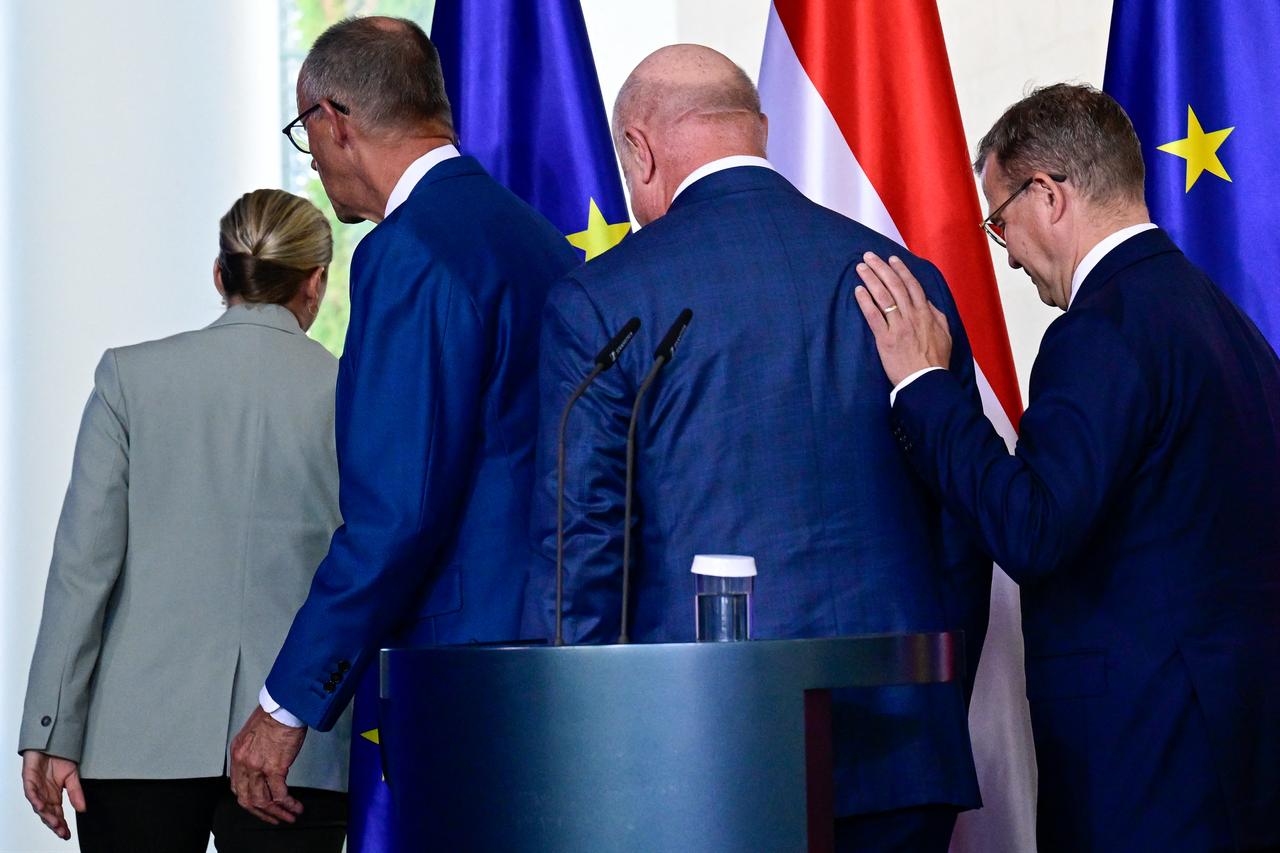

The EU’s “frugal” members traditionally demand tighter spending discipline, putting them at odds with countries such as Italy, Spain and Poland, which support a larger budget.
The group also wants greater spending focus on defense, as NATO faces a hostile Russia, and on boosting European competitiveness against the United States and China in key industries and technologies.
European Council President Antonio Costa began a tour of EU capitals this week in an effort to find a compromise on the budget ahead of a December deadline.
The EU wants a budget agreed before 2027, when elections in several member states, including France, could complicate any broader deal.
Budget negotiations are expected to begin in earnest at a Brussels summit in October, followed by a likely second meeting in November.
Leaders are then expected to seek a final agreement in December.
Merz had already called on the EU executive to reduce its initial budget plan during a visit to Dublin late last month with Micheal Martin, prime minister of Ireland, which holds the current EU presidency.
“We cannot afford exorbitant increases in spending” at a time when national budgets are being consolidated, Merz said then.
He also said in Dublin that it was “unacceptable” to add 2,500 new jobs at EU institutions and called for a “thoroughgoing reduction in bureaucracy.”


 Set as preferred source
 Set as preferred source


 1 min read


 1 min read