Newsletters


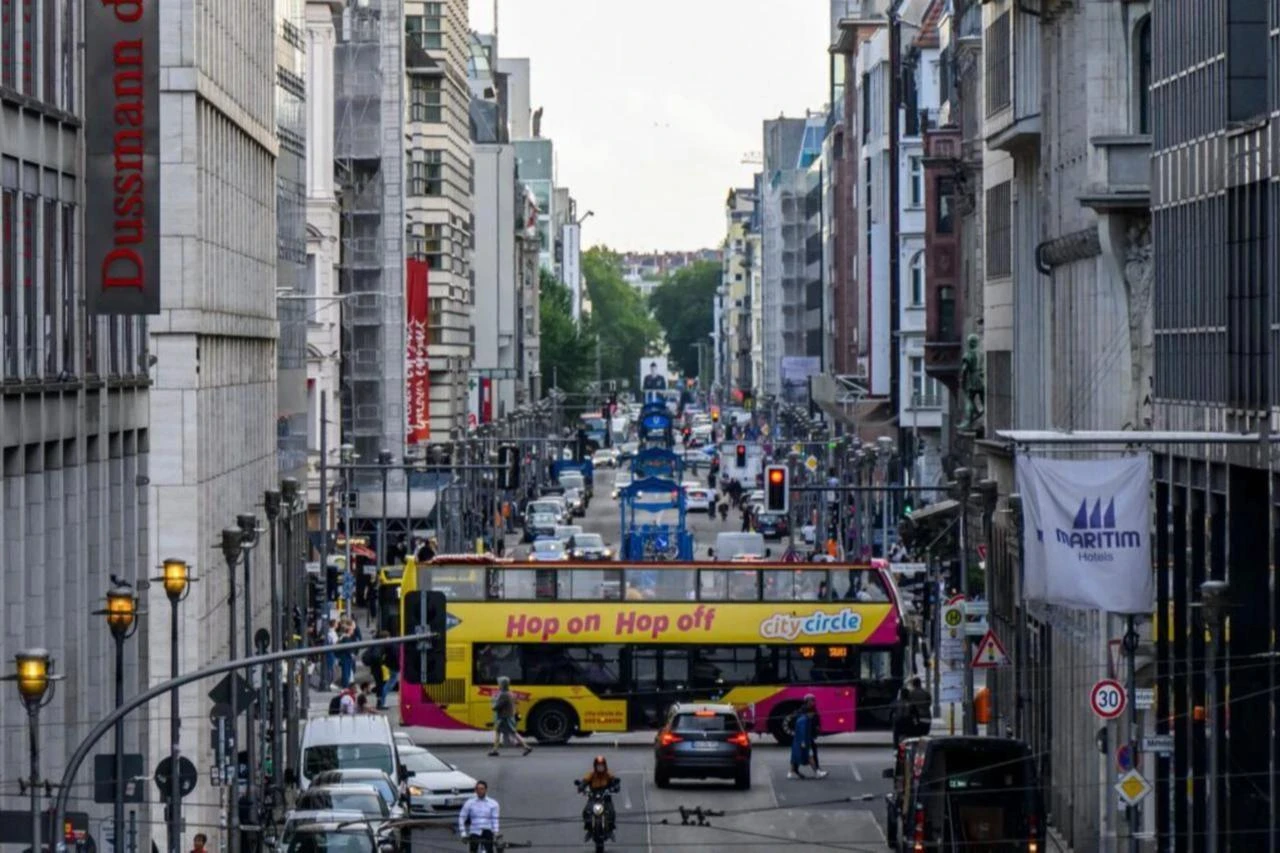


Nearly four in five Germans, 79%, now name the state of the economy as one of the country's biggest problems, according to a new survey by the Forsa polling institute, underscoring mounting public anxiety over economic conditions fifteen months into Chancellor Friedrich Merz's government.
The figure places the economy far ahead of any other issue tested in the poll, including migration, climate change and security concerns stemming from wars abroad. The survey also revealed a striking disconnect between the public and the political establishment: 84% of respondents said they believe political parties are failing to address people's real problems.
Discontent with politicians and political parties themselves emerged as the second-most pressing concern, cited by half of those surveyed. Concerns about the social security system followed closely, named by 42% of respondents as a major problem.
By contrast, other issues that have dominated German political debate in recent years registered far lower levels of public concern. Only 17% of respondents listed immigration as a major issue, while 14% cited fears over the rise of right-wing extremism. Problems in the education system were named by 11%, and climate change and risks tied to global conflicts each registered at 10%.
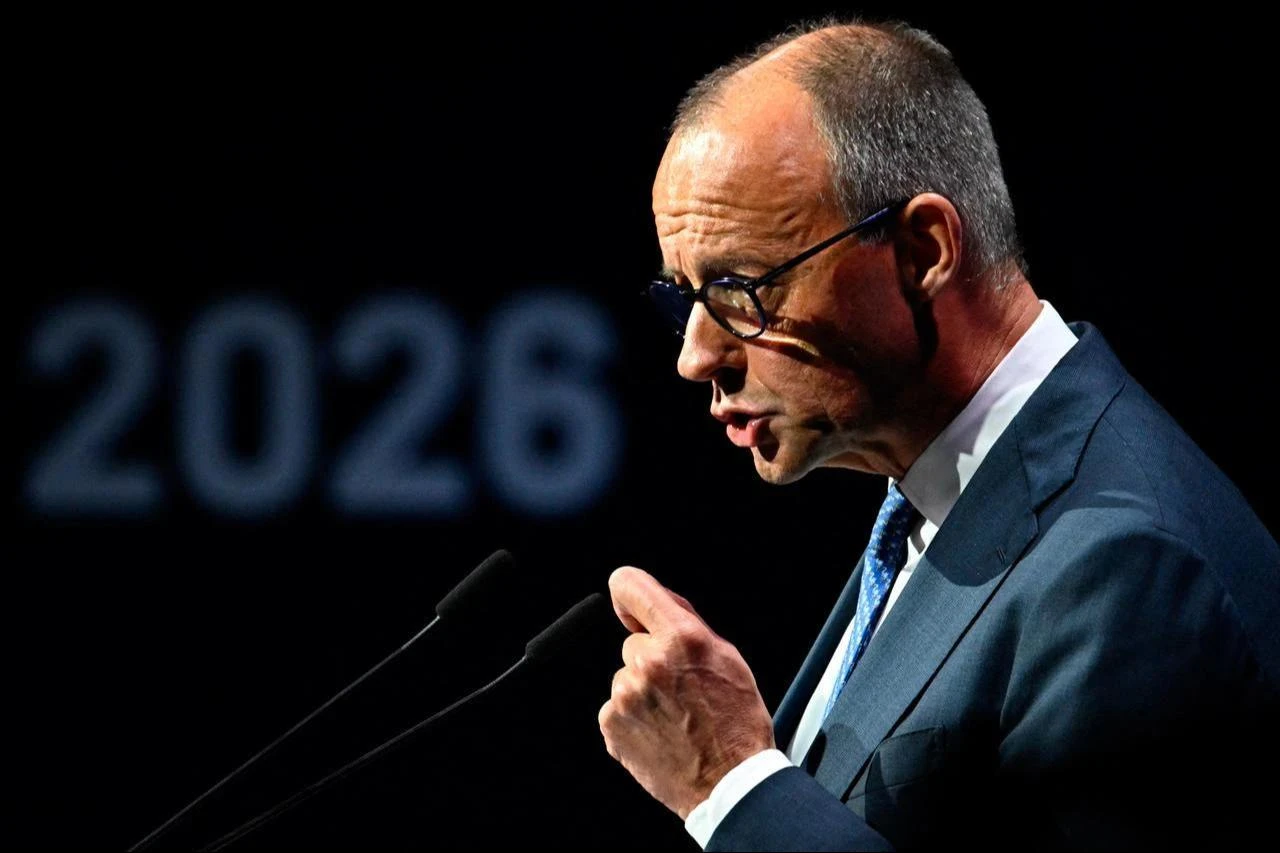

The economic unease is mirrored in Forsa's latest party preference poll, which shows the far-right Alternative for Germany (AfD) holding a commanding lead with 28% support, seven percentage points ahead of Merz's conservative CDU/CSU bloc.
The Social Democratic Party (SPD), the junior partner in Merz's coalition government, stood at just 12%, tied with the opposition Left Party. The opposition Greens polled at 16%, while the pro-business Free Democrats registered only 4%, below the 5% threshold required for representation in the Bundestag.
Merz was sworn in as chancellor in May 2025, leading a coalition between his CDU/CSU alliance and the SPD after February 2025 elections in which the AfD doubled its support to finish in second place. The coalition, formed explicitly to exclude the AfD from government, holds a narrow majority in parliament.
Taken together, the Forsa findings suggest that economic performance and government responsiveness, rather than migration or security, are shaping public sentiment as Merz's government approaches the midpoint of its term. The gap between the 79% who see the economy as a top-tier problem and the far smaller shares citing immigration or climate change points to where voters currently believe Berlin's attention should be focused.
The survey's finding that 84% of Germans doubt parties are addressing their real concerns suggests the erosion of public confidence extends beyond any single party, cutting across the political spectrum at a moment when the AfD's polling lead over the governing coalition has widened.


 Set as preferred source
 Set as preferred source


 1 min read

 1 min read