Newsletters


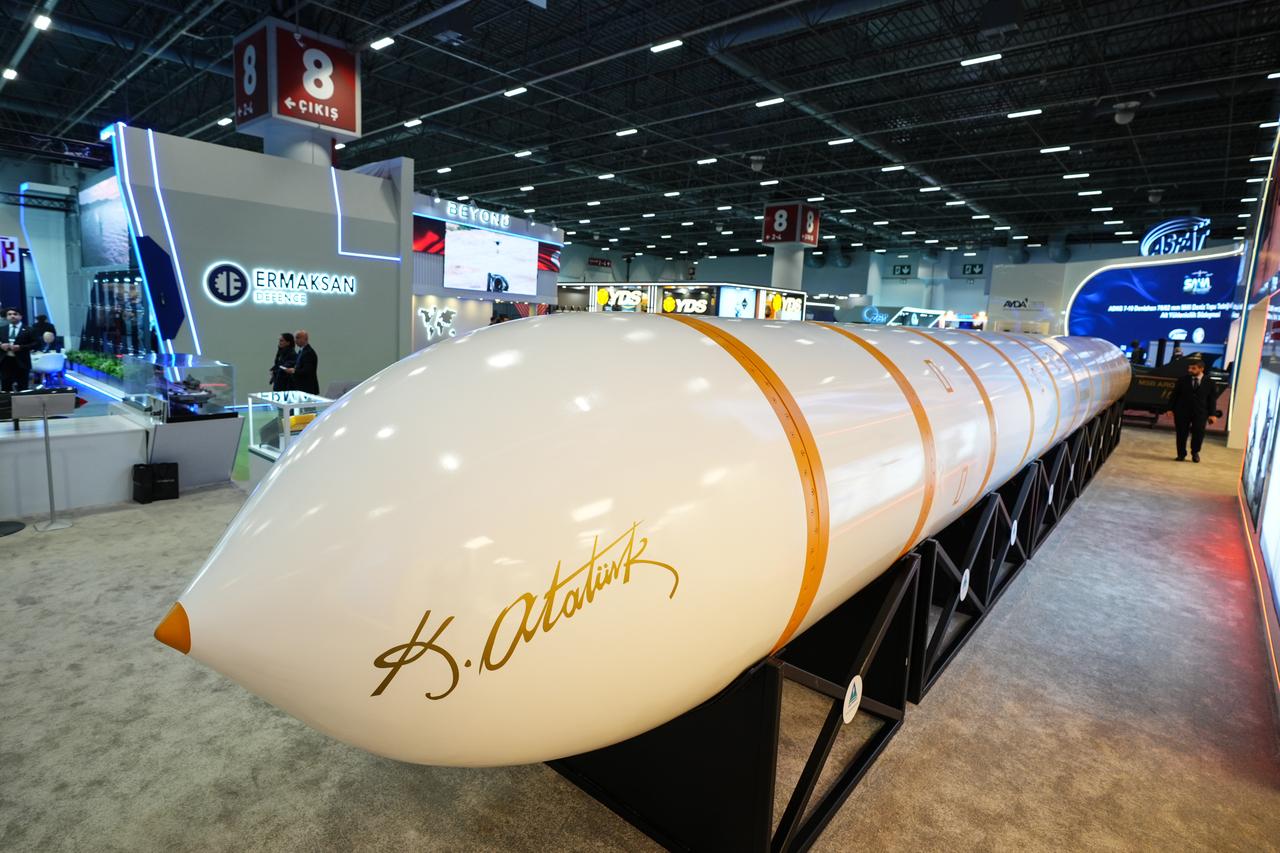


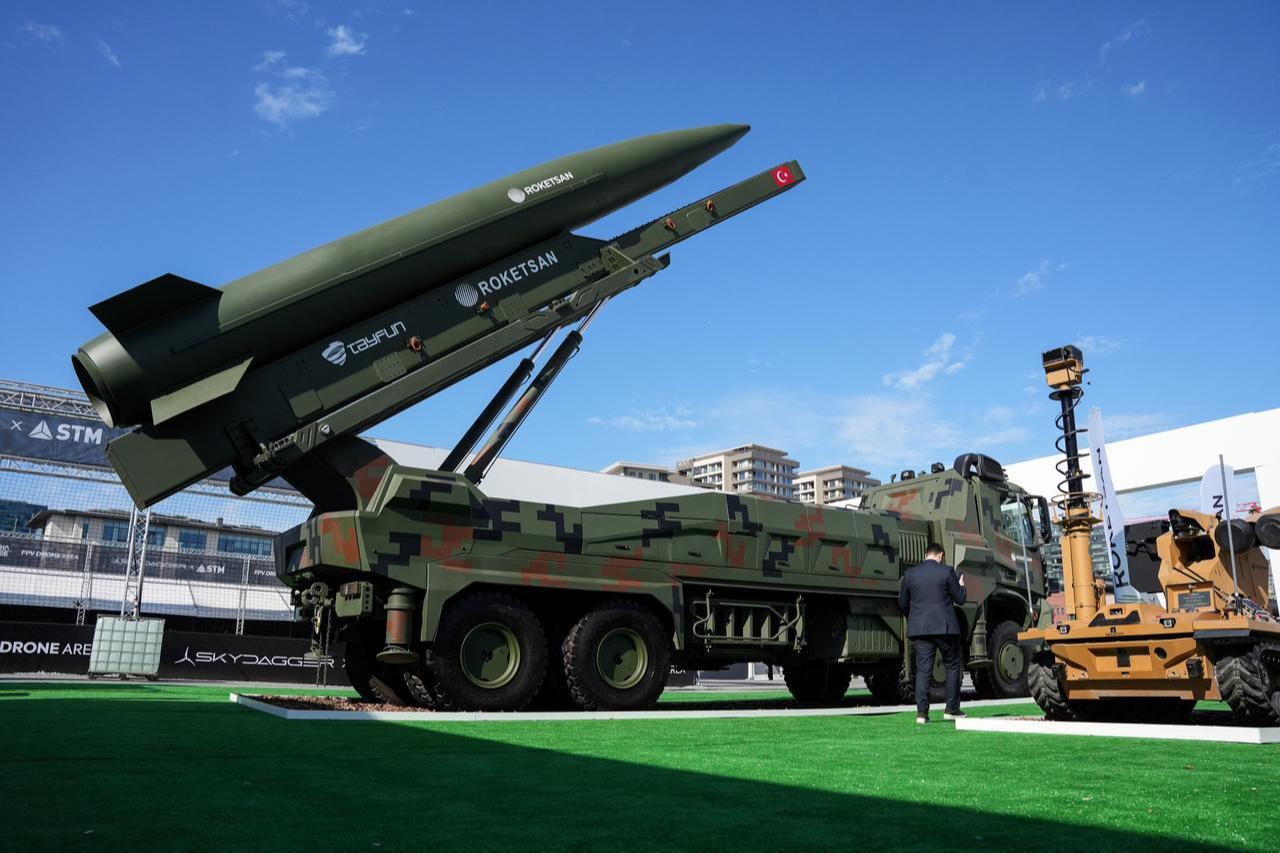
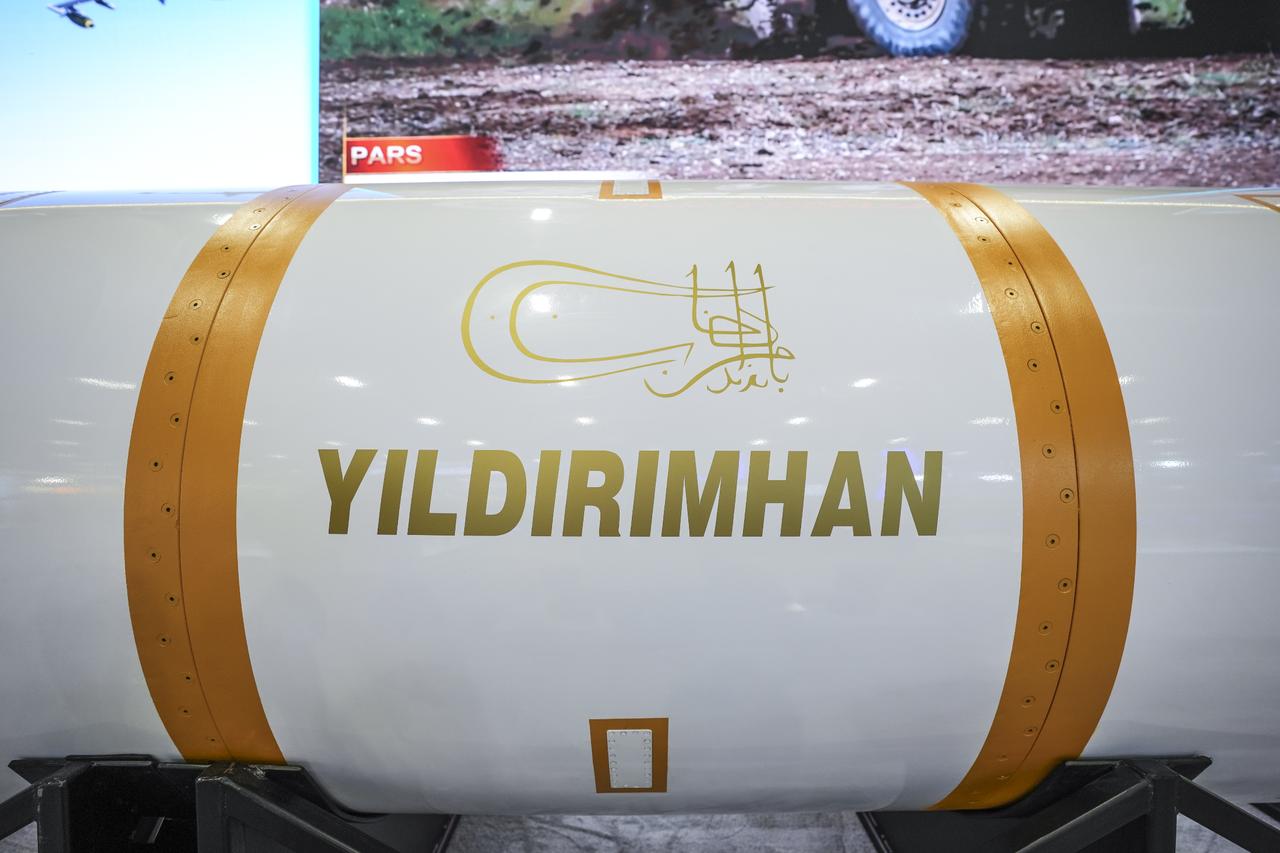
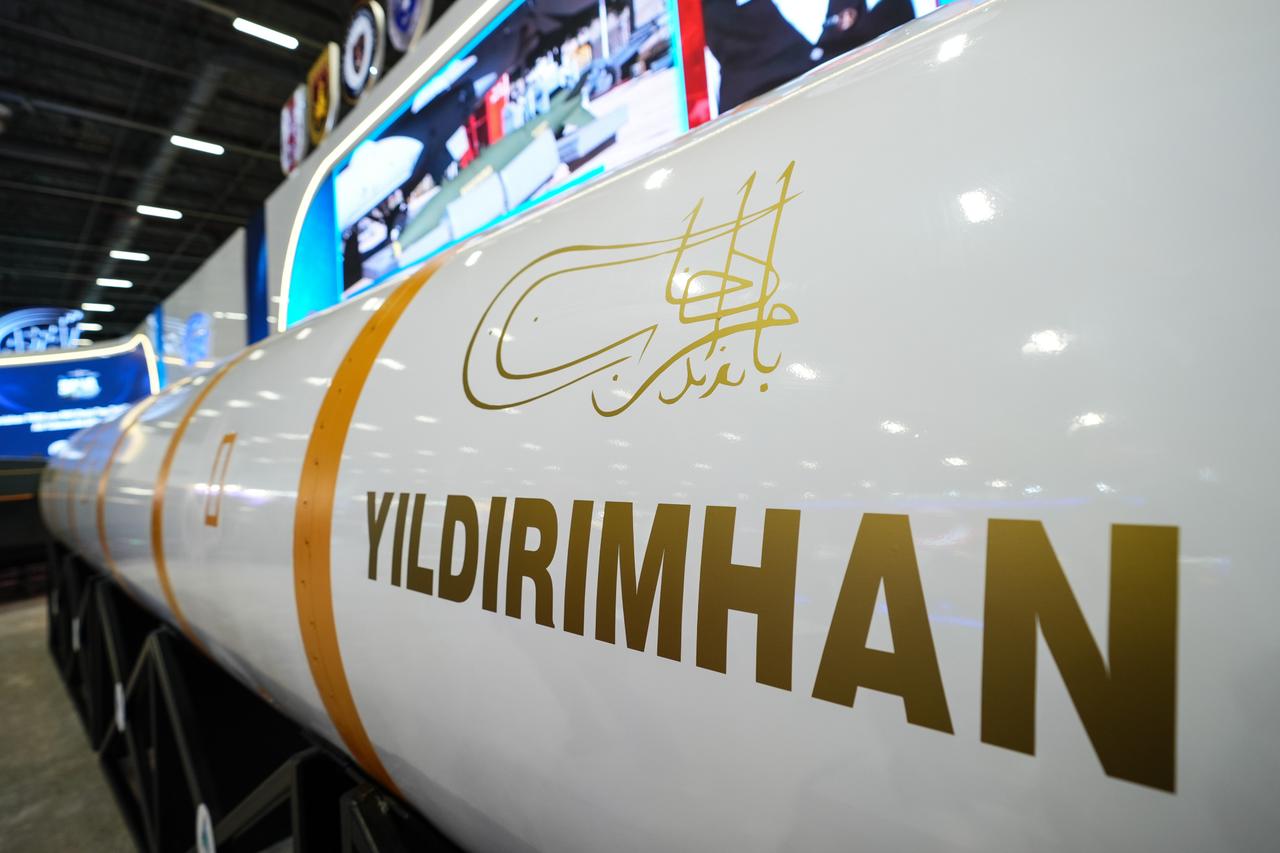
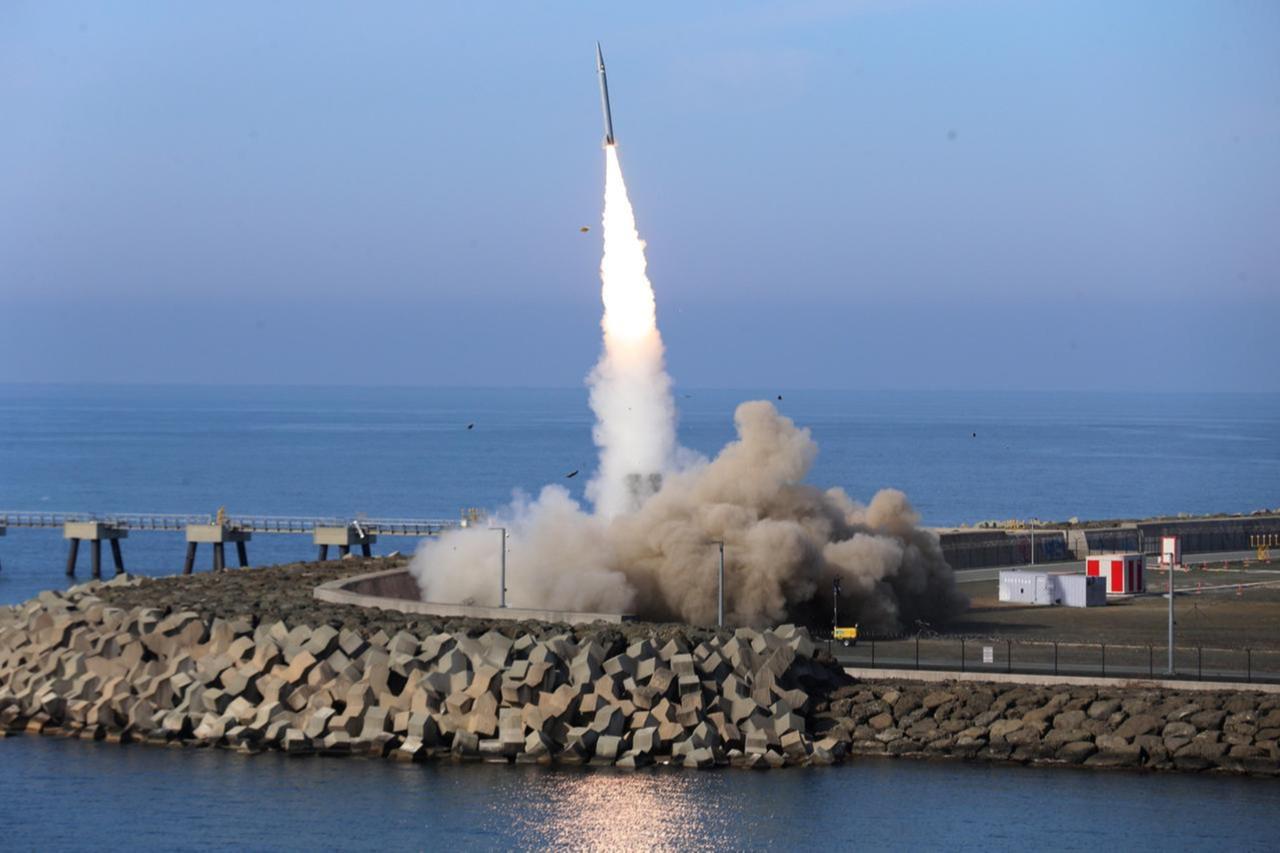
Germany is in active talks to acquire Türkiye’s Yildirimhan intercontinental ballistic missile and Tayfun Block-4 hypersonic missile, German newspaper Welt, citing NATO and EU sources.
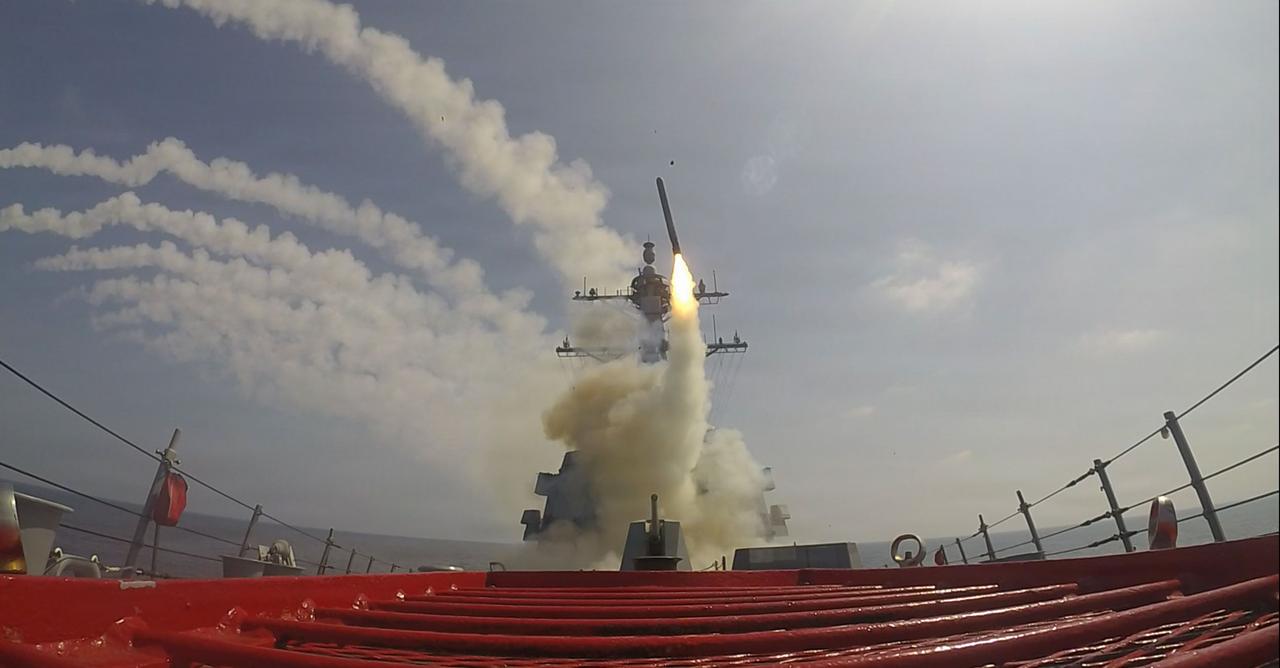
The move aims to bridge a long-range strike gap created after U.S. President Donald Trump canceled a planned Tomahawk deployment to Germany.
Berlin is working on two parallel tracks:

The planned deployment of three U.S. precision strike systems had been agreed between former U.S. President Joe Biden and former German Chancellor Olaf Scholz in July 2024 as a response to Russia stationing nuclear-capable SSC-8 cruise missiles in Kaliningrad, putting Berlin within range.
Trump canceled the deployment and announced the withdrawal of approximately 5,000 U.S. troops from Germany.
NATO and EU diplomats cited by Welt largely dismissed the idea that German Chancellor Friedrich Merz's public criticism of U.S. Iran war strategy, calling Americans "humiliated" by Iran, was the substantive cause of Trump's move, though they acknowledged it influenced the timing.
The words "stupid" and "incomprehensible" were reportedly used in Brussels regarding Merz's remarks, described as causing a "Merz factor" that damaged goodwill among allied Democrats and pro-Atlantic Republicans in Washington.
Berlin has already concluded that neither the Yildirimhan nor Tayfun purchases can be financed through the EU's SAFE defense fund, a €150 billion ($176.5 billion) low-interest loan program for defense investments, because Greece and Greek Cyprus are expected to block any arrangement that channels SAFE funds toward Turkish arms.
Berlin is therefore examining two alternatives: a direct bilateral agreement between Germany and Türkiye, or a smaller, German-led coalition of willing NATO members to jointly finance the purchases, with Germany expected to bear the largest share of the costs.
 1 min read
The short-to-medium term Turkish missile option sits alongside the longer-term European Long-Range Strike Approach (ELSA), a joint development program signed by Germany, France, Italy, Poland, Sweden and the U.K. to develop European-made conventional systems with ranges exceeding 2,000 kilometers.
ELSA is expected to take many years and face significant coordination challenges.
The RTX Tomahawk joint venture, which the Welt report says Washington supports as a way to strengthen the U.S. defense industry while reducing European pressure on American stockpiles currently depleted by the Iran war, represents the medium-term bridge solution.
No final decisions have been made on either the Turkish purchases or the RTX joint venture, but Welt's diplomatic sources said an announcement could come on the sidelines of the NATO Summit in Ankara in July.


 Set as preferred source
 Set as preferred source


 1 min read