Newsletters




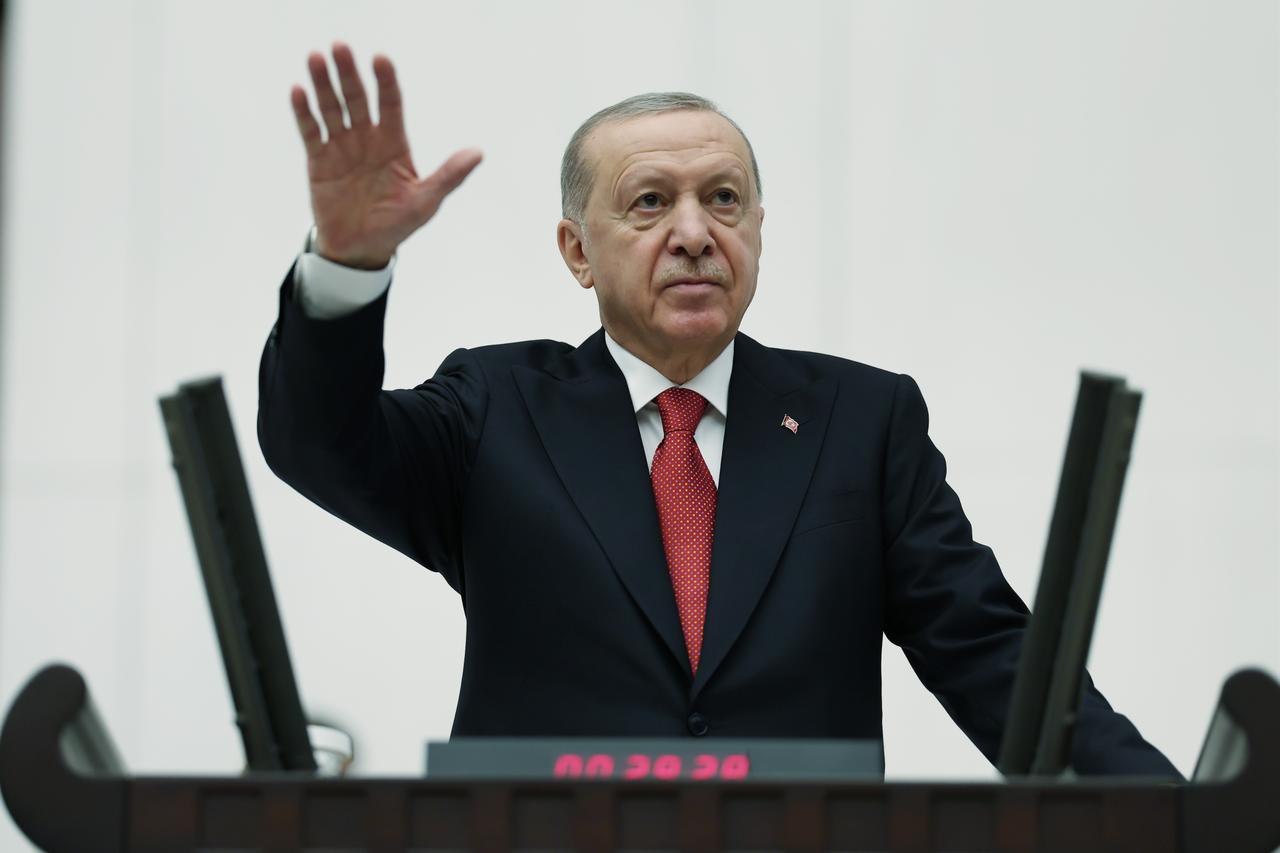
Turkish defense company Roketsan's CEO, Murat Ikinci, announced that the defense company achieved record growth in 2025, with exports exceeding $750 million and total revenue surpassing $2 billion.
He also revealed that the Tayfun Block 4 ballistic missile and Gokbora ramjet-powered air-to-air missile are progressing toward service entry.
"This is not only in terms of exports, but we also increased our total revenue by over 50%. Roketsan's total revenue exceeded $2 billion," Ikinci told Turkish media outlet Haberturk TV's Airport program on Feb. 15.
"We signed nearly $1 billion in new export contracts in 2025," he noted.
Ikinci said the company is targeting another 50% growth in exports, revenue and backlog in 2026, adding that targets originally set for 2027-28 have been pulled forward by two years.

Ikinci confirmed that Türkiye's hypersonic Tayfun Block 4 ballistic missile will enter serial production in 2026 following successful testing.
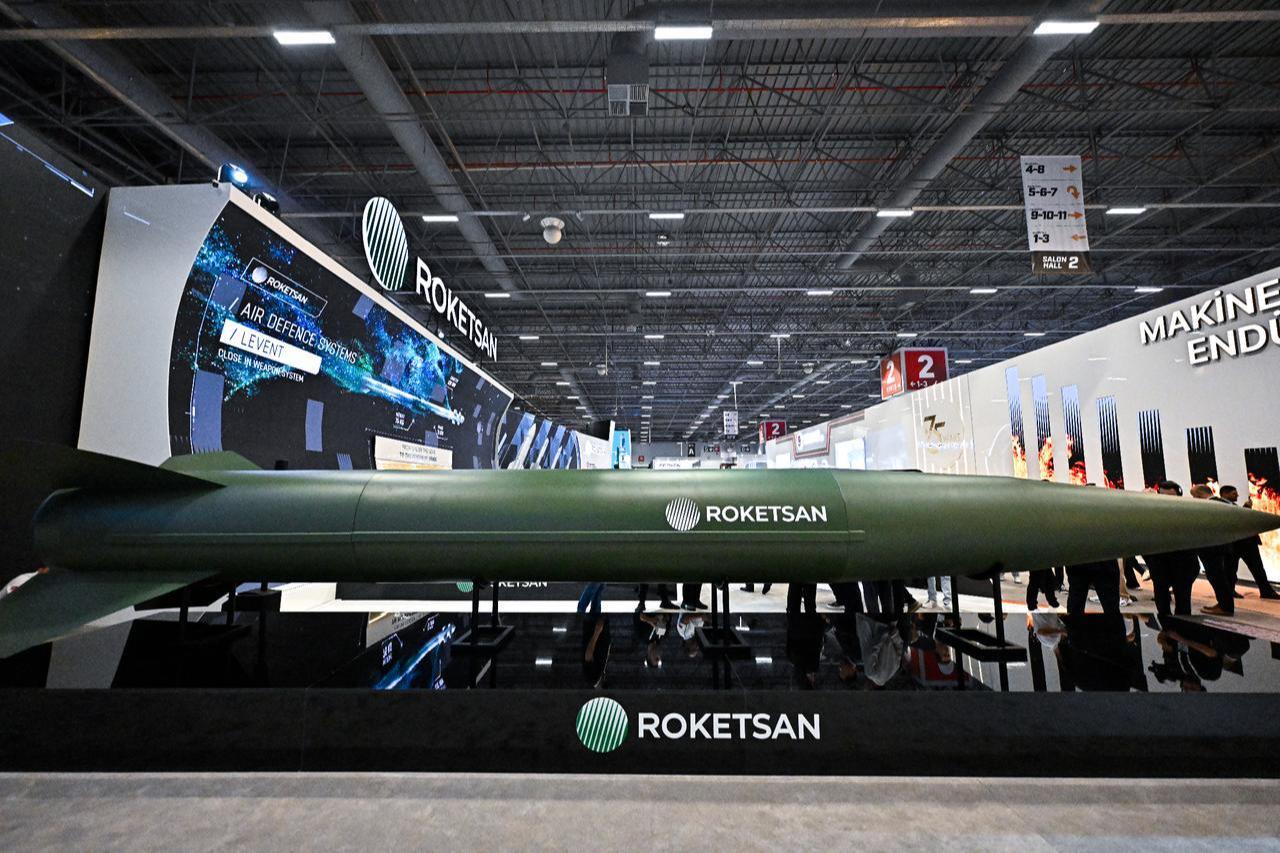
"Tayfun serial production continues at full capacity, and deliveries are being made to our Armed Forces. Tayfun missiles will reach quite significant numbers. Block 4 will also enter serial production this year after successful testing," he said.
First publicly displayed at the 17th International Defence Industry Fair (IDEF 2025) in Istanbul, the Block 4 variant represents the most advanced and largest iteration of the Tayfun family, with a diameter of 938 millimeters and a length of 10 meters.
The Roketsan CEO noted that the defense company possesses a substantial ballistic missile inventory spanning multiple ranges, from 11-kilometer tactical systems to long-range strike capabilities, including the 122 mm rockets, 230-kilometer missiles, and 300-kilometer systems.
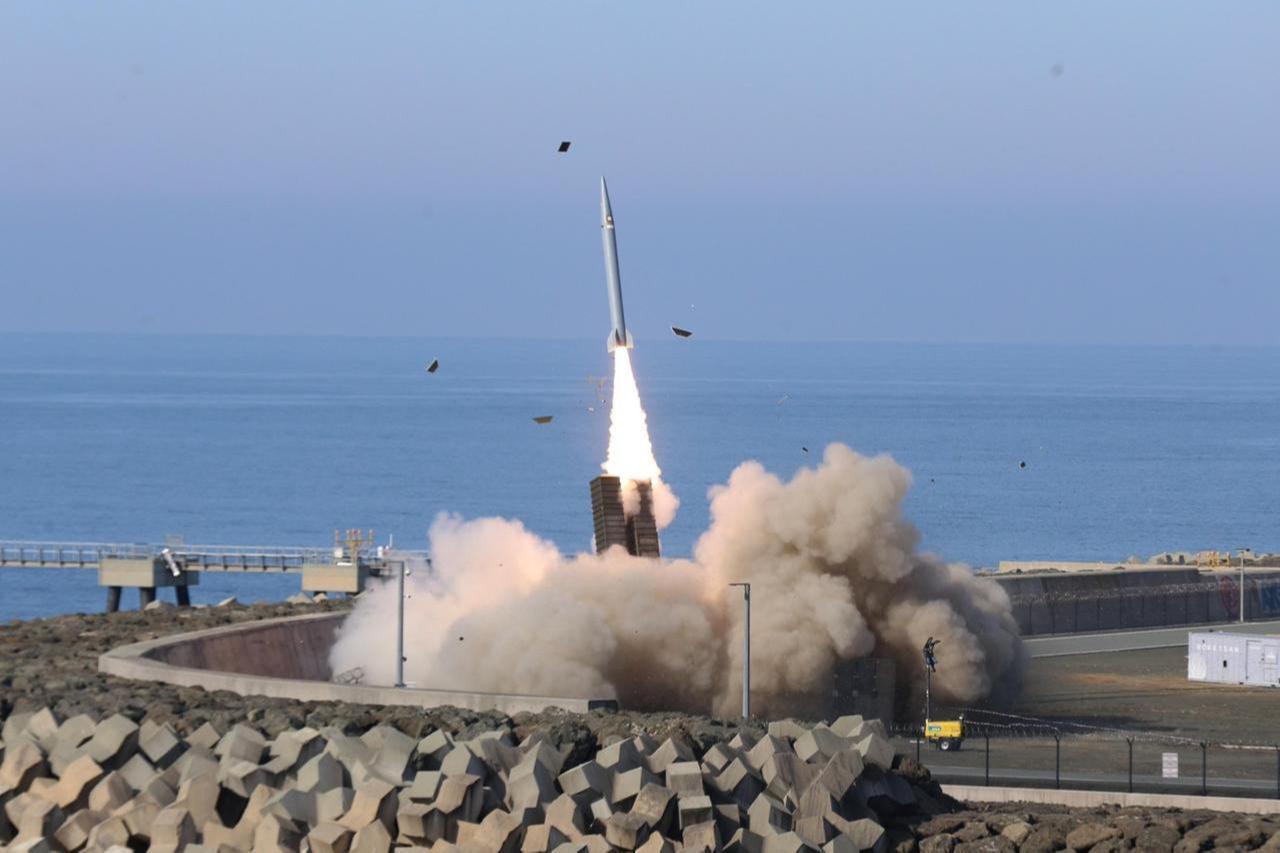
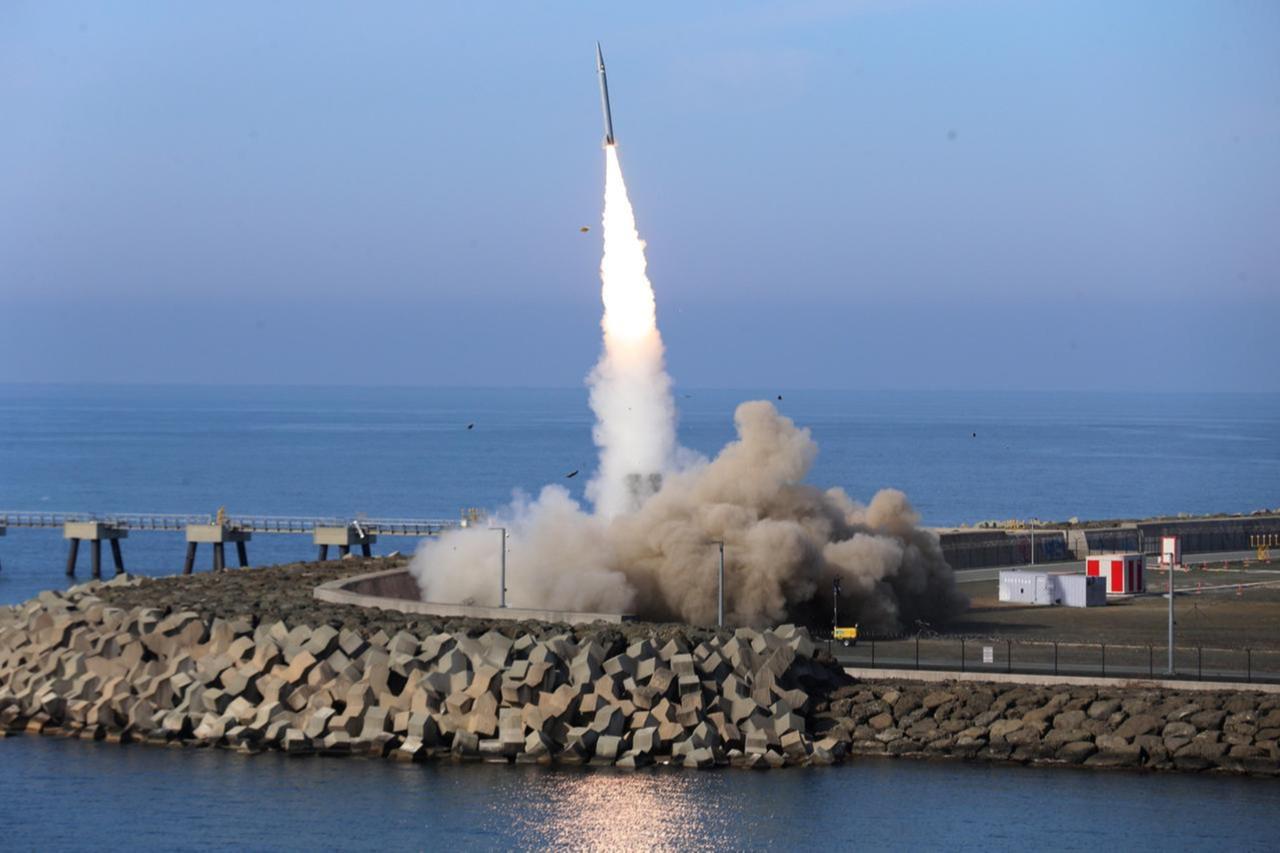
The CEO also confirmed that the 300 ER aeroballistic missile, with a maximum range of approximately 500 kilometers, is scheduled to enter service this year.
"The 300 ER, which we launched, will enter inventory this year along with its tests. We will have increased these ranges to much higher levels," he stated.
The 300 ER far exceeds the range of the UAV-230 aeroballistic missile, which has a range exceeding 150 kilometers when launched from the Bayraktar Akinci unmanned combat aerial vehicle (UCAV).
The new missile will incorporate a TV seeker for terminal guidance to ensure precision in GPS-denied environments, with the potential to engage naval targets.
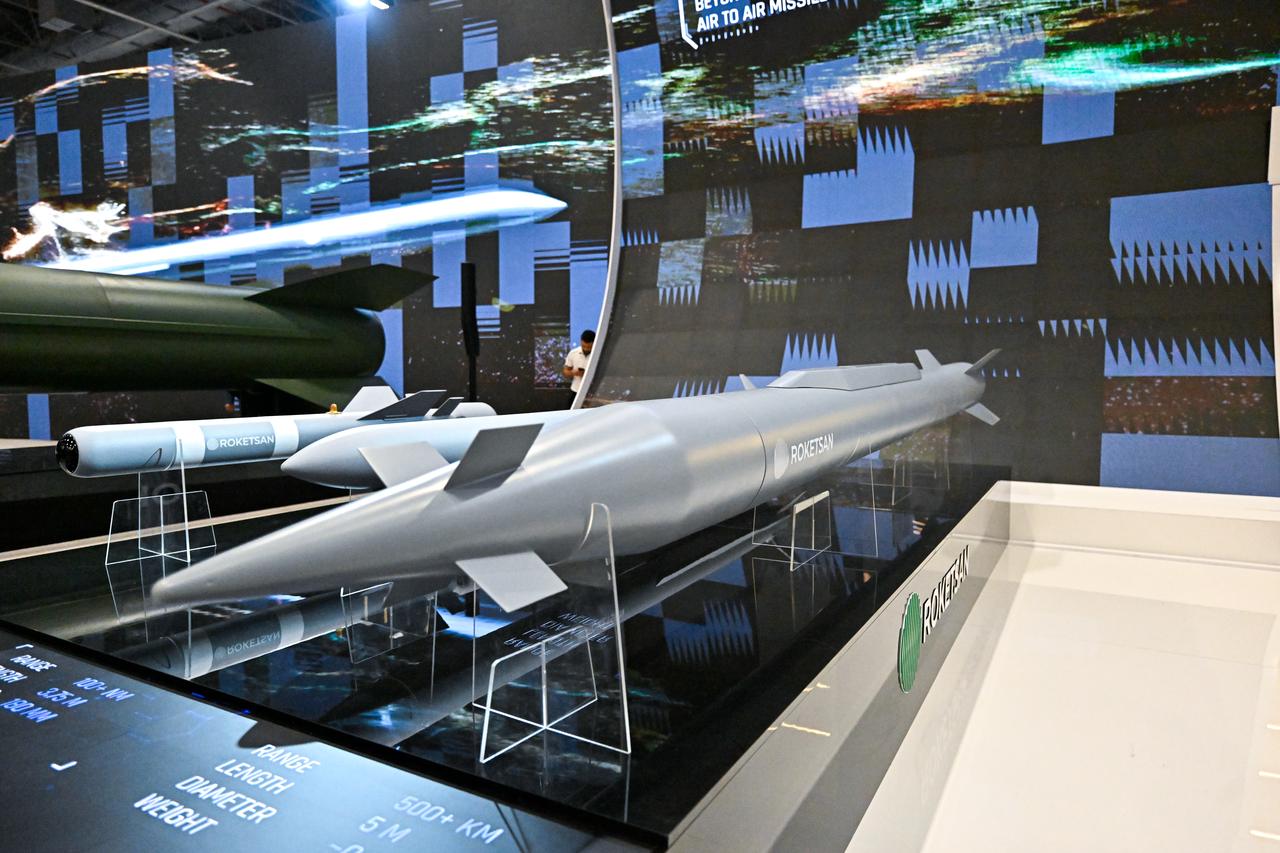
Ikinci provided updates on the Gokbora ramjet-powered beyond-visual-range air-to-air missile (BVRAAM), stating that it will be ready within 2 to 2.5 years.
"Gokbora will be a much better missile. When you look at its subsystems, datalink capability, motor structure, warhead, sensors, and seeker, it will be one of the newest generation missiles in this field," he noted.
The missile is designed for integration across multiple platforms, including the KAAN fifth-generation fighter, Baykar's Kizilelma unmanned combat aircraft, Akinci armed drone, Eurofighter Typhoon, and potentially the ANKA-III.
"We will not only launch Gokbora from the Eurofighter. We will launch it from Kizilelma, from KAAN, from Akinci, and maybe from ANKA if it develops. So we will have a very long-range beyond-visual-range missile that can be integrated on every platform," Ikinci stated.
With a maximum range of approximately 100 nautical miles (185 kilometers), an AESA RF seeker, and folding fins for internal weapon bay compatibility, Gokbora is expected to form the extra-long-range component of the Turkish Air Force alongside TUBITAK Defense Industries Research and Development Institute (TUBITAK SAGE)'s Gokhan liquid-fuel ramjet missile.
Ikinci added that Aselsan and Roketsan are collaborating closely on integrating Gokbora with the MURAD Active Electronically Scanned Array (AESA) radar systems.
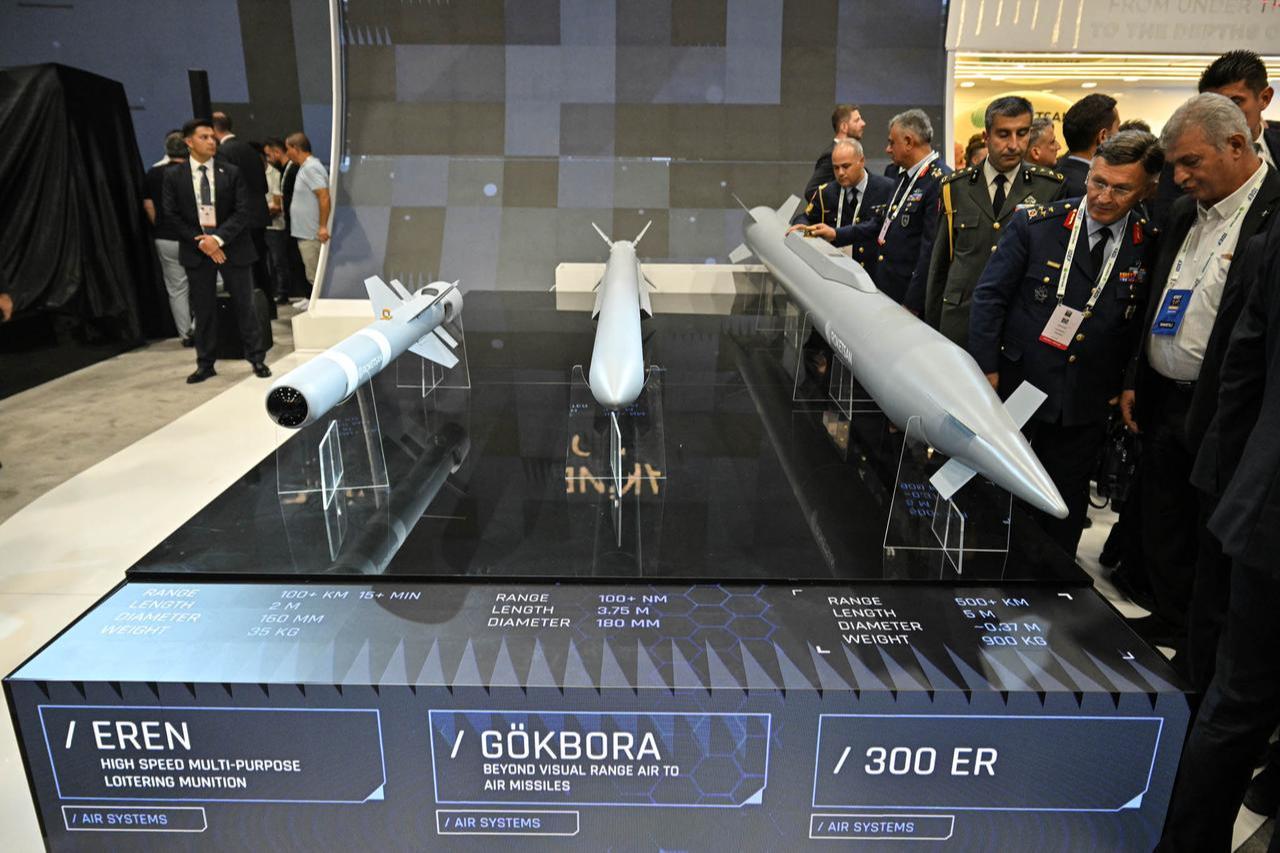
Ikinci announced air-to-air missile trials will take place in 2026, though he did not specify whether this refers to Gokbora or other systems.
"In a short time, we will also conduct air-to-air missile tests. When you evaluate all of these, 2026 will be a year where we conduct tests simultaneously in many areas," he noted.
Roketsan is also developing a cost-effective air-to-air missile for unmanned aerial vehicles, the CEO confirmed.
Ikinci also outlined an expanded vision for Türkiye's integrated air and missile defense architecture, stating that future layers of the Steel Dome system must address threats originating beyond the atmosphere.
"Developing air defense systems requires anticipating emerging threat vectors, including those involving ballistic trajectories extending into space," Ikinci said, indicating Roketsan is investing in technologies capable of countering such threats.
His remarks pointed to future engagement capabilities against advanced ballistic missiles, including intercontinental-class threats traveling through exo-atmospheric phases, meaning outside the Earth's atmosphere, before reentry.
New interceptors will also be incorporated to counter hypersonic threats operating at the upper layers of the atmosphere.


 Set as preferred source
 Set as preferred source


 1 min read

 1 min read