Newsletters


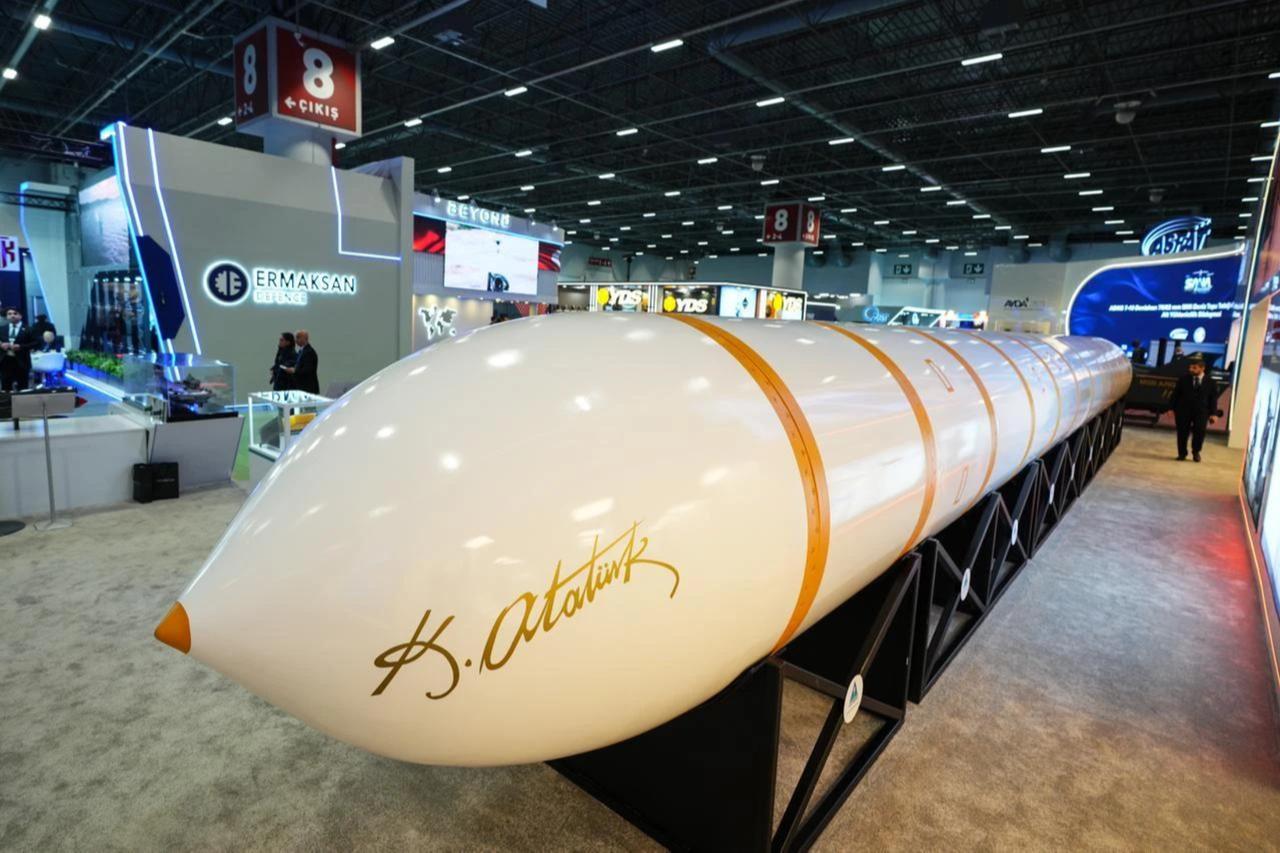


Germany is exploring cooperation with Türkiye on long-range missiles as Berlin seeks to address critical capability shortfalls in its arsenal, a senior German defense official said on the sidelines of the NATO Ankara Summit.
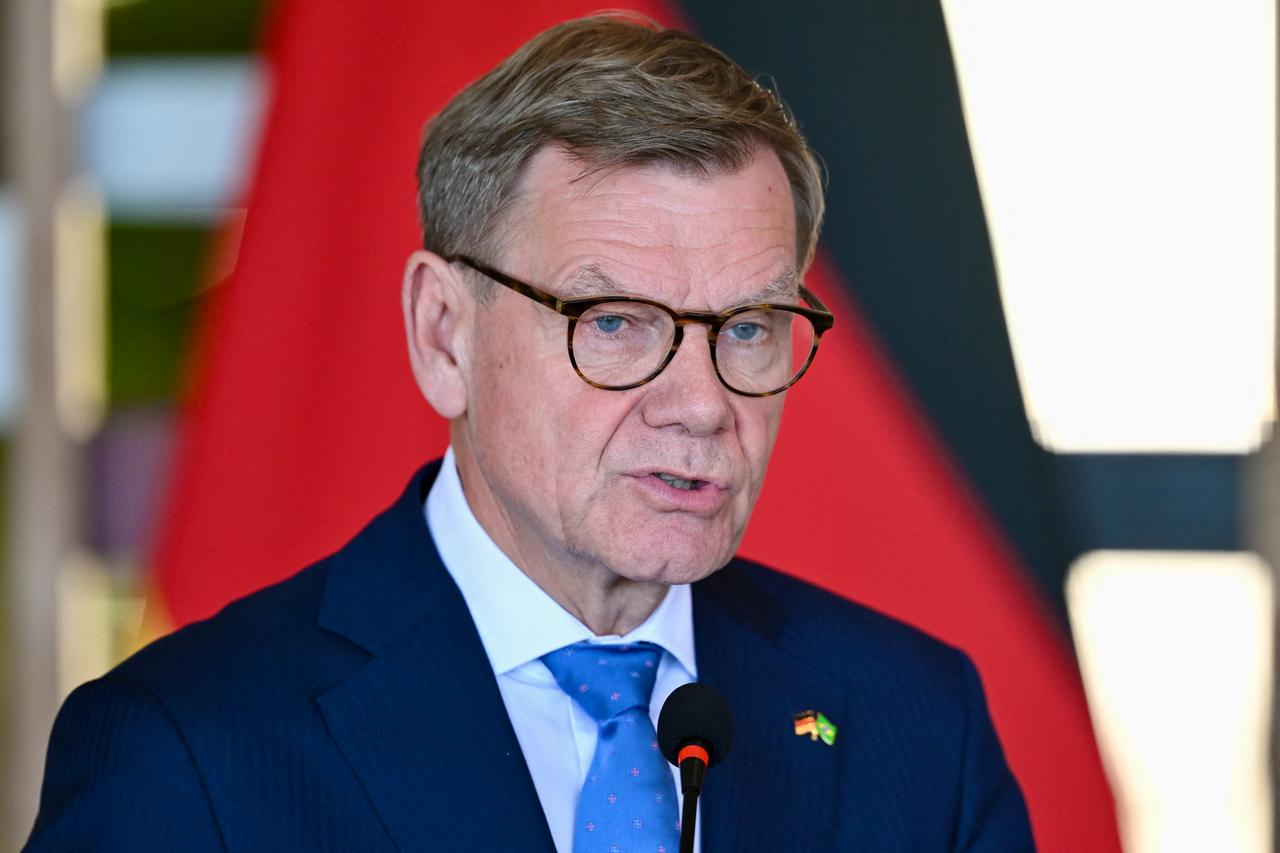
German Deputy Defense Minister Nils Schmid told Anadolu Agency that Berlin is assessing a range of options to bolster Europe's long-range strike capacity, and that proposals from Türkiye are among those under active review.
"We are evaluating different options on long-range missiles. As Defense Minister Boris Pistorius has also noted, we are of course examining ideas coming from Türkiye," Schmid said.
Schmid confirmed reports that had appeared in the German press suggesting Berlin has shown interest in Türkiye's YILDIRIMHAN and TAYFUN missile systems.
"We have learned that we need to maintain a very broad perspective when it comes to potential cooperation partners," he said. "As Defense Minister Pistorius has also stated, we are examining Türkiye's products."
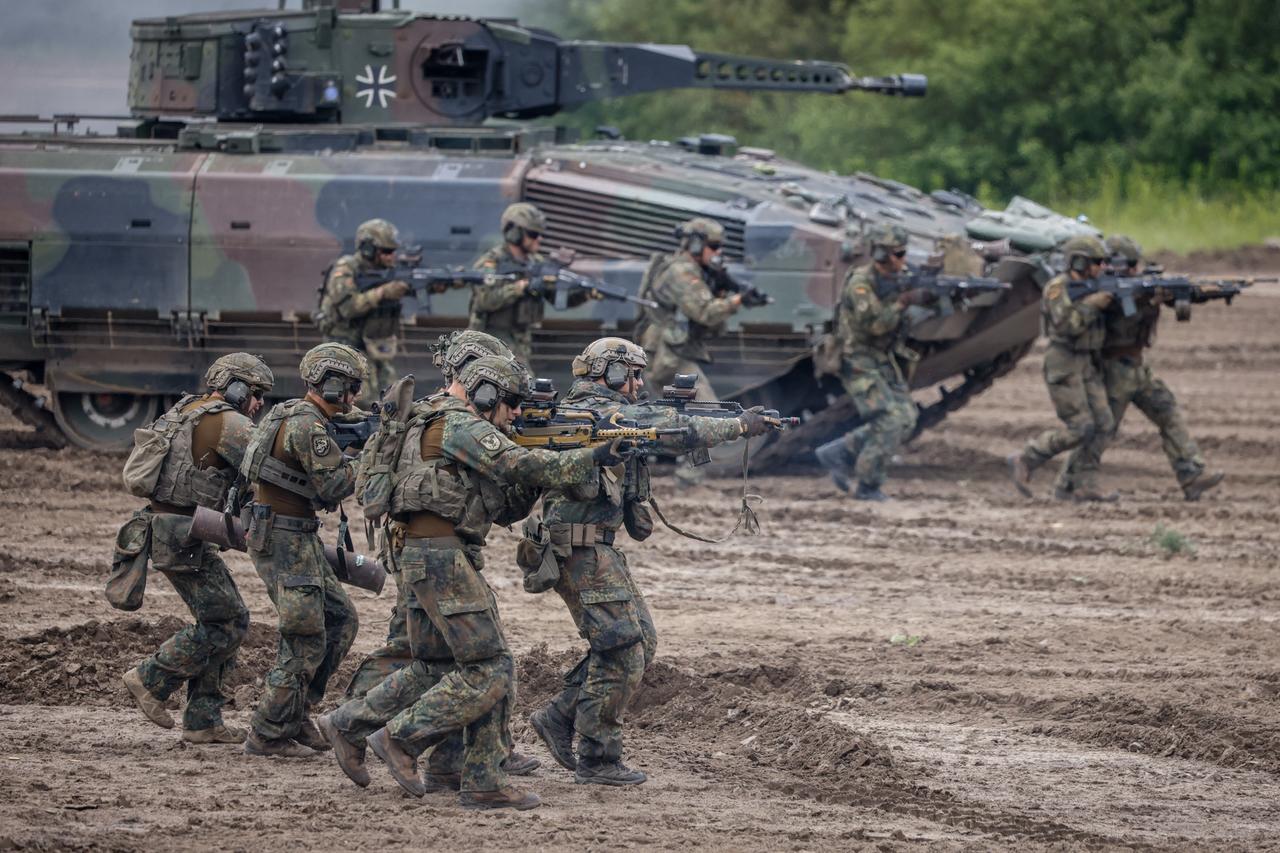
The deputy minister framed the outreach as part of a broader strategic urgency, saying the fundamental goal is to close gaps in military capabilities "as quickly as possible," with multiple technological options currently on the table.
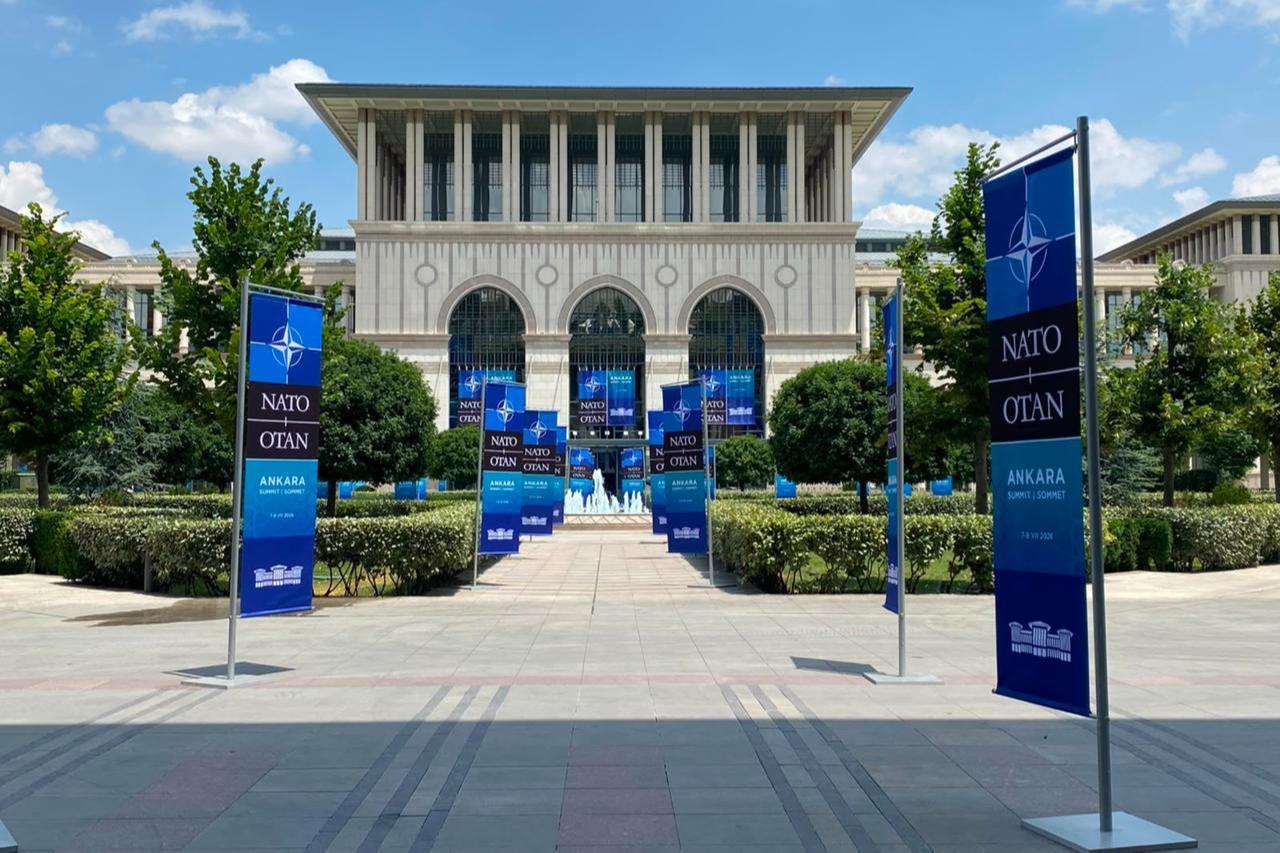

Schmid said the Ankara Summit has once again brought into sharp focus Türkiye's expanding role in European security.
"Türkiye plays a vital role in NATO and for European security, and this has become more visible over the past few years," he said, adding that stability in the Black Sea and on NATO's southern flank "can only be ensured through Türkiye and its armed forces."
He noted that developments in the Middle East had made Türkiye's strategic value even more apparent, and that the Defense Industry Forum held alongside the summit provided a further opportunity to discuss new cooperative projects.
Germany is also exploring closer ties in the broader defense industry sphere, with Schmid pointing to Türkiye's advances in unmanned aerial vehicles and long-range precision strike systems as areas of growing interest.
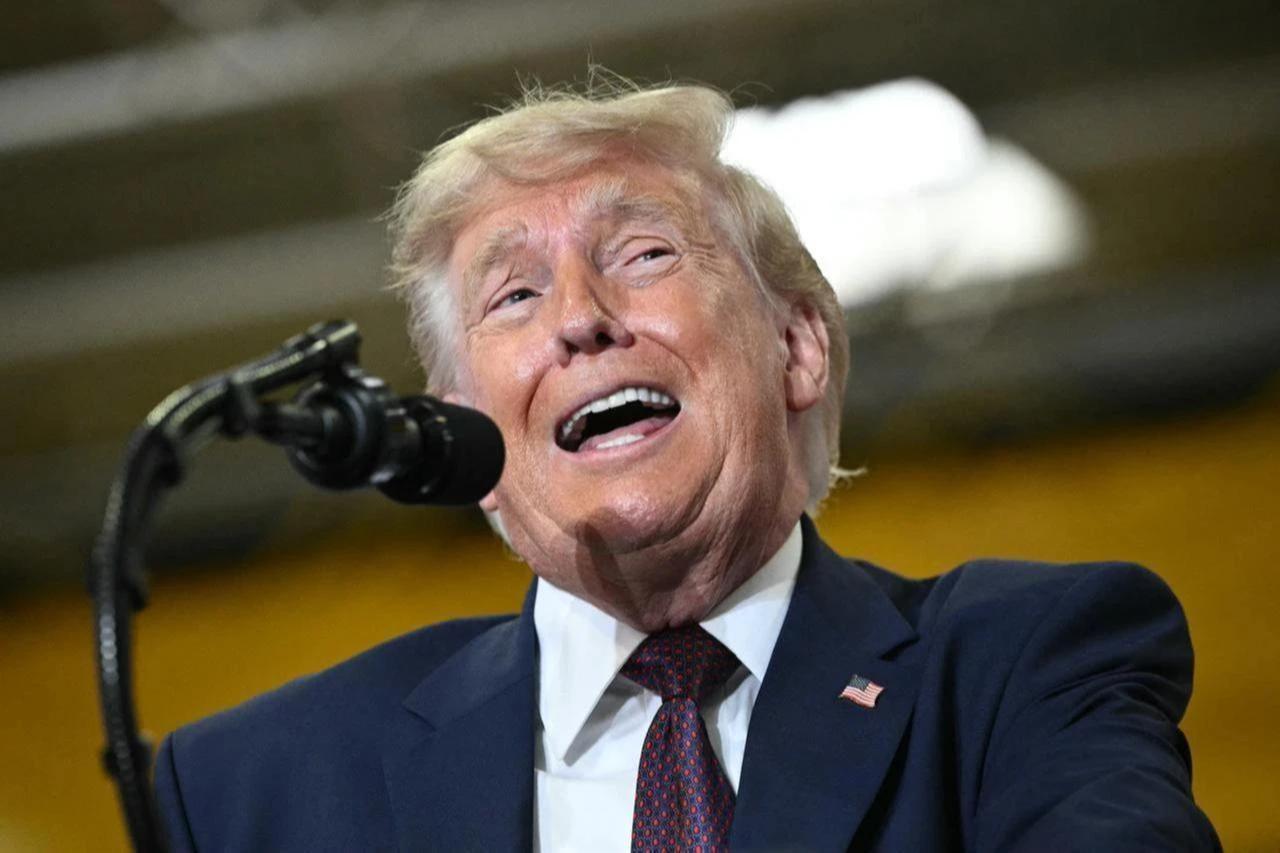
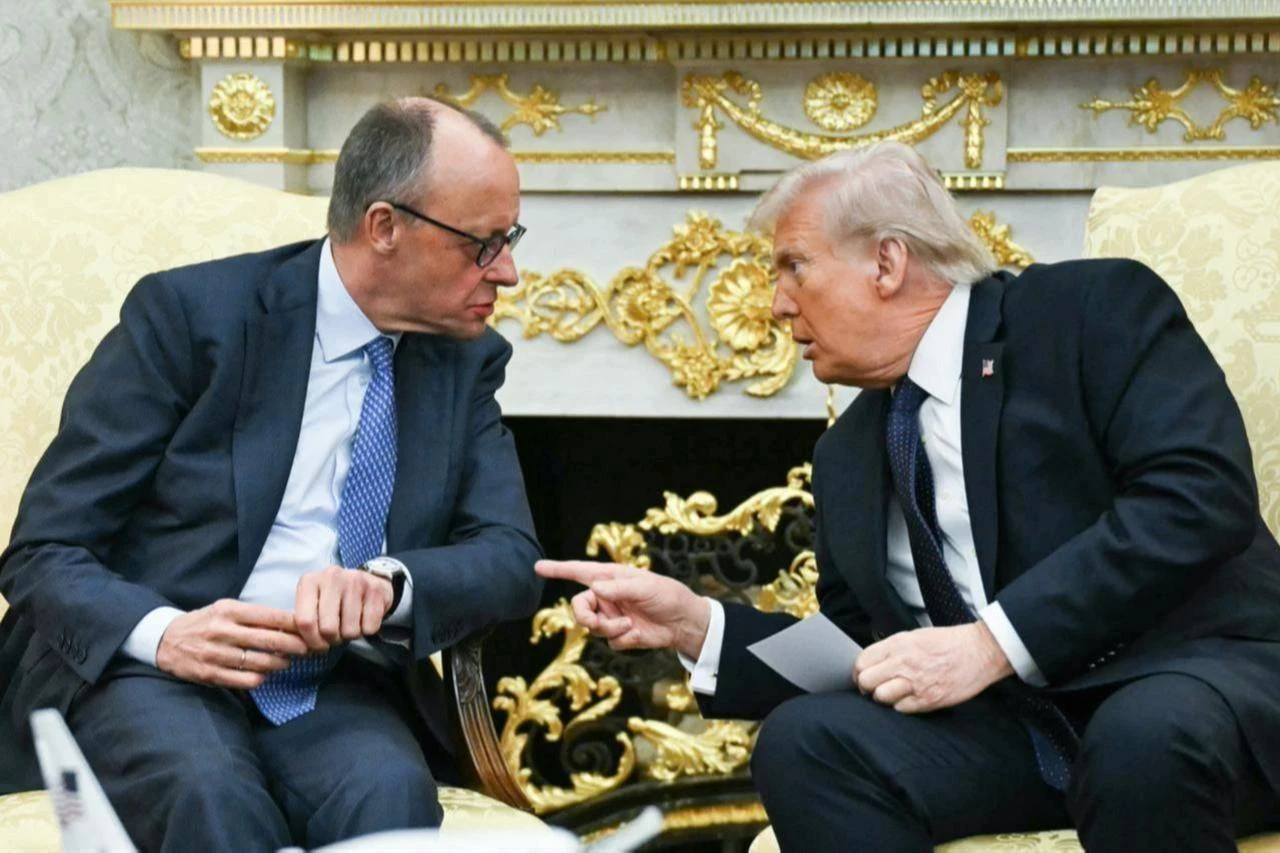
On the question of transatlantic burden-sharing, Schmid said the Ankara Summit would send a clear signal to U.S. President Donald Trump that European allies are delivering on their commitments.
"Trump can be assured that burden-sharing is not just a slogan, it is now actually being implemented," he said, pointing to increased defense spending across European member states.
Schmid noted that all European allies have already surpassed the previous NATO spending benchmark of two percent of gross domestic product, and that a growing number are moving toward the 3.5 percent target set at NATO's The Hague Summit in 2025.
Germany, he said, expects to reach that new target by 2029 at the latest, well ahead of the 2035 deadline.
He said he expects the Ankara Summit to deliver "a clear message on unity, strengthen transatlantic bonds, and make clear that NATO remains the central institution of collective defense on both sides of the Atlantic."
Schmid said it came as no surprise that the Trump administration has signaled plans to reduce the number of U.S. troops stationed in Europe, noting that previous American administrations had also pointed in that direction.
European allies, he said, are preparing to address any resulting personnel and capability gaps.
He stressed, however, that any drawdown must be managed in a coordinated way. "If the U.S. is going to withdraw some key military assets, there needs to be a roadmap for NATO's European allies, covering when this will happen and which military components it will involve," he said.
Schmid said he is confident that European allies will collectively succeed in closing any gaps that may emerge in the coming years, provided the process is handled in coordination among member states.
The deputy minister argued that a stronger European contribution is not a challenge to the alliance but a precondition for its long-term cohesion.
"NATO needs to become more European in order to remain a strong transatlantic bond," he said.
He emphasized that the EU defense initiatives Germany has been accelerating are intended to complement NATO, not to serve as an alternative, and that platforms for cooperation with non-EU NATO partners remain essential. "I am sure that partners such as the United Kingdom, Norway, and also Türkiye can make significant contributions," Schmid said.
With Europe seeking to strengthen deterrence against potential threats emanating from Russia by 2029 at the latest, Schmid said there is no time to lose. "We need to evaluate all available capacities and potentials right now," he said, adding that deepening defense industry cooperation with non-EU NATO allies is "part of the equation."


 Set as preferred source
 Set as preferred source


 1 min read
 1 min read