Newsletters





People returning to Türkiye made up the largest share of those who voluntarily left Germany after accepting financial incentives offered by the German state, according to data released by the Federal Office for Migration and Refugees, known as BAMF.
BAMF said the number of people who departed Germany with state-supported incentives rose by about 60% in 2025.
Of those who left under programs offering what authorities describe as a “new start opportunity,” 33% returned to Türkiye.
In a statement released Friday, BAMF said the number of asylum applicants who voluntarily left Germany increased significantly last year. In 2024, 10,358 people departed voluntarily, while in 2025 the figure climbed to 16,579.
According to BAMF data, 4,432 people returned from Germany to Türkiye in 2025 after benefiting from incentives provided by the German state.
As a result, returnees to Türkiye accounted for 33%—the largest share—of those who agreed to leave Germany under the incentive programs.
Syrians followed at 27%. BAMF said 3,678 Syrians returned to Syria last year after receiving incentives, citing the end of the civil war.
Those returning to Russia made up 10% of the total, followed by Georgia at 7% and Iraq at 6%, the agency said.
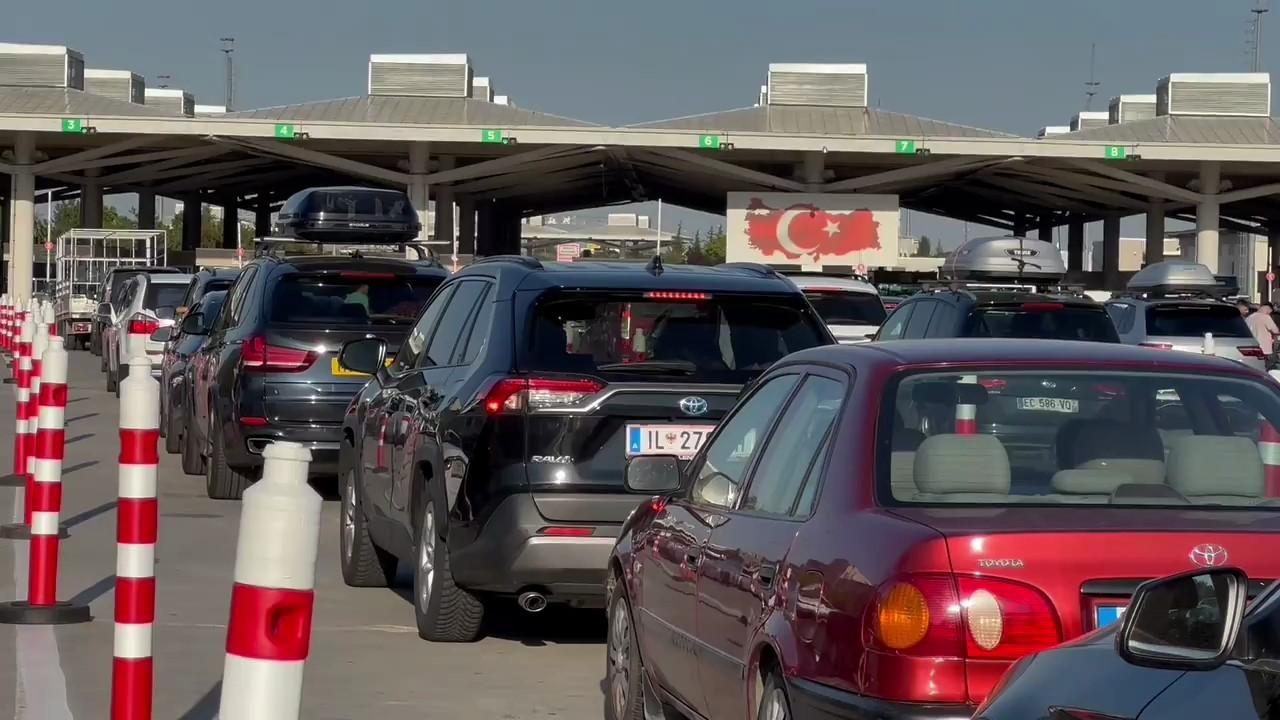

BAMF said the 16,579 people who voluntarily left Germany in 2025 benefited from comprehensive return programs funded by the German state.
The programs include the Reintegration and Emigration Program for Asylum Seekers in Germany, known as REAG, and the Government-Assisted Return Program, or GARP.
Under German law, people whose asylum applications are rejected must leave the country within a set period or face deportation.
In either case, individuals are typically required to cover their own return costs and may be subject to an entry ban to the European Union, losing the right to legally enter Germany or other EU countries for years.
BAMF said the voluntary return programs offer an alternative for people considered unlikely to receive asylum, allowing them to avoid such sanctions.
Under the incentive schemes, the German state covers travel costs, provides financial assistance, covers health-related expenses and supports returnees in making a new start in their home countries.
In an information note published in Turkish on BAMF’s website, the agency lists support measures including vocational qualification programs, help with job searches, assistance in starting a small business, housing support, and social and medical counseling.
The note also says people who have been granted residence permits may apply and adds that asylum seekers can contact return counseling centers while their asylum procedures are still ongoing, without affecting the outcome of their cases.
BAMF said voluntary return support has so far been provided to about 700,000 people returning to over 100 countries.


 Set as preferred source
 Set as preferred source


 1 min read

 1 min read