Newsletters


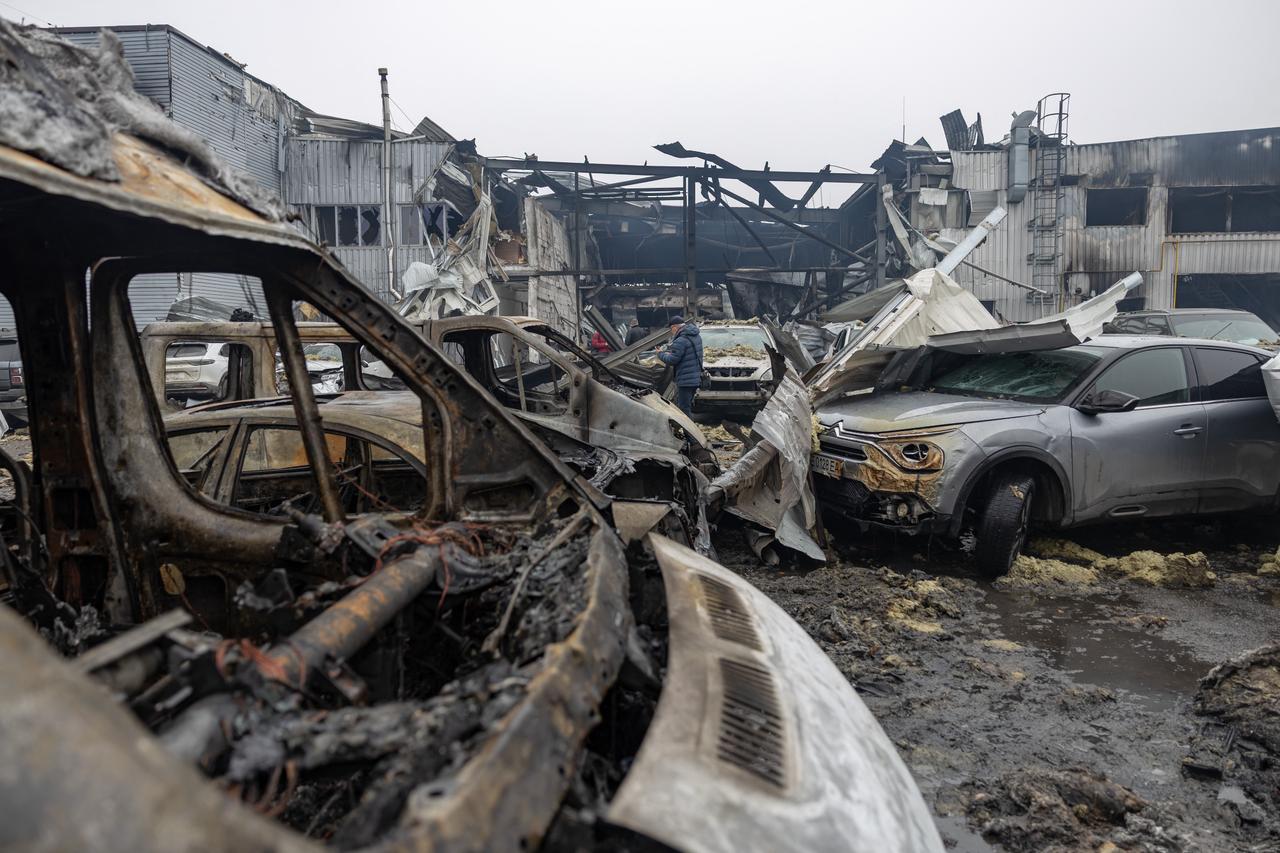


Germany's intelligence chief on Friday called for imposing tangible costs on Russia for its hybrid warfare campaign, warning that deterrence will fail unless Moscow also feels “pain.”
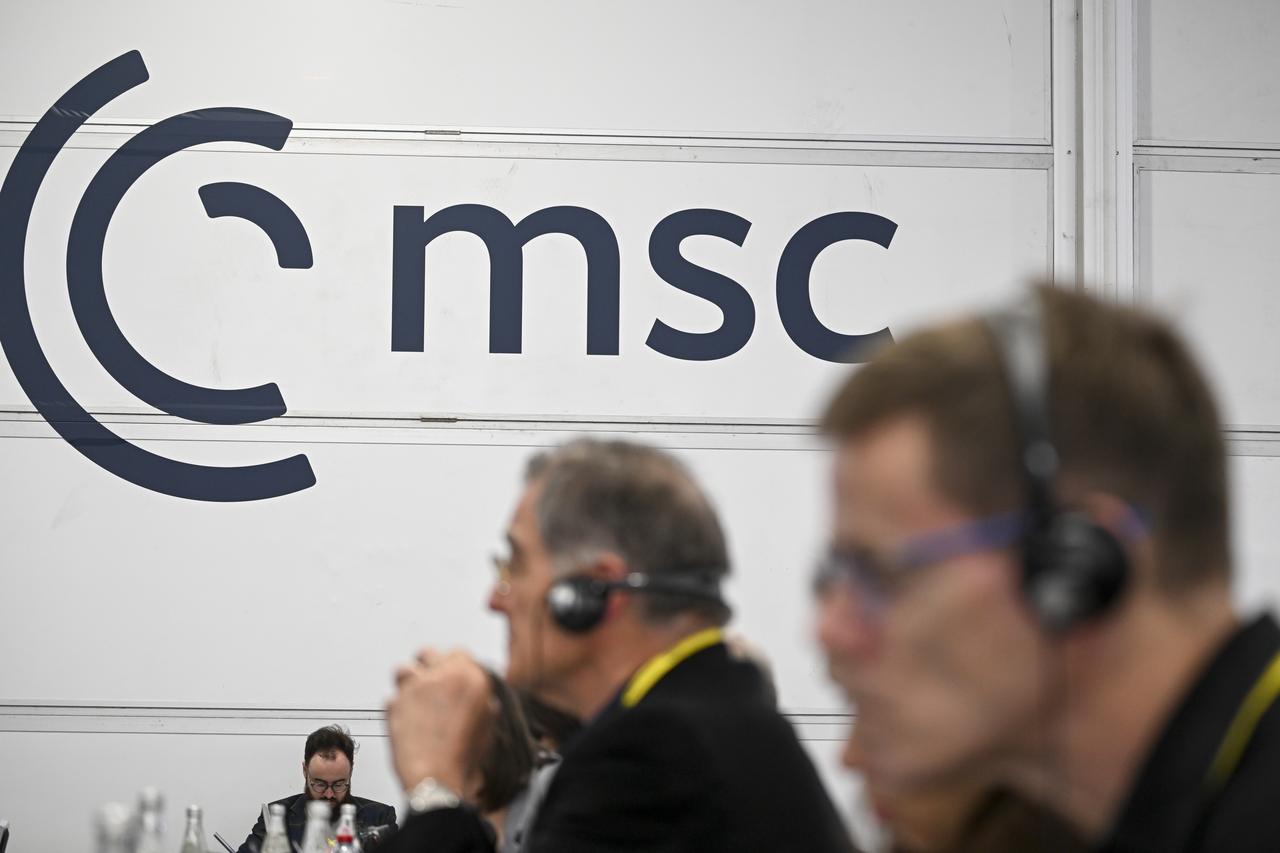
Speaking at a panel titled “Destructive Ambiguity: Deterring and Countering Hybrid Warfare” at the Munich Security Conference, Martin Jager, head of the German Federal Intelligence Service, or BND, said Western responses so far have been insufficient.
“We must make it very clear to the other side: if you continue to do such things, this will not be without consequences,” Jager said.
“This is the missing last link,” he added.
Jager said Western countries should more frequently demonstrate their ability to respond in kind.
“We should much more often prove that we would be able to do very similar things to make the other side also feel the pain,” he said.

Jager described Russian hybrid warfare as an integral part of Moscow's military doctrine, aimed at dividing NATO, manipulating elections, and weakening European Union institutions.
He cited sabotage, cyberattacks, disinformation, drone incursions, and espionage as key tools used in these efforts.
“Deterrence is not working yet,” Jager said, calling for a more operational posture and a “whole-of-government approach.” He stressed that “the public is the main target.”
Moldovan President Maia Sandu said her country has experienced “probably all the elements of hybrid war,” identifying cognitive and information warfare as the most dangerous components.
“In the case of Moldova, Russia's narrative has been: you are a small country, you have a weak state,” Sandu said, adding that Moscow has sought to portray the EU as incompatible with Moldova's “traditional values.”
She said that on Election Day, the Moldova Central Electoral Commission website faced “almost 1 billion malicious requests” in an effort to discredit the vote.
“Just one troll farm … reached 35 million views in a country with 2.4 million people,” Sandu said, estimating that Russia spent the equivalent of 2% of Moldova's gross domestic product (GDP) on interference efforts last year.
Swedish Prime Minister Ulf Kristersson said democracies must remain cautious but firm.
“We have not exhausted those possibilities,” Kristersson said when asked about countering Russia's so-called shadow fleet in the Baltic Sea. “Hurting the Russian economy is another way of doing that.”
NATO Military Committee Chair Giuseppe Cavo Dragone stressed the need for proactive measures, including early and proportional responses.
“If I know in advance that something is going to happen in this hybrid field … doing something proportional could be an option,” he said, suggesting that preemptive actions in cyber or electronic warfare “could save lives.”
However, he acknowledged that NATO actions are constrained by democratic principles.
“We have a lot of limits given to us by our morale and by our ethics that our counterparts don’t have,” Dragone said.


 Set as preferred source
 Set as preferred source


 1 min read
 1 min read