Newsletters


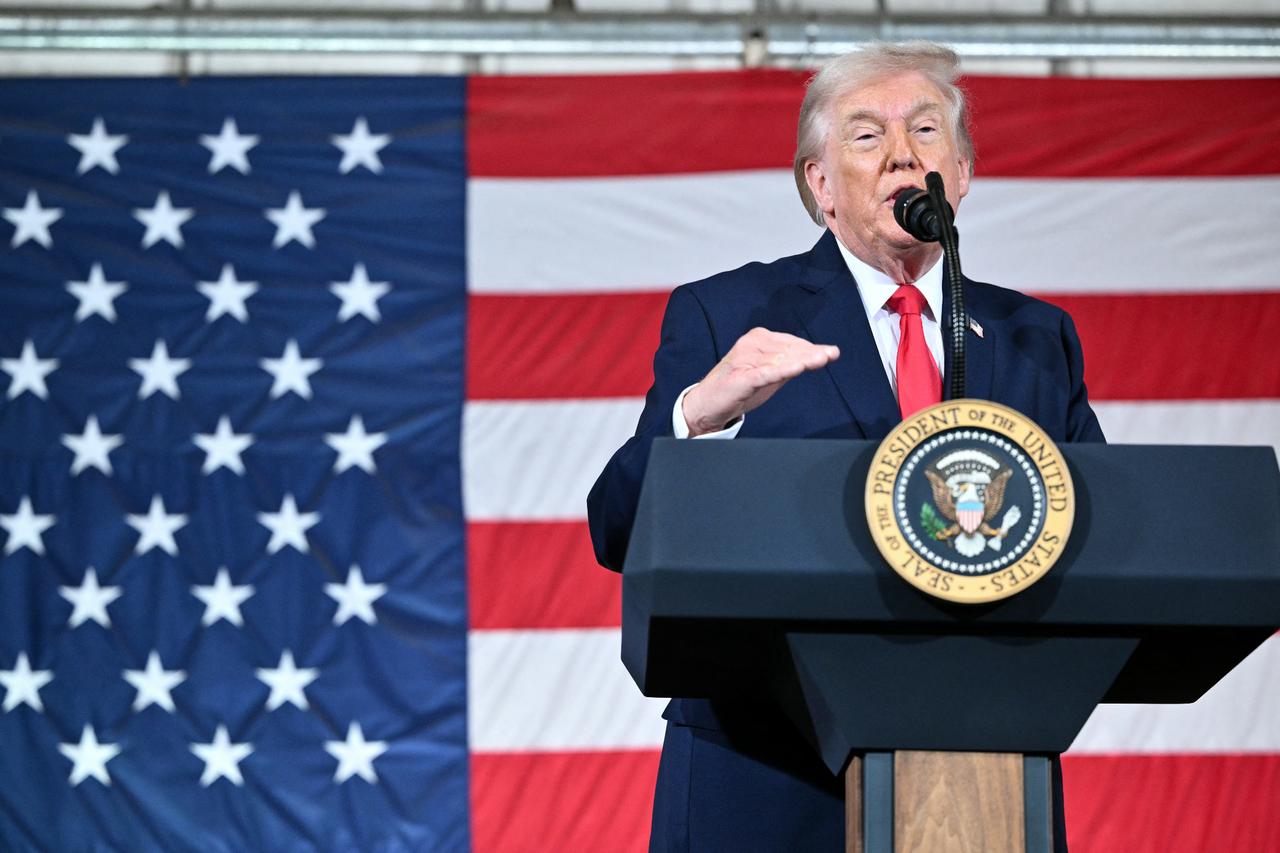


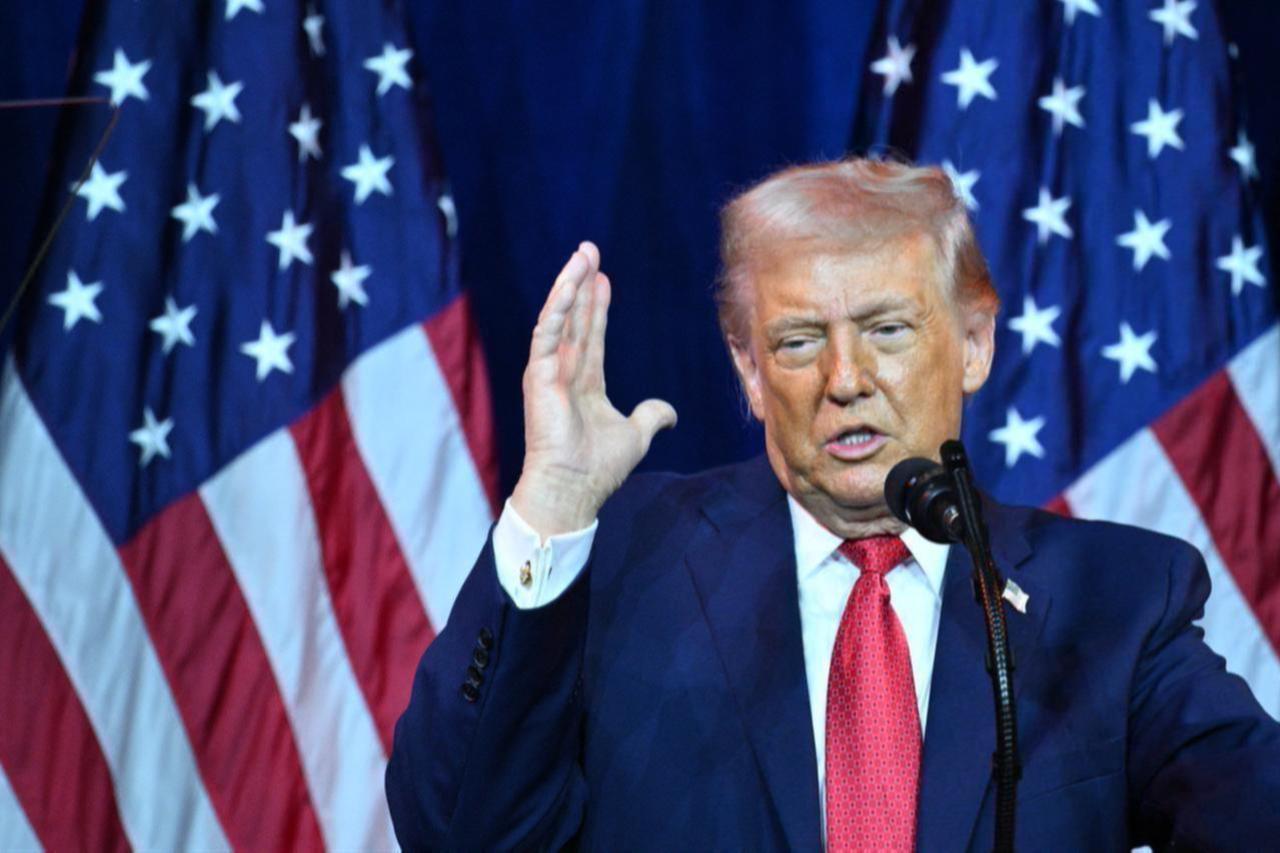
U.S. President Donald Trump said Friday that the U.S. is prepared to deploy a “very big force” if ongoing negotiations with Iran fail, as Washington boosts its military presence in the Middle East.
Speaking to reporters, Trump said a second aircraft carrier would be sent to the region if no agreement is reached with Tehran.
“Well, in case we don’t make a deal, we’ll need it. If we have a deal, we could cut it short,” Trump said when asked why he decided to send a second carrier.
“It’ll be leaving very soon. We have one out there that just arrived … We have it ready. A big, a very big force,” he added.
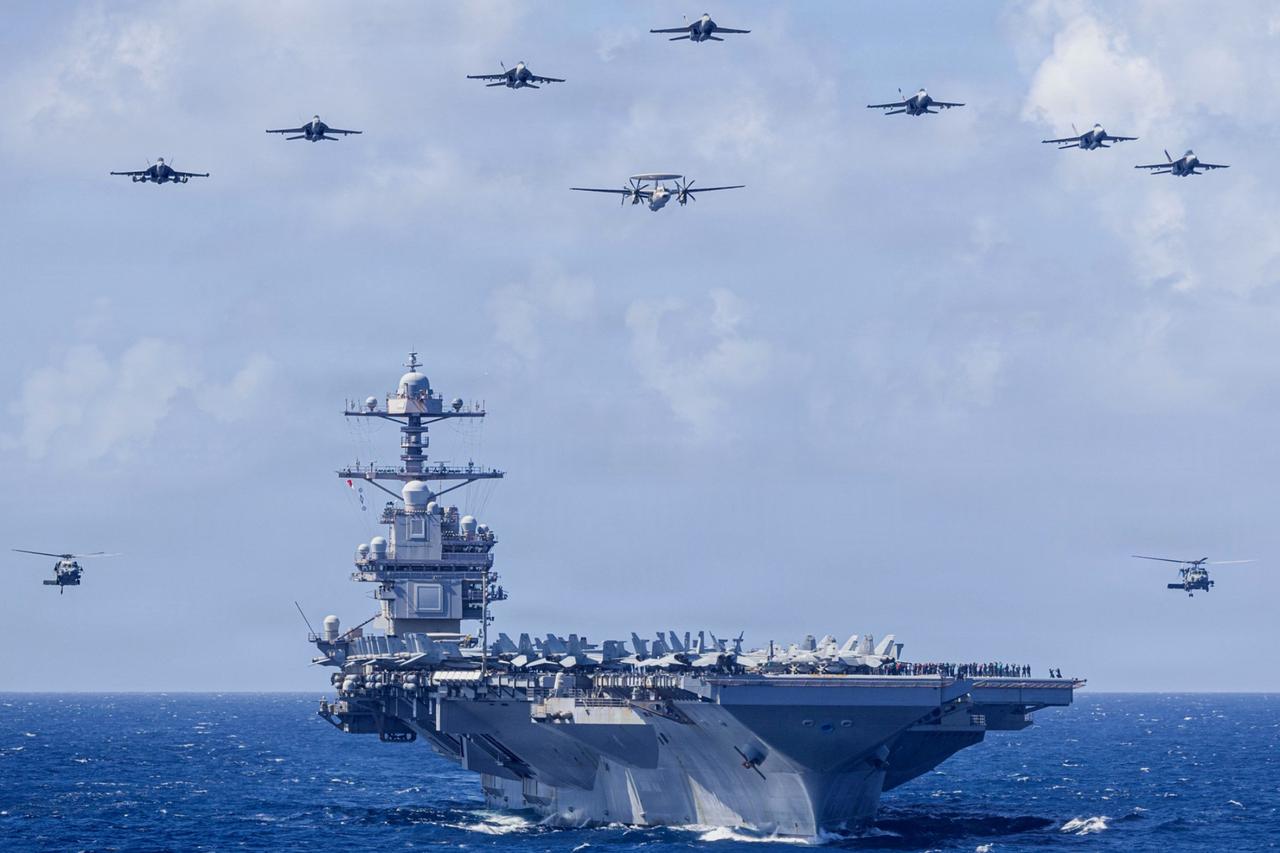
His remarks followed reports that the U.S. will send the USS Gerald R. Ford to the Middle East to back up the USS Abraham Lincoln carrier strike group.
When asked about the negotiations, Trump said he believes they will be “successful.”
“And if they’re not, it’s going to be a bad day for Iran; very bad,” he said.

The U.S. and Iran held indirect talks in Muscat on Feb. 6 with Omani mediation to discuss Tehran’s nuclear program.
The meeting marked the end of an approximately eight-month suspension after the U.S. launched strikes on Iranian nuclear facilities during an escalation of the Iran–Israel conflict in June 2025.
Uranium enrichment remains a central point of dispute. The U.S. demands that Iran halt uranium enrichment and transfer highly enriched uranium out of the country, a condition Tehran rejects.
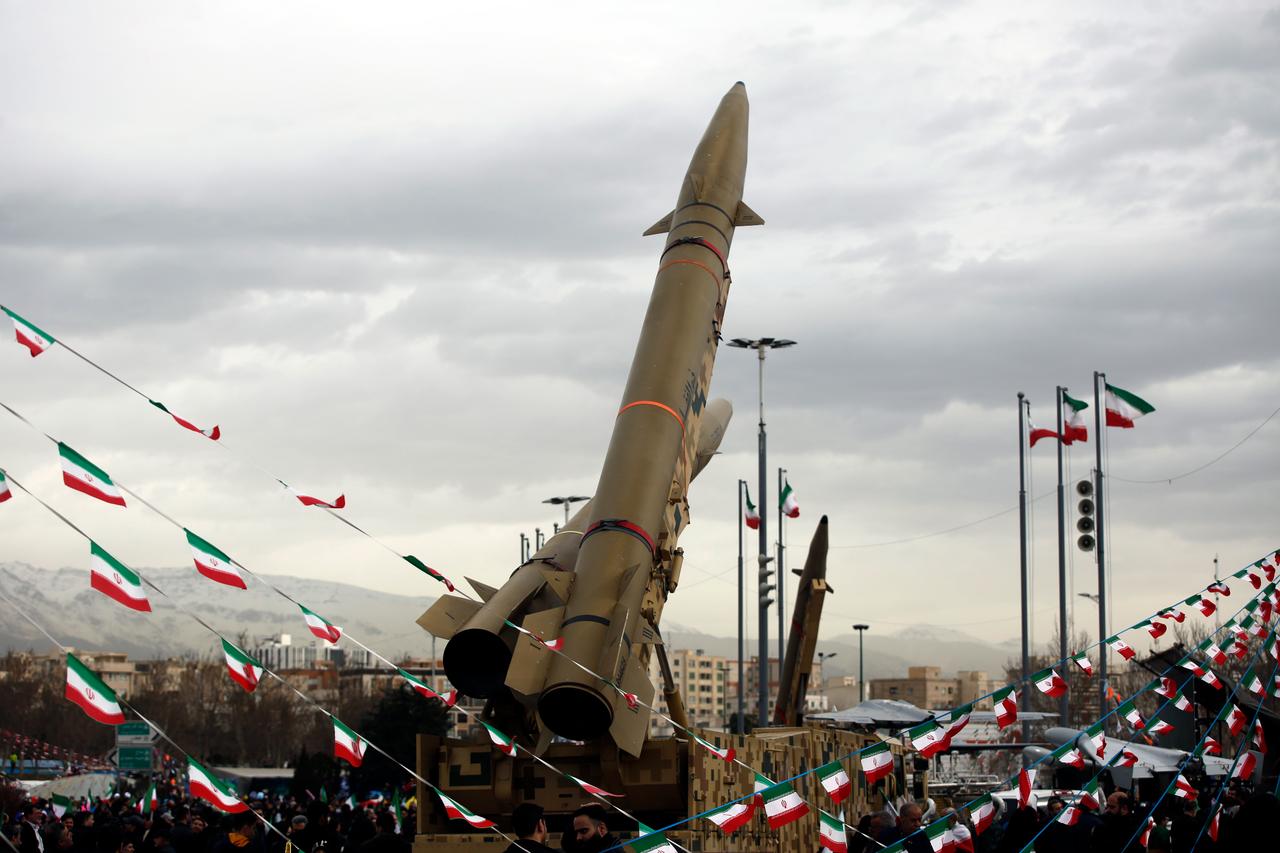
Washington has also sought to include Iran’s missile program and its support for armed groups in the region in the negotiations, but Iran has repeatedly said it will not negotiate issues beyond its nuclear program.
Amid the negotiations, the U.S. has significantly increased its military footprint in the region.
According to The New York Times, B-2 stealth bombers and other long-range U.S. aircraft capable of striking Iran remain on heightened alert. Citing a senior U.S. official, the report said the Pentagon raised the alert level of the bombers nearly a month ago.
The aircraft, based in the U.S., could be used in potential strikes targeting Iran’s nuclear or ballistic missile facilities if diplomacy fails.
The USS Abraham Lincoln, along with three Tomahawk missile-equipped warships, is leading a group of about a dozen U.S. naval vessels deployed across the Arabian Sea, the Persian Gulf, the Red Sea and the eastern Mediterranean.
The carrier’s F-35 fighters and F/A-18 attack planes are within striking distance of targets in Iran. The U.S. has also sent more than a dozen additional F-15E attack planes to the region.
Military analysts said signs of preparation for major operations include increases in aerial refueling tankers and the deployment of EA-18 Growlers, radar-jamming aircraft that escort bombers. Growlers are aboard the Lincoln, and U.S. Central Command has flown some to a base in Jordan.
Flight-tracking data suggests the U.S. is moving additional aircraft, including refueling and reconnaissance planes, closer to or into the region.
Another potential indicator of offensive planning would be repositioning a ballistic missile submarine from the Mediterranean to the Red Sea or Arabian Sea. Such a submarine can carry up to 154 Tomahawk cruise missiles, though no such movement has been publicly observed.
White House spokesperson Anna Kelly said Trump “has all options on the table with regard to Iran” and will decide based on national security interests.
Iran maintains that its nuclear program is for civilian purposes. U.S. officials said the military buildup is intended to ensure readiness and deter retaliation if diplomatic efforts collapse.


 Set as preferred source
 Set as preferred source


 2 min read
 1 min read