Newsletters


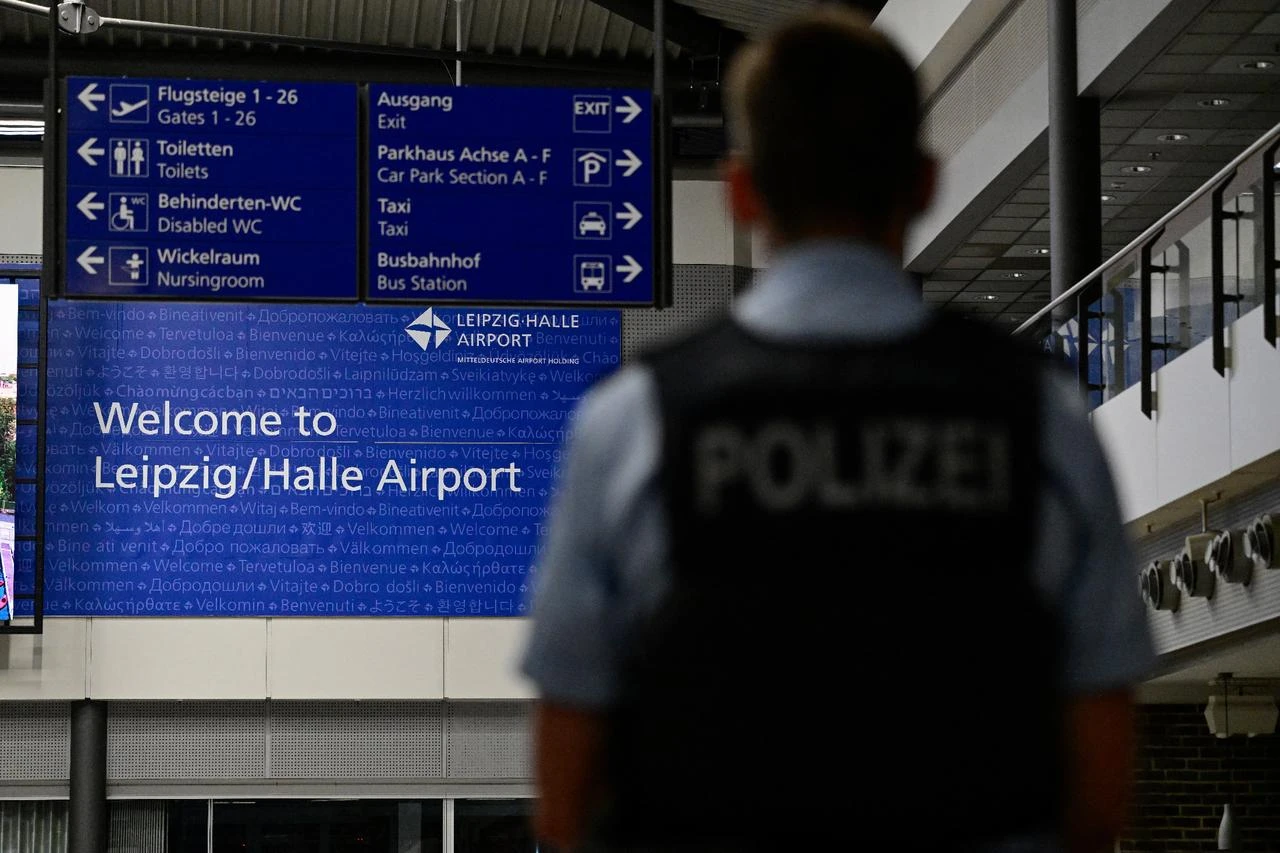


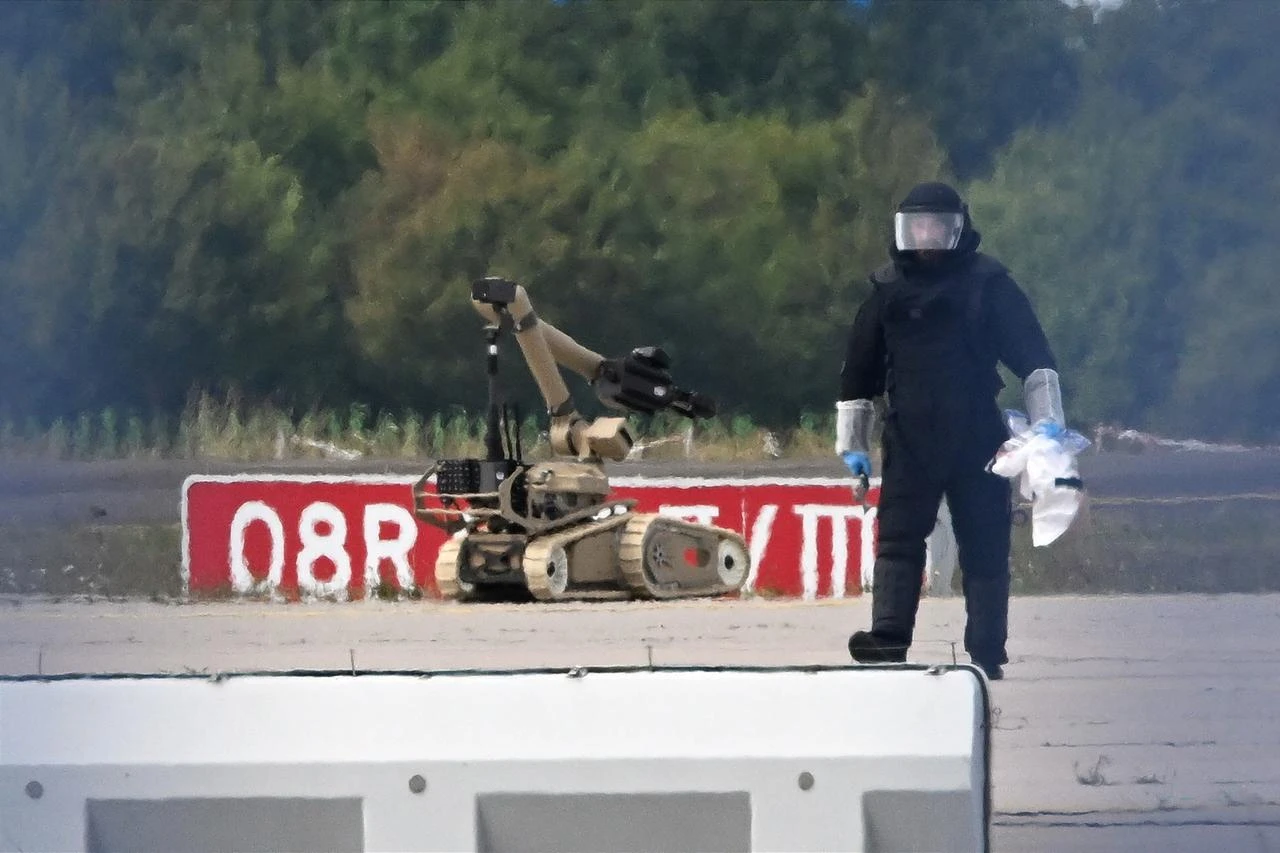
Germany plans to double its federal anti-drone force to 300 officers and expand its network of operational bases from four to eight nationwide, in direct response to a foiled bombing plot involving an explosive-laden drone at Leipzig/Halle Airport, according to Bild am Sonntag, which cited government sources.
Interior Minister Alexander Dobrindt is preparing to issue a ministerial directive to the Federal Police Headquarters ordering the expansion.
The special forces unit for drone defense, established only late last year, would grow from roughly 150 to 300 highly specialized personnel under the plan, according to the newspaper.
The special units have so far operated mainly out of existing air squadrons and major-city directorates, including a key base at the Federal Police air squadron in Ahrensfelde-Blumberg, near Berlin in Brandenburg, according to Bild.
Doubling the number of bases is intended to ensure special forces can reach potential incident sites, such as commercial airports, military installations or major logistics hubs, significantly faster in an emergency, the newspaper reported.
The directive responds to investigators' findings following the Leipzig drone incident, which they believe was a coordinated "hybrid attack scenario."
The additional bases are to be equipped with modern detection, jamming and interception technology, with the goal of identifying hostile drones as early as possible, disrupting their control signals and neutralizing them if necessary.
Dobrindt told Bild am Sonntag that Germany faces daily attacks from abroad, though he did not name specific countries.
"We're not at war, but we are the daily target of hybrid warfare," Dobrindt said.
"Espionage, sabotage, cyberattacks, or covert operations by foreign powers aimed at destabilizing Germany or inflicting direct harm are a constant reality," he added.
He said foreign powers wanted to subdue Germany politically and socially by stirring up fear.
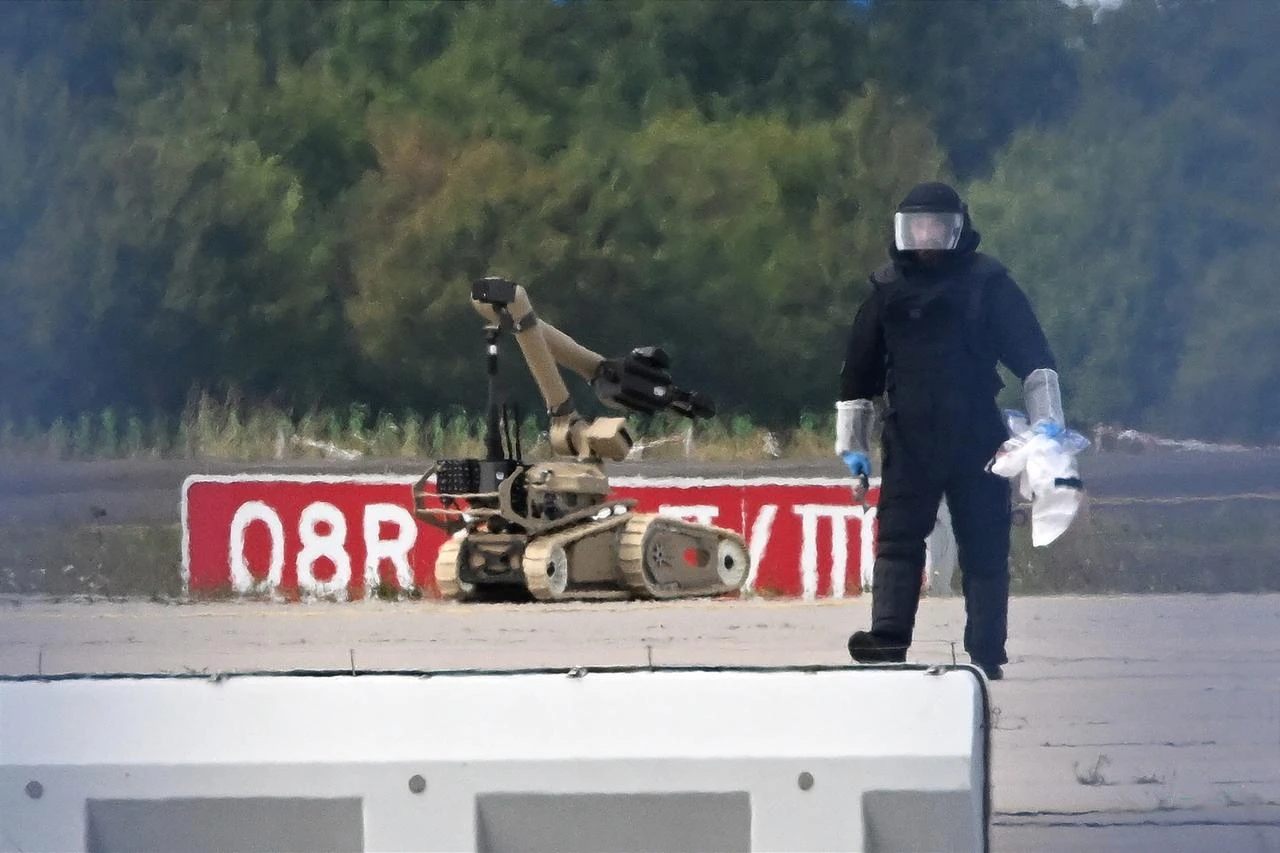

Investigators are now pursuing a specific theory: that the Leipzig plot involved a highly complex military-style operation using at least two drones, according to Bild.
Suspicion had emerged early that, alongside the explosive-laden drone discovered on the airfield overnight Tuesday into Wednesday, a second tactical drone, functioning as a kind of "mothership", may have also been involved.
Bild reported that evidence supporting this theory has since strengthened.
Analysis by investigators and experts suggests a second drone maintained visual contact with the explosive-laden drone on the ground and transmitted images to the operators controlling the operation. That still-unrecovered second drone is believed to have served a relay function, transmitting control signals and live images to those behind the plot, Bild reported. Investigators suspect the unidentified object that collided with a DHL cargo plane over the airfield that night may have been this second relay drone.
As previously reported, an airport bus driver who had just dropped off a group of nighttime plane-spotters discovered the drone hovering just above the ground while driving to the depot and kicked it down.
The drone was equipped with an auxiliary battery and an explosive package made of Semtex. Bild reported that the detonator was defective, which it said explains why the device did not detonate earlier or upon discovery.
When flight operations were halted following the drone's discovery, the DHL aircraft was forced to abort its landing and collided with an unidentified flying object, believed to be the second drone. That collision is believed to have caused the plot to spiral out of the plotters' control, Bild reported.
Dobrindt attributed the attempted bombing to a "foreign power" without explicitly naming Russia, telling Bild it was the "goal of foreign powers" to subdue Germany "politically and socially."
Security experts and federal prosecutors investigating the case believe the new details support the theory that professionals, not amateurs, were behind the operation, according to Bild, which reported that such a coordinated two-drone system would require specialized expertise and precise coordination.
Investigators are confident both aircraft were coordinated and piloted by an experienced team operating from the immediate vicinity of Leipzig Airport, Bild reported, adding that the search for the drone operators and additional debris around the airport continues.
After the explosive-laden drone was discovered Tuesday, some German lawmakers pointed to Russia, which has been at war with Ukraine since its 2022 invasion.
The Russian Embassy in Berlin dismissed the Leipzig incident Friday as a "fabricated provocation," calling it another example of unsubstantiated accusations against Russia, Reuters reported.
Germany's armed forces said Saturday that two drones were spotted late Thursday over a military base in Mechernich, in the western state of North Rhine-Westphalia.
A military operational command spokesperson told Agence France-Presse (AFP) that the security center at the Mechernich site reported the sightings to police Thursday, confirming reports in the German press, and that officers had opened an investigation, though the spokesperson declined to elaborate.
Mechernich is a special army site for storing equipment at a depth of 130 meters (425 feet) across roughly 30,000 square meters, equivalent to four football pitches.
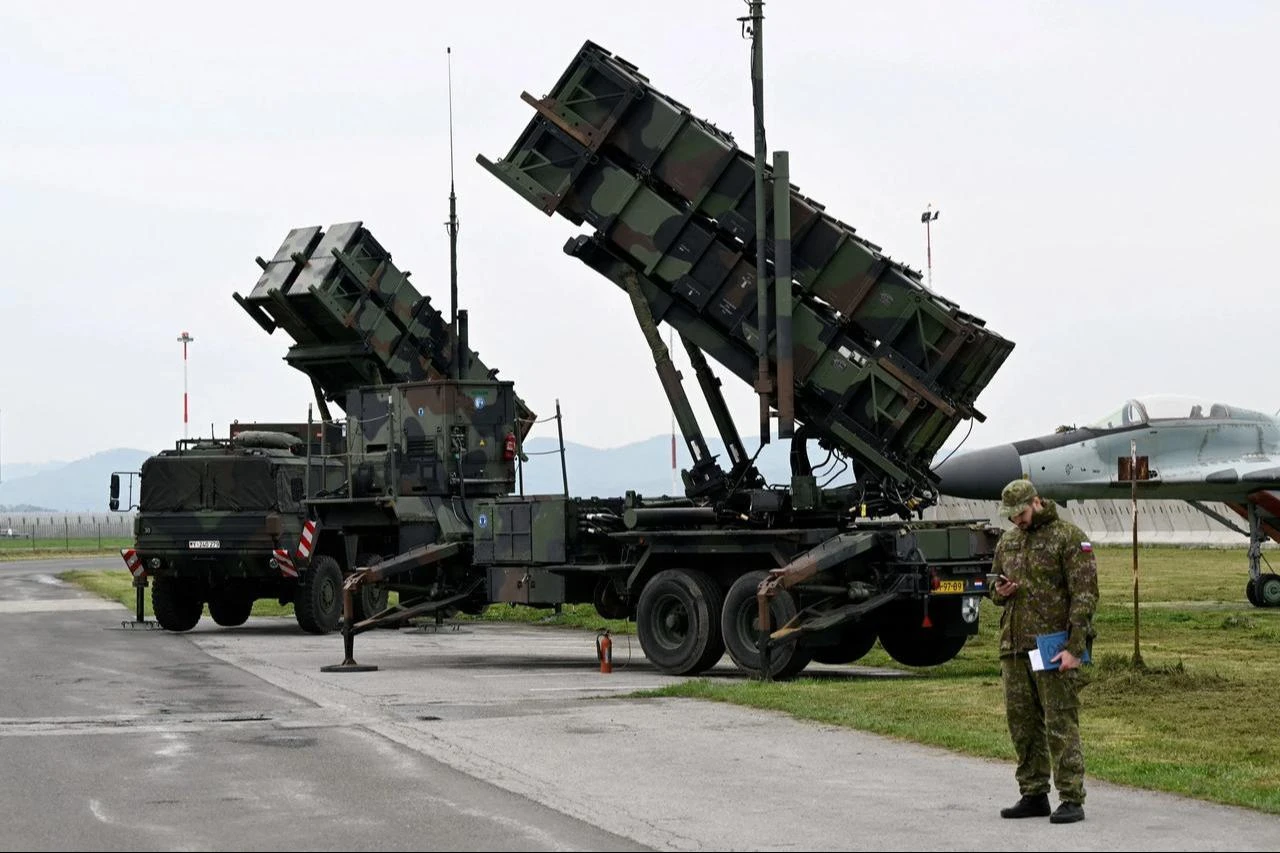
It houses components for U.S.-made Patriot air-defense systems, which Ukraine has frequently requested to help fend off Russian aerial bombardments.
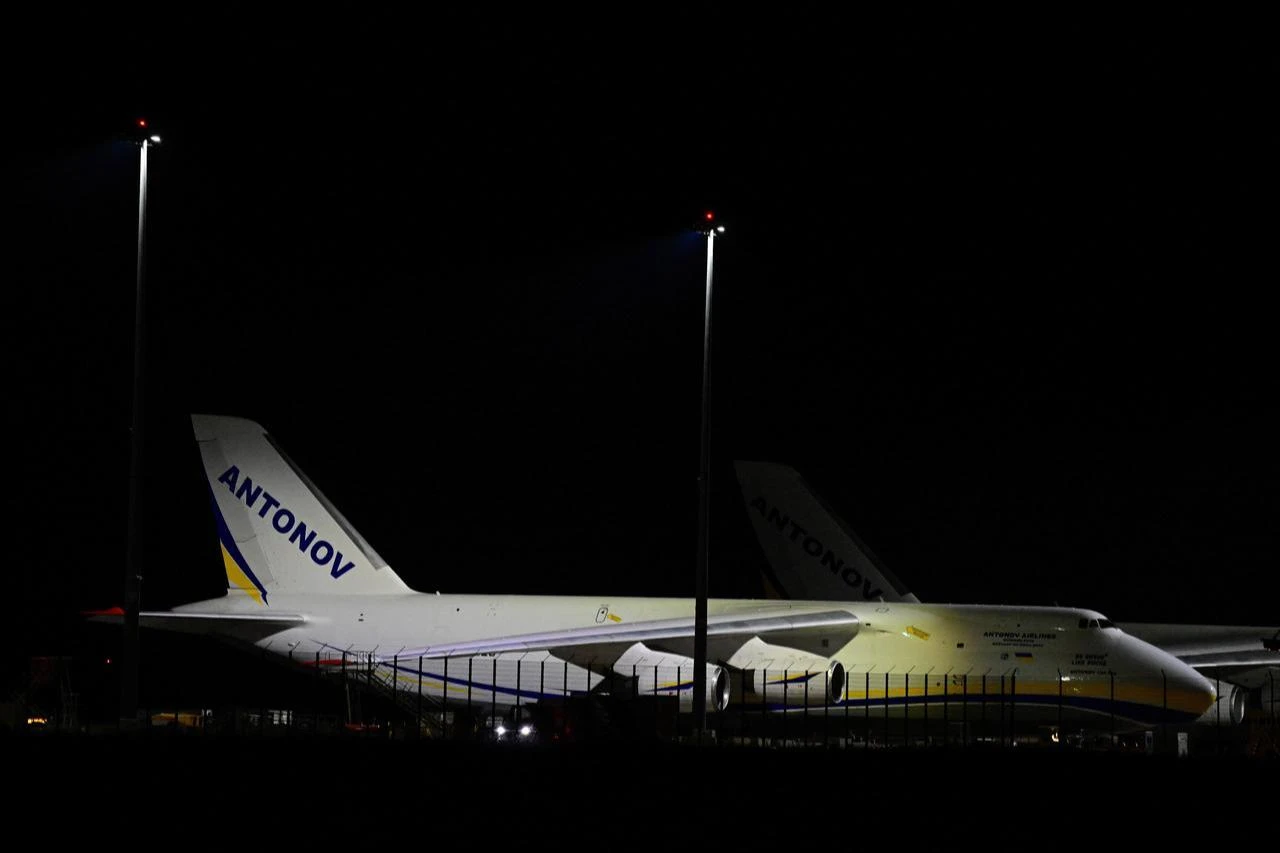
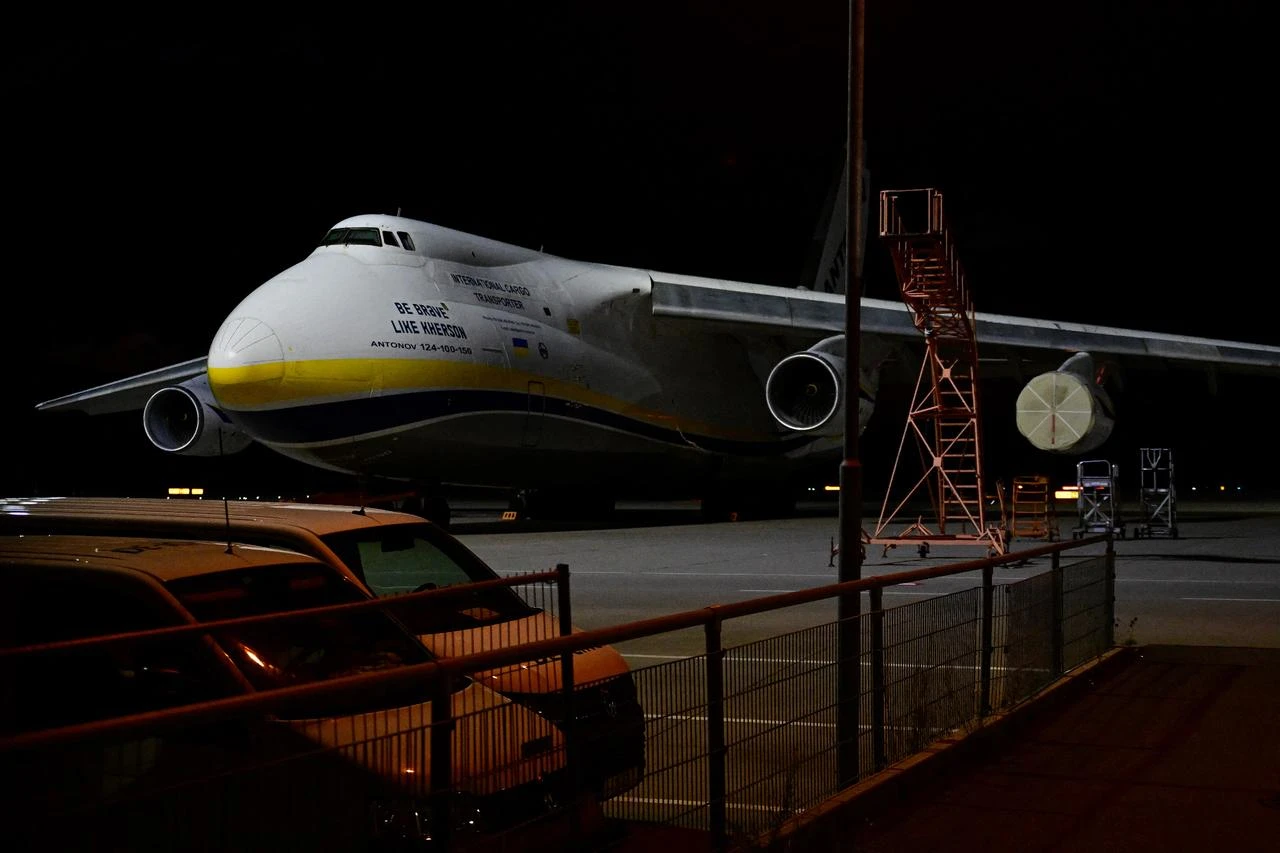
The incident came days after the explosive-laden drone was found near a Ukrainian cargo plane at Leipzig-Halle Airport, which plays a key role in transporting military goods for the German armed forces and NATO allies.
Various European countries have reported drone sightings above sensitive sites in recent years, with many leaders blaming Moscow amid high East-West tensions stemming from Russia's invasion of Ukraine.
A study by London's International Institute for Strategic Studies (IISS), with participation from the CSU-affiliated Hanns-Seidel-Stiftung, found that European states are currently unable to definitively attribute drone attacks, such as those on airports or sensitive military facilities, to Russia.
The study nonetheless concluded it is "very likely" that Russia has launched a campaign against Europe.
The study was first published in early July, with the Hanns-Seidel-Stiftung drawing renewed attention to it following the Leipzig incident.
"Our essential judgment is that Europe's current anti-drone architecture is not yet up to the level of the threat, even though NATO, the EU and national governments are now paying more attention to the issue," the study's authors wrote, according to Bild.
Serbian President Aleksandar Vucic told a German podcast that Russia's "hybrid war" against European powers is "essentially the same as what Europe has done to Russia," arguing Europe had armed Ukraine, imposed sanctions on Russia and provided Kyiv financial support.
Speaking on the MD Meets podcast hosted by Axel Springer CEO Mathias Döpfner, Vucic said Ukraine had not started the war, and that victim and aggressor should not be confused.
Vucic said he did not see the war between Russia and Ukraine ending before next spring due to an unwillingness to compromise, adding: "I believe we are at the beginning of a major war."
His remarks came after he met Ukrainian President Volodymyr Zelenskyy this week, when he pledged to support Ukraine's independence and improve bilateral economic ties.


 Set as preferred source
 Set as preferred source


 1 min read

 1 min read