Newsletters


Yemen’s Iran-backed Houthis told Saudi Arabia they would need $51 billion and formal recognition as Yemen's rulers to halt their attacks on Saudi Arabia, The Wall Street Journal (WSJ) reported, citing people briefed on the discussions.
Riyadh reached out to the group to see what a negotiated halt would take after the Houthis attacked Saudi oil tankers in the Red Sea and seized territory commanding the Bab al-Mandeb Strait.
The Houthis said the sum would cover years of Saudi strikes and a long blockade. Other figures have come up since, but the message was that an exit would cost tens of billions of dollars, the people said.
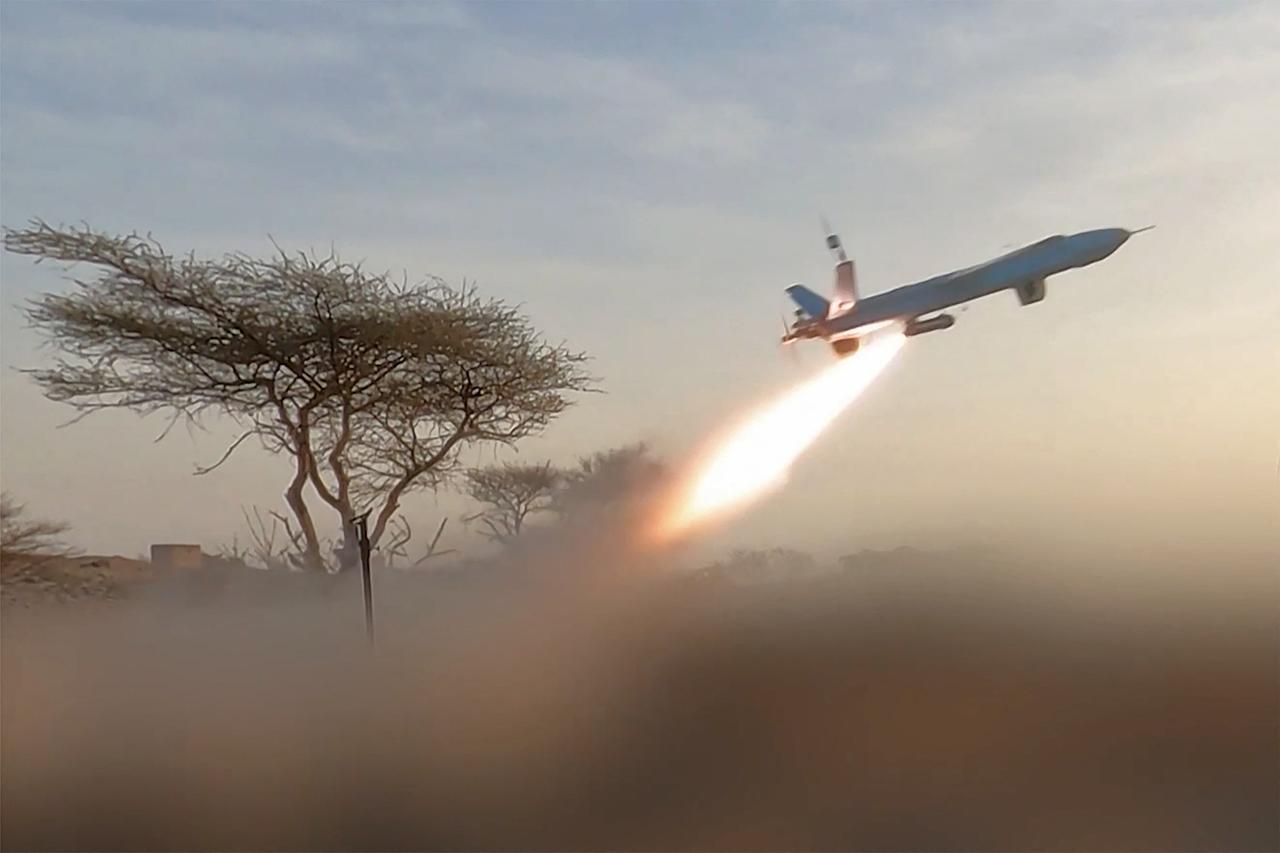
Fighting flared again this summer with Houthi attacks on Saudi oil facilities and airports and an offensive that has taken more strategic territory. The Houthis have moved to within about 50 miles of Aden, seat of Yemen’s internationally recognized government, closer than at any time since 2015.
In October, the Houthis carried out near-daily attacks on Saudi Arabia, targeting civilian airports and Saudi Aramco facilities, said Ameneh Mehvar, a senior Middle East analyst at the conflict monitor ACLED. There have been 26 reported incidents in Saudi Arabia in recent days alone, according to ACLED.
A Houthi strike in Yemen’s Shabwah governorate killed at least 75 people and wounded over 200, the deadliest since the civil war reignited.
"The imbalance of risk between the Houthis and Saudi Arabia is even greater now than it was in the earlier period of conflict between 2015 and 2022, as the impact of the strikes on civilian and energy infrastructure undermines investor confidence," said Kristian Coates Ulrichsen of Rice University’s Baker Institute, who spoke to WSJ.
The Houthis "present the Saudi leadership with few viable military options against an adversary that is well-entrenched, dug in, and has far less to lose from a grinding war of attrition," he added.

Crown Prince Mohammed bin Salman does not want to negotiate fully without battlefield gains to use as leverage, but worries that sending more troops could be bloody and spark anger at home, Saudi officials told the WSJ.
Dozens of casualties have occurred but have not been publicly reported, the report said.
"The Houthis are demanding a great deal, and in my assessment, the financial element may be the least significant concern for the Saudis," said Maged Al-Madhaji, co-founder of the Sana’a Center for Strategic Studies, who spoke to WSJ. "The bigger problem is establishing a precedent whereby the group can escalate militarily whenever it wants additional concessions or money."
"The Houthis have been using shorter-range ballistic missiles to attack places like Aden," said retired U.S. Army Col. David Des Roches, who spoke to WSJ. "What that does by announcing they can strike Aden is it makes it harder for the coalition to move ground forces and other elements in."
Saudi Arabia must use its Patriots and other interceptors against threats from Iran, Iraqi Shiite militias and the Houthis, Des Roches said. "What’s really needed is some sort of ground pressure and the Saudis don’t have the ability to provide those forces."
The UAE withdrew from the anti-Houthi campaign last December after a dispute with Riyadh. Saudi Arabia has sought help through the Mecca pact with Türkiye and Pakistan, under which an attack on one is an attack on all.
Pakistan has refused reports of joining strikes inside Yemen, and Egypt’s parliament approved military support in October, though President Abdel Fattah el-Sisi said any mission would be defensive only.
The U.S. has declined direct support.
Türkiye's parliament on Thursday approved the first article of the bill ratifying the Mecca Joint Defense Agreement, before the session was adjourned until 2 p.m.
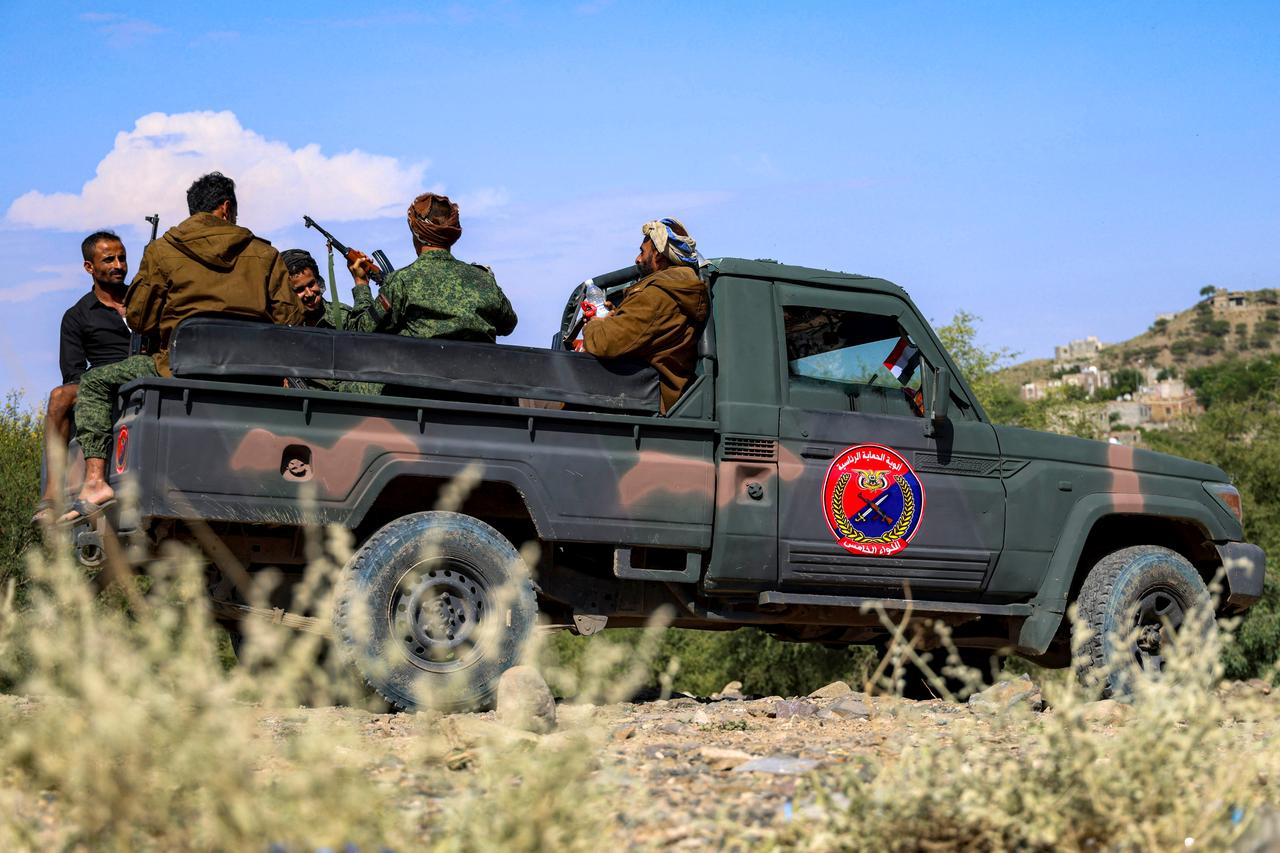
Yemen’s army said Wednesday it had carried out 1,322 operations against Houthi positions since its "Dawn of Yemen" offensive began Oct. 5, killing or incapacitating about 340 fighters and destroying or damaging 114 vehicles and equipment. It reported gains in Al-Jawf and Taiz provinces.
Fighting since July has killed and wounded thousands and displaced more than 250,000 people, according to the U.N.


 Set as preferred source
 Set as preferred source


 1 min read
 1 min read