Newsletters


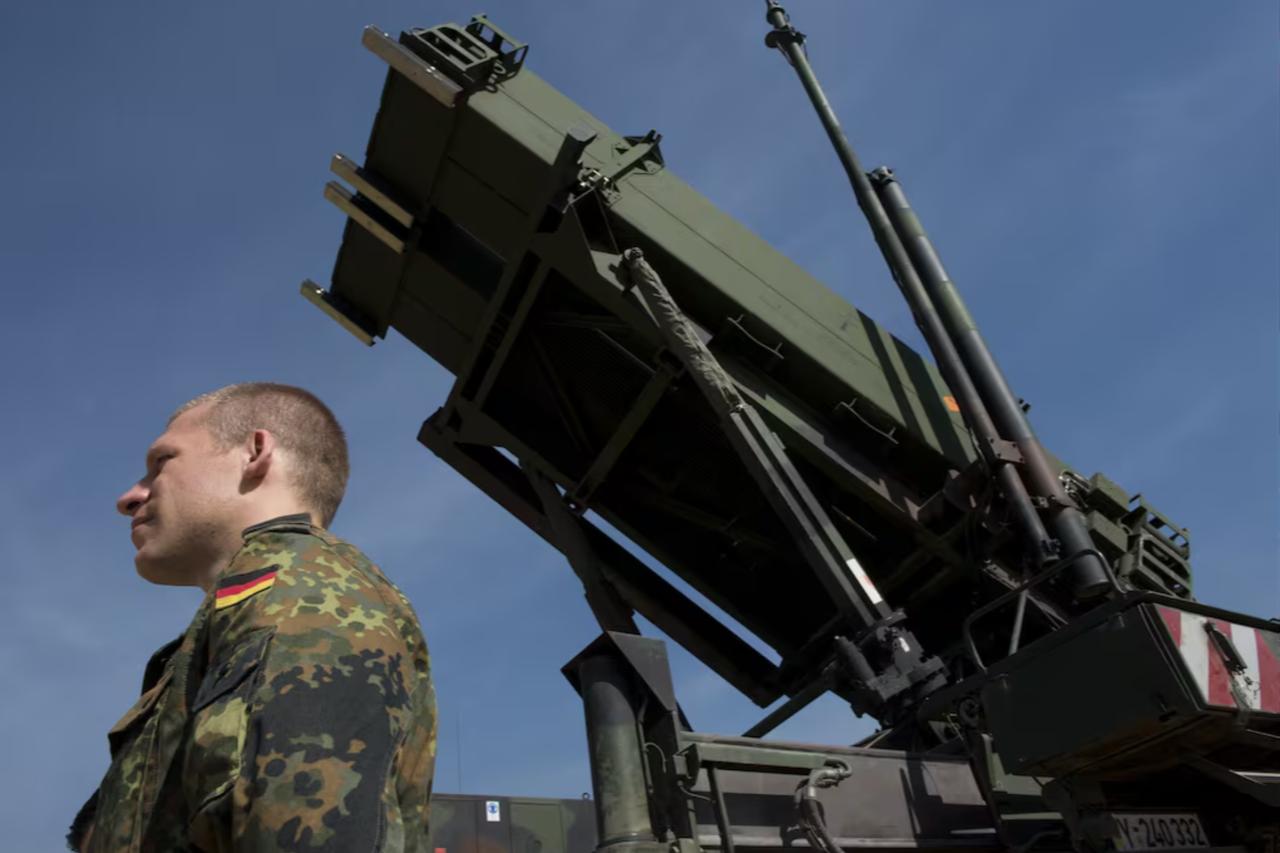


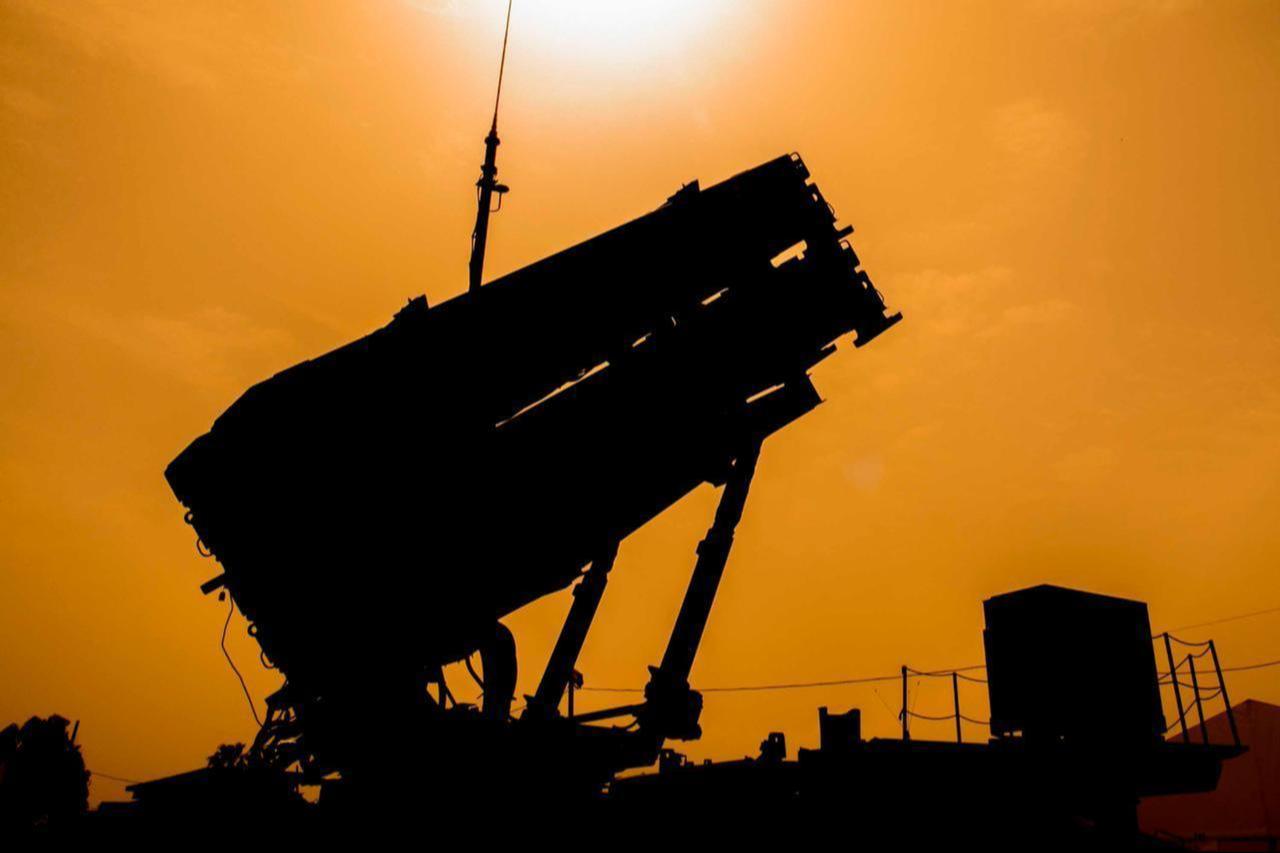
Germany deploys a Patriot air defense system and 150 soldiers to Türkiye starting late June, Berlin announced Monday, as the two NATO allies convened their first high-level strategic dialogue in more than a decade and confronted a crowded agenda spanning the Iran conflict, the war in Ukraine, Gaza, and the future of Türkiye's relationship with the European Union.
German Ambassador to Türkiye Sibylle Katharina Sorg announced the deployment on Monday, framing it as reinforcement of NATO's southeastern flank following repeated Iranian ballistic missile strikes on Türkiye in recent weeks. All incoming missiles were intercepted by the alliance.
"The strength of NATO comes from protecting one another and shaping our defense as an alliance," Sorg wrote, adding that the recent weeks, during which Türkiye was "repeatedly targeted by Iran with ballistic missiles, all of which were destroyed by NATO," had demonstrated the alliance's resolve.

The deployment announcement came on a day when German Foreign Minister Johann Wadephul and Turkish Foreign Minister Hakan Fidan held the third session of the Türkiye-Germany Strategic Dialogue Mechanism in Berlin, the previous meeting having taken place 12 years ago.
Fidan, who also met with German Chancellor Friedrich Merz during the visit, described the session as evidence of a shared "political will to take strategic cooperation even further." He added that in April Türkiye had signed a similar Strategic Partnership Framework Document with the United Kingdom.
Wadephul said both sides had discussed deepening cooperation on defense industry, energy, connectivity and economic matters "with concrete projects and mutual investments." He also flagged Türkiye's role as a significant bridge population, with Fidan noting that the Turkish community in Germany "is an important bridge that strengthens the human, cultural and economic foundation of our relations."
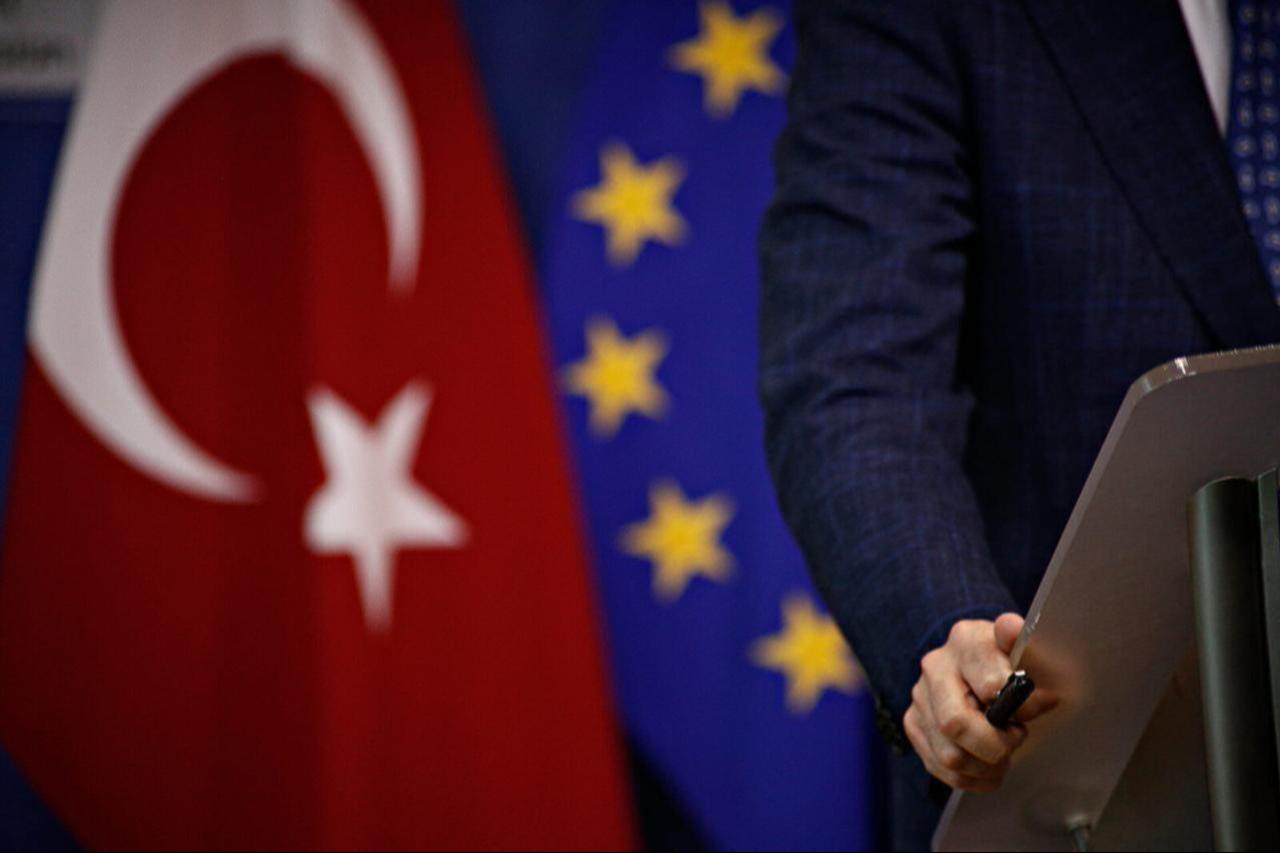
Wadephul addressed Türkiye's long-stalled European Union candidacy directly, saying Germany supports broadening the strategic relationship between the EU and Türkiye, particularly in areas of shared interest, and that Berlin backs Türkiye's inclusion in the development of EU defense and industrial policy instruments.
He also called for modernization of the EU-Türkiye Customs Union, which has been in force since 1995 but covers only industrial goods and processed agricultural products. Türkiye formally applied for EU membership in 1987 and accession talks have remained effectively frozen for years over concerns related to the rule of law, democracy and human rights, which Wadephul described as "binding prerequisites for EU membership" under the Copenhagen criteria.
"If Türkiye wants to move toward the EU, then it will find a friendly and reliable partner in Germany," Wadephul said.
Both ministers also pointed to the NATO Summit scheduled for July 7-8 in Ankara, the alliance's first in Türkiye since Istanbul in 2004, as a key moment. Wadephul said the summit "places Türkiye in a key position for further strengthening the alliance," and that it should address the rebalancing of burden-sharing between the United States and Europe. Fidan said preparations for the Ankara summit featured among the diplomatic topics discussed.
 1 min read
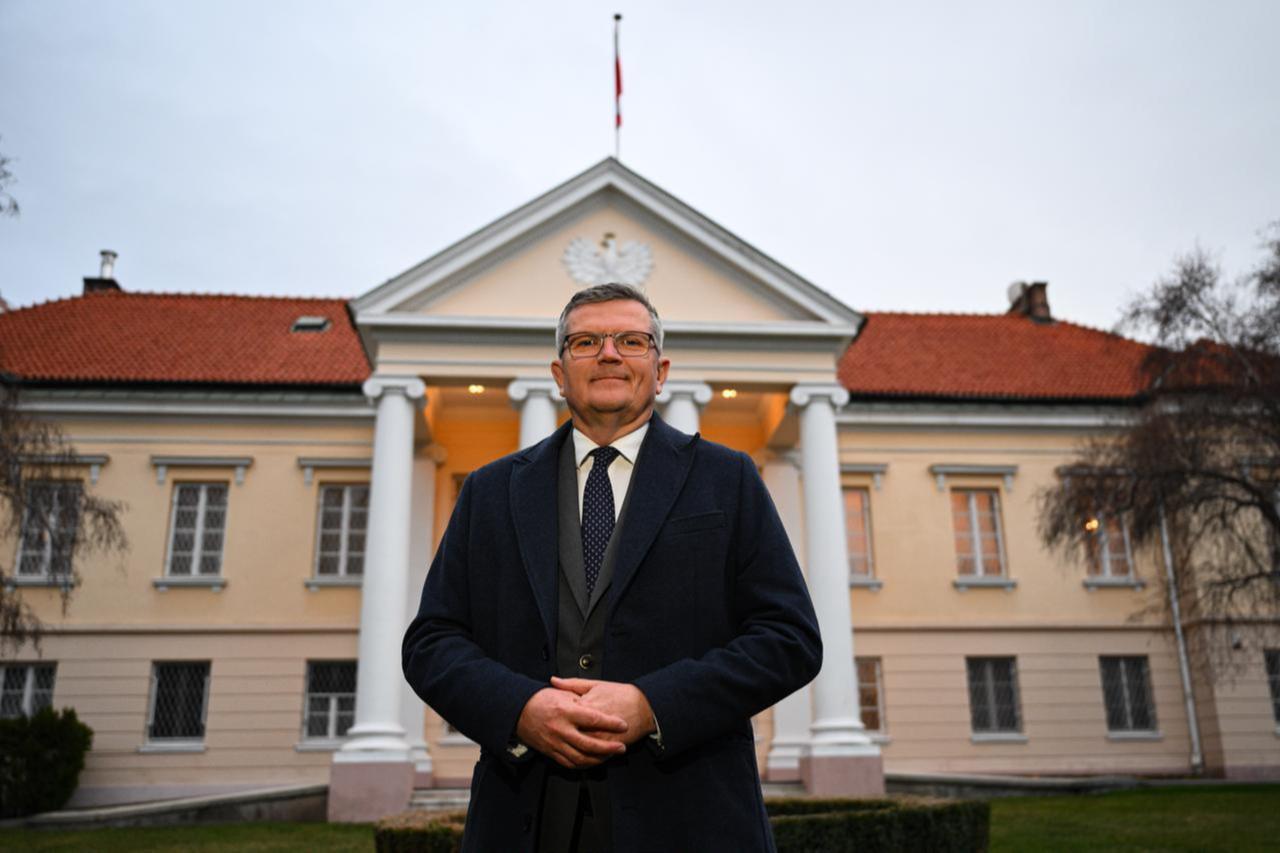
The ministers' agenda extended across several active crises. On Iran, Wadephul thanked Türkiye for its mediation efforts with Pakistan, Egypt and other countries, and called for an end to Tehran's ballistic missile program and the reopening of the Strait of Hormuz. "We all agree that Iran should no longer pose a threat to its neighbors in the future," Wadephul said.
"Iran must not acquire a nuclear weapon." Fidan, for his part, said the two sides had exchanged views on the Iran-related conflict and emphasized "the importance of resolving current crises through diplomatic means."
On Ukraine, Wadephul acknowledged Türkiye's repeated offers to mediate between Kyiv and Moscow, and said Europe was "ready to take on a more constructive and active role" in ending the conflict, but that Russia needed to demonstrate a genuine willingness to negotiate.
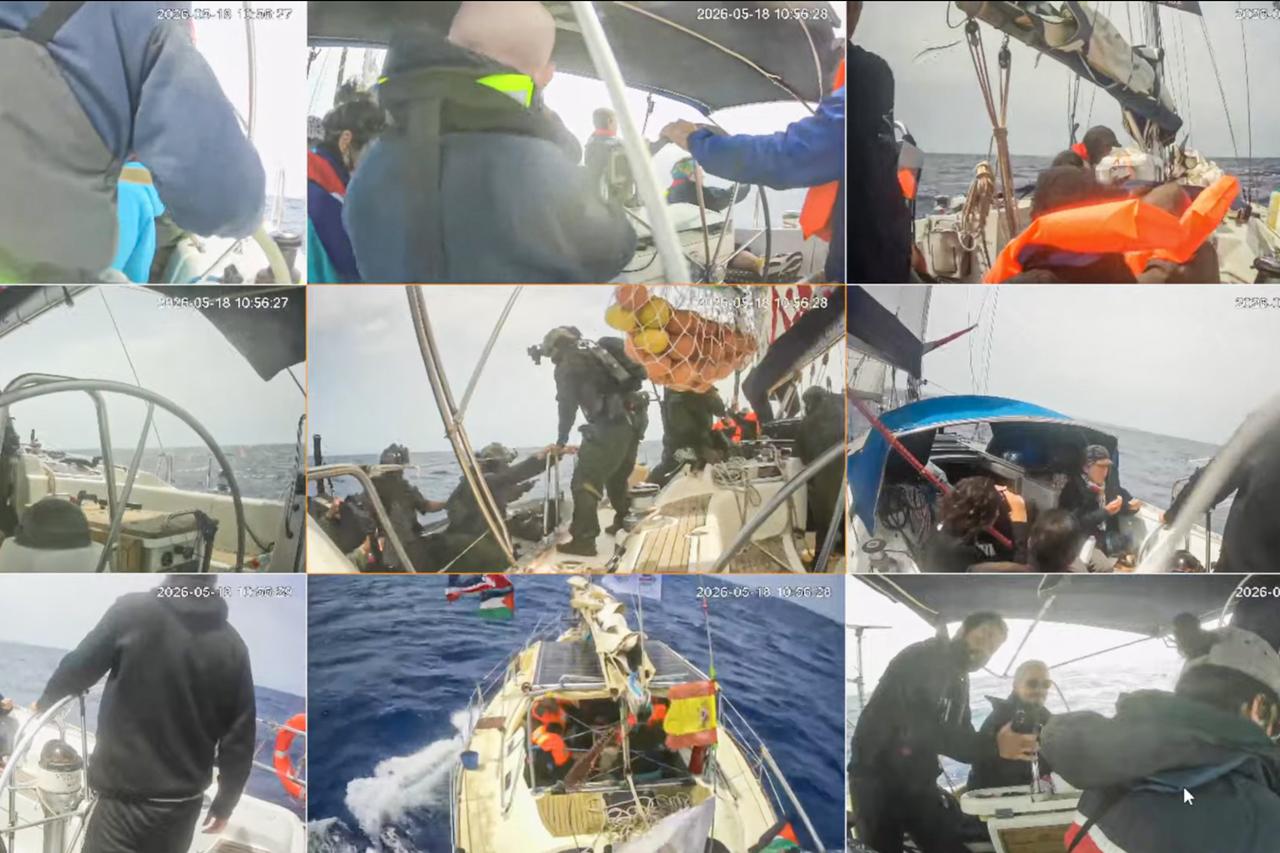
The two ministers were also asked about Monday's Israeli naval interception of the Global Sumud Flotilla, a convoy of more than 50 vessels that had departed from the Turkish port of Marmaris last week carrying humanitarian aid bound for Gaza. Both German and Turkish nationals were among those on board. Wadephul said he and his Italian counterpart had already called for "full respect for international law in force and avoidance of irresponsible behavior."
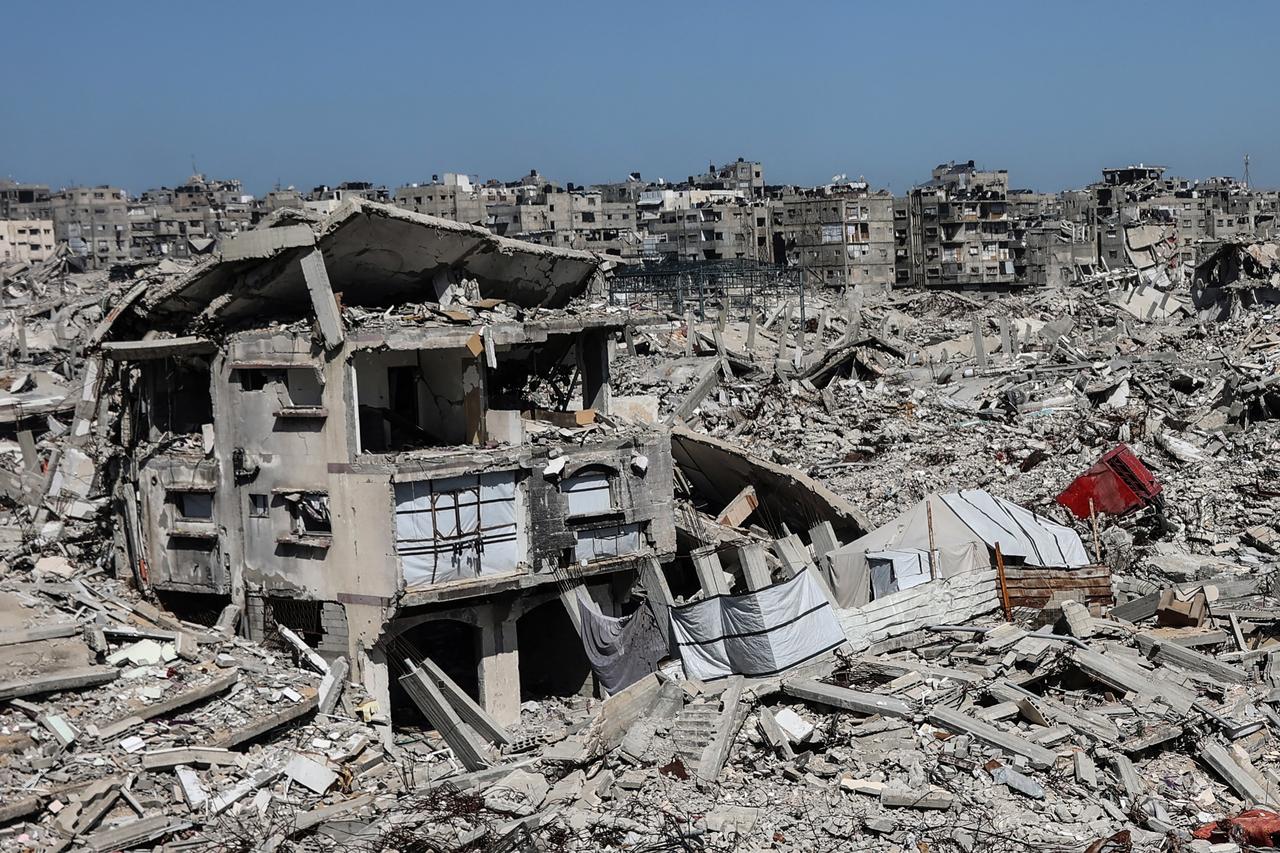
He acknowledged that Germany does not recommend flotilla-style actions due to their risks and the fact that no vessel has so far reached the Gaza coast, but said the priority remained protecting citizens "even on dangerous sea routes." He was unambiguous on Gaza's humanitarian situation, saying people in the territory needed medicine and aid and that Israel must be pressed to allow land-based delivery. "We must not take our eyes off the Gaza Strip and the people suffering there," Wadephul said.
Fidan concluded with a statement underlining the strategic weight of the bilateral relationship. "We will continue with determination our close coordination and cooperation with our ally Germany on bilateral, regional and international issues," he said.


 Set as preferred source
 Set as preferred source


 1 min read