

 Newsletters


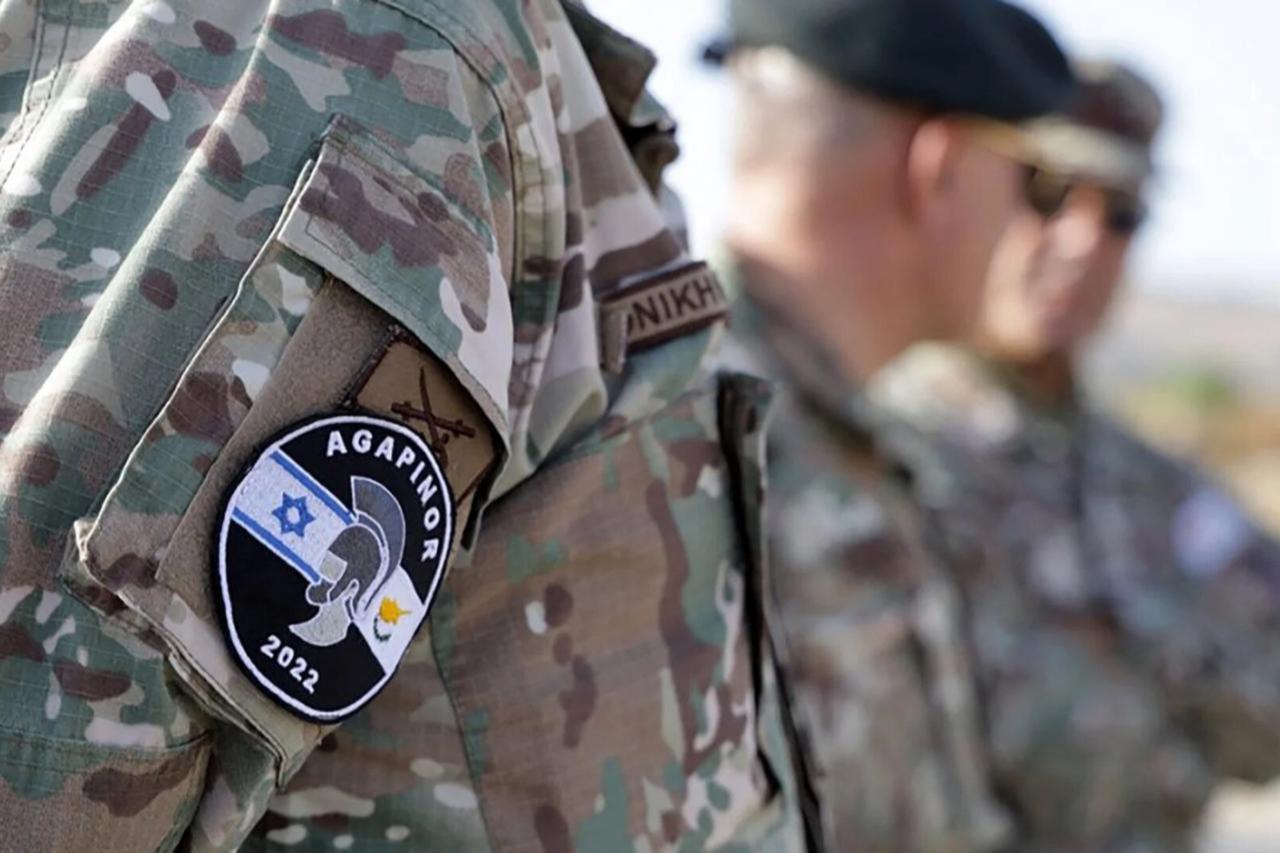


Greek Cypriot President Nikos Christodoulides, Defense Minister Vasilis Palmas and National Guard Commander Emmanuel Theodorou were seen singing a march referencing a return to Famagusta during a New Year visit to a military unit, according to Greek Cypriot media reports.
The visit included police and military band performances as part of New Year celebrations, with the officials accompanied by a priest.
Greek Cypriot press reported that Christodoulides joined soldiers in singing the march commonly known as “Soil I Walked, Famagusta,” which includes lyrics expressing longing for and return to Famagusta.
Famagusta, known as Gazimagusa in Turkish, is a historic port city on the eastern coast of Cyprus island and has remained a focal point of the Cyprus issue since Türkiye’s 1974 Cyprus Peace Operation. The city, under Turkish Cypriot control, includes Maras district, or Varosha in Greek, which has largely remained closed since 1974 and is known for its abandoned hotels and beachfront properties. Maras was abandoned after a 1984 U.N. Security Council resolution saying that only its original inhabitants can resettle the town.
Footage shared on social media showed Christodoulides, Palmas and Theodorou singing alongside soldiers, with lyrics referring to “the land I walk on, the land I long for, the land that gives me life, Famagusta.”
Christodoulides was also seen congratulating soldiers during the visit and accompanying the performance.
During the same period, Greek Cypriot commandos were reported to have chanted slogans such as “We will enter Karpas,” before again performing the Famagusta-themed song.
In its New Year message, the Greek Cypriot armed forces expressed a wish that “our warships will enter the ports of Kyrenia and Famagusta.” The video message concluded with the same march.
The Famagusta-themed march has appeared at previous military ceremonies. In November, it was performed at a commando graduation ceremony attended by Christodoulides at the Stelios Mavrommatis military camp, where priests were also present.
That same month, Christodoulides inaugurated the “Freedom Museum” in Hloraka near Paphos, which displays materials related to the EOKA terrorist organization. Speaking at the opening, he said Greek Cypriots owed their freedom to EOKA and stressed the importance of teaching its history to younger generations.
Cyprus island has remained divided for decades between Greek Cypriots and Turkish Cypriots despite repeated United Nations-led efforts to reach a comprehensive settlement.
Intercommunal violence in the early 1960s forced Turkish Cypriots into enclaves. In 1974, a Greek Cypriot coup aimed at uniting the island with Greece prompted Türkiye’s military intervention as a guarantor power. The Turkish Republic of Northern Cyprus was declared in 1983.
Peace talks have continued intermittently, including a failed round in Switzerland in 2017 involving guarantor powers Türkiye, Greece and the United Kingdom. The Greek Cypriot Administration joined the European Union in 2004, the same year Greek Cypriots rejected a U.N.-backed reunification plan in a referendum.


 Set as preferred source
 Set as preferred source


 2 min read

 1 min read



