Newsletters


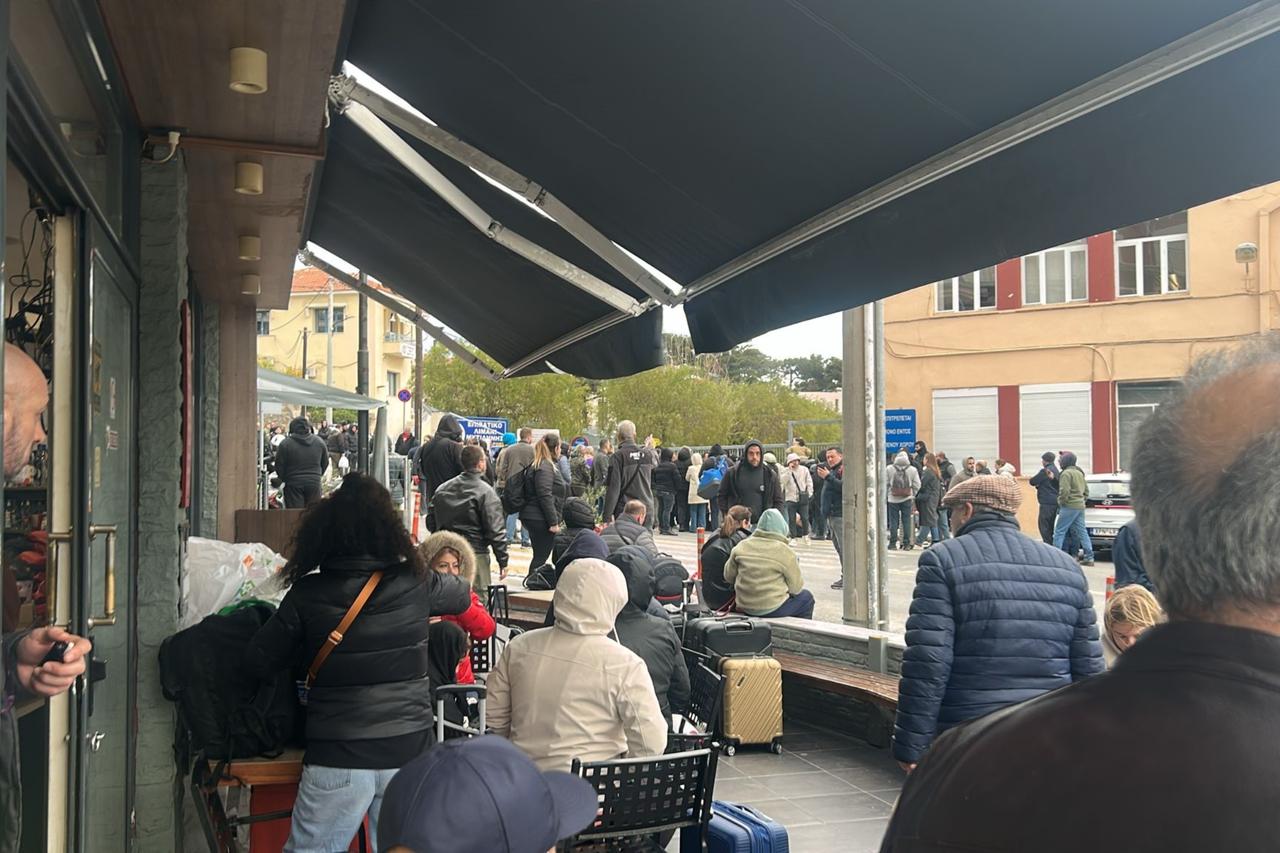


Turkish tourists stranded on the Greek island of Lesbos after farmers blockaded the island's port in protest over foot-and-mouth disease restrictions were able to make it back to Ayvalik on the evening of March 21, after waiting for hours amid major disruption to sea travel.
The protest broke out after the Greek government, citing European Union rules, placed the island under quarantine following the detection of foot-and-mouth disease, a zoonotic disease that can spread from animals to humans.
Under the restrictions, shipments of live animals as well as meat, milk, and cheese products from the island to other parts of the country or abroad were fully banned. In response, thousands of farmers whose livelihoods depend on livestock took to the streets.
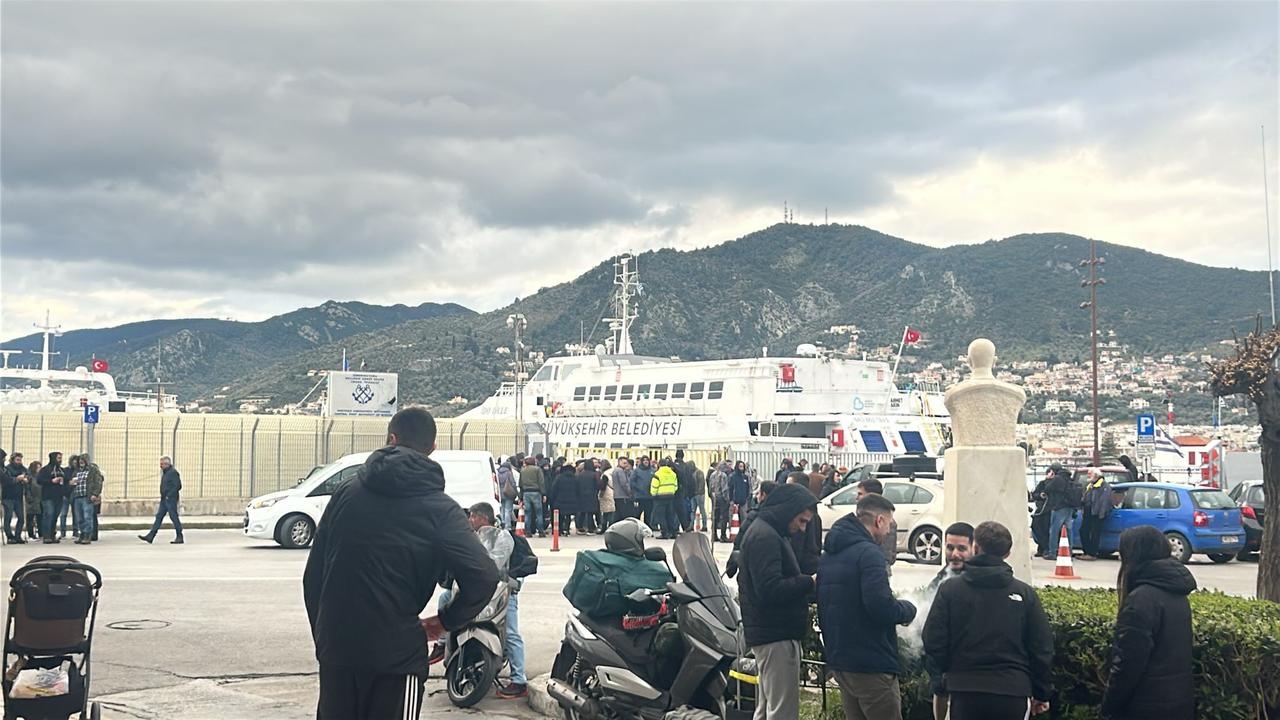

As the protest gathered pace, around 7,000 people headed for the Port of Lesbos, one of the island's main transport hubs, to press their demands.
Port police locked the gates to keep protesters from breaking in and causing physical damage, and tensions at times flared up between officers and the crowd.
For Turkish visitors who had traveled to the island for the holiday break, the blockade ended up throwing return plans into disarray. With ferry services disrupted, many were left waiting at the port for about three hours before authorities stepped in and ferry access resumed.
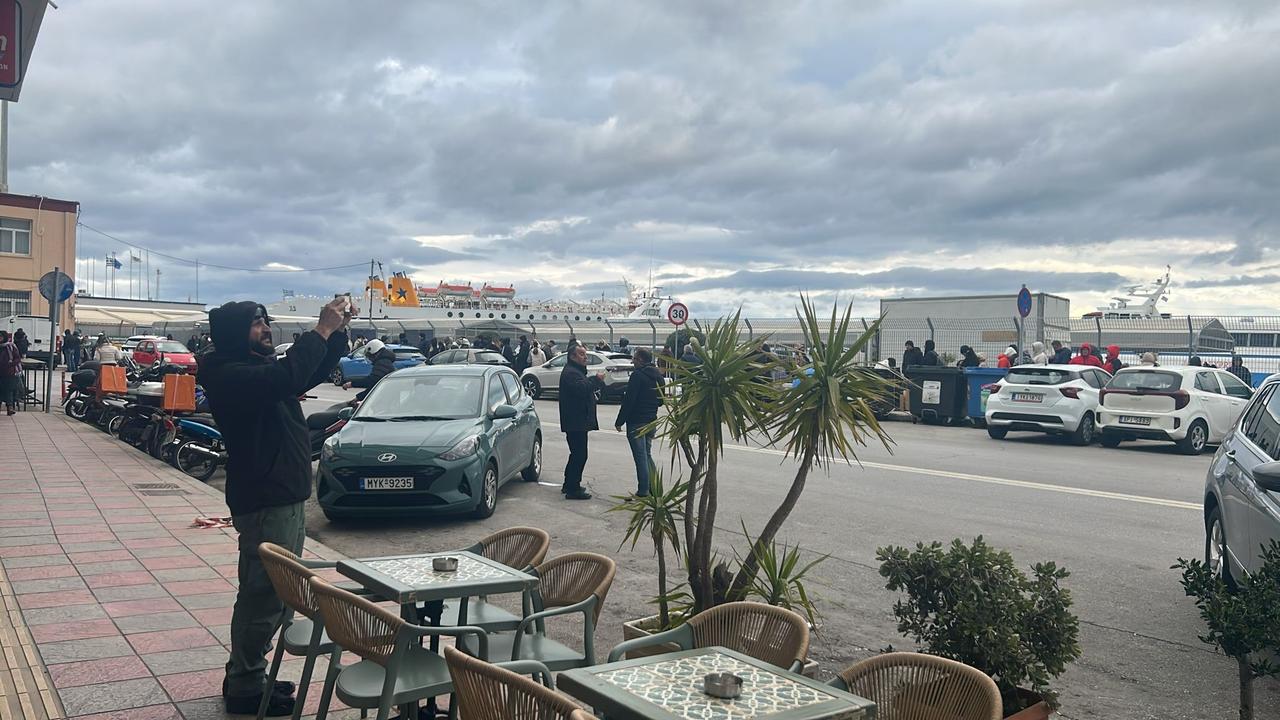
By the evening, 550 tourists had arrived back in Türkiye through the Ayvalik Sea Border Gate. Several described the difficulties they had gone through because of the blockade, while also saying they understood why local producers had taken action.
One tourist, Fatma Aksel, said their holiday had already come to an end, but the journey back became difficult because of the protest.
Another traveller, Baran Gul, said the farmers had their own reasons, but the situation still hit passengers hard. He said he felt especially upset to see fellow citizens, including women and children, left stranded in the cold for hours.


 Set as preferred source
 Set as preferred source



 3 min read