Newsletters


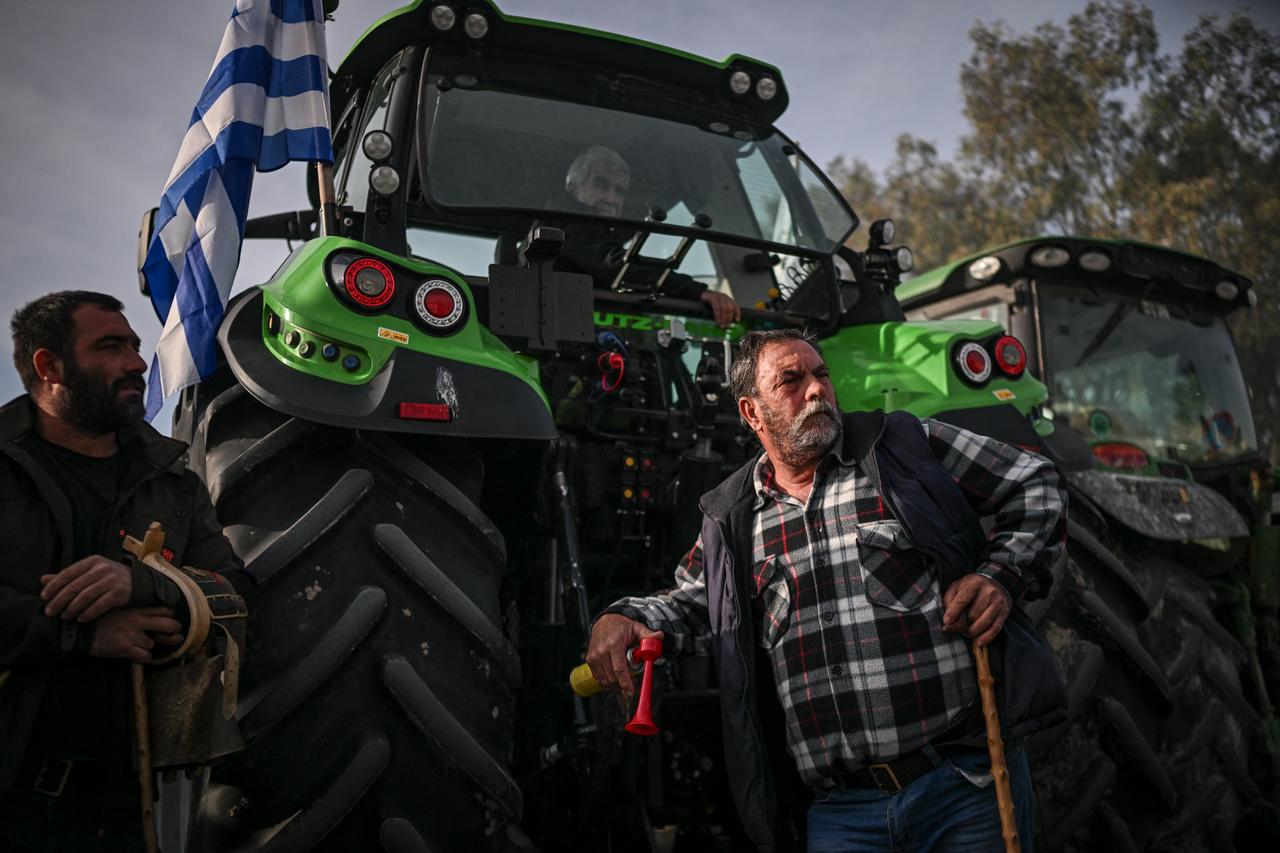


Greece entered another day of widespread disruption on Thursday as farmers and livestock producers have kept large roadblocks in place across the national highway network.
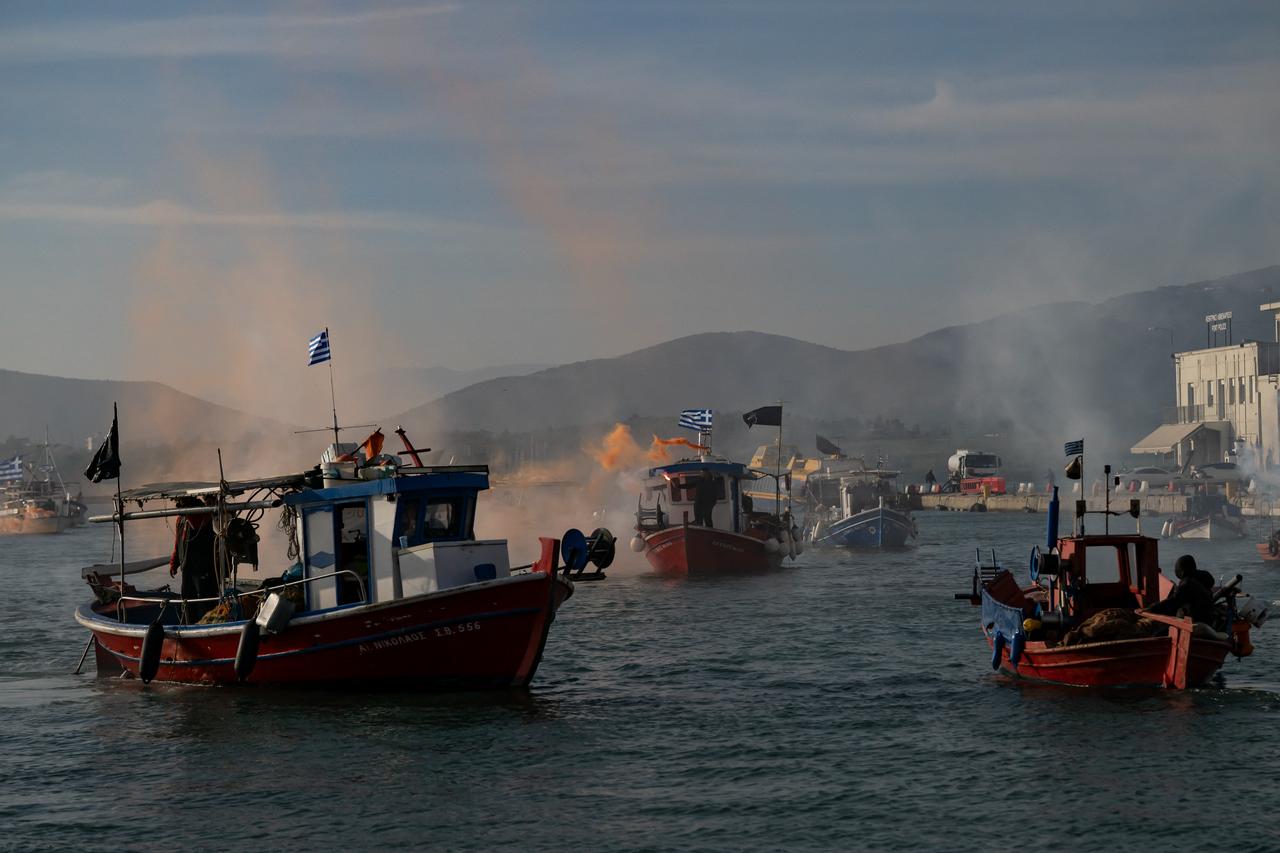
Mobilizations now stretch from Thessaloniki and Larissa to Aitoloakarnania, Crete and the northern border, creating major delays for long-distance travel and international freight.
Farmer unions prepare for a national assembly in Larissa on Saturday, where they will select representatives for negotiations with the government on fuel costs, electricity prices and stalled agricultural subsidies.
Foreign visitors and expatriates in Greece face long queues on key routes between Athens, Thessaloniki and the Balkans. Police continue to direct drivers through local detours, although these roads cannot fully absorb the volume of traffic that normally uses the country’s main highways.
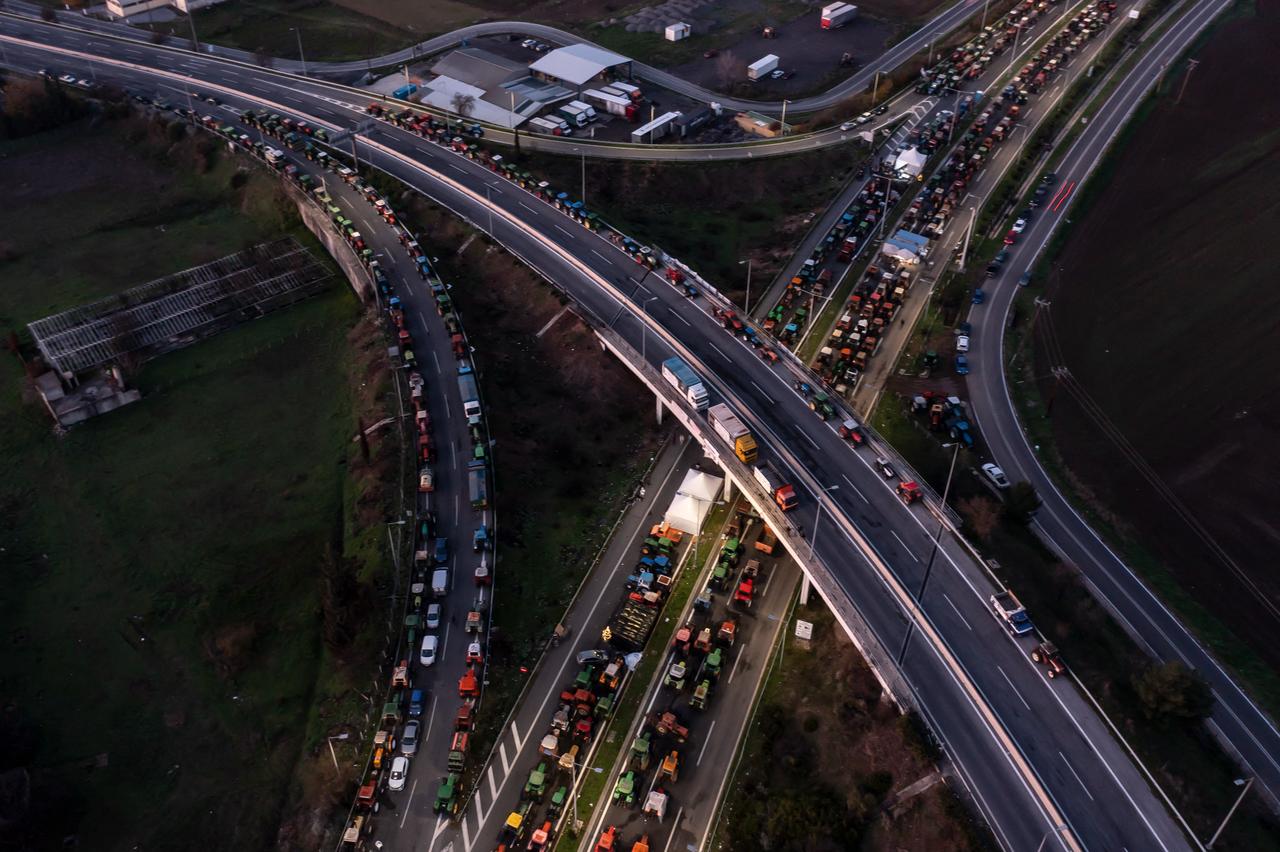

The blockades now affect some of the most heavily used transport routes in Greece.
The current closures include:
The scale of the closures has created long queues on both major and secondary routes, and police acknowledge that they have used every possible diversion across central Greece.
Residents and travelers report delays that stretch for hours in areas where multiple blockades operate at once.
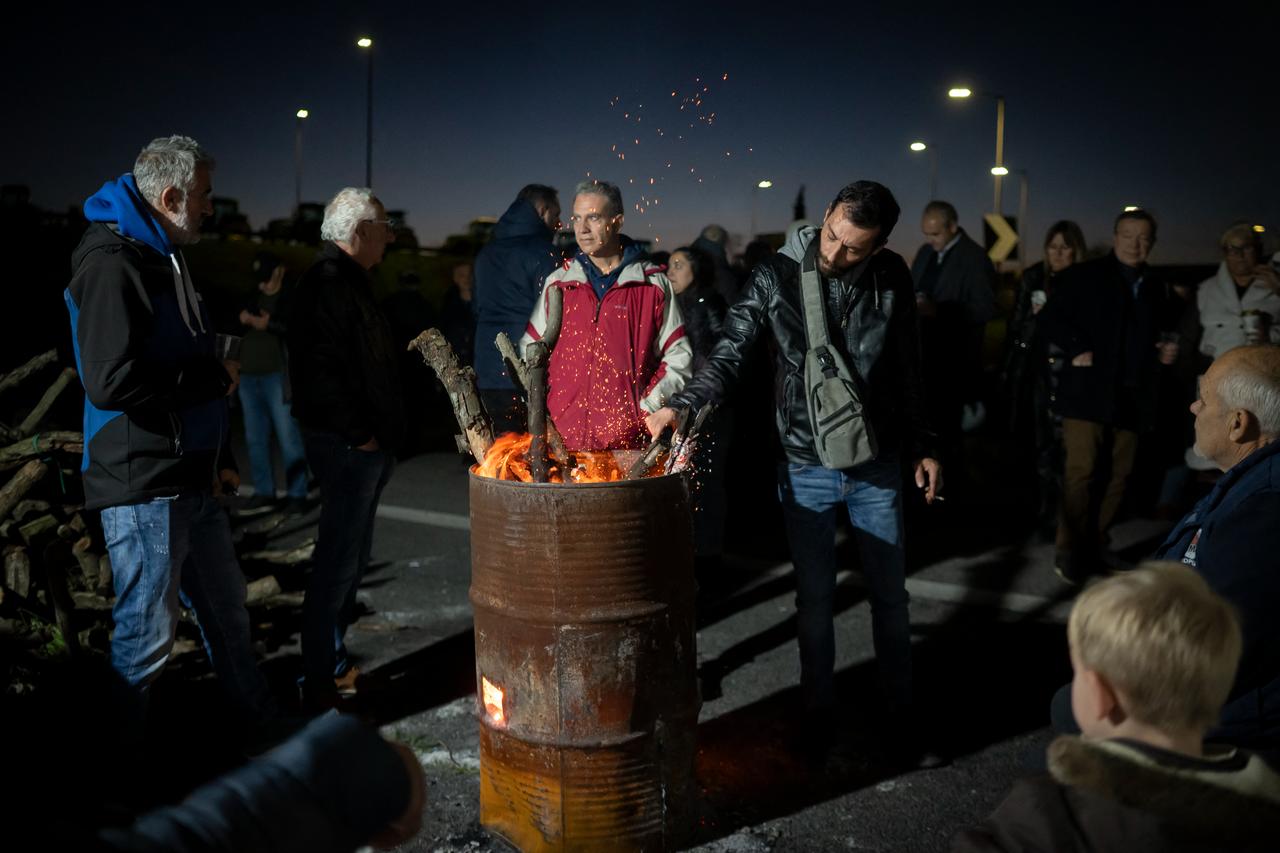
Despite the disruption, public support for the farmers continues to rise.
Workers’ unions, student groups, pensioners and local organisations visit blockades in Karditsa, Trikala and Larissa to offer solidarity and participate in daily assemblies.
Thessaly’s regional council issued a unanimous resolution that describes the primary sector as essential to the region’s economy, and governor Dimitris Kourtetas said he supports the farmers and makes regional services available during the mobilisations, as reported by SKAI.
The main labour confederation, General Confederation of Greek Workers (GSEE), also backed the protests. It described farmers as a critical link in the production chain and urged the government to examine the proposals with seriousness.
GSEE said Greece needs a long-term agricultural strategy that ensures a stable and competitive primary sector capable of meeting modern challenges.
A new national poll published by Political offers a detailed picture of how Greek citizens view the mobilizations:
Support for the farmers’ demands:
Support for roadblocks as a protest method:
Public opinion on the OPEKEPE subsidy scandal:
These findings show that the protests unfold in an environment where a clear majority views the farmers’ grievances as legitimate and believes that the subsidy system suffers from long-standing structural and political problems.
Citizen support has also spread through social media. Videos from several regions show farmers handing fruit, vegetables and other produce to drivers who wait in long queues near the blockades.
These images circulate widely online and generate messages of solidarity from people who face delays but acknowledge the farmers’ concerns.
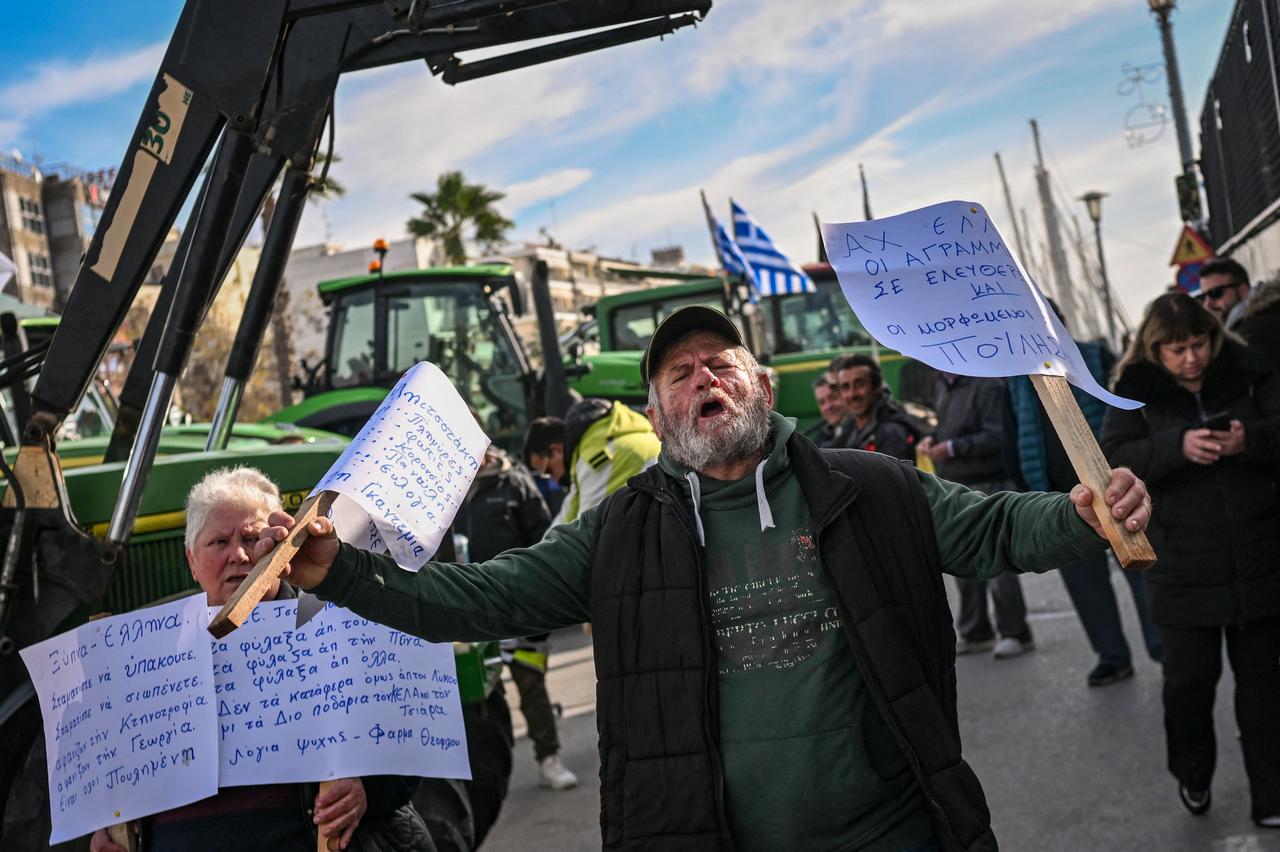
Farmer committees across Greece continue to ask for concrete measures on farm fuel, electricity prices and basic product prices, along with clarity on subsidy payments that stalled after the OPEKEPE scandal.
Representatives say they remain open to dialogue but want commitments before they scale down their actions. They will meet in Nikaia on Saturday to select the delegation that will negotiate with the government.
Government officials invite farmers to begin a structured dialogue and say discussions should take place with open roads. Farmer unions plan to finalise their next steps after the nationwide rally at the port of Thessaloniki.


 Set as preferred source
 Set as preferred source


 4 min read