Newsletters


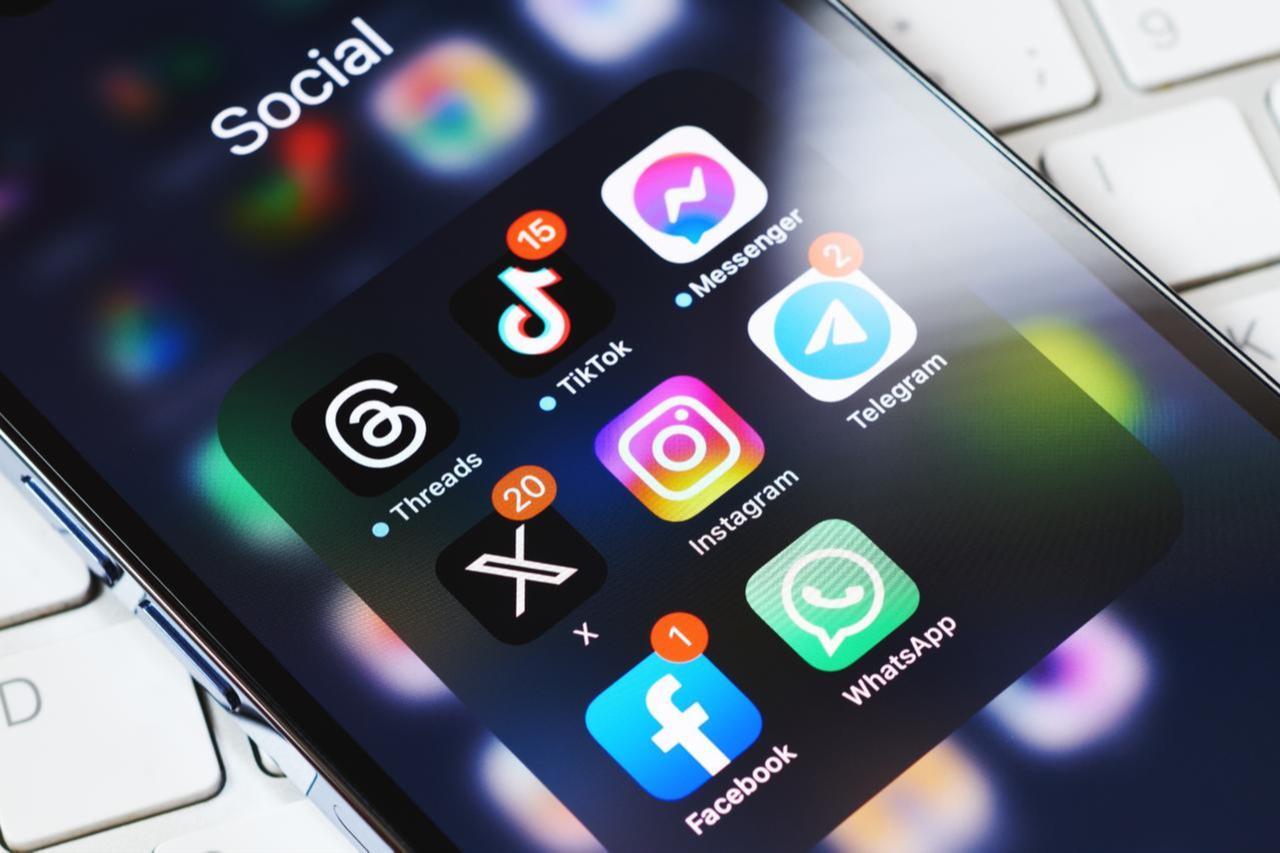


Greek Prime Minister Kyriakos Mitsotakis announced a strict ban on social media access for children under 15, starting Jan. 1, 2027.
The Greek government plans to introduce the legislation in the summer of 2026.
Mitsotakis posted a video on TikTok to address teenagers directly.
"We have decided to go ahead with a difficult but necessary measure: ban access to social media for children under 15 years old," Mitsotakis said.
"I know that some of you are going to be angry. Our aim is not to keep you away from technology but to combat addiction to certain applications that harm your innocence and your freedom."
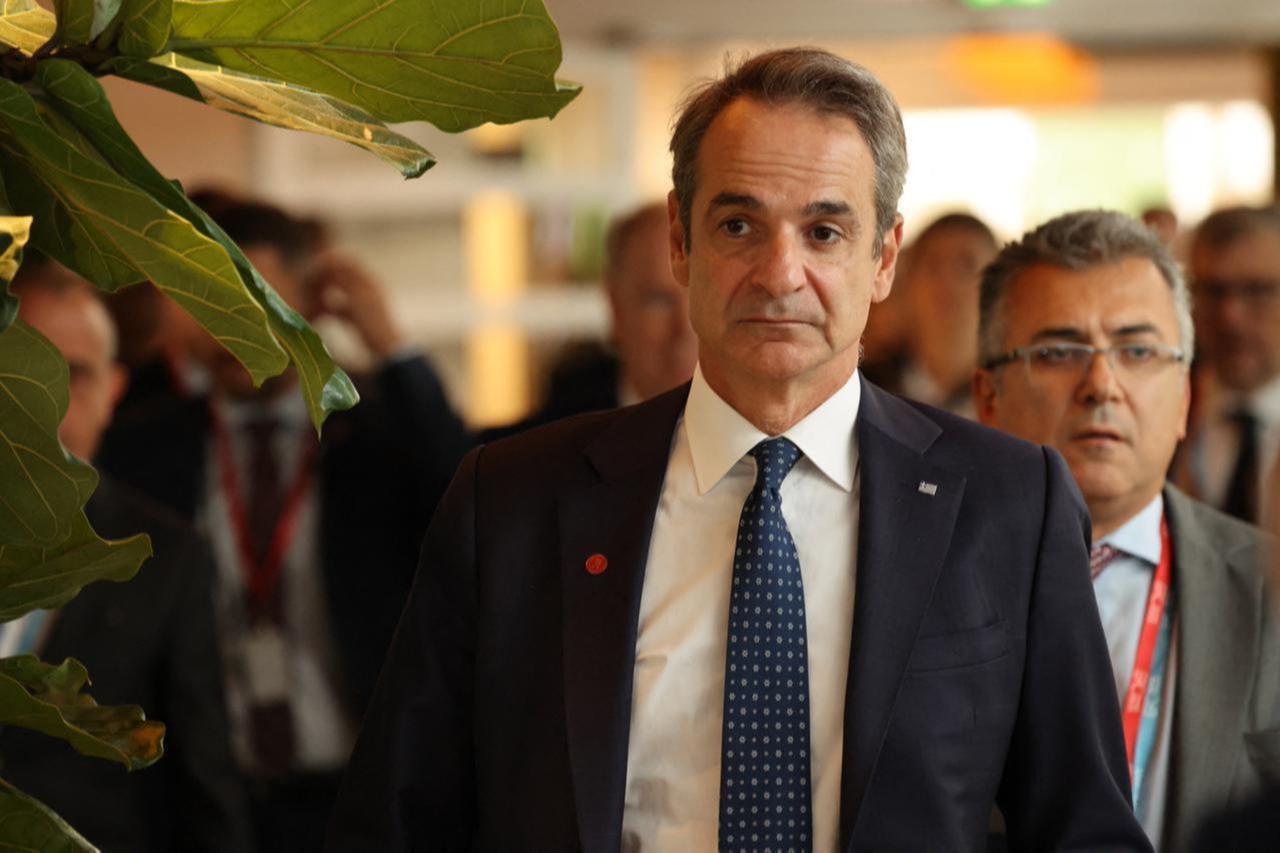

The prime minister released this sudden announcement on Holy Wednesday morning.
The timing coincides with a major domestic political crisis. The ruling party currently faces a wave of legal case files targeting its ministers and members of parliament over the OPEKEPE scandal.
Mitsotakis defended the policy's necessity despite the sudden rollout.
"Science is clear: when a child is in front of screens for hours, their brain does not rest," he stated.
He added that the addictive design of certain applications and profit models relying on user attention must stop. A joint press conference featuring the Ministers of Health, Digital Governance, and State will detail the new framework.

The government designed the ban to be absolute.
Parents cannot bypass the rule using parental consent. The Ministry of Digital Governance created an application called Kids Wallet to enforce the restriction. Parents will download this app to cross-check user ages automatically.
The system will block children born from 2012 onward from platforms featuring endless scrolling.
Government spokesman Pavlos Marinakis identified Facebook, Instagram, TikTok, and Snapchat as the primary targets. Messaging applications and video platforms like Messenger, WhatsApp, Viber, and YouTube remain unaffected.
"Our goal is not to place the burden of responsibility on children, but to pressure the platforms to adopt more effective policies," Marinakis said.
Platform operators hold the legal obligation to verify user ages. The government will update the banned list if new platforms with similar characteristics emerge.
Kyriakos Mitsotakis refuses to limit this initiative to Greece alone.
He sent European Commission President Ursula von der Leyen an official letter to demand a coordinated European response by the end of 2026. The Greek government wants to avoid conflicts with the European Digital Services Act.
Mitsotakis proposed five specific measures to the European Union:

Other nations recently implemented similar restrictions targeting tech companies.
Australia ordered TikTok, YouTube, and Snapchat to remove accounts of users under 16 or face heavy fines.
The country's online safety watchdog recently found a substantial proportion of children still scrolling banned platforms three months after the law took effect.
Indonesia began enforcing a social media ban for users under 16 in March and summoned Google and Meta over compliance failures.
Austria plans to introduce a law this summer banning social media for children up to 14.
Spain and Denmark announced their intention to establish a digital age of majority for social networks.
The European Commission must now respond to Mitsotakis's letter and decide whether it will force multinational tech corporations to implement these age restrictions across the entire bloc.


 Set as preferred source
 Set as preferred source



 3 min read