Newsletters


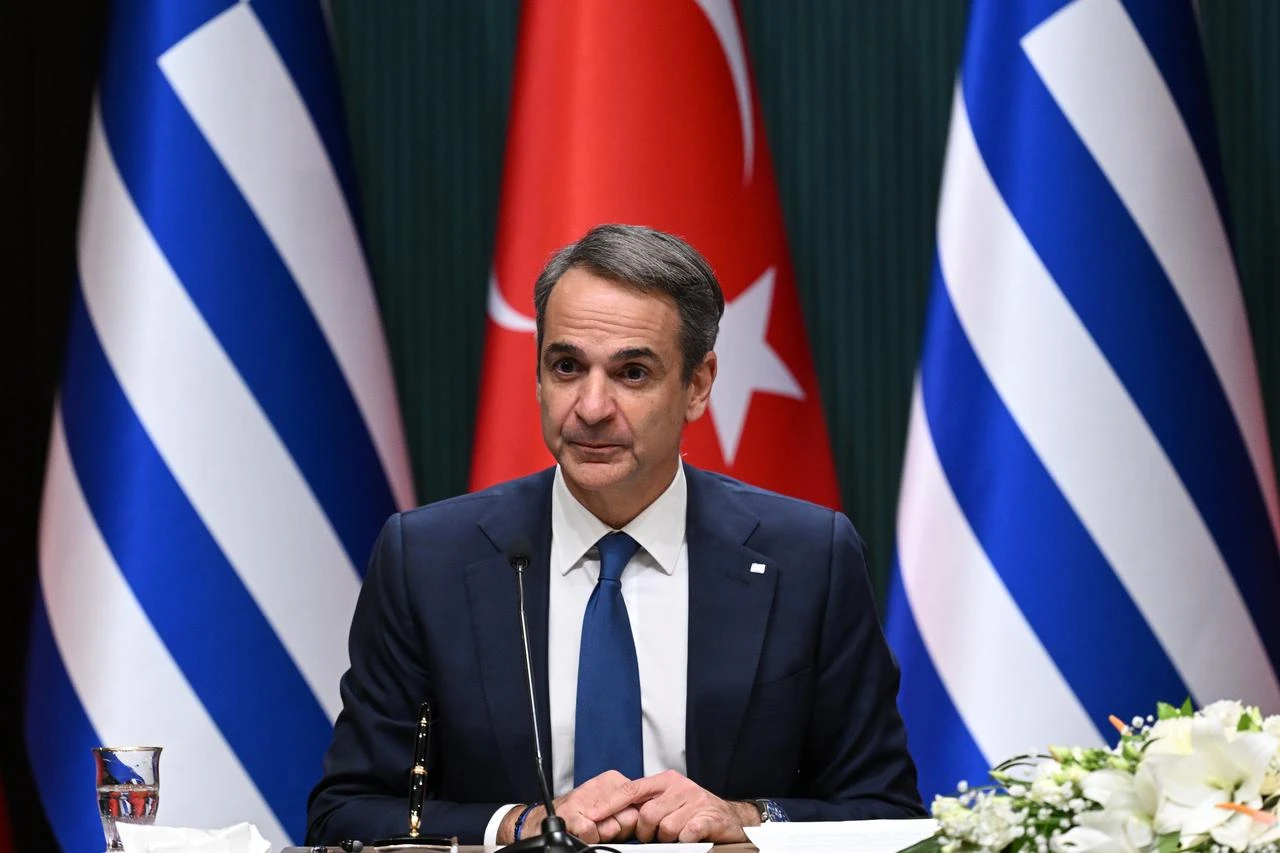


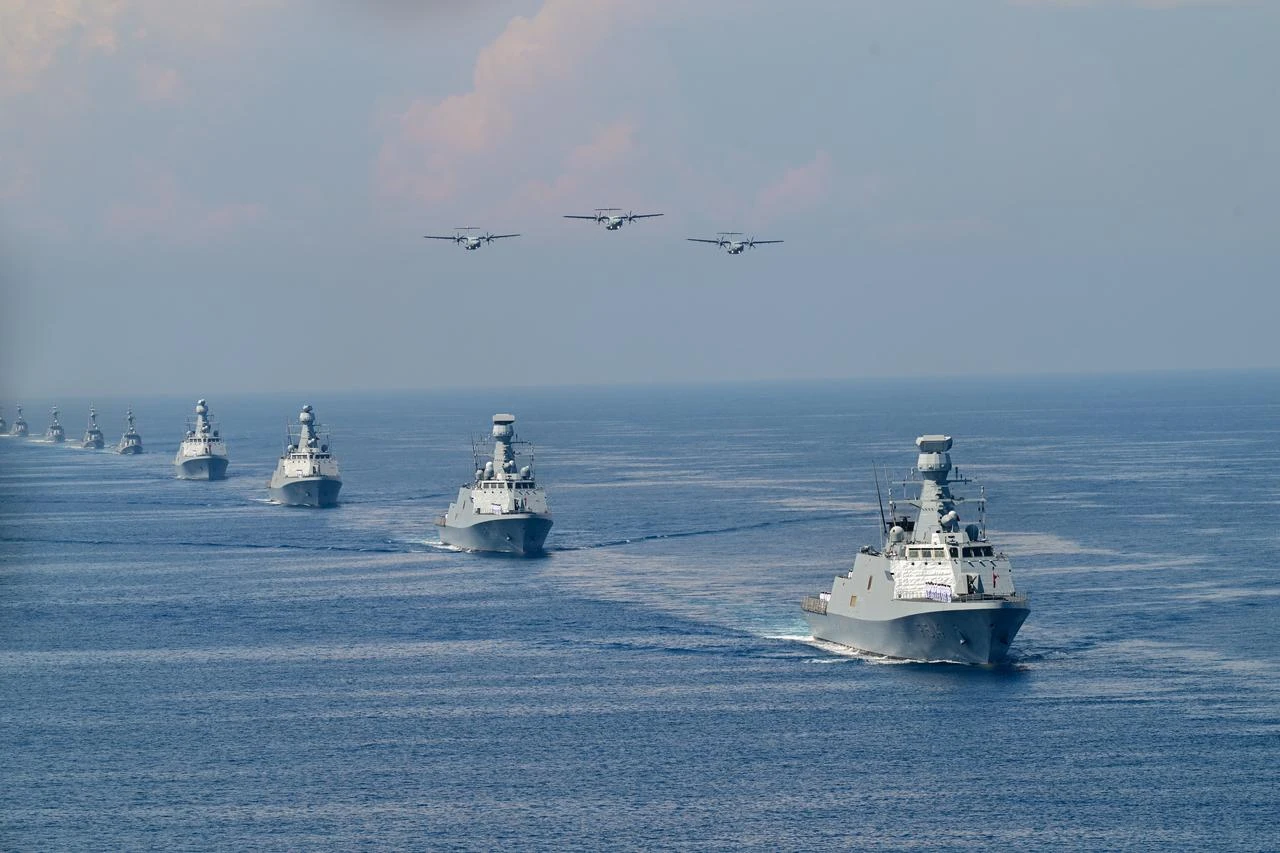
Greek Prime Minister Kyriakos Mitsotakis said Friday that his government does not foresee war with Türkiye but will continue strengthening Greece's deterrent capabilities, while ruling out early elections and insisting a parliamentary supermajority in 2027 remains an achievable goal.
"In no way do we foresee war," Mitsotakis told Liberal.gr.
"But we are obliged to strengthen our deterrent power in such a way that the thought of challenging Greek sovereignty does not cross anyone's mind," he added.
Mitsotakis rejected predictions of armed conflict with Türkiye as categorically unfounded but said deterrence-building would continue regardless.
"We will not ask anyone's permission to strengthen our Armed Forces, just as Türkiye does not ask Greece what it does with its own armed forces," he said, while adding that communication channels must remain open and crises must be defused early.
He described the current situation in the Eastern Aegean as a sign of progress.
"Go and do a reportage today on the islands of the Eastern Aegean. From drowning in migrants, they are now flooded with Turkish tourists," he said, noting Lesbos had fewer than 500 migrants today compared to 30,000 when his government took office.
On what he would tell Erdogan at the NATO summit in Ankara if they met privately, Mitsotakis said he would repeat his standing position: "That Greece can and wants to address the one great pending issue it has with Türkiye, the delimitation of maritime zones in the Aegean and Eastern Mediterranean, from the moment all the other issues are removed from the table, which I am in no way prepared to discuss."
He dismissed accusations of "appeasement" from former Prime Ministers Antonis Samaras and Kostas Karamanlis, both from his own party, as deeply unjust.
"This accusation of 'appeasement' genuinely escapes me completely. I find it more than unfair," he said, citing a long list of assertive foreign policy steps including marine spatial planning, offshore drilling south of Crete, and the visit to Ankara where he raised the casus belli issue directly.
"I am the only one who dared to go to Ankara and raise it. I don't remember anyone else doing that," he said.

Mitsotakis repeatedly and firmly ruled out early elections.
"I have grown tired of repeating it: elections will take place at the end of the term, in the spring of 2027," he said.
He said the government had one more year of work and that delivering on the Recovery Fund by the end of September was among the immediate priorities. "My duty is to ensure there will be absolutely no relaxation," he said.
On the prospect of winning a parliamentary supermajority for a third time, Mitsotakis said opinion polls currently showing New Democracy at around 30% to 31% do not alarm him.
"The polls gave us 33 to 34% three months before the 2023 elections. I consider the target of a supermajority realistic and achievable," he said.
He rejected the possibility of coalition government, saying he saw no room for cooperation, not necessarily because he would refuse it but because other parties categorically would not agree to it.
"Today, a self-sufficient New Democracy is a very specific and very clear governing proposition. What is the alternative?" he said.
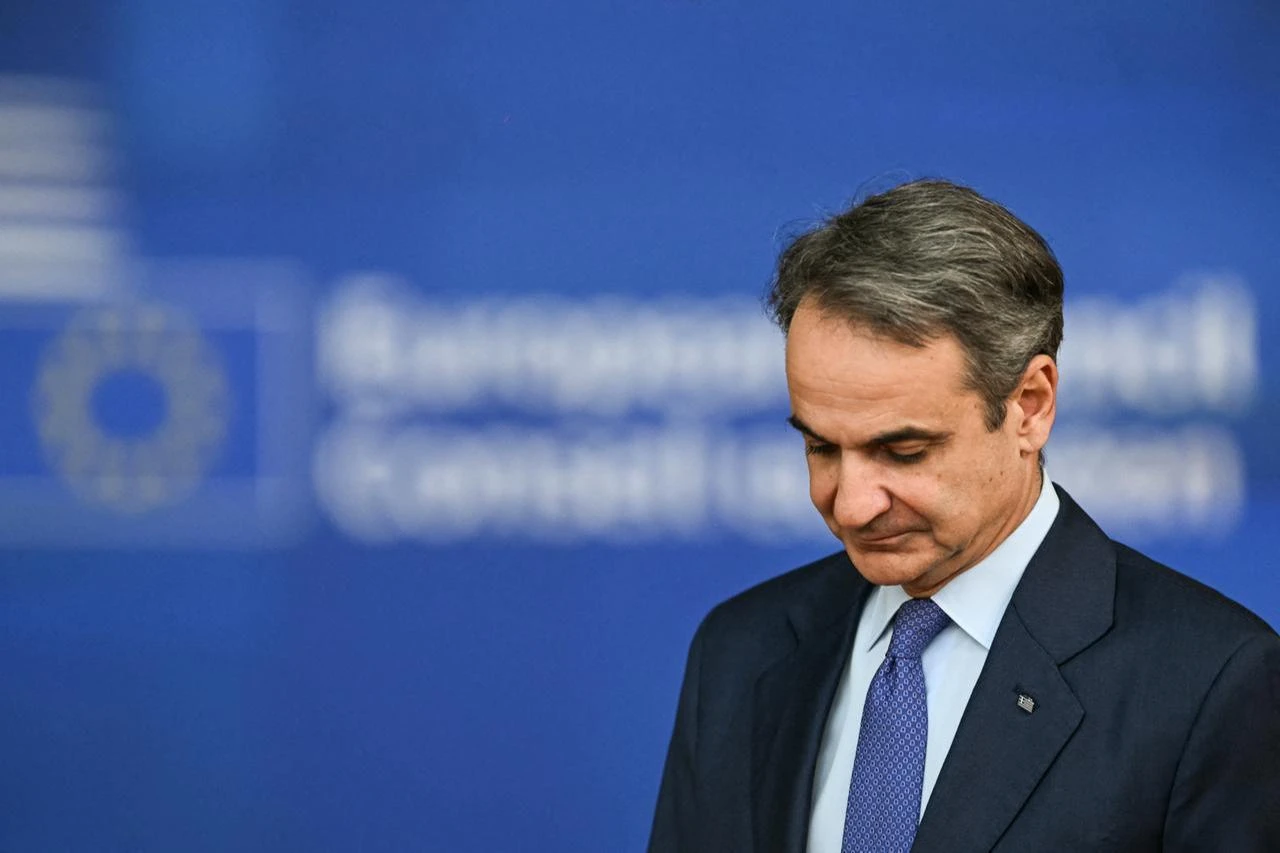
Asked what would happen to Greece's strategic alliances, with the United States and Israel in particular, if he lost the next election, Mitsotakis said the relationships were grounded in deep historical roots that transcend any particular government.
He noted that July 4 marked the 250th anniversary of U.S. independence, describing the occasion as a chance to celebrate a bilateral relationship spanning centuries.
On Israel, he said his father was the first to recognize the state in 1990 and that the relationship had strategic depth built over 15 years.
"This is not a relationship of external definition. It is an autonomous relationship," he said.
He acknowledged that personal relationships matter in diplomacy.
"After seven years in this chair, it is very easy for me to pick up the phone and call many people. I have invested a great deal in these personal relationships. And I do this for the benefit of the country," he said.


 Set as preferred source
 Set as preferred source


 2 min read