Newsletters


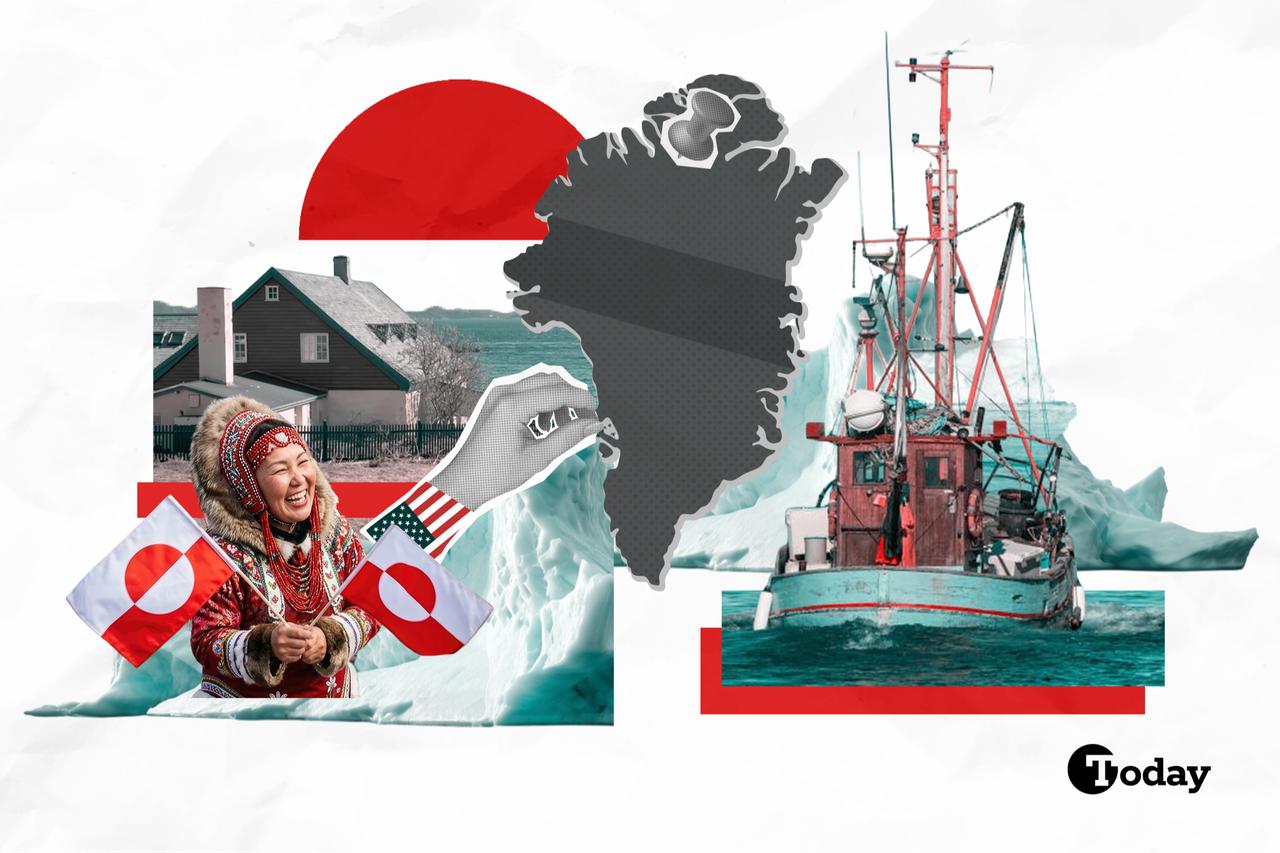


As Greenland celebrates its National Day on June 21, the world's largest island finds itself at the center of global attention.
From Arctic security and critical minerals to climate change and great-power competition, Greenland has become one of the most discussed territories in international affairs.
Yet beyond the headlines lies another story. During recent conversations in Nuuk with officials, policymakers, business representatives, and local stakeholders, a common theme emerged. While the world increasingly focuses on Greenland's strategic value, Greenlandic people themselves often focus on nearly half a century of political progress and an ongoing journey toward greater self-determination.
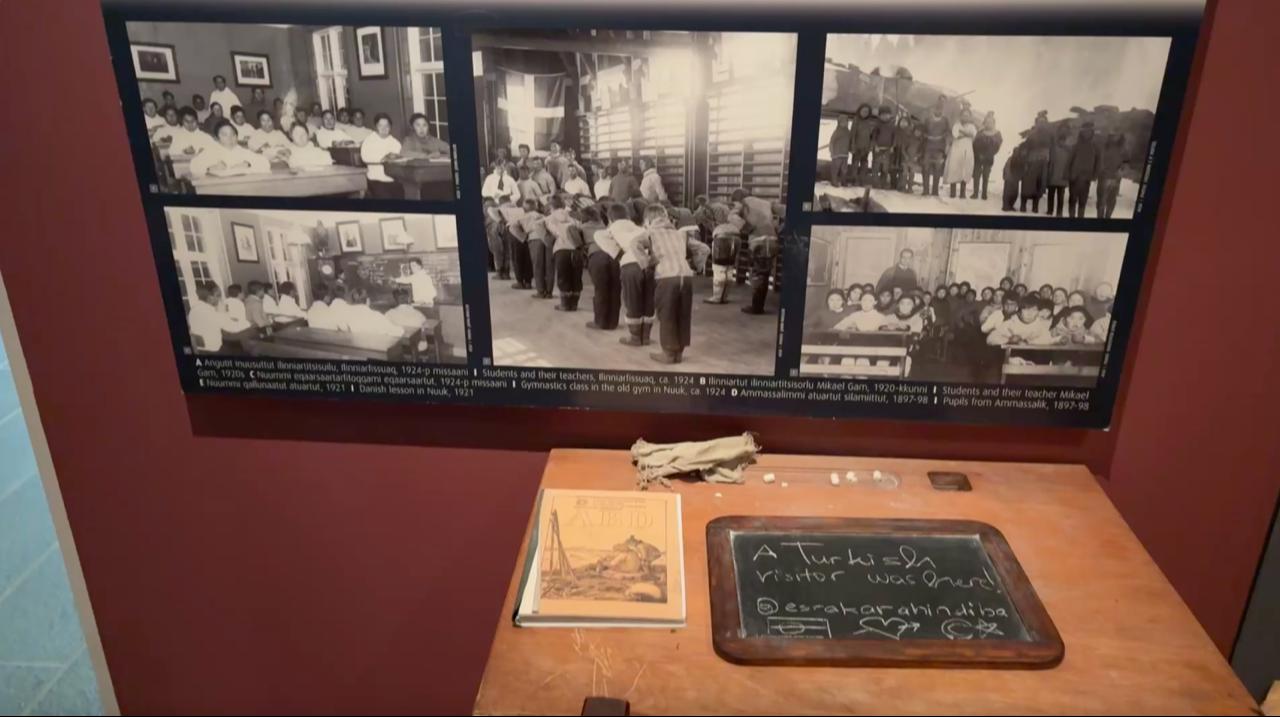
For over two centuries, Greenland was governed as a Danish colony. Although colonial status formally ended in 1953 when Greenland became an integral part of the Kingdom of Denmark, the post-war decades brought profound social and political change.
Modernization improved healthcare, education, housing, and infrastructure.
At the same time, many Greenlanders felt increasingly disconnected from decisions affecting their communities.
Traditional settlements were consolidated, administrative authority became centralized, and Danish officials occupied many senior positions.
For some Greenlanders, this period created a sense of becoming spectators in their own country rather than participants in shaping its future.
The post-war years also cemented Greenland's strategic significance. In 1951, Denmark and the United States signed a defense agreement granting Washington extensive rights to establish and operate military facilities on the island.
Greenland became a key component of the Western Alliance’s northern security architecture during the Cold War, a role that continues today.
Growing demands for political influence eventually led to Home Rule in 1979, giving Greenland its own parliament and government.
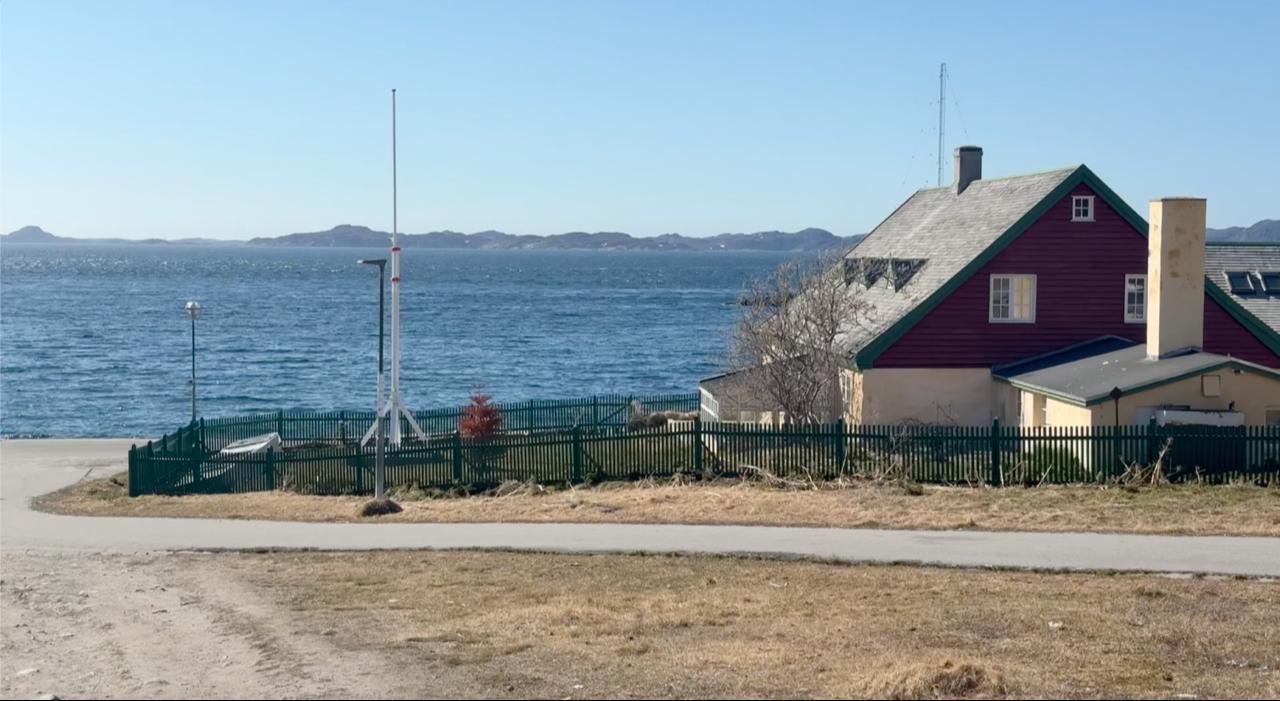

One of the first priorities of the new Home Rule government was gaining greater control over fisheries, which remain the backbone of Greenland's economy.
Fisheries were viewed not simply as an industry but as the foundation of political and economic autonomy.
This principle soon produced one of Greenland's most important political decisions.
Although Denmark joined the European Economic Community in 1973, many Greenlanders opposed membership because of concerns surrounding fisheries management.
Following Home Rule, Greenland negotiated a new arrangement and formally withdrew from the European Communities in 1985.
The decision made Greenland the first territory ever to leave the European Communities and demonstrated that Greenland was prepared to pursue policies reflecting its own priorities.
Three decades later, Greenland took another major step forward.
The Self-Government Act of 2009 recognized Greenlandic people as a people under international law, established Greenlandic as the official language, transferred authority over mineral resources, and created a legal pathway toward eventual independence.
Equally important was how these achievements were secured. Unlike many decolonization experiences elsewhere, Greenland's expanding autonomy emerged through dialogue, negotiation, and democratic institutions rather than confrontation. Over decades, Nuuk and Copenhagen gradually redefined their relationship through cooperation and political compromise.
Today, Greenland can look back on 47 years of home rule, 17 years of Self-Government, and nearly half a century of expanding autonomy gradually.
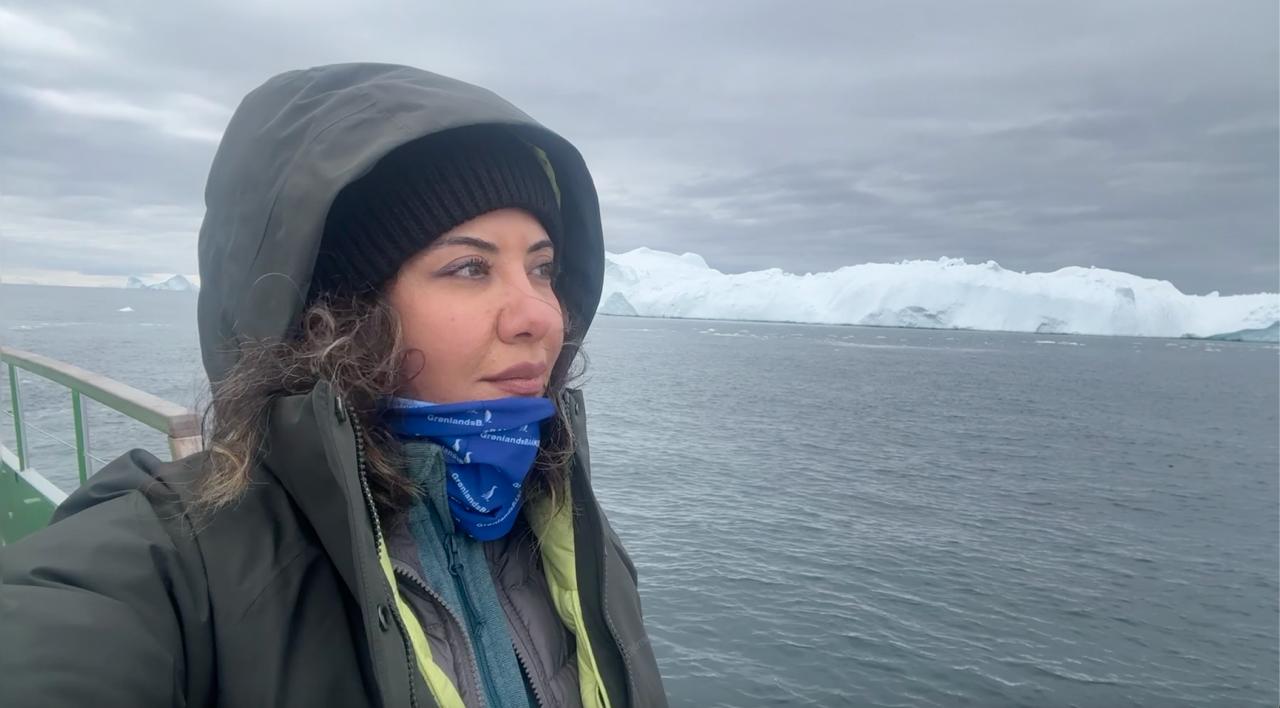
The debate over independence remains one of the most important issues in Greenlandic politics. Yet many Greenlanders distinguish between the right to independence and the timing of independence.
The Danish block grant continues to play an important role in public finances, while fisheries remain central to the economy. For many Greenlanders, independence is not viewed as a destination that must be reached immediately but as a right that should be exercised when the necessary political and economic conditions are in place.
The past two years have demonstrated that Greenland's future is shaped not only by economics but also by geopolitics.
As global competition in the Arctic intensifies and international interest in Greenland grows, many Greenlanders increasingly view their relationship with the Kingdom of Denmark through the lens of stability, security, and international support.
Rather than accelerating the push for independence, recent developments have, in some cases, reinforced the value of existing constitutional arrangements while allowing Greenland to continue expanding its authority at its own pace.
Over the past two years, Greenland has attracted unprecedented international attention. Renewed American interest in the island, growing competition in the Arctic, and increasing demand for critical minerals have pushed Greenland to the forefront of international affairs.
Yet many Greenlanders view these discussions through a different lens. Several interlocutors questioned why political pressure surrounding Greenland has intensified despite the extensive defense cooperation and military access already available under arrangements dating back to the 1951 defense agreement.
One message surfaced repeatedly during conversations and deserves particular attention: for many Greenlanders, the debate is not about money.
At a time when discussions about Greenland often revolve around minerals, foreign investment, and economic opportunities, many Greenlanders see the issue differently.
As one interlocutor argued, if Greenland's future were simply a matter of economics, Greenland would have been sold out centuries ago. Instead, generations of Greenlandic people spent decades building institutions, securing political rights, strengthening their language and culture, and gaining a greater say over decisions affecting their land and resources.
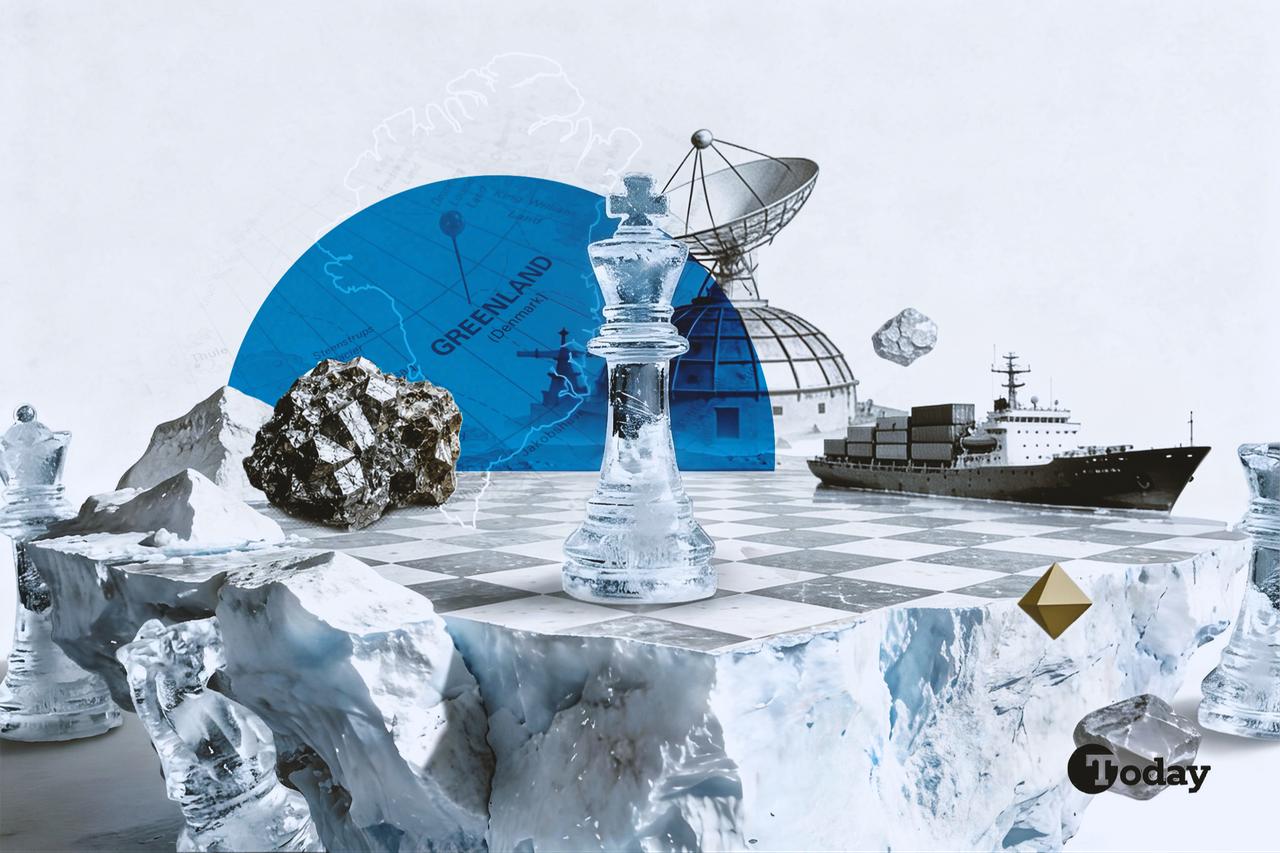
As NATO leaders prepare to discuss the future of Euro-Atlantic security, Greenland's role in the Arctic is attracting increasing attention.
Russia's invasion of Ukraine, NATO enlargement in the Nordic region, growing military activity in the High North, and broader geopolitical competition have challenged the notion of the Arctic as a region of permanently low tension.
Greenlandic leaders increasingly acknowledge this reality.
At the same time, defense and national security remain responsibilities of the Kingdom of Denmark. Many Greenlanders also express discomfort with finding themselves at the center of disputes among larger powers when their primary focus remains the development of their communities and future opportunities.
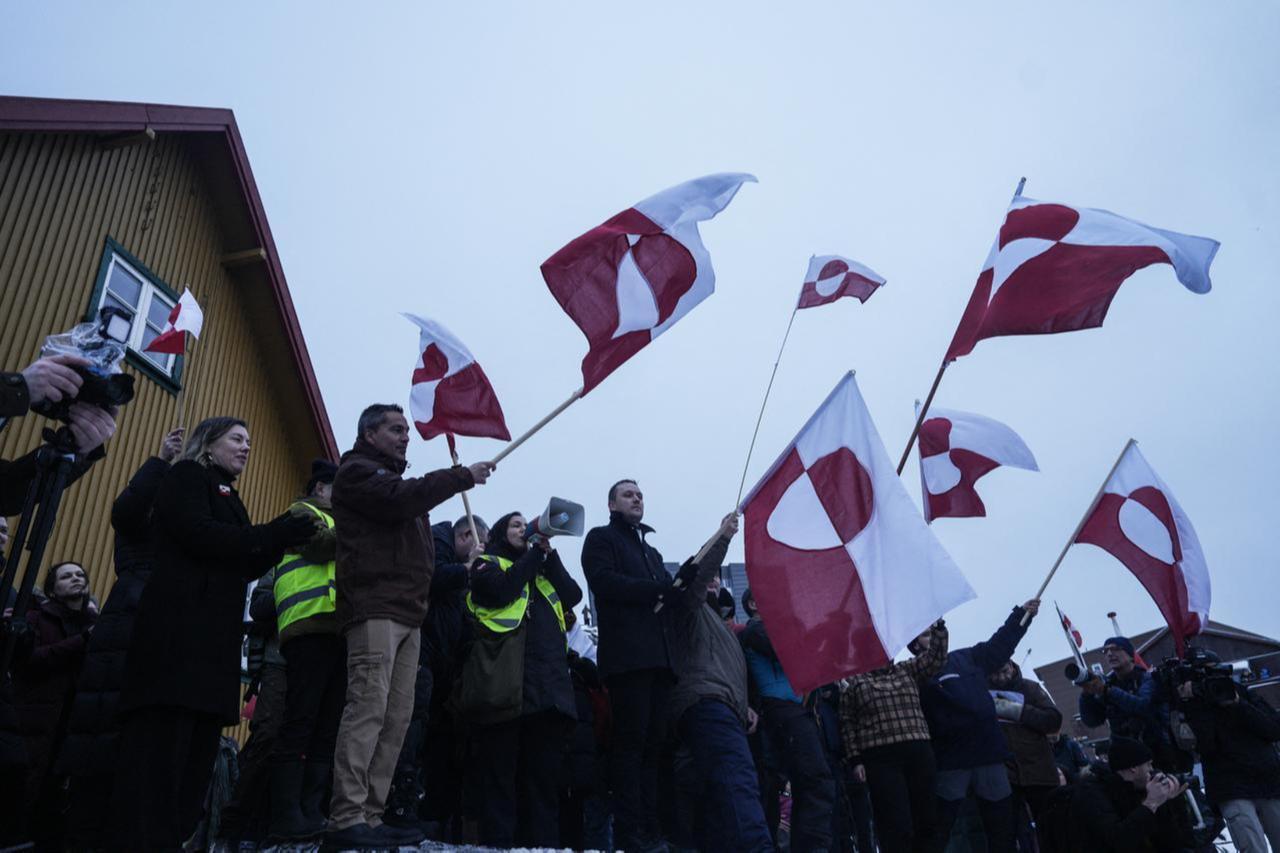
As Greenland celebrates its National Day, it does so from a position very different from the one it occupied a generation ago.
Foreign governments see strategic geography. Investors see critical minerals. Military planners see the Arctic. Greenlanders see the results of nearly half a century of expanding autonomy.
The more interesting question may not be where Greenland stands today but where it will stand fifty years from now.
If the last half-century transformed Greenland from a territory governed largely from elsewhere into an increasingly confident political actor, what might another half-century bring?
When Greenland reaches a century of expanding autonomy, will it remain within a redefined Kingdom of Denmark, become a fully independent Arctic state, or develop a unique constitutional model of its own?
No one can answer those questions with certainty.
What is clear is that Greenland's future will be shaped less by the ambitions of outside powers than by the choices made by Greenlanders themselves. For a nation that has spent nearly 50 years steadily expanding its authority through dialogue, democratic institutions, and political determination, that may be its greatest achievement, and its strongest foundation for the decades ahead.


 Set as preferred source
 Set as preferred source


 2 min read

 1 min read